What do sun spots look like?
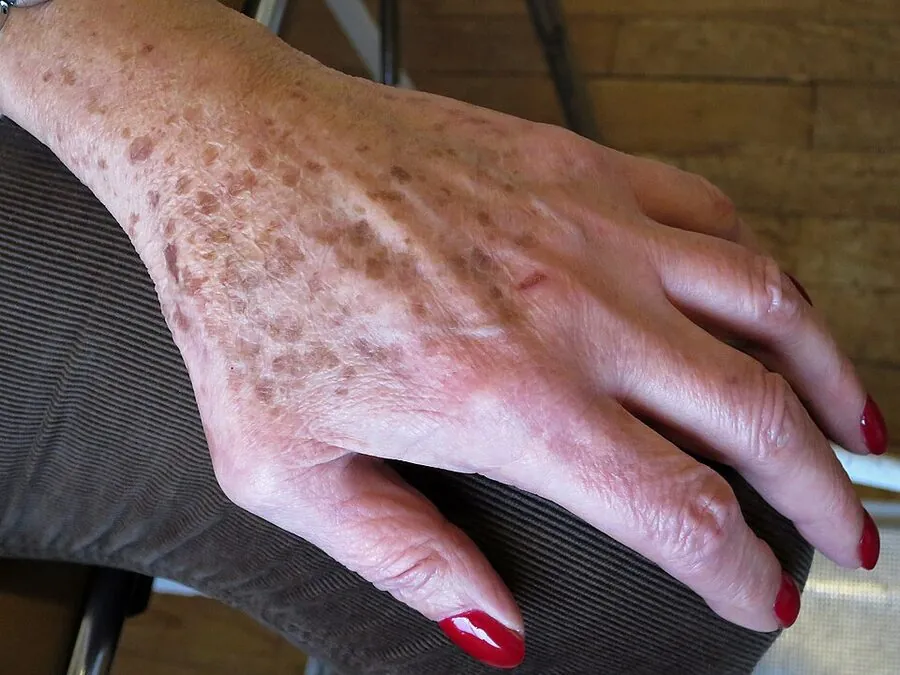
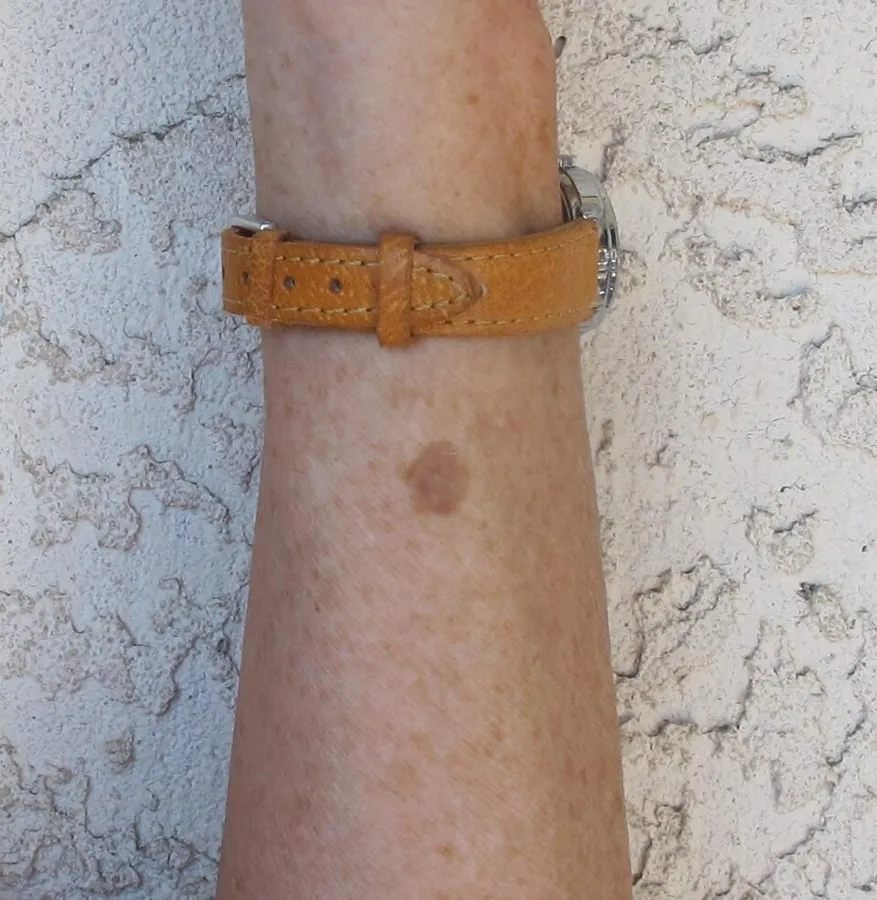
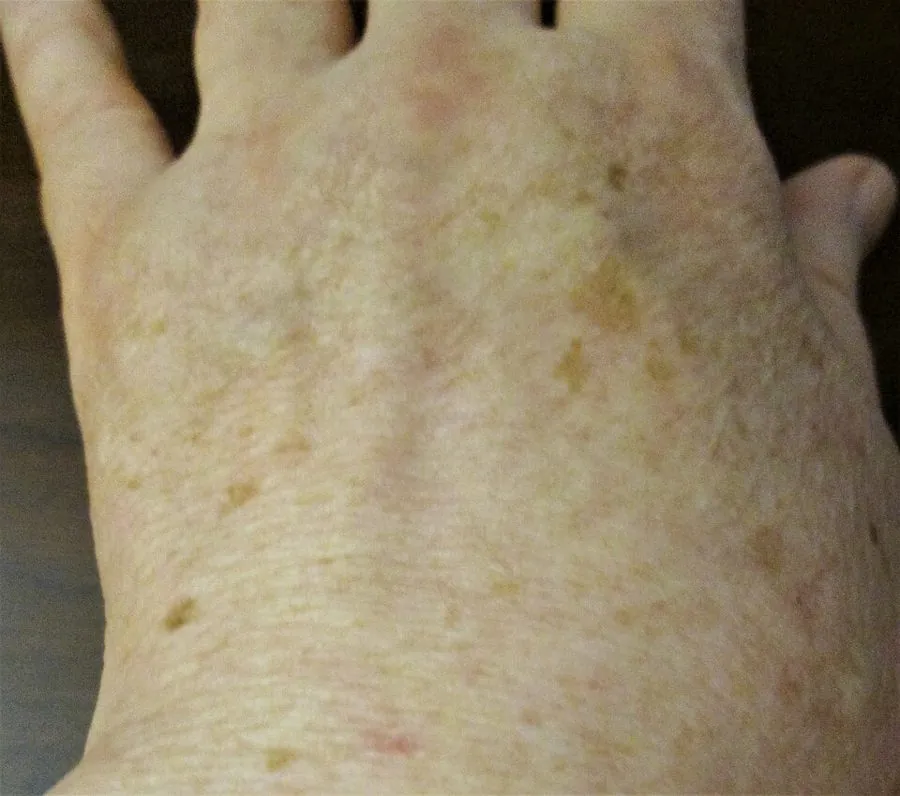
What is a sunspot — and what is it not?
Solar lentigines are the arithmetic of decades of sun: focal areas where UV has permanently upregulated pigment production. They are flat, stable and benign. What they are not is interchangeable with other browns: melasma (soft, symmetric, relapsing — see the melasma guide), freckles (genetic, fading in winter), seborrhoeic keratoses (raised, waxy — see age warts), and rarely lentigo maligna, an early melanoma that impersonates a sunspot. The which-brown-is-yours guide covers the full differential — and it is the reason every pigment consult here starts with diagnosis, not a laser menu.
What actually works for sun spots?
The 2025 systematic review of clinical trials places pigment-selective lasers and intense pulsed light at the top of the evidence for lentigines, with picosecond and Q-switched systems achieving clearance of individual spots — frequently in a small number of sessions [1]. This is the pigment problem lasers were made for: a discrete epidermal target with a clear endpoint. In Dr Sin Yong's practice this work runs on the picosecond platforms described on the T2 Frax Radiance and alexandrite laser pages, with laser toning handling diffuse background tone. Hands and forearms — the age-giveaway zones — are treated on the same principles, alongside hand rejuvenation where volume is part of the picture.
The caveat that matters in Singapore skin
The multicentre survey literature documents a specific complication worth naming: post-inflammatory hyperpigmentation after lentigo treatment in darker skin types — the spot clears, then a brown mark returns weeks later as the skin's inflammatory response deposits new pigment [2]. In Fitzpatrick III–V skin this is the central technical challenge: conservative fluences, correct wavelength choice, strict post-treatment photoprotection, and sometimes a preparatory topical phase. It is manageable and usually temporary when it occurs — but it is why lentigo lasering in Asian skin is a physician's judgement call, not a walk-in zap.
What doesn't work for sun spots?
Fading creams on an established lentigo — topicals lighten modestly at best; the trial data belongs to devices [1]. Scrubs and peels bought online — surface exfoliation cannot reach the pigment factory. Ignoring the odd one out — the sunspot that is darker, larger, growing or irregularly bordered is the one that earns a dermatoscope before any treatment. And skipping sunscreen after clearance — the sun that made them is still overhead, and untreated habits regrow the collection.
If the lesion in question is a true mole rather than a sun spot, Dr Sin Yong’s dermatoscopy-first mole removal protocol applies — the mole is scoped and assessed before any removal method is chosen.“A sunspot is the easiest pigment a laser will ever clear — and in Asian skin, the easiest place for the wrong settings to write a new mark where the old one was.”
— Dr Sin Yong
Dr Sin Yong’s Viewpoint
Sunspots are the most satisfying pigment I treat — discrete targets that clear properly with the right laser. In our skin types the art is entirely in restraint: conservative settings and strict aftercare so we do not trade a brown spot for a post-inflammatory mark. And the odd spot out always meets my dermatoscope before my laser.
Prefer Not to Use WhatsApp?
Use the short enquiry form instead →
Leave your name, mobile number and email and the clinic will contact you directly. No obligation.
Prefer a preliminary view first? You can also WhatsApp a photo of the area for Dr Sin Yong to review before you decide on a visit.