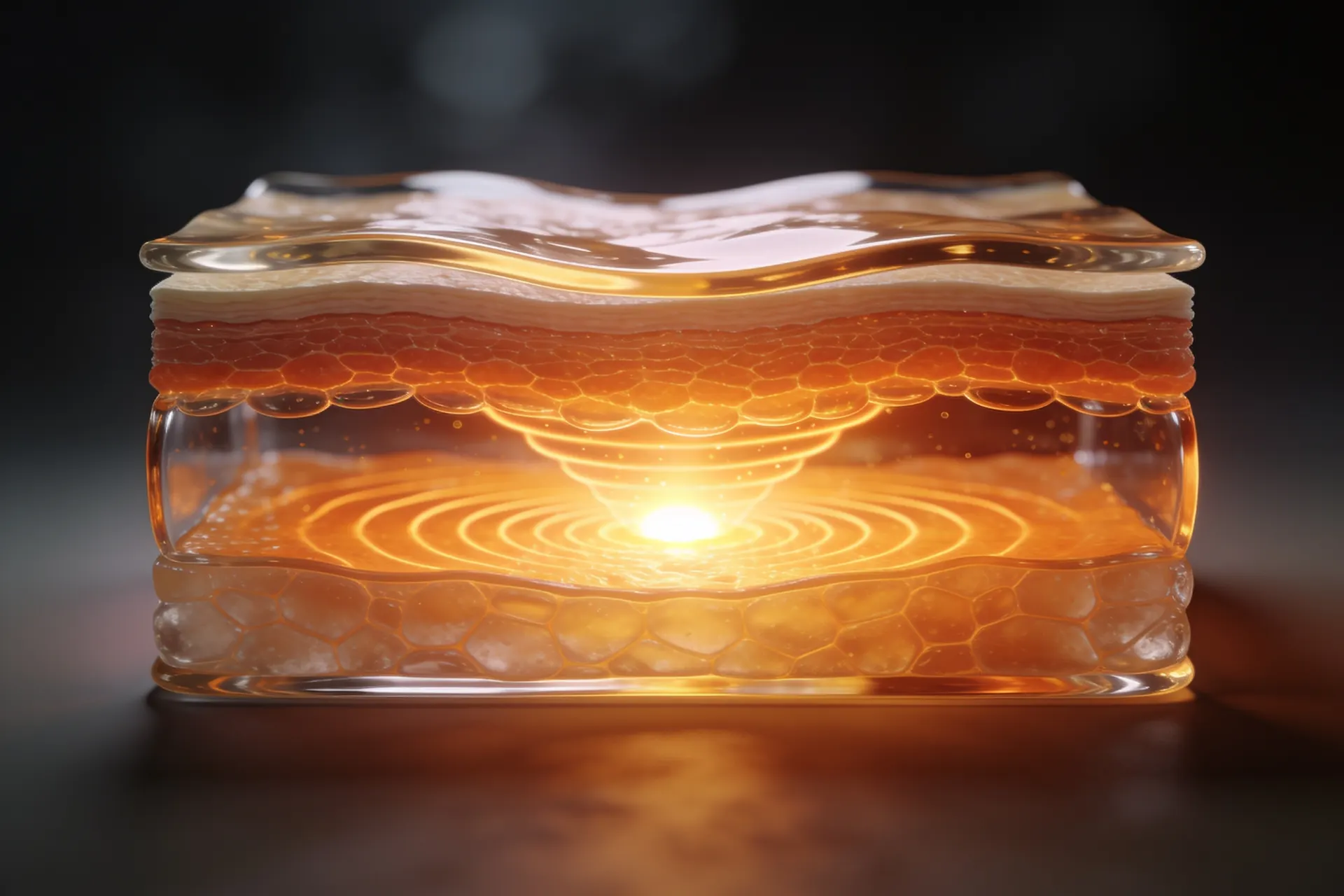
Scabbing after laser hair removal is not the usual course but can happen where heat reaches the skin surface; fine scabs are expected after ablative and some fractional lasers. The care is the same: leave scabs to separate on their own, cleanse gently, keep the area moist, protect it from the sun and call the clinic if it looks infected.
- Scabs after laser are protective crusts; the rule is not to pick them and to let them separate on their own.
- Scabbing after laser hair removal is not the usual course and suggests heat reached the skin surface.
- Fine crusts are expected after ablative and some fractional lasers; thick, yellow or oozing crusts need review.
- Moist healing, gentle cleansing, strict sun protection and paused skincare actives all affect how the skin heals.
- Your own post-treatment instructions come first; Dr Sin Yong reviews scabbing that looks unusual.
- Post Laser Scab Care
- Step-by-step scab care after laser
- Is scabbing normal after laser hair removal?
- Who it suits, who should wait, who is referred on
- What happens, step by step
- Risks, side effects and when to call
- Aftercare
- Before you book
- What determines the fee
- Myths we hear in clinic
- Frequently Asked Questions
- What a scab is
- A dried crust of serum and blood that protects laser-treated skin while new skin forms underneath
- When it forms
- Common after ablative and some fractional laser protocols
- Rule one
- Never pick: let scabs separate on their own
- Healing environment
- Keep the area moist with the prescribed recovery product or a petroleum-based emollient
- Main risk
- Post-inflammatory hyperpigmentation, more likely in Asian skin; picking and sun exposure raise it
- Sun
- Strict sun avoidance and daily SPF 50 until healed and well beyond
| Day | What you see | What to do |
|---|---|---|
| 0–1 | Redness, warmth, pinpoint crusting on treated spots | Cool compress, bland ointment, no make-up |
| 2–4 | Small dark scabs form and tighten; itching starts | Keep moist; do not pick; sunscreen when outdoors |
| 5–7 | Scabs loosen at the edges | Let them fall; pink skin underneath is normal |
| 7–14 | Pink fades; some darker marks may appear on deeper skin tones | Strict sun protection; message the clinic if darkening spreads |
| Any day | Spreading redness, pus, pain that increases, fever | Call the clinic the same day; see complication care |
Scabs after laser are dried crusts of serum that protect new skin while it forms underneath. They are expected after resurfacing lasers and spot treatment of pigment, but not after laser hair removal, where a crust means heat reached the surface. Leave every scab to separate on its own, keep it soft, and protect it from sun.
Laser hair removal scabs: care that protects the new skin
Laser hair removal scabs are dried crusts of serum and blood that protect treated skin while new skin forms underneath, and the single rule is to leave them to separate on their own. Lifting a scab early exposes new skin and raises the risk of scarring and pigment change, particularly in Asian skin. Moist healing, gentle cleansing, strict sun protection and paused actives all shape how the skin heals.
Scabbing after laser hair removal: why it happens and what to do
Scabbing after laser hair removal is not expected, because the light is aimed at pigment in the hair follicle rather than at the skin, and the usual reaction is short-lived redness and small follicular bumps. Crusting shows within a day or two where more heat reached the surface than the skin tolerated. Leave the crusts to separate on their own, keep the area moist and shaded, and tell the clinic.
What ordinary recovery looks like, and how a scab differs from it, is set out under laser hair removal downtime.
Scabs after laser on a tattoo are covered under tattoo removal downtime.
The crust after laser or radiofrequency removal of a mole is covered under mole removal downtime.
Post Laser Scab Care
Scabs commonly form after certain laser treatments — this is common and expected with ablative and some non-ablative protocols. They are part of normal healing, not a measure of how well the treatment worked, and should be allowed to resolve naturally. How they are managed matters for how the skin heals.
Essential Post-Laser Aftercare Rules
Never pick or remove scabs. Forcibly removing scabs disrupts the healing process and substantially increases the risk of scarring and long-lasting pigmentation changes. Allow scabs to separate naturally.
Keep the area moist. Apply the prescribed post-laser recovery serum or petroleum-based emollient to maintain a moist healing environment. Dry scabs crack and extend the recovery period.
Strict sun avoidance. For 2 weeks before and at least 4 weeks after treatment, avoid direct sun exposure. Use SPF 50 daily and carry an umbrella when outdoors.
No active skincare. During the healing phase, avoid retinoids, AHAs, BHAs, vitamin C and all exfoliating agents. Stick to gentle, non-fragranced cleansers and the prescribed recovery products.
Dr Sin Yong prescribes RAI Intensive Recovery Serum post-treatment — a formulation intended to support and protect the treated skin during the recovery window.