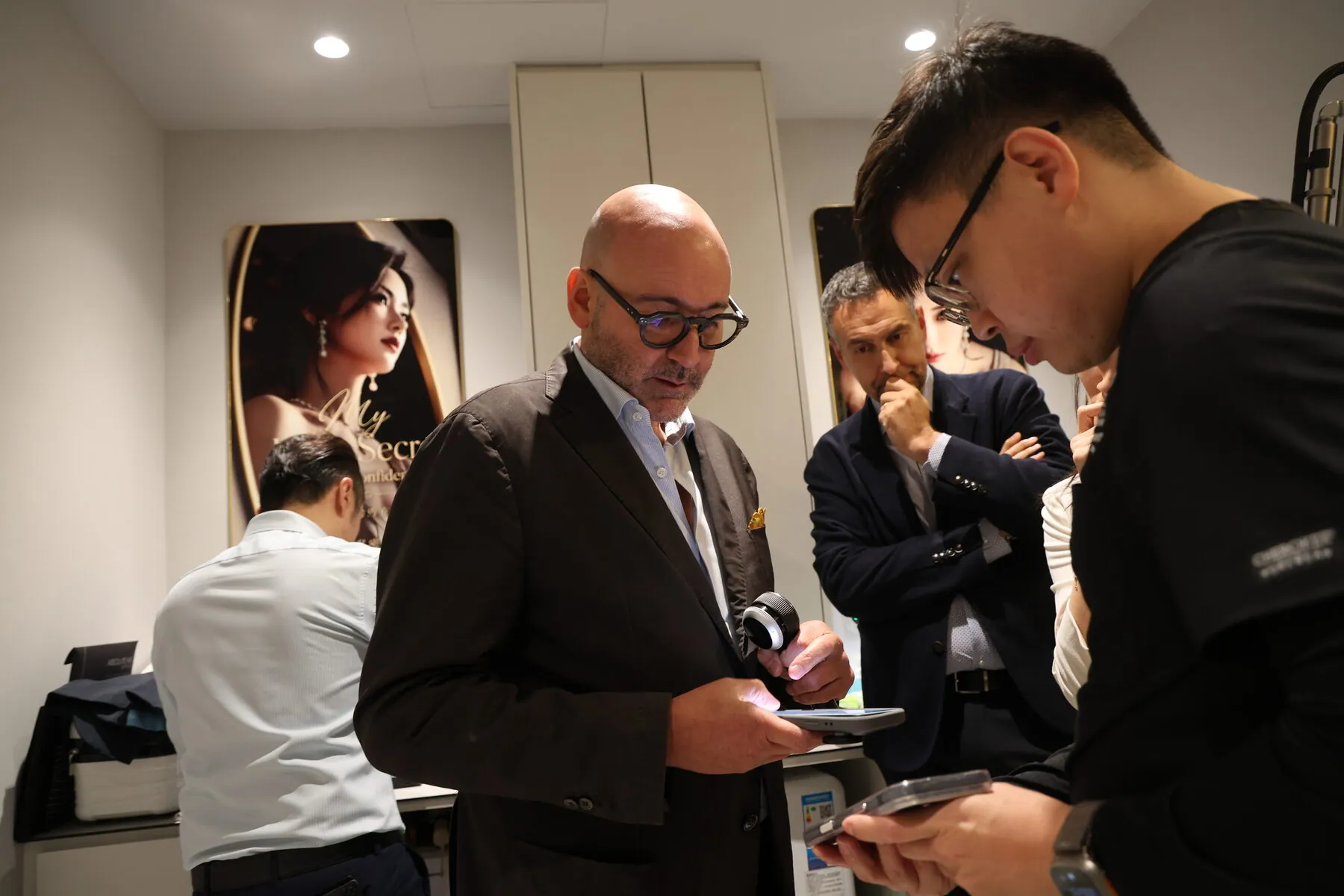
DEKA TORO laser handpiece reviewed at the DEKA Centre of Excellence, Singapore
Pico Laser · DEKA TORO Platform · Orchard Road, Singapore

T2 Frax Radiance Pico Laser — Tighten & Tone

A pico laser protocol built on the DEKA TORO platform. Two emission modes, two targets: picosecond delivery at 785 nm for tone and pigmentation, and a longer thermal pulse for tightening. Calibrated for Asian skin.
The Two Halves of the Name

Key facts
Platform
DEKA TORO, Q-switched Nd:YAG
Wavelengths
785 nm picosecond; 532 nm and 1064 nm nanosecond
Repetition rate
Up to 20 Hz
Tone mechanism
Photoacoustic — pigment fragmented mechanically, not thermally
Tighten mechanism
Thermal mode, longer pulse, dermal collagen response
Suited to
Fitzpatrick III–V, where thermal load risks post-inflammatory hyperpigmentation

Most pico laser protocols do one job. They act on pigment. That is what picosecond delivery is built for, and it is what patients usually arrive asking about.

T2 Frax Radiance is built around the observation that the platform it runs on can do something else as well — and that the two jobs are worth doing together rather than in separate appointments.

Tone is the pigment half. Tighten is the collagen half. They use different emission modes, work at different depths, and answer different complaints. The protocol is designed so that a single session can address both, with the balance between them set at consultation rather than fixed in advance.

Tone — What a Pico Laser Actually Does to Pigment

The mechanism is worth understanding, because everything clinical follows from it.

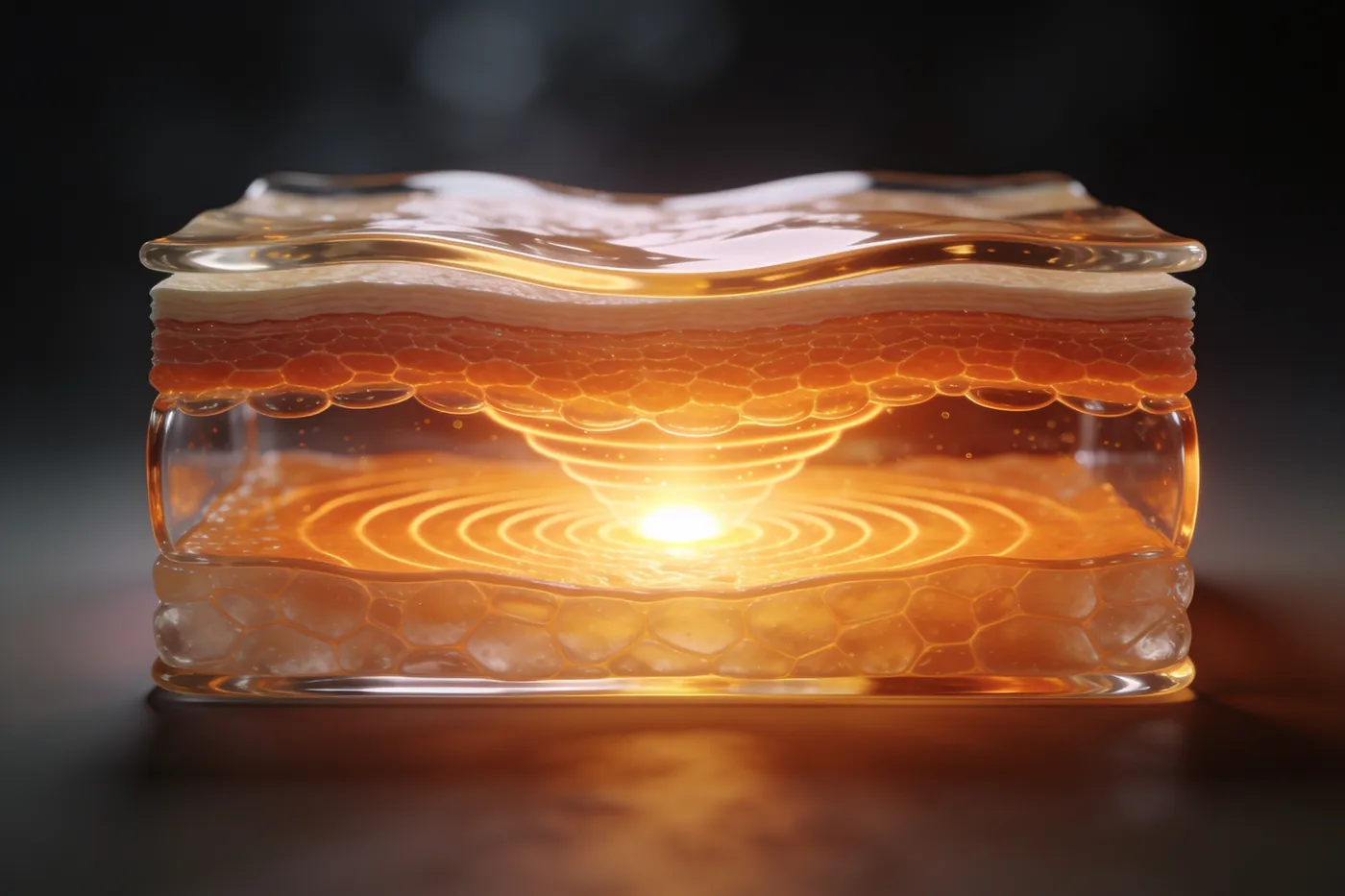
A picosecond pulse lasts a trillionth of a second. That is short enough that the pulse is finished before meaningful heat can conduct into the surrounding tissue. Instead of burning pigment, it generates a rapid pressure wave that fragments pigment particles mechanically — a photoacoustic effect rather than a photothermal one.

Why that matters here is specific to the skin in front of you. In Fitzpatrick III to V phototypes — the range most common in Singapore — there is more melanin available to absorb stray energy. Thermal load in that setting carries a real risk of post-inflammatory hyperpigmentation: the skin responding to injury by producing more of exactly the pigment you set out to reduce. A mechanism that does its work before heat has time to spread changes that calculation.

On the TORO platform the tone work is delivered at 785 nm in picosecond mode, a wavelength suited to both epidermal and dermal pigment. The platform also carries 532 nm and 1064 nm nanosecond emissions, which extend the range of what can be addressed.

What it is used for: sun-induced pigmentation, melasma, post-inflammatory change, and general unevenness of tone. What it is not: a single-pass erasure. Pigment sitting in the epidermis behaves quite differently from pigment in the dermis, and melasma behaves differently again.

“Depth is the variable that matters, not brightness.”

Dr Sin YongOn choosing between pico and CO2

Tighten — the Half Most Pico Protocols Leave Out

The same platform carries a thermal mode: a longer pulse duration, which behaves in an entirely different way from the picosecond emission.

Where the picosecond pulse avoids heat, the thermal pulse uses it deliberately. Controlled warming in the dermis provokes a collagen response — the tissue contracts under heat and then remodels over the weeks that follow. That is the tightening half of the protocol, and it addresses laxity and surface texture rather than colour.

Running both within one protocol has a practical logic to it. The complaints patients actually present with are rarely single. Someone troubled by uneven tone is frequently troubled by slackness and texture as well, and treating one while ignoring the other tends to produce a partial result that looks like nothing much has changed.

The Platform — DEKA TORO

T2 Frax Radiance runs on the DEKA TORO, a Q-switched Nd:YAG system from the Italian manufacturer DEKA. Dr Sin Yong is an International Key Opinion Leader for DEKA, and his practice is a certified DEKA Centre of Excellence.

The specifications that matter to the protocol:

  • Three wavelengths — 785 nm in the picosecond range, plus 532 nm and 1064 nm nanosecond emissions.
  • Picosecond and nanosecond in one system — the protocol can move between mechanisms within a session rather than being locked to one.
  • Thermal mode — a longer-duration pulse, which is what makes the tightening half possible on the same platform.
  • Repetition rate up to 20 Hz — a specification, not a promise. It governs how quickly pulses can be laid down over a treatment field.
  • Spot sizes from 2 mm to 6 mm, with a beam profile designed for even energy distribution across the spot.

DEKA states that the 785 nm picosecond emission was engineered particularly with Fitzpatrick III to V phototypes in mind, including Asian skin.

T2 Frax Radiance or R2 Glow?

Both protocols produce brighter skin. They arrive there by different routes, and the difference decides which one suits you.

T2 Frax Radiance targets pigment. Picosecond delivery fragments pigment particles that have already been deposited — it works downstream, on the deposit.

R2 Glow targets inflammation. Low-grade inflammatory activity stimulates melanocytes and produces background erythema; calming it removes a driver of dull, uneven tone. It works upstream, on the cause.

少女光 targets the collagen scaffold deeper again — at the reticular dermis — for redness, pores and laxity.

Which is right depends on whether what you are seeing is pigment that is present, pigment that keeps being produced, or a structural change in the dermis. In some presentations more than one applies. That is a question for examination, and they are not interchangeable.

Pico Laser, Q-Switched, or CO2?

Patients frequently arrive having read about several and wanting to know which is better. The more useful question is which mechanism suits which presentation.

  • Pico laser — picosecond pulses, photoacoustic. Pigment work, with the thermal risk profile that suits darker phototypes.
  • Q-switched nanosecond — the same photoacoustic principle over a longer pulse, carrying more heat alongside it. Still the right tool for certain pigment depths and tattoo work.
  • Fractional CO2 — ablative. It creates controlled columns of thermal injury so tissue remodels as it heals. Built for texture and scarring, not for pigment.

None of these replaces another. A considered plan may draw on more than one, and which applies to you is decided by examination rather than by preference for a device.

References

DEKA M.E.L.A. TORO product specifications — wavelengths, pulse modes and repetition rate. dekalaser.com

T2 Frax Radiance & Pico Laser — Frequently Asked Questions

A pico laser delivers pulses measured in picoseconds — trillionths of a second. Because the pulse is over before meaningful heat can spread into surrounding tissue, it acts on pigment photoacoustically: a rapid pressure wave fragments pigment particles mechanically rather than burning them. That distinction is what makes picosecond delivery suited to Asian skin, where thermal load carries a risk of post-inflammatory hyperpigmentation.

Tighten and Tone. The protocol uses two different emission modes on the same platform. Tone works on pigment through picosecond photoacoustic delivery. Tighten works through a longer thermal-mode pulse that stimulates dermal collagen. They address different targets at different depths.

The DEKA TORO. It is a Q-switched Nd:YAG system combining picosecond and nanosecond emissions across three wavelengths — 785 nm in the picosecond range, plus 532 nm and 1064 nm. It also carries a longer-duration thermal mode, and supports a repetition rate of up to 20 Hz.

785 nm in picosecond mode is well suited to epidermal and dermal pigment in Fitzpatrick III to V skin — the phototypes most common in Singapore. Most published laser parameters were developed on lighter skin, where there is less melanin available to absorb stray energy. At 785 nm with picosecond delivery, the risk of provoking the very pigment you set out to reduce is lower.

Both are Q-switched systems; the difference is pulse duration. Nanosecond pulses deliver more heat alongside the photoacoustic effect. Picosecond pulses are roughly a thousand times shorter, so proportionally more of the work is mechanical and less is thermal. The TORO platform carries both, which is why a protocol can move between them within one session rather than being locked to one.

On the tone side: epidermal and dermal pigmentation, melasma, sun-induced pigment and post-inflammatory change. On the tighten side: skin laxity and texture, through a collagen response. Which of the two dominates a given protocol depends on the presentation, and that is decided at consultation.

Melasma is among the presentations picosecond delivery is used for, but it is also the one that most rewards caution. It is a chronic, relapsing condition rather than a spot to be removed, and aggressive treatment can worsen it. Any melasma protocol is planned conservatively and assessed in person before anything is started.

Most patients describe a light snapping sensation. Tolerance varies between individuals and between areas of the face, and comfort is discussed and managed during the session. Eye protection is worn throughout.

The number of T2 Frax Radiance sessions varies with the presentation and cannot honestly be answered in advance. Pigment sitting in the epidermis behaves differently from pigment in the dermis, and melasma behaves differently again. A course is planned individually after in-person assessment rather than sold as a fixed package.

Suitability is assessed in person. Active infection or inflammation in the treatment area, photosensitising medication, recent sun exposure, pregnancy and certain medical conditions are among the things considered at assessment. No laser is appropriate for every patient or every presentation.

Explore Further

Related Pages

Speak With Dr Sin Yong

Consultations by appointment at Orchard Road, Singapore.

WhatsApp +65 8023 7170 →