Key facts
- How it works
- Picosecond pulses fragment ink; the immune system clears the particles between treatments
- What shapes the plan
- Ink colours, density, location, layering, scarring and skin type
- Colours
- Black and dark inks respond more readily; green and yellow tend to be more stubborn
- Planning
- Staged, with healing checked before each next treatment; no count is fixed in advance
- After treatment
- Redness, swelling, blistering and scabbing are common and are managed to limit scarring and pigment change
- Cosmetic tattoos
- Eyebrow and eyeliner pigments can darken; a small test area comes first
- Referral
- Small tattoos where excision may suit are referred to a plastic surgery specialist
How does laser tattoo removal work, and what does it not do?
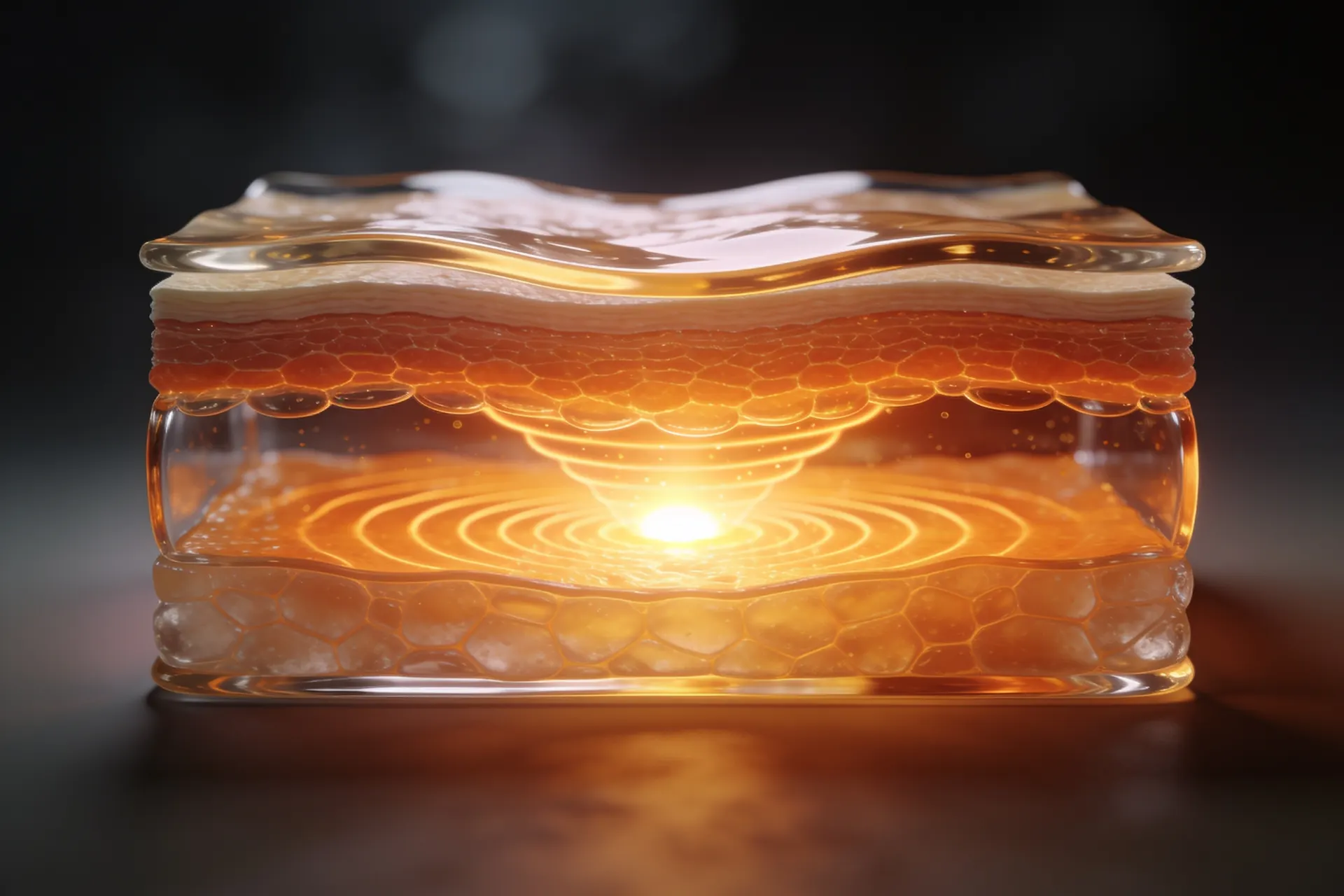
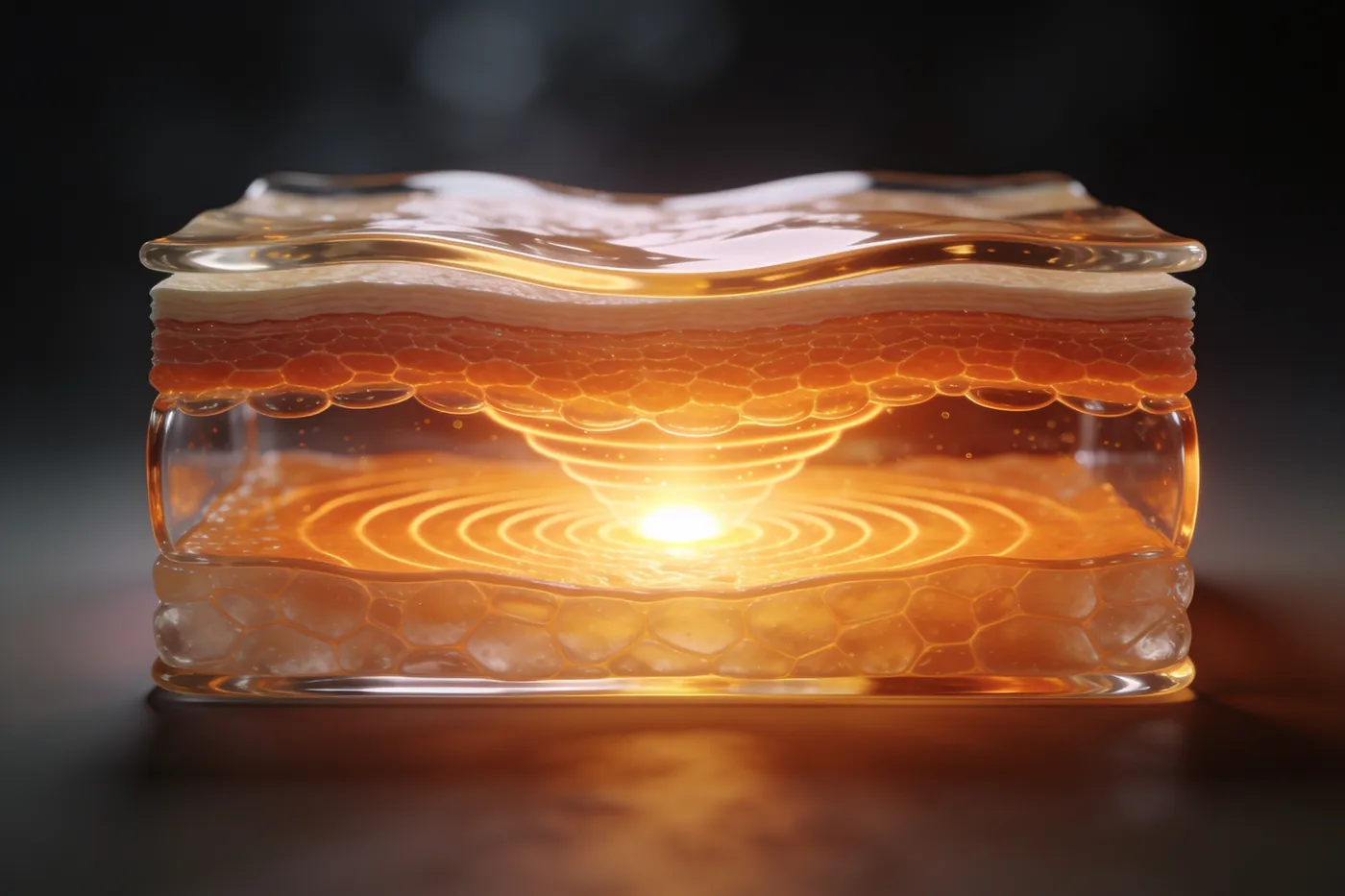
A tattoo is ink deposited in the dermis, in particles too large for the body to remove. A picosecond laser delivers very short pulses that fragment those particles, mainly by a pressure effect, and the immune system then carries the fragments away gradually between treatments. The laser does not lift ink out of the skin in one visit, and the interval between treatments matters because the skin has to heal and the body needs time to clear what has been broken up.
Picosecond pulses are shorter than the nanosecond pulses of a Q-switched laser, so the effect is less thermal and more photomechanical. That is relevant in skin that tends to react to heat. It does not make removal quicker to promise: dense professional ink, layered or scarred tattoos and bright colours remain the hardest cases for any laser, and complete clearance cannot be promised for any tattoo. Tattoo removal creams are not used here, because there is no reliable evidence that they remove ink from the dermis and some cause irritation or chemical injury.
Why is removal planned in stages, and what happens step by step?
Removal is staged because the body clears fragmented ink slowly and the skin must recover between treatments. Treating again before the skin has healed raises the risk of scarring and pigment change without clearing more ink. No number of treatments is fixed in advance, because it depends on ink colour, density, depth, location, layering and your skin; it is revised at each review, based on how the tattoo and the skin look.
The sequence is: a consultation and tattoo evaluation by Dr Sin Yong, covering ink colours, density, location, layering and skin type; a written plan and quote setting out wavelength, intervals and any test area; treatment, with eye protection and cooling or topical anaesthetic as planned; and a review to check healing before the next treatment is planned. You are not expected to be treated on the day of the consultation, and consent is taken with time to decide.
Aftercare is part of the treatment. Keep the area clean and covered as advised, leave blisters intact, do not pick scabs, avoid friction, soaking and heat, keep treated skin out of the sun and use broad-spectrum sunscreen once the skin has healed. Written aftercare is given on the day.
“The laser does not remove ink. It fractures the particles small enough for the immune system to carry away, which is why the interval between sessions matters as much as the device.”
Dr Sin YongOn what actually clears a tattoo
Which ink colours respond, and which wavelengths are used?
Ink colour decides the wavelength, because each colour absorbs light differently. As a general principle, black and dark blue absorb across a wide range and respond to the longer 1064 nm wavelength, which is also absorbed less by the melanin in skin and so suits darker skin tones. Red, orange and purple absorb the shorter 532 nm wavelength. Green and some blue inks need other wavelengths, and white and yellow are poorly absorbed by most, which is why they are the most difficult to clear.
Colour is only part of the picture. Depth, density and the amount of ink matter, and dense professional ink is among the hardest cases for any laser. Layered or cover-up tattoos can hold several pigments at different depths, and scarring from the original tattooing changes how the ink and the skin behave. This is why two tattoos of the same colour can need different plans, and why the evaluation looks at all of these before a wavelength is chosen.
The table sets out the general pattern. Which wavelength is used for each ink in a particular tattoo is decided at the evaluation, and a tattoo with several colours or with layered ink may need more than one. Cosmetic tattoos are a special case: eyebrow embroidery, eyeliner and lip blush often use iron oxide or titanium dioxide, which can turn darker or grey under laser, so a small test area is treated first and reviewed.
Ink colours and the wavelengths generally used| Ink colour | Wavelength generally used | What to expect |
|---|
| Black and dark blue | 1064 nm, also gentler on darker skin | Respond most readily; clearance cannot be promised |
| Red, orange, purple | 532 nm is absorbed by these colours | Red ink can provoke an allergic reaction as it is released |
| Green and some blue | Other wavelengths, such as around 755 nm | More stubborn than black; wavelength choice matters |
| Yellow and white | Poorly absorbed by most wavelengths | Most difficult to clear |
| Brown and flesh-tone cosmetic ink | Assessed cautiously, test area first | Iron oxide or titanium dioxide can darken or turn grey |
Does skin type matter, and can the skin darken or lighten?
Skin type matters a great deal, because the laser has to pass through the melanin in the epidermis to reach the ink. In medium and darker skin, including Fitzpatrick III to V, the treated area can temporarily darken, known as post-inflammatory hyperpigmentation, or lighten, known as hypopigmentation, and lightening can be slow to recover. Wavelength and energy are chosen with skin type in mind, and treating at a suitable level is generally more efficient than repeating treatment at settings that are too low to be useful.
Sun exposure on healing skin raises the risk of darkening, so protection is part of the plan. The post-inflammatory hyperpigmentation page explains why skin that is injured makes more pigment, and the laser toning page describes how pigment is managed in the same skin types. If the tattoo was raised or scarred when it was done, the laser cannot undo that, and it is assessed before treatment.
Who suits laser removal, who should wait and who is referred on?
Laser removal tends to suit professional or amateur body tattoos on intact, healthy, untanned skin, for people who understand that it is staged and that clearance cannot be promised. It also suits people who want an existing tattoo lightened before a cover-up design, which is done by a tattoo artist.
Some people do not want a tattoo gone but lighter, so that a new design can cover it. Fading before a cover-up is a planned, shorter course than removal, it does not aim to clear the tattoo, and the cover-up itself is done by a tattoo artist, not at this practice. The tattoo is still evaluated first, because the same factors of colour, density, location and skin type apply.
It is better to wait with pregnancy, broken or infected skin over the tattoo, or freshly tanned skin. Recent isotretinoin or photosensitising medicines, a tendency to keloid or hypertrophic scarring, and previous gold injections are reviewed before any treatment. Small tattoos where a linear scar is acceptable may be better removed surgically, and raised, scarred or keloid-prone tattoos are assessed first; where surgery is the right route you are referred to a plastic surgery specialist.
What are the risks, and when should you call?
Laser removal is a controlled injury, so some reaction follows every treatment: whitening, redness, swelling, pinpoint bleeding, blistering and scabbing. Scarring and pigment change are the risks most people ask about; scarring is uncommon when settings are appropriate and aftercare is followed, and it is more likely with picking blisters or scabs, infection, sun on healing skin and tattoos that were already raised. Broken blisters can become infected, and some inks, red pigments in particular, can provoke an allergic reaction as the laser releases them, usually local itching and swelling and, rarely, something more widespread.
Contact the clinic on +65 8023 7170 during clinic hours if blisters are broken and look infected, if crusts become thick, yellow or oozing, if pain, swelling or warmth are increasing, or if itching spreads beyond the tattoo. Swelling of the lips, tongue or throat with difficulty breathing is an emergency: go to A&E or call 995. Laser light can injure the eye, so protective eyewear is used, and the complication care page sets out when to seek urgent help.
What determines the fee for tattoo removal?
Singapore's rules prevent clinics from advertising prices, so this page gives no figures, and a number given before the tattoo has been seen would not mean anything. A written quote follows the evaluation. The factors are the size of the tattoo and its location, the colours and density of the ink, whether it is layered, scarred or cosmetic, which wavelengths are needed, and how the plan is staged.
Because the number of treatments cannot be fixed in advance, the quote is built around the plan and reviewed as treatment goes on. The how fees are quoted page explains what a written quote contains, and why a lower figure elsewhere may describe a different laser, fewer passes or a different plan.