Eyebrow embroidery removal Singapore: the short answer
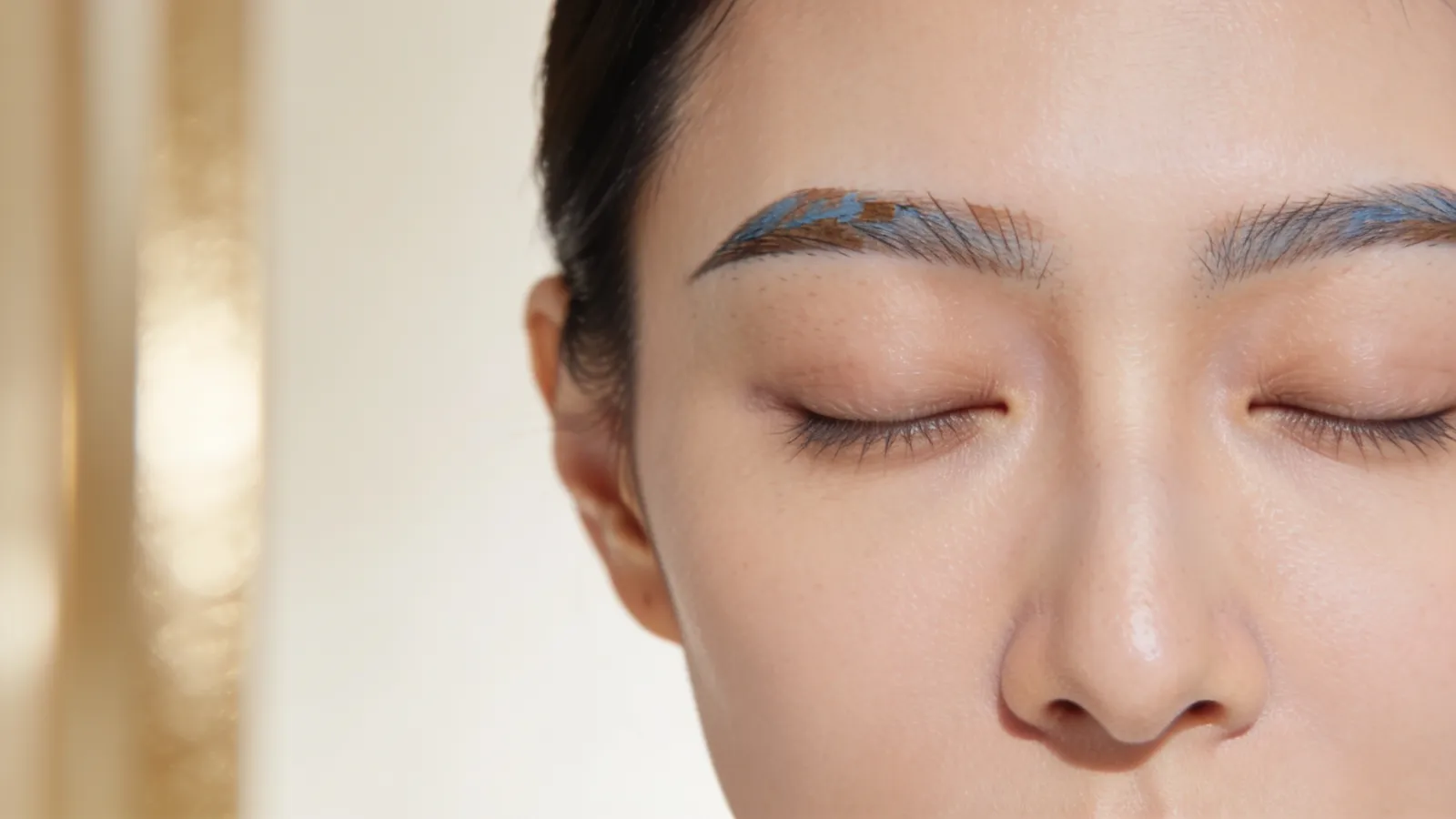
Eyebrow embroidery removal Singapore: brow pigment is faded in stages with laser, here as T2 Laser Tattoo Removal on the DEKA TORO. The wavelength is matched to the colour the brow has faded to, a small test area is treated and reviewed first because iron oxide pigments can darken, and the brow hairs and eyes are protected at every visit.
Published 29 October 2026 · Reviewed by Dr Sin Yong
Eyebrow embroidery removal in Singapore is the staged laser fading of cosmetic brow pigment, done here as T2 Laser Tattoo Removal on the DEKA TORO. The wavelength is matched to the colour the brow has faded to, a small test area is treated and reviewed first because some cosmetic pigments darken, and complete clearance cannot be promised.
Short answerEyebrow embroidery removal in Singapore is possible with laser in many cases, but cosmetic brow pigment is approached more cautiously than a body tattoo. Iron oxide and titanium dioxide can turn grey or darker under laser, so Dr Sin Yong treats a small test area and reviews it before planning the rest. Eye protection is used at every visit.
Eyebrow tattoo removal and eyebrow embroidery removal mean the same thing here. Whether a pico laser or another laser is used for eyebrow tattoo removal, a test area comes first.
What happens at your assessment
Dr Sin Yong examines you himselfHe looks at and feels the area, and goes through what was done and when.
You hear what he findsHe explains what has happened in the skin and tissue, in plain words.
You decideHe sets out the options: treat, monitor or leave alone. Nothing is done on the day unless you choose it.
Who you will see: Dr Sin Yong. He performs every assessment and treatment himself.
Eyebrow embroidery removal in Singapore: how the laser works on brow pigment
Eyebrow embroidery removal in Singapore usually means laser, because embroidery, microblading and machine brow tattoos all place pigment below the surface, in the dermis, where creams and scrubs cannot reach it. At this practice it is done as T2 Laser Tattoo Removal, Dr Sin Yong's staged tattoo-removal protocol on the DEKA TORO, in which the wavelength and pulse regime are matched to each colour of ink. The laser does not lift pigment out. Very short pulses fracture the pigment particles, and the immune system clears the fragments gradually between visits.
Side light shows the depth and shape of acne scars. Illustrative image, not a patient.
The DEKA TORO carries three emissions on one platform: 1064 nm and 532 nm in the nanosecond range, and 785 nm in the picosecond range. That matters for brows, because embroidered pigment rarely stays the colour it was on the day. Black and brown pigments can drift to grey or blue-grey as they age, warm pigments drift to red, orange or salmon, and some brows have been corrected with a lighter or flesh-toned pigment on top. Each of those absorbs light differently.
The sequence is the same as for any tattoo on the laser tattoo removal page, with more caution. Dr Sin Yong evaluates the brow in person, notes the colours, how dense and how deep the pigment sits, any earlier correction and your skin type, and gives you a written plan and quote. You are not treated on the consultation day. A test area comes first, healing is reviewed, and each next visit is planned from what the skin and the pigment show. Laser is used here rather than tattoo removal creams, and complete clearance cannot be promised for any brow.
Eyebrow tattoo removal: why cosmetic pigment can darken, and why a test area comes first
Eyebrow tattoo removal is not simply a smaller version of removing a body tattoo, because the pigments are different. Many cosmetic pigments are built on iron oxides, which give the browns, reds and yellows used to match hair and skin, and on titanium dioxide, a white pigment used to lighten a shade or to camouflage an earlier brow. Under laser, these can change colour instead of fading. Iron oxide can be converted to a darker, black form, and titanium dioxide can turn grey. This is called paradoxical darkening, and it was reported in cosmetic tattoos treated with pulsed lasers in the early 1990s.
Black ink responds to laser more readily than some colours. Illustrative image, not a patient.
Darkening can happen at the moment of treatment, and it cannot be predicted reliably from the colour you see. Two brows that look the same shade of brown can hold different pigment blends, and a brow that has been touched up several times may hold layers from different artists and brands.
That is why a small test area is treated first and reviewed once the skin has healed. The test shows how that pigment and that skin respond: whether the colour lightens, stays the same or darkens, and how the skin heals. The rest of the brow is planned after that. If a test area darkens, the darker pigment can sometimes be treated further as a dark ink, but that is decided at review and cannot be promised. Sometimes the honest result of a test is that laser is not the right route for that brow, and the plan says so.
What the evaluation records
The colours present now, not the colour the brow was when it was done
How many times it was redone, and whether a lighter or flesh-toned correction was placed over it
How dense and how deep the pigment sits, and whether the skin is scarred
Your skin type, and any history of darkening after an injury or an earlier laser
“A brow that has faded to orange is not the brow you had done. I treat the colour in front of me, and I test it first, because some cosmetic pigments darken before they fade.”
Eyebrow embroidery removal is offered in Singapore by doctors and by brow salons, and the methods work in very different ways. Laser fractures pigment where it sits in the dermis; the other methods either injure the skin so that pigment is shed with the scab, or cover the brow rather than remove it.
Method
How it works
Who performs it
Main drawbacks
Here?
Laser (T2 Laser Tattoo Removal on the DEKA TORO)
Short pulses at a wavelength matched to the faded brow colour fracture the pigment; the body clears it between visits
A doctor
Iron oxide and titanium dioxide can darken or turn grey, so a test area comes first; brow hairs can lighten
Yes, performed by Dr Sin Yong
Saline or non-laser removal
A salt-based solution is worked into the brow with a tattoo needle so that pigment lifts out with the scab
Usually a brow artist
Not selective for any colour; wounds the skin over the whole area, with a risk of scarring, texture change and patchy results
No; laser used instead
Remover creams and acids
Chemicals applied to the surface of the brow
Self-applied or salon
No reliable evidence that they reach pigment in the dermis; irritation and chemical burns that can scar
Not used
Camouflage with skin-toned pigment
A flesh-toned pigment is tattooed over the old brow to hide it
A brow artist
Hides rather than removes; titanium dioxide in the camouflage can turn grey under any later laser
Done by a brow artist; often assessed before laser
Excision
A small area of pigmented skin is cut out and closed
A plastic surgery specialist
Leaves a scar in the brow and can disturb brow hair; suits only a small, localised area
Referred where it suits
Is saline removal better than laser for eyebrow embroidery?
They are not two versions of the same thing. Saline removal wounds the brow skin so that pigment is lost with the scab, whatever its colour, and it is not designed to spare the skin. Laser targets the pigment itself with a wavelength chosen for the colour the brow has faded to, but cosmetic pigments can darken under laser, which is why a test area is treated and reviewed first. Whatever the route, the new brow is done by an embroidery specialist, not by a doctor.
Does laser eyebrow embroidery removal work? What a review of studies found
A 2023 review collected 11 studies of laser removal of cosmetic tattoos, with 129 patients treated for eyebrow pigment. It found picosecond Nd:YAG laser quicker and more effective than Q-switched Nd:YAG laser for eyebrow tattoos.
The review also addressed paradoxical darkening, where iron oxide or titanium dioxide pigments turn darker when struck by the laser. It found this less common with picosecond lasers than with Q-switched lasers. Ablative lasers do not target the pigment and do not carry this risk, and may be used as an add-on. Cosmetic pigment therefore behaves differently from body tattoo ink, which is why a small test area is sensible before a full brow.
Pico laser eyebrow tattoo removal: matching the wavelength to the faded colour
Pico laser eyebrow tattoo removal is a common search, but the pulse length is half of the choice. The other half is the wavelength, and on the DEKA TORO it is chosen from the colour the brow has faded to. The 785 nm emission is picosecond, and its US FDA clearance for tattoos covers green and blue inks in Fitzpatrick skin types II to IV. The 532 nm and 1064 nm emissions are Q-switched nanosecond, cleared for lighter ink colours and for dark inks respectively. In T2 Laser Tattoo Removal, each colour in the brow is matched to the emission that suits it, within one platform.
Scar type is identified before a method is chosen. Illustrative image, not a patient.
Faded brow colour
Usual pigment behind it
Emission generally considered
What to watch
Grey, blue-grey or black
Dark pigments that have aged in the skin
1064 nm nanosecond
Absorbed less by the melanin in skin, so it suits darker skin; a test area still comes first
Brown
Iron oxide blends
1064 nm nanosecond, after a test area
Iron oxide can darken before it lightens
Red, orange, pink or salmon
Warm iron oxides or red pigments
532 nm nanosecond
Prone to darkening; 532 nm is also absorbed by melanin, so skin type sets the energy
Blue or green tint
Blue or green pigment, or a cool corrector
785 nm picosecond
The FDA clearance for this use covers Fitzpatrick II to IV
Flesh, white or very light corrections
Titanium dioxide
Assessed case by case
Poorly absorbed and liable to turn grey; laser is sometimes not the route
A brow often holds two or three of these at once, for example a grey core with a red edge where a warm pigment was added later, and each part may need its own emission. Which wavelength is used, at what energy and with which spot, is decided by Dr Sin Yong at the evaluation and revisited at each review. The colour tattoo removal page sets out the same principle for body tattoos.
Eye safety and brow hair during eyebrow embroidery removal
Eyebrow embroidery removal is done close to the eye, and laser light can injure the eye, so eye protection is part of every visit. Protective eyewear is used, and where the treatment comes close to the eye, internal eye shields are placed. Dr Sin Yong decides which is needed from where the pigment sits. Eyeliner, covered below, sits closer still.
Black ink responds to laser more readily than some colours. Illustrative image, not a patient.
Most people feel each pulse as a sharp snap followed by heat, and a topical anaesthetic and cooling are used according to the area and your tolerance. Afterwards the brow can whiten briefly, then turn red and swollen, and pinpoint bleeding, small blisters and fine scabs can follow. Swelling around the eyes can look more marked than on an arm, because the tissue there is loose. Keep the area clean, leave scabs to come away on their own and keep it out of the sun, as set out in tattoo removal aftercare.
Brow hair
The hairs inside the brow sit in the path of the laser, and they can lighten or turn white after treatment. In a published series of eyebrow tattoos treated with a picosecond laser, this hair discolouration was reversible and hair loss was not reported. Hair change is still discussed with you as a known risk before treatment. If your own brow hair matters to you, say so at the evaluation, because it shapes the plan.
Eyeliner and lip blush tattoo removal: closer to the eye and the lip, so more caution
Eyeliner tattoo removal is approached with particular care. The pigment sits on or near the lash line, millimetres from the eye, so internal eye shields are placed before any treatment and settings are conservative. The lashes sit in the same field, and the eyelid skin is thin. Not every eyeliner tattoo is a laser case, and the evaluation decides whether it is reasonable to try at all. A small test area comes first, as with brows.
Lip blush tattoo removal raises the pigment problem in its strongest form. Lip blush is usually a red, pink or coral shade, often built on iron oxides and sometimes lightened with titanium dioxide, and these are the pigments most likely to darken under laser. A test area is treated and reviewed before anything more is planned. The lips also swell readily, and a history of cold sores is asked about, because laser on the lips can trigger an outbreak and this is planned for in advance.
For both, the questions are the same as for brows: what colour the pigment is now, how often it was redone, what your skin type is, and what you want at the end. Sometimes that is full removal; often it is lightening enough that the pigment stops showing through make-up. The tattoo removal suitability page explains who should wait before any cosmetic tattoo is treated.
Eyebrow embroidery, lip blush tattooing and scalp micropigmentation are done by an embroidery specialist, not by a doctor. Dr Sin Yong's part is the laser removal or correction.
Correcting a brow before re-embroidery
Many people asking about eyebrow embroidery removal do not want bare brows. They want a brow that was drawn too low, too thick, too arched or in the wrong colour corrected, so that a new one can be done. In that case the aim is often lightening rather than clearance: fading the pigment that sits outside the new shape, and taking the warm or grey cast out of the part that will be covered, so the new colour is not pulled towards red or blue by what lies underneath.
Skin quality is assessed in natural light. Illustrative image, not a patient.
That changes the plan. The evaluation looks at the shape you want next, and it helps to bring a sketch or a photo from your embroidery specialist. Treatment is aimed at the parts that matter for the new brow, with a test area first, and each visit is reviewed. The new embroidery itself is done by an embroidery specialist, not by a doctor; Dr Sin Yong's part is the laser removal or correction. Re-embroidery waits until the treated skin has healed completely and has been reviewed, because skin that is still healing should not be worked on again.
Fading for a new brow follows the same logic as fading a body tattoo for a cover-up, described on the tattoo removal page: a planned course that aims to lighten, not to clear. What sets the fee for either is on tattoo removal cost factors.
Who should wait, and when you are referred
Eyebrow embroidery removal waits if the brow was embroidered or touched up recently and is still healing, if the skin over it is broken, infected or inflamed, during pregnancy, and when the area is freshly tanned. Recent isotretinoin, photosensitising medicines and any history of gold injections are reviewed first. A tendency to keloid or raised scars is asked about, because laser removal is a controlled injury. In medium and darker skin, Fitzpatrick III to V, the treated area can darken or lighten after healing, and settings are chosen with that in mind; the laser for dark skin page explains why.
The plan follows what the skin shows on the day. Illustrative image, not a patient.
A mole or a changing spot within the brow is examined before any laser is planned, because laser over a lesion that needs a diagnosis removes the clue a doctor needs. If the test area darkens and does not respond, if the pigment is mainly a titanium dioxide camouflage, or if what you want cannot be reached with laser, the plan says so rather than continuing. Where another route suits better, such as surgical removal of a small area, you are referred to a plastic surgery specialist. Every treatment is performed by Dr Sin Yong after his evaluation, at a DEKA Centre of Excellence on Orchard Road, Singapore.
Your next step
1. MessageWhatsApp +65 8023 7170 with what is bothering you. A reply comes from the clinic, not a bot.
2. AssessmentDr Sin Yong examines you himself on Orchard Road, with ultrasound where earlier filler is involved.
3. A plan in writingWhat he would do, what he would not, the fee factors, and the option of no treatment.
Every treatment is performed by Dr Sin Yong personally. Singapore Medical Council registered · invited to share his clinical expertise internationally for CLASSYS, DEKA, Fotona, Hironic and Ilooda.
Bring a photo of the brow from when it was first done, and the name of the artist or pigment if you know it. How consultations work.
Eyebrow tattoo removal: what it is like and limits
What laser eyebrow removal feels like
Like quick snaps against the skin. Numbing cream reduces discomfort. Each session takes a few minutes.
Risks
Redness, swelling and crusting for a few days. Some cosmetic inks containing iron oxide or titanium can darken on first treatment, so a test spot may be done. The eyes are protected throughout.
If ink does not clear fully
Some light or skin-toned pigments resist laser. Options then include more sessions, a different wavelength or covering with new embroidery.
Microblading, powder brows and lip blush: what can be removed
Microblading versus powder brows
Microblading places pigment in fine strokes; powder or ombré brows shade pigment more densely. Both can be lasered, but dense powder brows and repeated touch-ups usually need more sessions.
Why brow pigment turns red, grey or blue
Cosmetic pigments are mixtures. As the brown or black part fades, red, orange or grey-blue components can be left behind. Some iron oxide or titanium pigments darken when lasered, so a test area is done first.
Lip blush removal
Lip blush can also be lasered, but lip pigments often contain more red and white, which respond less predictably. The lips heal quickly, but swelling and cold sores need care, and antiviral cover may be advised.
Saline or non-laser lightening draws pigment out by creating a wound, and results vary. Laser breaks pigment so the body clears it. Some people use both, but a medical assessment first reduces the risk of scarring.
It feels like quick snaps with heat for a few seconds. Numbing cream is used, and each brow takes only minutes.
Laser for ink usually does not cause lasting hair loss, though some temporary thinning can occur.
Yes, when done carefully by a doctor with eye protection and settings matched to the ink. Some cosmetic inks can change colour, so a small test spot may be done first.
A laser matched to the ink colour, spaced every 6 to 8 weeks, is the usual approach. Most brows need several sessions, depending on ink depth and colour.
Fading is seen in the weeks after each session as the body clears the ink. Several sessions, six to eight weeks apart, are usual, and some colours respond more slowly.
The ink colour and depth, how old the embroidery is, any earlier touch-ups or skin-coloured corrector ink, your skin type and any scarring. A test spot is done first, because some inks darken with the first laser pass.
Keep makeup off the brows until any scabs have come away by themselves, usually five to seven days. Makeup on the rest of the face can be worn the next day.
Redness, swelling and pinpoint bleeding for a day or two, and temporary whitening of brow hairs. Some inks, especially those containing iron oxide or titanium, can darken after the first session, so a test spot is done.
Most people have redness and mild swelling for one to three days and light scabbing for about a week. Keep the area dry and do not pick.
Often, but they are assessed more cautiously. Iron oxide and titanium dioxide pigments can darken or turn grey instead of fading, so a small test area is treated and reviewed first, and protective eyewear is used near the eye.
In Singapore, medical devices, which include most aesthetic lasers, energy devices and injectable fillers, must be registered with the Health Sciences Authority (HSA) before they can be supplied; only the lowest-risk class A devices are exempt. Ask which laser will be used and check it on HSA’s medical device register, and check that the clinic holds an MOH licence.
Yes, in practice. Embroidery, microblading and machine brow tattoos all place pigment in the dermis, so each is treated with laser, here as T2 Laser Tattoo Removal on the DEKA TORO. Cosmetic brow pigments can turn grey or darker under laser, so a small test area is treated and reviewed first, and eye protection is used at every visit. Complete clearance cannot be promised.
Often it can be faded, but the pulse length is half of the choice. On the DEKA TORO the 785 nm picosecond emission suits blue and green tints, while grey, brown and black tones usually suit 1064 nm and red or orange tones 532 nm, both nanosecond. A test area comes first because cosmetic pigment can darken, and complete clearance cannot be promised.
Hair loss is not expected, but brow hairs in the treated area can lighten or turn white. In a published series of eyebrow tattoos treated with a picosecond laser, this hair discolouration was reversible and hair loss was not reported. It is still discussed as a known risk before treatment, and if your own brow hair matters to you, the plan takes that into account.
Many cosmetic pigments contain iron oxide or titanium dioxide. Under laser, iron oxide can convert to a darker form and titanium dioxide can turn grey, so the brow darkens instead of fading. This is called paradoxical darkening, and it is the reason a test area comes first. Darkened pigment can sometimes be treated further as a dark ink, but that is decided at review.
No number can be given in advance. It depends on the colours present, how dense and deep the pigment is, whether the brow was redone or corrected, how the test area responds and your skin type. Healing is reviewed before each next visit, the plan is revised as it goes, and complete clearance cannot be promised for any brow.
Yes, many people have the old brow lightened so that a new one can be drawn. The new embroidery is done by an embroidery specialist, not by a doctor, and it waits until the treated skin has healed completely and has been reviewed. Bring the shape you want next to the evaluation, because it tells Dr Sin Yong which parts of the old brow matter most.
Sometimes, and with more caution than brows. Eyeliner sits millimetres from the eye, so internal eye shields are placed and settings are conservative. Lip blush pigments are often warm iron oxides that are prone to darkening. Both start with a test area and a review, and the evaluation may conclude that laser is not the right route for that tattoo.
Pico laser eyebrow tattoo removal targets the pigment and spares the hair when the energy is set correctly, though brow hairs may lighten temporarily. Dr Sin Yong tests a small area first because brow pigments can darken before they lighten.
Most people describe a sharp snapping sensation for a few seconds over each brow. Numbing cream is applied beforehand and each pulse is brief; the brow may feel warm and look red or slightly swollen for a day or two. Protective eye shields are worn throughout the session.
The number of sessions the pigment needs, which depends on its colour, depth and whether it darkens on the test area; whether one brow or both are treated; and the review visits between sessions. A written quote follows the examination and test spot, so no figure is given before the brow has been seen.
Most people describe a hot snap, like an elastic band, over a few seconds per brow. Numbing cream is applied beforehand, and cold air cooling is used during the passes. The brow is tender and slightly swollen for a day or two, then forms a fine crust that must not be picked. Discomfort is brief because the treated area is small; what takes time is the gap of several weeks between visits while the pigment clears.
They do different things. Saline and RF pulse methods, offered by brow salons, open the skin and draw pigment out through the surface, which suits fresh or shallow pigment but involves scabbing over the whole brow and a risk of texture change. Laser breaks the pigment where it sits and lets the body clear it, sparing the hairs, but some cosmetic pigments darken, which is why a test area is treated first. Dr Sin Yong examines the brow and says which route fits.
Yes. Lightening old or misplaced ink first gives a cleaner base for a new design.
Picosecond or Q-switched lasers matched to the ink colour.
References
DEKA TORO 510(k) premarket notification K240752 (indications for use by wavelength). US Food and Drug Administration 510(k) database, 2024. source
Cosmetic tattoo ink darkening. A complication of Q-switched and pulsed-laser treatment. Archives of Dermatology 129(8), 1993. source
Laser Removal of Cosmetic Eyebrow Tattoos with a Picosecond Laser. Dermato 3(3), 2023. source
Geisler AN, Eber A, Kim K, Arndt KA. Lasers for the treatment of eyebrow microblading and cosmetic tattoo pigment: a review of the literature. Lasers in Medical Science, 2023. doi.org
McIlwee BE, Alster TS. Treatment of Cosmetic Tattoos: A Review and Case Analysis. Dermatologic Surgery, 2018. doi.org
About this page: written and medically reviewed by Dr Sin Yong, MBBS (NUS), MRCS (Edinburgh) · Last reviewed 6 November 2026 · Illustrative images only, not patients · Editorial policy