Acne scar laser treatment in Singapore: which laser, for which scar
Medically reviewed by Dr Sin Yong · Last reviewed · 9 min read
Published 13 October 2026 · Reviewed by Dr Sin Yong
Acne scar laser treatment Singapore searches usually assume there is one acne laser; there are three kinds, and they do three different jobs. Dr Sin Yong uses two protocols of his own: FSX Laser, a surface-directed non-ablative protocol for superficial scars, and the S3 Resurfacing Lift, multi-depth fractional CO2 for deep ice-pick and boxcar scars. Picosecond and other non-ablative lasers sit alongside them for flat marks and fine texture. The scar, graded at assessment, decides which is used.
Short answerDepth decides between the two lasers: FSX Laser for superficial scars, with a shorter recovery than S3, and the S3 Resurfacing Lift for deep ice-pick and boxcar scars. Picosecond and non-ablative lasers treat the brown or red marks around scars and fine texture rather than depth. No laser releases a tethered rolling scar; that is a subcision question, which is why laser is one chapter of the acne scar treatment Singapore guide rather than the whole of it.
Dr Sin Yong’s combination protocol: 1540 nm erbium glass reaches the dermis for collagen work, 1927 nm thulium acts more superficially on pigment and texture; non-ablative, surface intact
S3 Resurfacing Lift
Multi-depth fractional CO2 (10,600 nm) on the DEKA Tetra Pro: point shots into individual scar pits first, then fractional passes across the surrounding skin
Picosecond laser
Fragments pigment mainly by a pressure effect; fractional picosecond prompts fine dermal remodelling. For marks and fine texture, not for depth
Depth decides
FSX Laser for superficial scars, with a shorter recovery than S3; S3 Resurfacing Lift for deep ice-pick and boxcar scars
Skin type
Fitzpatrick III to V predominate in Singapore; ablative resurfacing carries a higher post-inflammatory pigment risk, so density, depth and spacing are set around it
Not a laser job
Tethers (subcision), narrow ice-pick floors (TCA CROSS), lost volume (Radiesse support) and raised scars (intralesional injection)
LookalikesOften confused with a laser question: a tethered rolling scar that flattens when the skin is stretched is held down from beneath and is released by subcision, while an ice-pick or boxcar pit that stays open is a resurfacing question. subcision for tethered scars.
Acne scar laser treatment Singapore: three kinds of laser, three jobs
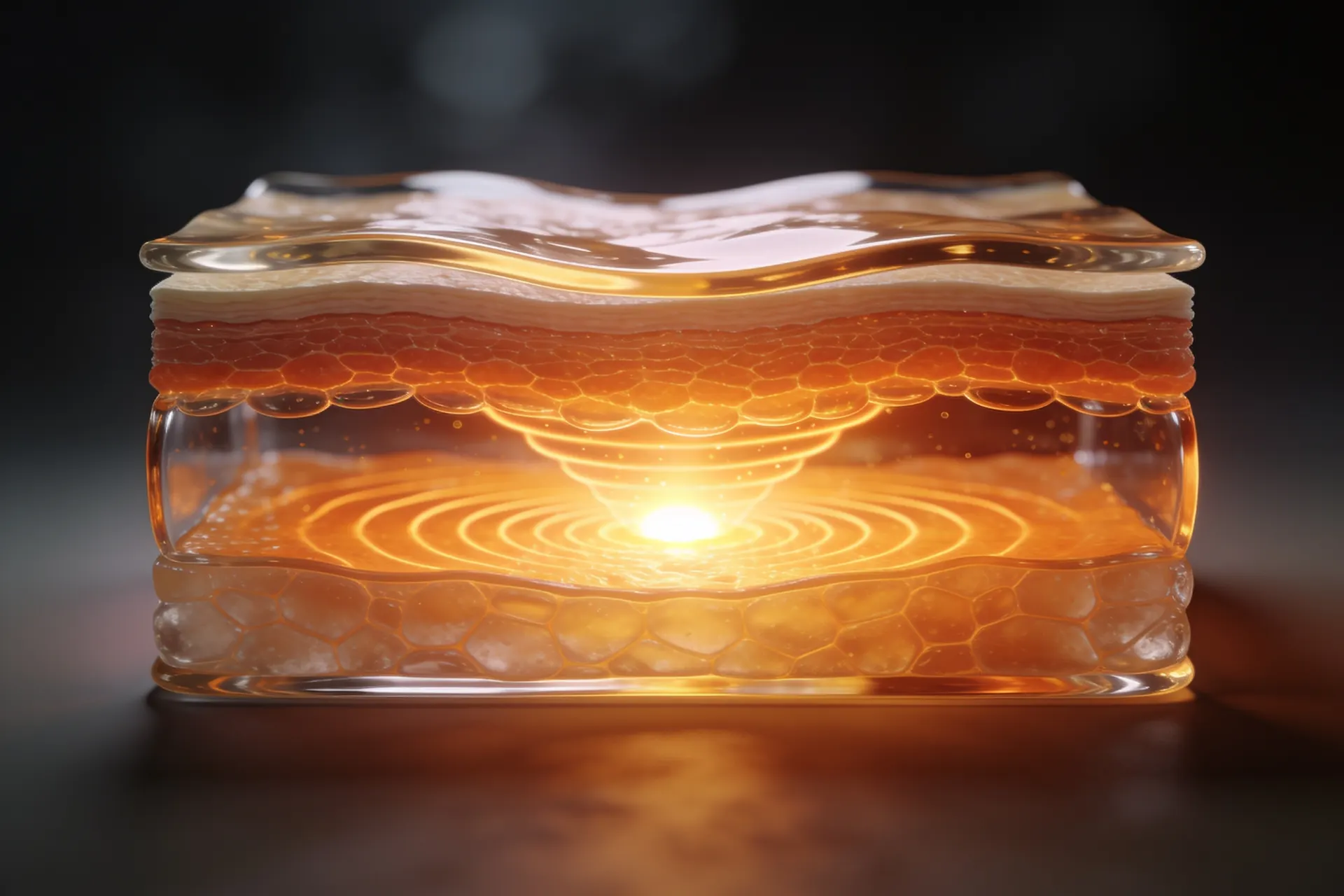
A laser treats tissue by being absorbed by something in it. For acne scars the useful target is water in the dermis, and the three laser families differ in how much of that tissue they remove and how deep they reach (Alexiades-Armenakas 2008). Ablative lasers vaporise tissue; fractional ablative lasers vaporise it in microscopic columns and leave intact skin between them, so the surface heals from the bridges. Non-ablative fractional lasers heat columns of dermis without removing the surface. Picosecond lasers are different again: their very short pulses act mainly on pigment by a pressure effect, and in fractional mode they prompt fine remodelling near the surface. In Dr Sin Yong’s practice those three families map onto the S3 Resurfacing Lift, FSX Laser and the picosecond protocols used for post-acne marks. The acne scar treatment Singapore guide sets out where each sits in the full sequence; this page is about the lasers alone.
FSX Laser: the surface-directed option
FSX Laser is Dr Sin Yong’s combination laser protocol using 1540 nm erbium glass and 1927 nm thulium wavelengths. The 1540 nm wavelength reaches the dermis for collagen work; 1927 nm is absorbed more superficially, where pigment and surface texture sit. Neither removes the skin surface. For acne scars it is directed at superficial scars: shallow boxcar scars, fine textural scarring and the post-acne marks that often sit between scars. Its place in the plan comes from recovery: redness that settles, occasionally fine scabbing in treated zones that is left to shed, rather than the open healing phase that follows fractional CO2. Settings are adjusted for darker skin types, including Fitzpatrick V and VI, after assessment. What it cannot do is reach a deep scar floor or release a tether, so a deep boxcar or an ice-pick pit is assigned elsewhere.
S3 Resurfacing Lift: fractional CO2 at several depths
The S3 Resurfacing Lift runs on the DEKA Tetra Pro, a fractional CO2 laser at 10,600 nm, and is the protocol Dr Sin Yong uses most for acne scars. Rather than a uniform pass across the cheek, he places precision point-shot ablations into individual scar pits first, then applies fractional passes across the surrounding skin, so pits are treated at depth before the skin around them is resurfaced. Fractional delivery lets density and depth be set separately: dense, deep columns where scars sit, lighter passes between them. It is the choice for deep ice-pick and boxcar scars and for scars that plateaued after earlier CO2 or RF microneedling. The cost of that reach is recovery: redness, swelling and fine crusting while the channels close, with strict sun protection afterwards. Local anaesthetic is applied beforehand. Depth decides between the two lasers: FSX Laser for superficial scars, with a shorter recovery than S3, and the S3 Resurfacing Lift for deep ice-pick and boxcar scars.
Side light is how scars are read at assessment: a depression throws a shadow, and the shadow’s shape tells the depth.
Picosecond and other non-ablative lasers: marks, not depth
Many people searching for acne scar laser treatment are really looking at flat brown or red marks, which are pigment and vessel problems rather than scars. Resurfacing them can deepen pigment. Dr Sin Yong treats post-inflammatory pigment with picosecond work at 785 nm, part of his R2T2 protocol on the DEKA TORO, and post-inflammatory redness within the FSX protocol or with vascular settings. Fractional picosecond also suits shallow texture in pigment-prone skin, because it leaves the surface intact. What none of these does is change the depth of a pit or lift a tethered valley; a face with both marks and depressions has colour and contour planned separately, as the post-inflammatory hyperpigmentation page explains.
Which scar suits which laser
The classification most clinicians use divides depressed acne scars into ice-pick, boxcar and rolling types (Jacob 2001), and most faces carry more than one. The table is the reading aid Dr Sin Yong uses when a patient asks which laser; the answer is usually that the lasers are assigned scar by scar, not face by face.
Acne scar lasers matched to scar type
Scar or mark
Laser used
Why
What else is needed
Shallow boxcar, fine textural scarring
FSX Laser
Non-ablative columns remodel the upper dermis; shorter recovery than S3
Usually nothing else; pigment pass if marks coexist
Deep boxcar
S3 Resurfacing Lift
Ablative columns reach the scar floor and soften steep walls
TCA CROSS at narrow edges; punch technique for isolated very deep scars (referred)
Ice-pick
S3 point shots after TCA CROSS
The pit floor is treated first; the laser evens the surface around it
TCA CROSS into each pit comes first
Rolling, tethered
S3 or Secret DUO after release
Energy remodels skin in whatever position it finds it
Subcision first; Radiesse support where volume is lost
Flat brown marks (PIH)
Picosecond 785 nm
Pigment, not texture; resurfacing can deepen it
Daily sun protection; topical care
Flat red marks (PIE)
FSX Laser or vascular settings
Dilated vessels, not lost tissue
Time; acne control
Raised hypertrophic or keloid
No resurfacing laser
Over-healed tissue; ablation is the wrong direction
Intralesional injection; vascular laser for redness
The PIH question in Fitzpatrick III to V skin
Most skin treated in Singapore is Fitzpatrick III to V, and in that skin inflammation reliably leaves pigment behind. Fractional CO2 produces more textural change per session than non-ablative fractional laser, at the price of longer recovery and a higher pigment risk in darker phototypes (Alexiades-Armenakas 2008). That trade is why the S3 protocol is calibrated to limit thermal spread, why point shots are kept to the pits and fractional passes set less densely, and why the interval between stages is set by healing rather than by a calendar. It is also why FSX Laser, with its intact surface, is the first choice where the scars are shallow enough for it, and why a fresh tan, recent isotretinoin or a history of marks darkening after inflammation changes the plan. Sun protection after any of these lasers is part of the treatment rather than an extra. Risks are set out plainly at consultation: prolonged redness, pigment change, infection, a cold sore flare and, rarely, a new scar. Responses vary between individuals and no outcome is promised.
What no laser can do
A laser works from the surface down. A rolling scar is held down by a fibrous band in the subcutaneous plane, below the depth at which resurfacing energy acts, so lasering it polishes a dimple that is still being pulled down; release by subcision comes first (Orentreich 1995). An ice-pick scar is a well deeper than it is wide, and no column from above reaches its floor the way TCA CROSS placed into the pit does. A scar sitting over lost volume stays shadowed until the deficit is supported. Raised scars should not be resurfaced at all. This is the logic behind 4D Scar Reconstruction: release, support, then resurface. Where the plan calls for RF microneedling instead of or alongside laser, the Secret DUO delivers bipolar radiofrequency through insulated microneedles with the surface spared, which is why it is often preferred in Fitzpatrick IV to VI skin (Syder 2023). Who decides all this, and what to check about them, is on the who treats acne scars in Singapore page; the full map of every acne and scar guide on this site is one click away.
“No laser cuts a tether and no laser climbs down an ice-pick well. Ask which scar the laser is for before you ask which laser.”
Dr Sin YongOn acne scar lasers
Dr Sin Yong explains
I am asked for “the laser for acne scars” most weeks, and I understand why: it is easier to shop for a machine than for a diagnosis. In my clinic the laser is the last thing chosen. I grade each scar under side light with the skin stretched, decide which ones are tethered, which are narrow wells, which are shallow dishes and which are flat marks, and only then assign a tool to each. Two of those tools are lasers I developed protocols for: FSX Laser where the scar is superficial and a shorter recovery than S3 matters, and the S3 Resurfacing Lift where the scar is deep. The rest of the work is not laser work at all. If someone offers you one laser for everything on your cheek, they have not looked closely enough.
Your next step
1. MessageWhatsApp +65 8023 7170 with what is bothering you. A reply comes from the clinic, not a bot.
2. AssessmentDr Sin Yong examines you himself on Orchard Road, with ultrasound where earlier filler is involved.
3. A plan in writingWhat he would do, what he would not, the fee factors, and the option of no treatment.
Every treatment is performed by Dr Sin Yong personally. Singapore Medical Council registered · invited to share his clinical expertise internationally as a Key Opinion Leader for CLASSYS, DEKA, Fotona, HIRONIC and ILOODA · HSA-registered devices · ultrasound-guided correction
No single laser is right for every scar, because ice-pick, boxcar and rolling scars are different structures. Dr Sin Yong uses FSX Laser for superficial scars, where its shorter recovery than S3 matters, and the S3 Resurfacing Lift, multi-depth fractional CO2 on the DEKA Tetra Pro, for deep ice-pick and boxcar scars. Flat marks are treated with picosecond or vascular settings. Depth, graded at assessment, decides.
It is used routinely in Fitzpatrick III to V skin, but the risk of post-inflammatory hyperpigmentation is higher than in lighter skin, so settings cannot be copied from other populations. Dr Sin Yong keeps point shots to the scar pits, sets fractional passes less densely, spaces stages by healing and makes sun protection part of the plan. A fresh tan or recent isotretinoin defers treatment.
Not on its own. A rolling scar is held down by a fibrous band beneath the dermis, below the depth a laser reaches, so resurfacing a tethered scar polishes a dimple that is still being pulled down. Subcision releases the band first; the S3 Resurfacing Lift or Secret DUO then works on the surface that remains.
FSX Laser is non-ablative: 1540 nm erbium glass and 1927 nm thulium heat columns of dermis and act on surface pigment while the skin stays intact, so recovery is shorter than S3. The S3 Resurfacing Lift is ablative fractional CO2 at 10,600 nm that vaporises columns to reach a deep scar floor, with redness, swelling and crusting while it heals. Superficial scars suit FSX; deep ice-pick and boxcar scars need S3.
Picosecond laser treats the flat brown marks left after acne, which are pigment rather than scars, and in fractional mode it can refine fine texture in pigment-prone skin. It does not change the depth of a pit or release a tethered scar. Dr Sin Yong uses 785 nm picosecond work for post-inflammatory pigment alongside, not instead of, scar treatment.
It depends on the laser. After FSX Laser expect redness that settles over days, occasionally fine scabbing that is left to shed. After the S3 Resurfacing Lift expect redness, swelling and fine crusting while the microscopic channels close, with strict sun protection afterwards. Recovery varies with settings, area and the person, and is discussed before treatment.
References
Alexiades-Armenakas MR, Dover JS, Arndt KA. The spectrum of laser skin resurfacing: nonablative, fractional, and ablative laser resurfacing. J Am Acad Dermatol. 2008;58(5):719-737. doi:10.1016/j.jaad.2008.01.003. source
Jacob CI, Dover JS, Kaminer MS. Acne scarring: a classification system and review of treatment options. J Am Acad Dermatol. 2001;45(1):109-117. doi:10.1067/mjd.2001.113451. source
Orentreich DS, Orentreich N. Subcutaneous incisionless (subcision) surgery for the correction of depressed scars and wrinkles. Dermatol Surg. 1995;21(6):543-549. doi:10.1111/j.1524-4725.1995.tb00259.x. source
Syder NC, Chen A, Elbuluk N. Radiofrequency and radiofrequency microneedling in skin of color: a review of usage, safety, and efficacy. Dermatol Surg. 2023;49:489. doi:10.1097/DSS.0000000000003733 (PMID 36826381). source
US FDA 510(k) summary K202043 — Secret DUO (ILOODA Co., Ltd.), 2021. source