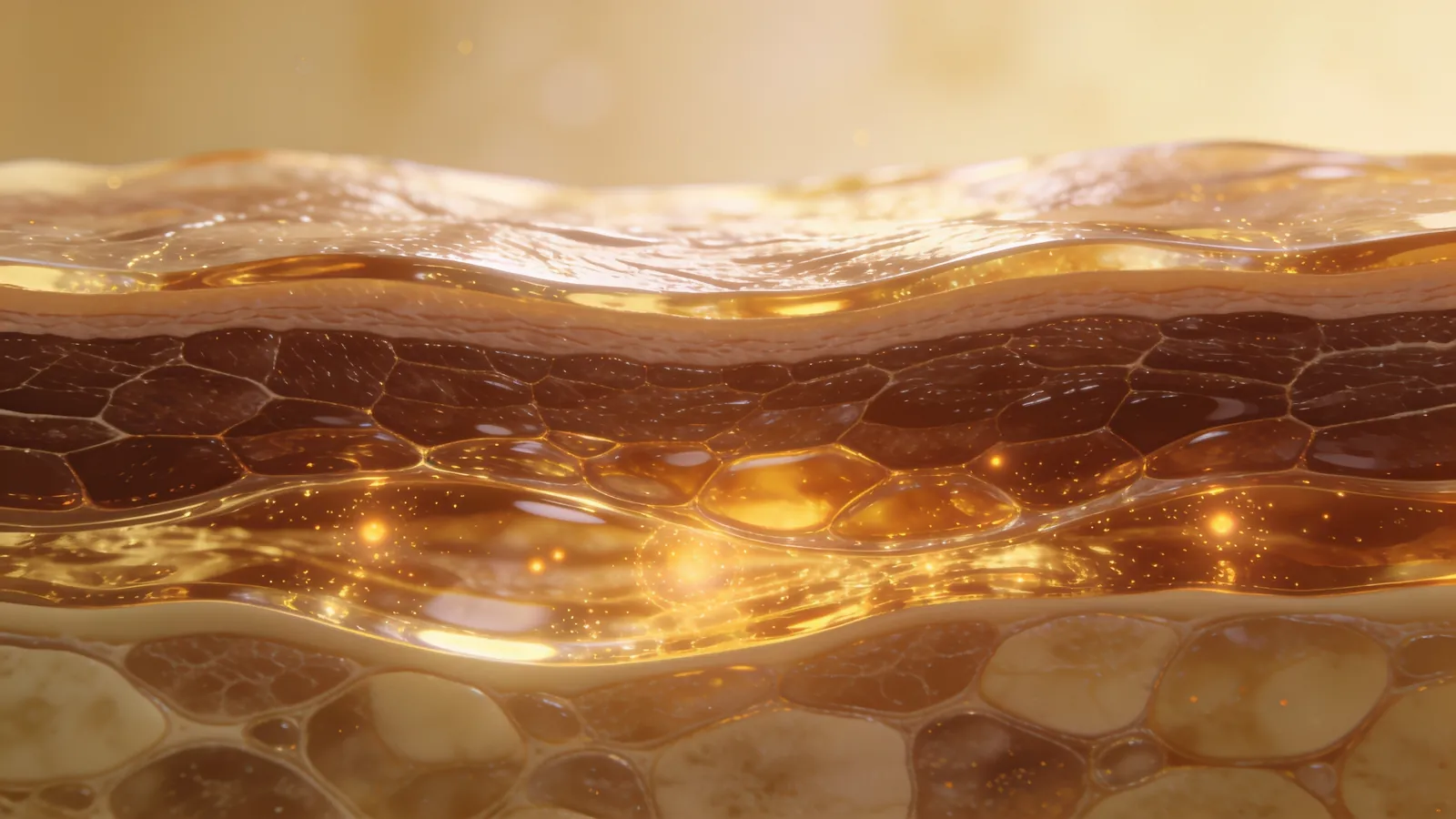
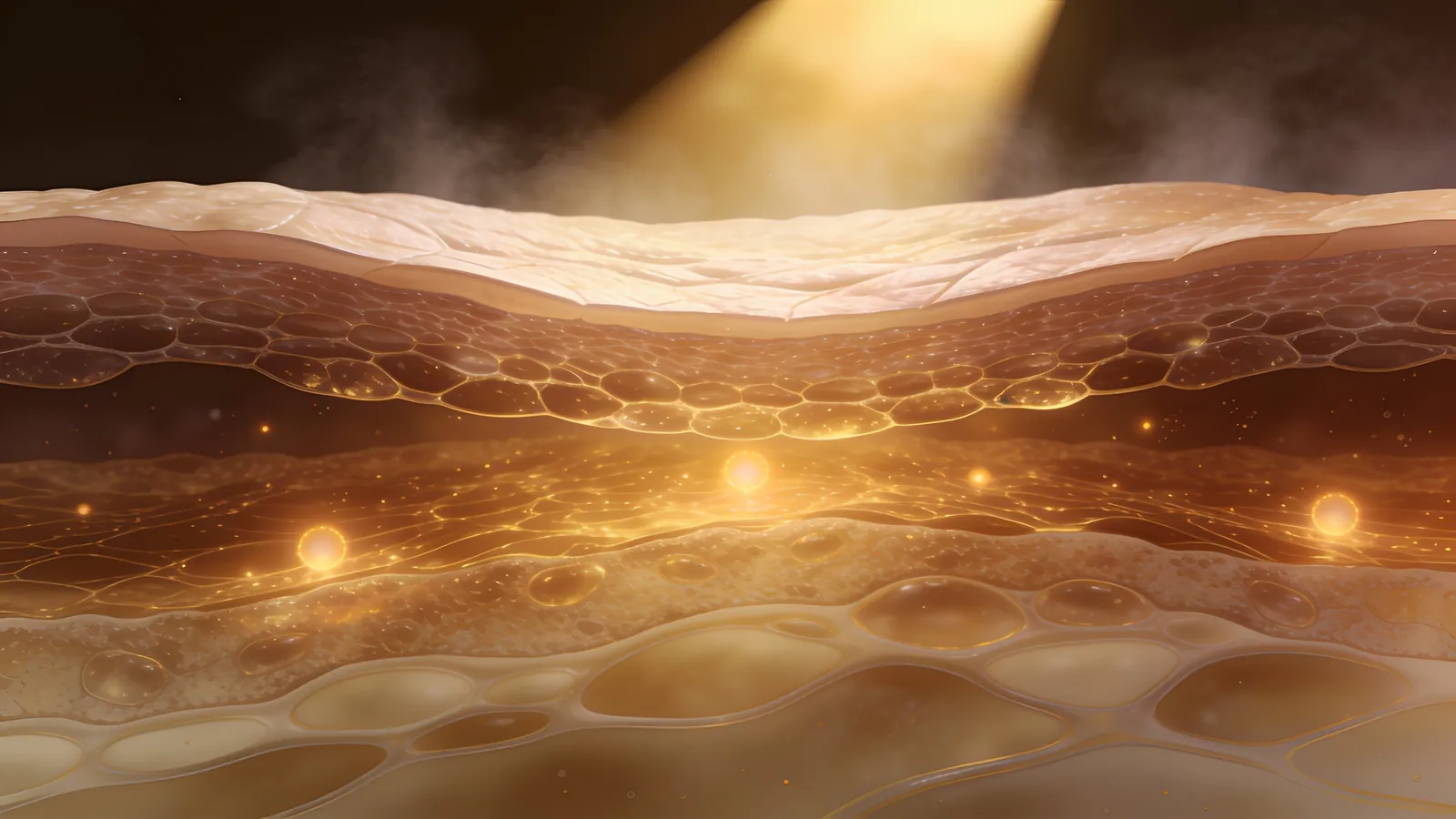
Fraxel is a brand of non-ablative fractional laser that heats microscopic columns of skin beneath an intact surface, while a fractional CO2 laser such as the DEKA SmartXide Tetra Pro vaporises those columns, surface included. That difference shapes depth of effect, recovery and pigment risk in Asian skin, so the choice follows scar type and skin type.
Key facts
- Fraxel
- A brand of non-ablative fractional laser, typically 1550 nm erbium, with a 1927 nm thulium option on dual models
- Fractional CO2
- Ablative 10,600 nm laser that vaporises microscopic columns of skin, surface included
- Tetra Pro
- DEKA SmartXide Tetra Pro fractional CO2 platform with pulse-shape control, used for the S3 Resurfacing Lift
- Shared principle
- Fractional photothermolysis: treated columns separated by untreated skin, from which healing proceeds
- Key difference
- Whether the surface is removed, which shapes depth of effect, recovery and pigment risk
- Asian skin
- Post-inflammatory hyperpigmentation risk rises with heat and ablation, so settings follow Fitzpatrick type
- Decided by
- Scar type and depth, skin type, pigment history and how much recovery time is realistic
What is Fraxel, and is it a CO2 laser?
Fraxel is a device brand rather than a type of treatment, and in everyday use it refers to non-ablative fractional lasers. The original wavelength is around 1550 nm, absorbed by water in the dermis; dual models add a 1927 nm thulium wavelength that acts more superficially, where fine pigment and surface texture sit. Neither removes the skin surface. Each pulse heats a grid of narrow columns, the epidermis stays largely intact, and collagen remodels around the heated zones.
The idea behind it, fractional photothermolysis, was described in 2004 by Manstein and colleagues using a prototype at about 1.5 µm: deliver heat in microscopic treatment zones separated by untreated skin, so that healing proceeds from the bridges in between. That principle now underpins most fractional lasers, ablative and non-ablative alike.
The brand name has also been attached to an ablative fractional CO2 model, which is one reason the word alone can mislead. When a clinic says Fraxel, it is reasonable to ask which wavelength is meant and whether the surface is removed. Those two answers say more about what to expect than the name does.
How does a fractional CO2 laser differ from non-ablative Fraxel?
A fractional CO2 laser removes tissue; a non-ablative laser only heats it. At 10,600 nm, CO2 energy is absorbed so strongly by water that each column of skin is vaporised, leaving a microscopic open channel surrounded by a rim of coagulated tissue. That rim of heat drives contraction and a strong collagen response, and the open channel is what allows the edge of a scar to be physically remodelled.
Non-ablative 1550 nm energy creates columns of coagulation beneath an intact surface. There is no open wound to heal, so recovery is generally shorter, but the effect on a deep, sharp-walled scar is correspondingly gentler. Non-ablative treatment is usually planned as a series of smaller steps; ablative treatment is a larger step with a longer pause afterwards.
Both are fractional. The difference that matters is not the grid pattern but what happens inside each column: heating in one case, removal and heating in the other.
“Resurfacing parameters do not transfer between skin types. A setting validated on lighter skin is a starting point in Asia, not an answer.”
Dr Sin YongOn why published laser settings are only a starting point
Where does the DEKA Tetra Pro fit in?
The Tetra Pro is a fractional CO2 platform, so it sits on the ablative side of this comparison. Made by DEKA as part of its SmartXide range, it works at the same 10,600 nm wavelength as other CO2 lasers; what distinguishes it is pulse control. Its Pulse Shape Design lets the physician set how each pulse rises, dwells and tails off, which changes the balance between vaporisation and the heat left in surrounding tissue.
On this site, the Tetra Pro is the platform behind Dr Sin Yong's S3 Resurfacing Lift, his acne scar protocol. Point shots are placed into individual scar pits first, fractional passes then treat the surrounding skin, and the laser is sequenced with subcision and TCA CROSS where the scar pattern calls for them. The 4D Scar Reconstruction protocol builds on the same resurfacing step, adding release of tethering and collagen stimulation beneath the scar.
So Fraxel and the Tetra Pro are not competing versions of the same thing. One is a largely non-ablative brand; the other is an ablative CO2 platform. Comparing them is really comparing heating with resurfacing.
Fraxel, fractional CO2 and Tetra Pro at a glance| Feature | Fraxel (non-ablative) | Fractional CO2 | DEKA Tetra Pro |
|---|
| Wavelength | 1550 nm erbium, optional 1927 nm thulium | 10,600 nm | 10,600 nm fractional CO2 |
| What happens in each column | Heated; surface stays intact | Vaporised, with a rim of coagulated tissue | Vaporised; Pulse Shape Design sets rise, dwell and tail |
| Suits | Shallow rolling scars, pores, fine lines; 1927 nm for fine surface pigment | Boxcar, ice-pick scars and coarse texture with sharp edges | S3 Resurfacing Lift: point shots into pits, then fractional passes |
| Recovery pattern | Redness, swelling, sandpapery or bronzed feel for a short period | Open micro-wounds: crusting, peeling, then a pink phase | Same healing phase, planned around commitments beforehand |
| Pigment | Thulium wavelength used for fine surface pigment | Not a pigment treatment; can create pigment in prone skin | Settings, preparation and aftercare chosen for Fitzpatrick III to V |
| Planning | Usually a series of smaller steps | A larger step with a longer pause afterwards | Sequenced with subcision and TCA CROSS where scars call for them |
| Whichever is chosen | Tethered scars need subcision; melasma matched to other tools | Tethered scars need subcision; melasma matched to other tools | Tethered scars need subcision; melasma matched to other tools |
Which suits scars, texture or pigment?
The depth of the problem decides the category. Shallow rolling scars, enlarged pores, fine lines and dull texture sit within reach of non-ablative heating. Boxcar scars with defined walls, ice-pick scars and coarse texture usually need ablation or a focal technique, because heat beneath an intact surface does little to a sharp scar edge. Tethered rolling scars need subcision whichever laser is chosen.
Pigment is a separate question. The 1927 nm thulium wavelength on dual non-ablative devices works superficially and is used for fine surface pigment and sun damage. A CO2 laser is not a pigment treatment, and in skin prone to post-inflammatory darkening it can create pigment rather than clear it. Discrete pigment and melasma are assessed on their own terms and are usually matched to other tools, such as pico laser or conservative laser toning.
Non-ablative erbium and thulium wavelengths are not foreign to this practice. Dr Sin Yong's FSX Laser combines 1540 nm erbium glass with 1927 nm thulium energy, the Luminescence Laser uses 1540 nm, and the Secret Duo platform on which he performs RF microneedling carries a 1540 nm fractional laser. These are different devices and protocols from Fraxel, but they belong to the same wavelength families, which is why the choice is framed here as a question of depth rather than of brand.
What is the downtime for each?
Non-ablative treatment usually means redness, swelling and a sandpapery or bronzed feel for a short period while microscopic debris sheds. Work and make-up are often manageable soon afterwards, though this varies with energy, density and the individual.
Ablative fractional CO2 creates open micro-wounds, so expect a healing phase: redness, swelling and warmth first, then fine crusting and peeling as the channels close, followed by a pink phase that fades gradually. The length depends on depth and density, and it is planned around work and social commitments before treatment rather than discovered afterwards.
Aftercare overlaps for both: gentle cleansing, a bland moisturiser, no picking, active skincare such as retinoids and exfoliating acids paused until the surface has settled, and strict sun protection. The difference is that after CO2 those instructions protect an open surface while it heals.
Why does pigment risk matter more in Asian skin?
Post-inflammatory hyperpigmentation is the complication that shapes laser decisions in Fitzpatrick III to V skin, which predominates in Singapore. Melanocytes in darker skin respond to heat and inflammation by making more pigment, so a treatment that leaves a lighter-skinned face pink for a while can leave an Asian face brown for months.
The literature reflects this. A small Hong Kong study of ablative fractional CO2 in Chinese patients reported that post-inflammatory hyperpigmentation was common in the first month and had largely settled by six months, and its authors called for the role of ablative versus non-ablative treatment in Asians to be reviewed. A larger retrospective series of 1550 nm erbium fibre treatment in Thai patients with skin types III to V found complications uncommon, with post-inflammatory pigmentation the most frequent.
None of this rules CO2 out in Asian skin; it makes settings, preparation and aftercare part of the treatment. Careful density and energy, adequate intervals, sun avoidance and early review are how the pigment risk of ablation is managed. A recent tan, active melasma or a history of marked darkening after earlier treatments changes the plan.
How is the choice made at assessment?
The choice starts with the scar or texture problem, not the device. Each scar is typed as rolling, boxcar or ice-pick, tethered or free, shallow or deep. Skin type, pigment history, isotretinoin use, cold-sore history and how much downtime is realistic are then weighed alongside it.
Where the problem is shallow and a shorter recovery matters, a non-ablative approach is the natural starting point. Where scars are deep, sharp-edged or have plateaued with lighter treatment, fractional CO2 becomes the relevant tool, usually combined with subcision for tethered scars and TCA CROSS for ice-pick scars. Some plans use both categories at different stages.
Response varies between individuals, and no laser removes a scar entirely. Dr Sin Yong examines the skin personally at Orchard Road and explains which category fits, and why, before any device is named.