DEKA SmartXide Tetra Pro · CO2 Platform · Centre of Excellence · Dr Sin Yong

CO2 Laser Singapore — Fractional CO2 on the DEKA Tetra Pro

Medically reviewed by Dr Sin Yong · Last reviewed · Jump to questions

CO2 laser Singapore: the short answer

CO2 laser in Singapore is a form of laser resurfacing: fractional CO2 removes microscopic columns of skin and leaves intact bridges to heal from, so collagen remodels. Dr Sin Yong uses it on the DEKA SmartXide Tetra Pro for deep acne scars, texture and pores, as the ablative choice among fractional lasers, with density set for Asian skin.

Aftercare  Day-by-day aftercare, what to avoid and when to call · all aftercare guides

What sets the fee for a scar plan: acne scar removal and treatment cost in Singapore.

This is the main page for CO2 laser in Singapore. Recovery, Asian-skin safety, pores and aftercare each have their own guide, listed at the end of this page.

Dr Sin Yong · MBBS (NUS) · MRCS (Edin) · MSc Aesthetic Medicine with Distinction (Queen Mary, London) · MSc Practical Dermatology (Cardiff) · Global Key Opinion Leader

DEKA Tetra Pro in Singapore refers to the SmartXide Tetra Pro, a fractional CO2 laser whose Pulse Shape Design technology lets the physician choose the shape of each pulse as well as its energy. At Dr Sin Yong's practice it anchors the resurfacing step of the SCAR3 acne scar protocol, after subcision and TCA CROSS.

Also called: fractional CO2 laser, 点阵激光, フラクショナルCO2

Key takeaways
  • The DEKA SmartXide Tetra Pro is a fractional CO2 laser (10,600 nm) used for the resurfacing step of acne scar work.
  • Pulse Shape Design lets the physician shape how each pulse rises, dwells and tails off, matching settings to scar geometry.
  • Scar type decides the method: tethered scars and icepick tracts are usually released first with subcision or TCA CROSS.
  • It creates a controlled wound, so active acne, infection, pregnancy and fresh tanning defer treatment; suitability is decided at consultation.
  • Dr Sin Yong, an aesthetic physician, performs it after scar mapping and a medical history.
Key facts
What it is
The DEKA SmartXide Tetra Pro is a fractional CO2 laser (10,600 nm) used for the resurfacing step of acne scar work.
Pulse Shape Design
The physician chooses how each pulse rises, dwells and tails off, matching settings to scar geometry rather than applying a uniform burn.
Sequence
Tethered scars and ice-pick tracts are released first with subcision or TCA CROSS, so the laser resurfaces skin that is free to remodel.
Who waits
Active acne, skin infection, pregnancy and fresh tanning defer treatment; a history of cold sores or keloids is discussed beforehand.
Who performs it
Dr Sin Yong performs the treatment after scar mapping and a medical history, at a practice designated a DEKA Centre of Excellence.
In brief

CO2 laser in Singapore, as used here, is fractional CO2: a 10,600 nm laser that vaporises fine columns of skin and leaves untouched bridges to heal from. Dr Sin Yong runs it on the DEKA SmartXide Tetra Pro for deeper acne scars, after subcision or TCA CROSS where needed. Active acne, infection, pregnancy or a fresh tan defer it.

What the Tetra Pro is

The SmartXide Tetra Pro is DEKA's flagship fractional CO2 laser — a 10,600 nm surgical-grade resurfacing platform whose defining feature is pulse control. Its PSD (Pulse Shape Design) technology lets the physician choose not just how much energy reaches the skin but the shape of each pulse — how abruptly it rises, how long it dwells, how it tails off. In scar work that control is everything: the difference between remodelling a boxcar wall and simply heating it.

“The laser is only half the treatment. The pulse shape chosen for each scar is the other half.”

— Dr Sin Yong

Why pulse shape matters for acne scars

Acne scars are architectural — walls, floors and tracts at different depths in the same square centimetre. A single fixed pulse treats them all identically; shaped pulses let ablation go deep and narrow where a scar edge needs sculpting, then shallow and wide where the surrounding texture needs blending. The result is resurfacing matched to each scar's geometry rather than a uniform burn — the reason fractional CO2 remains the reference standard for atrophic scar resurfacing, and the reason the platform running it matters.

Where it sits in the SCAR3 protocol

At this practice the Tetra Pro anchors the resurfacing arm of the SCAR3 acne scar treatment protocol — sequenced after subcision and TCA CROSS have released tethered scars and collapsed icepick tracts, so the laser resurfaces skin that is free to remodel. The full structural philosophy is on the scar reconstruction page, and scar-type identification in the acne scar types guide.

The Centre of Excellence context

Dr Sin Yong's practice is a DEKA Centre of Excellence, and Dr Sin Yong is invited to share his clinical expertise on DEKA CO2 platforms with visiting physicians — including published case work with DEKA's clinical faculty. The platform page you are reading exists because the device is only half the treatment; the other half is the judgment applied through it, and that is what the assessment is for.

SY
Dr Sin Yong
MBBS (NUS, Singapore) · MRCS (Edinburgh)
MSc Practical Dermatology (University of Cardiff, UK) · MSc Aesthetic Medicine with Distinction (Queen Mary University of London)
Graduate Diploma in Sports Medicine (Nanyang Technological University)
Global Key Opinion Leader — CLASSYS | DEKA | HIRONIC | FOTONA | ALMA | LUTRONIC | ILOODA
Pioneered Protocols Time Freeze Laser LCLR® · VF Lift · RVR ProLift · S3 Resurfacing · FSX Laser · 4K Body Lift · G Lift · Luminescence Laser

The DEKA SmartXide Tetra Pro is the fractional CO2 platform anchoring the SCAR3 acne scar protocol at Dr Sin Yong's DEKA Centre of Excellence in Singapore; its pulse-shape control allows resurfacing matched to each scar's geometry, sequenced after subcision and TCA CROSS. This information is educational and is not a substitute for a medical consultation.

Medically reviewed by Dr Sin Yong, MBBS (NUS), MRCS (Edinburgh) · Last updated 6 November 2026 · Editorial policy

For every other laser at this practice, sorted by the problem each one treats, see laser treatment Singapore.

Laser resurfacing in Singapore: fractional laser options compared

Laser resurfacing in Singapore covers several lasers that injure the skin in a controlled way so that it heals smoother and lays down new collagen. They differ in how much tissue they remove and how deep they reach (Alexiades-Armenakas 2008). A fractional laser treats microscopic columns and leaves intact skin between them; it can be ablative, like CO2, or non-ablative. The table sets out where the DEKA SmartXide Tetra Pro sits among them.

OptionHow it worksTends to suitRecovery and pigment riskAt this practice
Fully ablative CO2 or erbium resurfacingRemoves the whole surface layer across the treated areaMarked lines and sun damage, mainly in lighter skinThe largest wound; the highest pigment risk in Fitzpatrick III to V skinFractional CO2 or FSX used here instead
Fractional CO2 (10,600 nm)Vaporises microscopic columns through the surface into the dermis, with intact bridges between themDeep ice pick and boxcar scars, texture and poresAn open healing phase with crusting; pigment risk managed by density and spacingYes: the S3 Resurfacing Lift on the DEKA Tetra Pro
Fractional erbium:YAGAblative columns with less surrounding heat than CO2Textural scars and fine linesUsually a lighter wound than CO2; pigment change still possibleNot one of the acne scar protocols described on this site
Non-ablative fractional (1540 nm erbium glass, 1927 nm thulium)Heats columns of dermis while the surface stays intactSuperficial scars, texture and post-acne marksRedness that settles; a shorter recovery than S3Yes: FSX Laser
Picosecond laser (fractional mode)Very short pulses act mainly by a pressure effect near the surfaceFlat brown marks and fine texture in pigment-prone skinBrief redness; does not change scar depthUsed for marks, at 785 nm on the DEKA TORO
RF microneedling (not a laser)Radiofrequency delivered through insulated needles at a set depthShallow rolling scars and texture, often in darker skinPinpoint marks and redness; the surface is largely sparedYes: Secret DUO

Depth and skin type decide between them, and no laser releases a tethered scar, which is why subcision comes first where a scar is pinned down. A systematic review of energy-based acne scar treatments found larger improvements with ablative lasers, at the cost of more pain, recovery and pigment risk (Kravvas and Al-Niaimi 2018). Which laser suits which scar is set out on laser acne scar treatment, and the healing stages on CO2 laser downtime.

FSX Laser vs S3 Resurfacing Lift: which protocol for which scar?

Both protocols are Dr Sin Yong’s, and both run at this practice, so the choice between them is clinical rather than commercial. This table sets the FSX Laser against the S3 Resurfacing Lift on the DEKA Tetra Pro feature by feature. Scar depth at examination decides which one is used, and some faces need both at different stages.

Depth decides the laser: a superficial scar does not earn an ablative wound, and a deep one is not fixed by a gentle pass.— Dr Sin Yong

man in his late twenties, close portrait, visible subtle skin texture on cheek, neutral expression
Illustrative image — not a patient.
FeatureFSX Laser (Flawless Smooth Skin)S3 Resurfacing Lift (Stack, Scan, Sculpt)
Energy and platformNon-ablative wavelengths, including erbium glass and thulium, that heat the dermis without removing the surfaceFractional CO2 at 10,600 nm on the DEKA Tetra Pro, with pulse shape chosen per scar
Scar depth it suitsSuperficial scars and texture changeDeep ice-pick and boxcar scars with walls and floors to rebuild
The surfaceLeft intactAblated in fine columns between intact bridges
Place in the SCAR3 sequenceTexture work once release is complete, or where ablation is not wantedResurfacing after subcision and TCA CROSS, so the skin is free to remodel
Recovery patternRedness that settlesOozing, crusting and peeling that are visible and not concealable
What it cannot doRebuild a deep boxcar wallRelease a tethered scar; a laser cannot cut a band

The protocols are described on FSX Laser and S3 Resurfacing Lift; release methods are on subcision and TCA CROSS.

What a CO2 laser treats beyond acne scars, and what it does not

A CO2 laser at 10,600 nm is absorbed so strongly by water that it vaporises tissue in a controlled way. Used fractionally, it removes fine columns of skin and leaves bridges between them, which is how it resurfaces scars. Used as a focused point, it can remove a small growth layer by layer with little bleeding. That is why the same platform appears on pages about acne scars, skin tags and under-eye bumps, and why it is never the answer for pigment or melasma. The table sets out where it is used and where something else is chosen.

ConcernRole of CO2 laserWhen something else is chosen
Boxcar and deeper atrophic acne scarsFractional resurfacing within the S3 Resurfacing Lift, after subcision and TCA CROSS where neededSuperficial scars and texture often suit the non-ablative FSX Laser
Syringoma under the eyesPoint ablation of each bump on the Tetra Pro, or erbium:YAGDiagnosis first, because syringoma is often mistaken for milia
Skin tags at sites where precision mattersAblation in controlled layers, for example near the eyelid marginFine tags on a narrow stalk are often snipped or treated with electrosurgery
Benign raised moles and seborrhoeic keratosesAblation once the lesion has been confirmed as benignAnything atypical is excised and sent for histology instead
Numerous or recurrent miliaFine ablation of the roof and contentsA few isolated milia are usually extracted with a sterile point
Enlarged pores within scarred textureFractional resurfacing, accepting more recoveryOil-driven pores often suit RF microneedling or medical treatment
Brown spots, melasma, rednessNot usedPico laser, R2T2 or medical treatment, after diagnosis

Fractional CO2 is an ablative treatment, so there is a healing phase: redness and swelling, then fine crusting and peeling, then a pink phase that fades. In Fitzpatrick III to V skin, temporary darkening afterwards is the main concern, which is why settings, skin preparation and strict sun protection are part of the treatment. Lesion work is quicker to heal than full-face resurfacing, but every site still forms a small crust. The CO2 laser in Asian skin guide explains how that risk is managed.

What is a CO2 laser? CO2 fractional laser vs fully ablative

A CO2 laser is a carbon dioxide laser that emits light at 10,600 nm, a wavelength absorbed so strongly by water in the skin that it vaporises tissue in a controlled way.

How that energy is delivered decides the treatment. Fully ablative CO2 removes the whole surface across the treated area, so healing is long and the risk of complications is higher. A fractional CO2 laser, also called a CO2 fractional laser, vaporises microscopic columns and leaves bridges of untouched skin between them, so the skin heals from those bridges. A focused CO2 beam, the third use, removes a single small growth layer by layer.

The trade-off matters in Asian skin. A 2017 review of fractional resurfacing in Asian patients concluded that post-inflammatory hyperpigmentation is the main complication, and that lower-density settings with wider intervals between treatments carried the lowest risk of it. A 2017 retrospective study from the National Skin Centre in Singapore, covering 210 fractional CO2 treatments for acne scars in 107 patients of Fitzpatrick skin types II to V, recorded adverse events in 16 patients (15%), chiefly hyperpigmentation, then blistering and crusting.

At the clinic on Orchard Road, Singapore, Dr Sin Yong uses fractional CO2 on the DEKA SmartXide Tetra Pro for boxcar and shallow rolling acne scars within the S3 Resurfacing Lift, and a focused beam for small benign growths once they have been examined. Superficial scars and texture often suit the non-ablative FSX Laser instead. The healing phase is set out on CO2 laser downtime, and pigment planning on fractional CO2 in Asian skin.

Who should not have Tetra Pro CO2 laser resurfacing?

Fractional CO2 resurfacing creates a wound that has to heal, so it is postponed during pregnancy, over an active skin infection, and while acne is still active; acne is generally brought under control before scar work begins. Anyone who has had cold sores should say so, as antiviral cover is commonly advised before ablative laser on the face. Freshly tanned skin is not treated, and photosensitising medicines and recent isotretinoin are discussed, as advice on the interval varies.

Conditions that slow or disturb healing call for caution or a different plan: a tendency to keloid or hypertrophic scarring, poorly controlled diabetes, immunosuppression, smoking, previous radiotherapy to the area, and active vitiligo. Darker skin is not excluded, but ablative resurfacing carries a higher risk of post-inflammatory pigment change in Fitzpatrick III to V skin, and settings are planned around that. Anyone who cannot accept a period of visible healing may be better served by a gentler option. Suitability is decided at consultation, after scar mapping and a medical history.
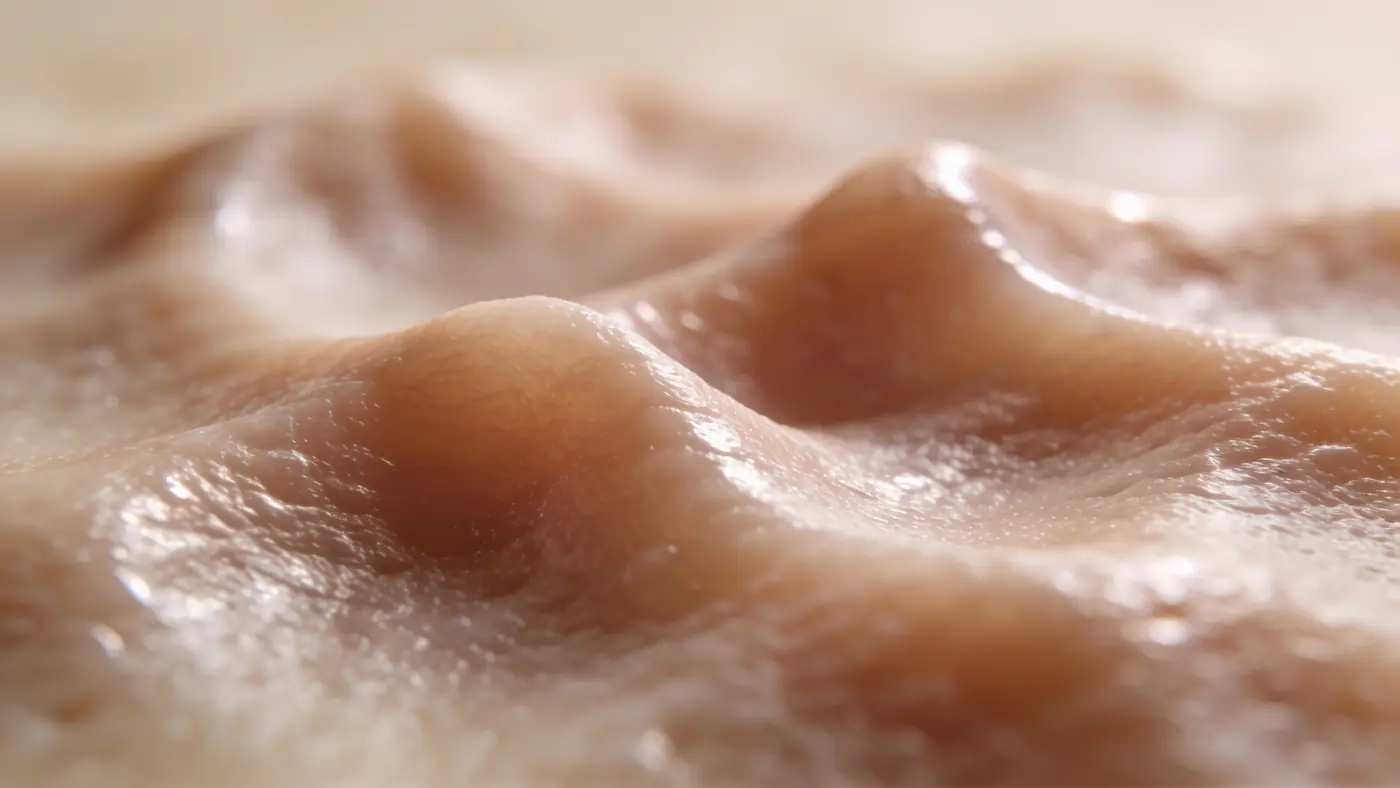
Close-up of uneven skin texture with raised and depressed areas
Scar type decides the method: release, resurfacing or filling.

Fractional laser in Singapore: where a fractional CO2 laser fits

A fractional laser in Singapore is any laser that treats the skin in microscopic columns and leaves untreated bridges between them, so the skin heals from that intact tissue. Fractional describes how the energy is delivered, not which laser it is. A fractional CO2 laser is ablative: it removes each column of skin. Non-ablative fractional lasers, such as erbium glass and thulium, heat the dermis and leave the surface intact.

Who it suits. A CO2 fractional laser tends to suit boxcar and shallow rolling acne scars once acne is under control, and coarse texture within scarred skin, in people who can accept a visible healing period. Superficial scars and texture change often suit a non-ablative option such as the FSX Laser instead.

How Dr Sin Yong assesses it. He maps the scars by type and depth and takes a medical history before any laser is chosen. Tethered scars and ice-pick tracts are usually released first with subcision or TCA CROSS, so the laser resurfaces skin that is free to remodel. Where deeper scars need it, fractional CO2 runs on the DEKA SmartXide Tetra Pro within the S3 Resurfacing Lift.

What to expect. Fractional CO2 creates a controlled wound, so redness, swelling, oozing, crusting and peeling are part of healing. In Fitzpatrick III to V skin, temporary darkening is the main risk, so settings, skin preparation and sun protection are planned around it. Whether a fractional laser is advised at all is decided at consultation.

Fractional CO2: treatment columns with untouched skin between Skin cross-section with epidermis, dermis and fat. A fractional CO2 laser treats the skin in microscopic columns. In the centre of each column is an ablation zone, where tissue is vaporised; around it is a thin coagulation zone, heated but not removed. Between the columns the skin is left untouched, and healing starts from that intact tissue. Columns can be deep and narrow, where a scar edge needs sculpting, or shallow and wide, where surrounding texture needs blending. Fractional describes how the energy is delivered, not which laser it is. FRACTIONAL CO2 Columns, with untouched skin between Deep, narrow Shallow, wide Epidermis Dermis Fat untouched skin Ablation zone: tissue vaporised Coagulation zone: heated, not removed Untouched skin: healing starts from here Fractional describes how energy is delivered, not which laser.
Illustrative diagram, not to scale.
Use this diagram on your site

Free to use with credit and a link. Copy this code:

Is fractional CO2 laser safe? The risks to know

Redness, swelling, pinpoint bleeding, oozing and crusting are expected after fractional CO2 and are part of healing rather than complications; how long they last depends on the depth and density used. Temporary darkening of the skin is the risk most relevant to Asian skin and can take weeks to months to fade.

A retrospective study of 490 deep fractional CO2 treatments in patients of Fitzpatrick skin types I to IV recorded adverse events after 13.6% of treatments, most often acne-like eruptions, cold sore outbreaks and bacterial or yeast infections, with hyperpigmentation after 1.2%. Rarer risks include scarring, redness lasting beyond a month, and lightening of the skin. Risk is reduced by scar mapping before treatment, pulse shape, depth and density chosen for each scar and skin type, antiviral cover where indicated, careful wound care, and strict sun protection while the skin heals. Any infection, unexpected pain or delayed healing is reviewed promptly at the clinic.

References
  1. The adverse events of deep fractional CO2: a retrospective study of 490 treatments in 374 patients — Lasers in Surgery and Medicine (Shamsaldeen O, Peterson JD, Goldman MP), 2011.
  2. Treatment of Facial Acne Scarring With Fractional Carbon Dioxide Laser in Asians, a Retrospective Analysis of Efficacy and Complications (Ochi H, Tan L, Tan WP, Goh CL). Dermatologic Surgery, 2017. pubmed.ncbi.nlm.nih.gov
  3. Fractional resurfacing in the Asian patient: Current state of the art (Wat H, Wu DC, Chan HH). Lasers in Surgery and Medicine, 2017. pubmed.ncbi.nlm.nih.gov
  4. Alexiades-Armenakas MR, Dover JS, Arndt KA. The spectrum of laser skin resurfacing: nonablative, fractional, and ablative laser resurfacing. Journal of the American Academy of Dermatology, 2008. doi.org
  5. Kravvas G, Al-Niaimi F. A systematic review of treatments for acne scarring. Part 2: Energy-based techniques. Scars, Burns & Healing, 2018. doi.org

Medically reviewed by Dr Sin Yong · Updated 21 October 2026

What recovery looks like after DEKA Tetra Pro fractional CO2

The sequence below describes phases, not a timetable: how quickly each passes depends on the settings used, the area and the person, and is discussed at consultation.

  1. Immediately afterRedness, swelling, pinpoint bleeding and oozing are expected and are part of healing rather than complications.
  2. The first eveningGentle cleansing, bland moisturiser and antiviral cover where indicated; no picking, no actives, head raised overnight.
  3. The following daysCrusting and peeling develop and shed on their own; how long this takes depends on the depth and density used.
  4. As the skin settlesPinkness fades and collagen remodels gradually beneath the surface; strict sun protection continues throughout to limit pigment change.
  5. Follow-upInfection, unexpected pain or delayed healing is reviewed promptly, and the next step in the SCAR3 sequence is timed to the healed skin.
A man in his thirties with natural light across his cheek (illustrative image, not a patient)
Illustrative image — not a patient.

Who it suits, who should wait, who is referred on

Tends to suit

  • Boxcar and shallow rolling scars once acne is under control
  • Scars that have been mapped and planned as part of a sequence
  • Healthy skin with no active infection, cold sore or fresh tan
  • Willingness to accept a visible healing period

Better to wait

  • Pregnancy
  • Active acne, skin infection or cold sore
  • Recent isotretinoin, photosensitising medicines or fresh tanning, until the interval is discussed

Referred on

  • Suspected keloid or hypertrophic scarring → dermatology assessment
  • Extensive scar tissue needing surgical revision → plastic surgery assessment
Who should not have this treatment
  • Pregnancy
  • Active skin infection, uncontrolled acne or cold sore in the area
  • Tendency to keloid or hypertrophic scarring
  • Recent isotretinoin or photosensitising medicines, pending review
  • Poorly controlled diabetes, immunosuppression or smoking, which slow healing
  • Previous radiotherapy to the area or active vitiligo

People who cannot accept a visible healing period, or whose scars are mainly deep icepick tracts or keloid-prone, tend to respond poorly to fractional CO2 alone.

Before you book

What decides the fee for fractional CO2 laser in Singapore

The fee depends on the scar types and area mapped at assessment, the depth and density of laser settings, and the number of zones treated. It also depends on whether the laser is combined with subcision, TCA CROSS or other steps of the SCAR3 sequence. A written quote is given at consultation after scar mapping and a medical history. The consultation also decides whether fractional CO2 is advised at all, or whether another approach or no treatment suits you better.

How quotes work at this practice: how we quote.

A man in his thirties with natural light across his cheek (illustrative image, not a patient)
Illustrative image — not a patient.

Myths we hear in clinic

“One laser fits every type of acne scar.”

Boxcar, rolling and icepick scars call for different methods, and tethered scars and icepick tracts are usually released first.

“Darker skin can never have fractional CO2.”

Darker skin is not excluded, but the risk of pigment change is higher, so settings and sun protection are planned around it.

Go deeper on DEKA Tetra Pro

Related
Start with the scar type: the acne scar removal Singapore guide matches ice-pick, boxcar, rolling and tethered scars to the tool used for each.

What it is not

  • Not a protocol: the DEKA SmartXide Tetra Pro is the fractional CO2 platform; the S3 Resurfacing Lift is what runs on it.
  • Not a fixed-pulse laser: Pulse Shape Design lets the physician shape how each pulse rises, dwells and tails off.
  • Not the first step for tethered or ice-pick scars: subcision or TCA CROSS release them before resurfacing.
A young woman with calm, even skin in profile against a plain background
Active acne is treated before scars are addressed.

Who treats acne scars in Singapore, and how Dr Sin Yong approaches them

Acne scars are treated by three kinds of doctor, and the work overlaps. In Singapore "specialist" is a protected title: only doctors on the Singapore Medical Council's Specialists Register may use it, and dermatology and plastic surgery are registered specialties. Aesthetic medicine is not. Dr Sin Yong is an aesthetic physician, not a registered specialist, and this site does not call him one.

DoctorRegistered specialist?Typical scar workThe right person when
Aesthetic physician, such as Dr Sin YongNoSubcision, TCA CROSS, fractional CO2 and non-ablative laser, RF microneedling, collagen-stimulating injectablesDepressed scars of mixed type needing a sequenced, non-surgical plan
Dermatology specialistYesMedical treatment of acne; many also perform scar proceduresAcne that is still active; a lesion of uncertain diagnosis
Plastic surgery specialistYesPunch excision, elevation and grafting; revision of wide scarsAn isolated scar too deep or wide for non-surgical methods

Whoever you see, check that the doctor is on the public Singapore Medical Council register, that the doctor who assesses you is the one who performs the subcision and holds the laser, that the devices are registered with the Health Sciences Authority, and that the plan is written down. Here every consultation and every treatment is done by Dr Sin Yong. He holds an MSc in Aesthetic Medicine and an MSc in Practical Dermatology, and the Certified Key Opinion Leader Trainer certificate for DEKA SmartXide Tetra Pro, listed on the About page. The protocol he uses most is his S3 Resurfacing Lift, set by scar type and depth rather than by device.

“You can resurface a tethered scar indefinitely. The tether keeps pulling it down.”

Dr Sin YongOn why release comes before resurfacing

Why One Machine Can't Fix All Your Acne Scars

Watch on YouTube: Acne Scar Treatment Singapore: Why One Machine Can't Fix All Scars

Read the transcript

Acne scars aren't just one thing. If someone offers you one treatment for your acne scars, they haven't looked closely enough. There are narrow deep ones, shallow ones, and some that are tethered down by scar tissue underneath. They sit side by side on the same cheek, and none of them respond the same way. A real plan combines methods over time. One device for every scar is the clearest sign you are in the wrong room.

Transcript of Dr Sin Yong's video, lightly edited for reading.

Frequently asked questions

What is laser resurfacing?

Laser resurfacing is a controlled injury made with laser light so that the skin heals smoother and lays down new collagen. Ablative lasers such as CO2 vaporise tissue, either across the whole surface or, in fractional mode, in microscopic columns with intact skin between them. Non-ablative lasers heat the dermis and leave the surface intact. Depth, density and skin type decide which suits, and in Asian skin pigment risk shapes the settings.

How do I prepare for CO2 laser treatment?

Declare all medicines, including isotretinoin and anything that makes the skin sun-sensitive, and mention any history of cold sores, keloids or darkening after injury. Avoid sun and tanning beforehand, pause retinoids and acids if advised, and make sure active acne or infection in the area has settled. Antiviral cover is arranged where indicated. Plan around the visible healing period that follows fractional CO2.

When can I wear make-up after CO2 laser?

Once the surface has closed and the crusting has shed, which the clinic confirms at review rather than by a fixed date, make-up can return. Make-up over open channels adds irritation and infection risk. Until then, gentle cleansing, a bland moisturiser and avoiding the sun are the routine, and sunscreen is used once the skin has closed. The aftercare guide sets out each stage.

How do I check that a CO2 laser treatment in Singapore uses an approved product?

In Singapore, medical devices, which include most aesthetic lasers, energy devices and injectable fillers, must be registered with the Health Sciences Authority (HSA) before they can be supplied; only the lowest-risk class A devices are exempt. Ask which laser will be used and check it on HSA’s medical device register, and check that the clinic holds an MOH licence.

Is CO2 laser painful?

A CO2 laser is felt as heat and prickling that builds over each treated zone, followed by a hot, tight feeling. For fractional CO2, topical anaesthetic is usual, with local anaesthetic where deeper work over a scar field is planned. Tolerance varies between people, so the pace is adjusted during treatment, and the heat settles as the skin cools.

Is a fractional CO2 laser the same as a fractional laser?

No. Fractional describes how energy is delivered, in microscopic columns, not which laser it is. Fractional CO2 is ablative and vaporises each column; non-ablative fractional lasers such as 1540 or 1550 nm erbium glass heat the dermis beneath an intact surface.

What does a CO2 laser do to your face?

A fractional CO2 laser removes microscopic columns of skin and heats the tissue around them, so the skin heals from the untreated bridges and lays down new collagen. On the face it is used to resurface deeper acne scars and coarse texture, and as a precise point to remove small benign growths. It creates a controlled wound, so there is a healing phase and pigment risk to plan for.

Can CO2 laser remove skin tags, moles and syringoma?

Yes, where the lesion has been confirmed first. Skin tags can be ablated in controlled layers, benign raised moles and seborrhoeic keratoses can be removed once examined under the dermatoscope, and syringoma under the eyes is treated with the Tetra Pro CO2 or an erbium:YAG laser. A lesion that looks atypical is excised and sent for histology rather than vaporised, because laser leaves no tissue to examine.

Is CO2 laser better than pico laser?

They are for different problems. A CO2 laser is ablative and resurfaces scars and texture, with a healing phase. A pico laser fragments pigment with very short pulses and is chosen for brown spots and some marks, with much less recovery. CO2 is not a pigment treatment and can create pigment in prone skin. Some acne scar plans use both, in sequence, for different parts of the problem.

What is fractional CO2 laser in Singapore used for?

Fractional CO2 laser at 10,600 nm removes skin in fine columns between intact bridges, so the skin heals from the untreated tissue around each column. At this practice it runs on the DEKA SmartXide Tetra Pro and anchors the resurfacing step of acne scar work, the S3 Resurfacing Lift, after subcision and TCA CROSS where those are needed. Its use for pores and texture, and the trade-off, has its own guide.

Is CO2 laser the same as FSX Laser?

No. The FSX Laser uses non-ablative wavelengths, including erbium glass and thulium, that heat the dermis and leave the surface intact, and it suits superficial scars and texture. Fractional CO2 is ablative: it removes the surface in fine columns and suits deeper boxcar and ice-pick scars with walls to rebuild. Scar depth at examination decides which is used, and some faces need both at different stages.

Is fractional CO2 laser safe for Asian skin?

It can be used in Asian skin with care, but it creates a wound that must heal, and temporary darkening afterwards is a particular concern in Fitzpatrick III to V skin. Settings, preparation of the skin, spacing and strict sun protection are what keep that risk down. Active acne, infection, pregnancy and a fresh tan defer treatment, and a keloid tendency is discussed first.

Who is not a good candidate for Tetra Pro CO2 laser?

Anyone who is pregnant, has an active skin infection or uncontrolled acne, or has a strong tendency to keloid scarring should not have fractional CO2 resurfacing at that time. Recent isotretinoin, photosensitising medicines and conditions that slow healing are discussed first, and anyone who cannot set aside time for the skin to heal may suit a gentler option. Suitability is confirmed at consultation.

What is the DEKA SmartXide Tetra Pro?

The SmartXide Tetra Pro is DEKA's fractional CO2 laser, working at 10,600 nm. Its Pulse Shape Design (PSD) technology lets the physician choose how each pulse rises, dwells and tails off, not only how much energy is delivered. At this practice it is used for the resurfacing step of acne scar work.

What does Pulse Shape Design mean on the Tetra Pro?

Pulse Shape Design controls the profile of each laser pulse: how abruptly it rises, how long it dwells and how it tails off. Acne scars sit at different depths within a small area, so shaping the pulse lets the physician match the resurfacing to each scar's geometry rather than apply one fixed pulse.

Where does the Tetra Pro fit in the SCAR3 protocol?

The Tetra Pro anchors the resurfacing arm of the SCAR3 acne scar protocol. It is sequenced after subcision and TCA CROSS, which release tethered scars and collapse icepick tracts, so the laser works on skin that is free to remodel. The order of steps is decided at assessment.

Is the Tetra Pro used for every type of acne scar?

No. Acne scars differ in type and depth, and boxcar, rolling and icepick scars call for different approaches. Tethered scars and icepick tracts are usually released first with subcision or TCA CROSS. Scar types are identified at assessment, and fractional CO2 resurfacing is one part of the plan, not the whole of it.

How much does Tetra Pro treatment cost in Singapore?

The fee depends on the scar types and area mapped, the settings used, the number of zones and whether the laser is combined with subcision or TCA CROSS. Dr Sin Yong maps your scars first, explains the options including no treatment, and gives a written quote at consultation. A figure cannot be responsibly given before the scars have been examined.

Is Tetra Pro worth it?

It tends to suit people with boxcar or shallow rolling scars who have controlled their acne, can accept a visible healing period and understand that improvement is gradual. It is less suitable for deep icepick tracts that need release first, for those prone to keloid, or for anyone who cannot protect healing skin from the sun. Consultation decides.

How long does Tetra Pro last?

No duration is promised. Collagen remodelling continues after healing, and how long any change is maintained depends on scar type and depth, your skin, sun exposure, new acne and how the rest of the plan is sequenced. Ongoing sun protection and acne control matter. Review timing is set at consultation and adjusted to how your skin has healed.

What are the disadvantages of Tetra Pro?

It creates a wound that must heal, so redness, swelling, oozing and crusting are expected. Temporary darkening is a particular concern in Asian skin, and infection, cold sore outbreaks and scarring are possible. It does not suit every scar type, treatment is staged, and strict sun protection is needed. Some people are better served by a gentler option.

Is CO2 laser Singapore safe for Asian skin?

CO2 laser Singapore clinics use on Asian skin needs careful settings because darker skin types can pigment after resurfacing. Dr Sin Yong uses the DEKA Tetra Pro with its CoolPeel and S3 Resurfacing Lift modes, adjusting depth and density by skin type, and plans pigment prevention before and after treatment.

Is laser resurfacing Singapore clinics offer safe on Asian skin?

Laser resurfacing Singapore clinics offer is safe on Asian skin when depth and density are adjusted for the skin type and pigment prevention is planned. Dr Sin Yong uses the DEKA Tetra Pro CO2 laser with CoolPeel and S3 Resurfacing Lift modes, chosen by how much resurfacing the scars need.

Which fractional laser Singapore clinics use is right for acne scars?

The fractional laser Singapore clinics use for acne scars is usually fractional CO2 for boxcar and surface texture, with non-ablative options for milder texture; Dr Sin Yong uses the DEKA Tetra Pro with CoolPeel and S3 Resurfacing Lift modes, chosen by scar depth and skin type.

Question not answered here? Ask on WhatsApp, use the enquiry form, or browse 100 questions patients ask.

Related reading

Acne Scar Assessment — Dr Sin Yong

Scar mapping first, platform second — the Tetra Pro is applied to a plan, not a face.

  1. 1WhatsApp a short note on your concern
  2. 2Consultation and assessment with Dr Sin Yong
  3. 3Options explained, including no treatment

Replies within clinic hours: Mon–Fri 10am–8pm, Sat 11am–3pm · How consultations work · Prefer not to use WhatsApp? · Treatment finder · Call +65 8023 7170 · Map

WhatsApp Dr Sin Yong

CO2 laser: sessions, downtime and how long it lasts

CO2 laser Singapore at a glance
How many sessionsAcne scars: 3–5 sessions, 6–8 weeks apart. Texture and fine lines: 1–3 sessions.
Downtime5–7 days of redness, swelling and fine crusting; pinkness for 2–4 weeks on Asian skin; strict sun protection.
How long it lastsResurfacing results are lasting; the skin continues to remodel for 6 months.

Figures are typical ranges from Dr Sin Yong's practice and the published literature; your plan, including the number of sessions, is set after the assessment and may differ. Fees are given in writing after the assessment: see how we quote.

Explore Further

Prefer Not to Use WhatsApp?

Leave your name, mobile number and email and the clinic will contact you directly. No obligation.

Your details are delivered directly to Dr Sin Yong's clinic team.

Thank you — your enquiry has been received. The clinic will contact you during opening hours (Mon–Fri 10am–8pm, Sat 11am–3pm).
Or continue on WhatsApp instead →
Your next step
  1. 1. MessageWhatsApp +65 8023 7170 with what is bothering you. A reply comes from the clinic, not a bot.
  2. 2. AssessmentDr Sin Yong examines you himself on Orchard Road, with ultrasound where earlier filler is involved.
  3. 3. A plan in writingWhat he would do, what he would not, the fee factors, and the option of no treatment.

Every treatment is performed by Dr Sin Yong personally. Singapore Medical Council registered · invited to share his clinical expertise internationally as a Key Opinion Leader for CLASSYS, DEKA, HIRONIC, FOTONA, ALMA, LUTRONIC and ILOODA · HSA-registered devices · ultrasound-guided correction

Dr Sin Yong's aesthetic clinic in Singapore is on Orchard Road, a short walk from Orchard MRT. More about the aesthetic doctor in Singapore who performs every treatment.

WhatsApp Dr Sin Yong →or use the enquiry form

CO2 laser guides
CO2 laser downtime: the first weeks · Fractional CO2 in Asian skin: lowering the risk of darkening · CO2 laser for enlarged pores · CO2 laser aftercare · Fraxel vs CO2 vs Tetra · S3 Resurfacing Lift for deep acne scars · FSX Laser for superficial scars and texture · Fractional CO2 laser: the term explained

Follow Dr Sin Yong
InstagramTikTokYouTubeThreadsXLinkedInFacebook
Dr Sin Yong · Ask about acne scars · Doctor-performed
WhatsApp Enquiry