Medically reviewed by Dr Sin Yong · Last reviewed · 3 min read
Quick answers
S3 Resurfacing in Singapore: who performs it and how is it planned?
Dr Sin Yong performs the S3 Resurfacing Lift at 9 Scotts Road, Pacific Plaza #12-01, Singapore 228210. Each plan starts with a scar map and a skin-type assessment, because the depth and density of each pass are set for Asian skin.
How shallow and deep boxes are told apart before the S3 Resurfacing Lift is chosen is set out on the page for boxcar scars.
Main guideCO2 laser Singapore — what it treats, who it suits, sessions, downtime and what decides the cost, by Dr Sin Yong.
Published 10 October 2026 · Reviewed by Dr Sin Yong
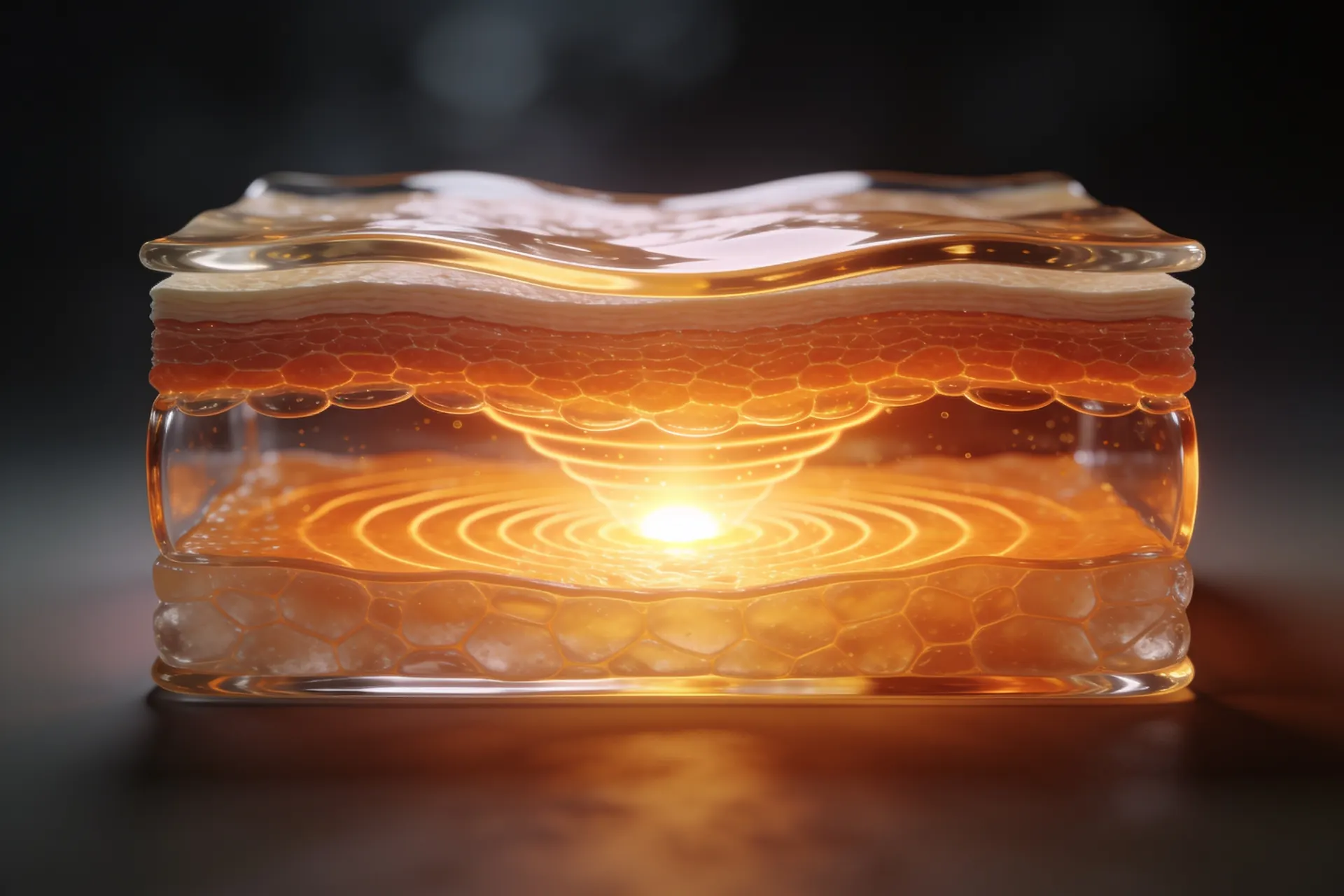
S3 Resurfacing Lift is Dr Sin Yong's multi-depth laser resurfacing protocol for acne scars on the DEKA Tetra Pro CO₂ platform. The depth and density of the fractional CO₂ passes are varied across the face according to a scar map, so ice pick, boxcar and rolling scars each receive the energy they need. It is the protocol he uses for scars that did not fully respond to earlier CO₂ laser or RF microneedling.
Key facts
Platform
DEKA Tetra Pro fractional CO₂; Dr Sin Yong is a DEKA Key Opinion Leader
Scar types
Ice pick, boxcar, rolling; tethered rolling scars are released by subcision first
Pairs with
Secret RF for texture; subcision for tethered scars
Not
A single-setting laser pass; the sequence is mapped per face
Illustrative image, not a patient.
Where the S3 Resurfacing Lift matters on this site
The S3 Resurfacing Lift appears across the acne-scar cluster because it is the protocol most acne-scar plans end with, after the scar map has decided what else is needed first.
I do not resurface a tethered scar; I release it first, because a laser cannot cut a cord.— Dr Sin Yong
If you are starting from a diagnosis rather than a device, the acne scar assessment page describes how the scar map is built at the first visit.
Not to be confused with
Several scar treatments on this site share words with the S3 Resurfacing Lift. The differences are in depth, mechanism and sequence.
The face is assessed at rest and in movement before any lifting treatment. Illustrative image, not a patient.
FSX Laser: non-ablative fractional laser at 1540 nm and 1927 nm for superficial scars, pores and texture. The skin surface stays intact, so recovery is lighter, and deep scars are beyond it.
Fractional CO₂ laser: the technology class. S3 runs on a fractional CO₂ platform, but a single-setting CO₂ pass is not the S3 Resurfacing Lift; the protocol is the mapped sequence of depths and densities.
RF microneedling: heat delivered at the needle tip beneath the surface, used for texture and as a partner to S3, not a substitute for ablative resurfacing of deep scars.
Subcision: a needle release of the fibrous cords under tethered scars. It is done first because a laser cannot cut a cord.
Rejuran S: a polynucleotide injection into scarred skin. It is an injectable, not a laser, and sits in a different part of the plan.
The short version: depth decides. Superficial scars go to FSX, deep scars to S3, tethered scars to subcision first, and ice-pick scars to TCA CROSS, with the laser following.
What decides whether the S3 Resurfacing Lift is right for you
The protocol is chosen from the scar map, not from the diagnosis of acne scarring alone. These are the questions Dr Sin Yong answers before it is planned.
Scar depth and type: boxcar and deep rolling scars are the usual indication; shallow textural scarring is sent to FSX Laser instead.
Tethering: a scar that pulls inward on animation is released by subcision before any resurfacing.
Skin type: the protocol is planned for Fitzpatrick III to V skin, where post-inflammatory hyperpigmentation is the main risk, so density and depth are set conservatively and sun protection is part of the plan.
Active acne: resurfacing waits until breakouts are controlled, because new lesions make new scars; the acne-to-scar pathway explains the order.
Recent isotretinoin, a keloid tendency, cold sores and pregnancy are declared, and timing is discussed; see isotretinoin and laser timing.
What the protocol cannot do is also stated plainly: it does not remove a scar, it remodels the floor and edges of it, and it does not replace the release of a tethered scar. Expectations are set at consultation and reviewed after each stage.
Where it fits
S3 Resurfacing Lift is the protocol Dr Sin Yong uses most for acne scars, one of the six concerns he treats day in, day out. Full page: S3 Resurfacing Lift; compared with RF microneedling on S3 Resurfacing Lift vs Secret RF.
S3 Resurfacing Lift: what a session involves, recovery, and how many sessions
S3 Resurfacing Lift is Dr Sin Yong's multi-depth laser resurfacing protocol for acne scars on the DEKA Tetra Pro fractional CO2 platform.
What a session involves
Numbing cream for about 45 to 60 minutes, then passes at different depths for different scar types, taking about 20 to 40 minutes; tethered rolling scars are released by subcision first.
Recovery
Redness, swelling and fine crusting for about five to seven days, more than with the FSX Laser; gentle care and strict sun protection lower the risk of pigment.
How many sessions
Often two to three sessions a few months apart, with the result judged three months after the last one.
Frequently Asked Questions
It is planned for Fitzpatrick III to V skin, the skin types most often seen in Singapore. The main risk in these skin types is post-inflammatory hyperpigmentation, so the depth and density of each pass are set from the scar map and the skin type, with sun protection and aftercare agreed before the first session.
Depth. FSX Laser is non-ablative and treats superficial scars, pores and texture with the surface intact. The S3 Resurfacing Lift is ablative fractional CO₂, used for deeper boxcar and rolling scars. Many faces need both, in sequence, and the scar map decides the order.
Yes: fractional CO₂ on the DEKA Tetra Pro, run as a multi-depth sequence set by the scar map rather than as one setting.
No. Tethered rolling scars are released by subcision first, then resurfaced.
Expect about five to seven days of redness, swelling and fine crusting, followed by pinkness that fades over a few weeks. Strict sun protection and the agreed aftercare lower the risk of post-inflammatory pigment in Asian skin.
Most people take about five to seven days, while redness and crusting settle; make-up can usually be worn once the skin has healed.
References
Syder NC, Chen A, Elbuluk N. Radiofrequency and radiofrequency microneedling in skin of color: a review of usage, safety, and efficacy. Dermatol Surg. 2023;49:489. doi:10.1097/DSS.0000000000003733 (PMID 36826381). source
Kumar N, et al. Effectiveness of radiofrequency microneedling in the treatment of dermatological conditions: a systematic review. Aesthetic Plast Surg. 2026. doi:10.1007/s00266-026-05834-y (PMID 42047762). source
Comparative Efficacy and Safety of Fractional CO2 Laser and Microneedling Radiofrequency for Atrophic Acne Scars: A Systematic Review. PubMed Central. pmc.ncbi.nlm.nih.gov
Evidence-Based Management of Cutaneous Scarring in Dermatology Part 2: Atrophic Acne Scarring. PubMed. pubmed.ncbi.nlm.nih.gov