What does melasma look like?
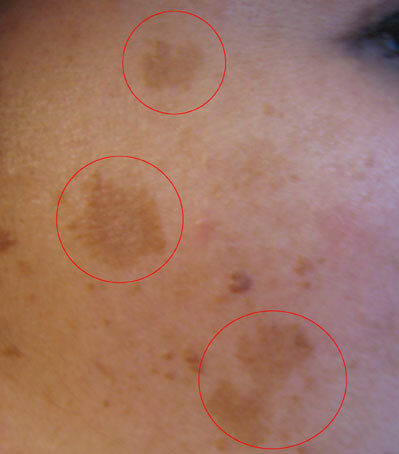
Why is melasma different from ordinary pigmentation?
Current pathogenesis reviews describe melasma as far more than a melanin problem: genetically susceptible skin under chronic light exposure develops overactive melanocytes, but also an altered basement membrane, increased vascularity and low-grade dermal inflammation — the whole neighbourhood participates, not just the pigment cells [1]. This is why melasma relapses after treatments that would durably clear a sunspot, and why heat and aggressive lasers can make it rebound darker. Hormones layer on top: pregnancy and hormonal medication are classic triggers, which is also why melasma so often begins in a woman's 30s.
The triggers you can and cannot control
You cannot choose your genetics or undo a pregnancy trigger. You can control light — and the evidence here is specific: visible light, not only UV, drives melasma pigmentation, which means window glass and indoor exposure count, and standard clear sunscreens are incomplete protection. Tinted sunscreens containing iron oxides block the visible wavelengths implicated [1,3]. Heat is the other underrated trigger — saunas, steam rooms, aggressive treatments. A melasma plan that ignores light and heat management is a plan built to fail.
What actually works for melasma?
The network meta-analysis across melasma treatments ranks combination approaches highest: photoprotection plus evidence-based topicals (with triple-combination creams and related regimens leading), with oral and procedural options — including conservative low-fluence laser toning — as adjuncts rather than first weapons [2,3]. Aggressive monotherapy lasers rank poorly precisely because rebound is a documented outcome. Dr Sin Yong's staged protocol on the melasma treatment page follows this hierarchy: diagnose first (see which brown is yours — melasma coexisting with other pigment types is common), stabilise with topicals and photoprotection, then add gentle energy-based work such as laser toning where indicated, with maintenance planned from day one.
What doesn't work for melasma?
One strong laser to “remove it” — melasma punishes heat and haste with rebound pigmentation. Bleaching creams from unregulated sources — some contain unlisted steroids or high-dose hydroquinone that damage skin with long-term unsupervised use. Scrubbing — friction is itself a melasma trigger. And any clinic promising a cure — the literature is unambiguous that melasma is a chronic relapsing condition; a promise of cure is a promise of your disappointment.
“Melasma punishes aggression — the laser that clears a sunspot in one session can hand a melasma patient a darker patch than they started with.”
— Dr Sin Yong
Dr Sin Yong’s Viewpoint
Melasma has humbled every aggressive laser ever pointed at it, and it will humble the next one too. I manage it the way the evidence says: light control, topicals, patience, and gentle energy in its supporting role — with maintenance planned from day one. Any clinic promising a melasma cure is promising your relapse.
Prefer Not to Use WhatsApp?
Use the short enquiry form instead →
Leave your name, mobile number and email and the clinic will contact you directly. No obligation.
Prefer a preliminary view first? You can also WhatsApp a photo of the area for Dr Sin Yong to review before you decide on a visit.