What do dark eye circles look like?
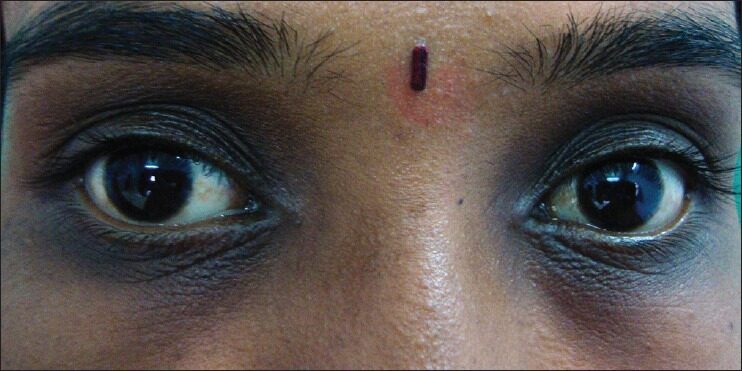


Three circles, three mechanisms
The systematic literature on periorbital hyperpigmentation classifies dark circles by mechanism: excess melanin in the lid skin; prominent vasculature visible through some of the thinnest skin on the body; and shadowing from the anatomy of the tear trough — with mixed forms the rule rather than the exception [1,2]. Sixty seconds with a mirror gets you most of the way: stretch the skin gently sideways — a shadow shallows, vessels persist, pigment travels with the skin. Then tilt your face up under a ceiling light — structural shadows deepen dramatically; pure pigment barely changes.
Why do most dark circle treatments disappoint?
Every modality maps to a mechanism. Brightening topicals and pigment lasers act on melanin — useless against a shadow. Filler rebuilds a hollow — and can worsen the look of true pigment by stretching pigmented skin over a fuller surface. Vascular circles need approaches aimed at vessels and skin thickness, not bleaching. The systematic review is blunt on this: treatment selection follows classification, and mixed types need sequenced combinations [1]. This is why “which eye cream should I buy?” has no honest one-word answer — and why assessment precedes treatment here.
What actually works for dark circles?
For pigmented circles: strict sun protection, evidence-based lightening topicals, and conservative pigment laser work — in darker skin types, gently, since aggressive settings can worsen pigment [1,2]. For vascular and crepey-skin circles: skin-quality approaches — polynucleotides, skin boosters and calibrated laser — to thicken the curtain the vessels show through. For structural circles: restoring the tear trough and mid-cheek support, the territory of the tear trough refinement programme. Fine lines layered on top are covered under under-eye lines, and true eye bags are a fourth problem again. Most patients need two of these, in the right order.
What doesn't work for dark circles?
More sleep for a structural shadow — anatomy does not nap away. Caffeine rollers — transient vessel constriction measured in minutes. Bleaching creams on a vascular circle — there is no pigment to bleach. Rubbing in products vigorously — friction is itself a documented driver of under-eye pigment, especially in Asian skin. And filler for every dark circle by default — on the wrong type it adds puffiness to the problem it was meant to solve.
“Dark circles are not one condition — brown, blue and shadow are three different problems, and the eye cream aisle treats at most one of them.”
— Dr Sin Yong
Dr Sin Yong’s Viewpoint
'Which eye cream should I buy?' has no honest answer, because dark circles are three different diseases — pigment, vessels and shadow — and the cream aisle treats at most one. Sixty seconds with a mirror, a stretch and an overhead light will tell you more than a hundred product reviews. Type first; treatment second.
Prefer Not to Use WhatsApp?
Use the short enquiry form instead →
Leave your name, mobile number and email and the clinic will contact you directly. No obligation.
Prefer a preliminary view first? You can also WhatsApp a photo of the area for Dr Sin Yong to review before you decide on a visit.