HIFU Singapore · HIFU Treatment Singapore · HIFU Face Lifting · HIFU Skin Tightening · Dr Sin Yong

HIFU Singapore: HIFU Treatment and HIFU Face Lift, What It Lifts and What It Cannot

Medically reviewed by Dr Sin Yong · Last reviewed · Doctor-performed, never delegated · Jump to questions

HIFU in Singapore: the short answer

HIFU in Singapore is high-intensity focused ultrasound that heats the SMAS and deep dermis at set depths, so collagen contracts and the jaw, chin and neck tighten over months. Results vary from face to face and depend on the laxity and fat present. Dr Sin Yong avoids HIFU on lean faces and performs it himself.

Dr Sin Yong · MBBS (NUS) · MRCS (Edin) · MSc Aesthetic Medicine with Distinction (Queen Mary, London) · MSc Practical Dermatology (Cardiff) · Global Key Opinion Leader

High-intensity focused ultrasound for early laxity of the jaw, chin and neck, and for collagen stimulation. Dr Sin Yong performs HIFU on two platforms, HIRONIC Doublo 2.0 and CLASSYS Ultraformer MPT, choosing the depth zone by zone within a non-surgical facelift plan built on what the assessment finds.

Related guide: non-surgical facelift in Singapore

4.5 mm · SMAS
Deepest Target
60–70 °C
Coagulation Point
Micro-pulsed
MPT Delivery
7 · 4 MHz
Face Transducers

Quick answers

What is the HIFU price in Singapore here?

HIFU here is from $1,500 per session, and from $1,800 for the full face and neck. Prices are nett, and the fee for your plan is confirmed in writing after assessment.

What is a HIFU face lift?

A HIFU face lift uses high-intensity focused ultrasound to heat the deeper skin and the SMAS layer, the same support layer tightened in a surgical facelift, which stimulates collagen and lifts gradually without incisions. Here, HIFU is from $1,500 per session, or from $1,800 for the full face and neck.

HIFU: focused heat beneath the skin. Illustrative animation, not a patient. Dr Sin Yong assesses every case in person before recommending treatment.
In brief

HIFU treatment in Singapore, often sold as a HIFU face lift, is high-intensity focused ultrasound that heats points in the SMAS and dermis while the surface is spared, so lax tissue contracts and remodels. Dr Sin Yong performs it himself on Orchard Road for early to moderate laxity of the jawline, under the chin and neck; lean faces are planned for the VF Lift – Vertical Facelift instead.

Aftercare  Day-by-day aftercare, what to avoid and when to call · all aftercare guides

HIFU in Singapore: what it treats, and what it does not
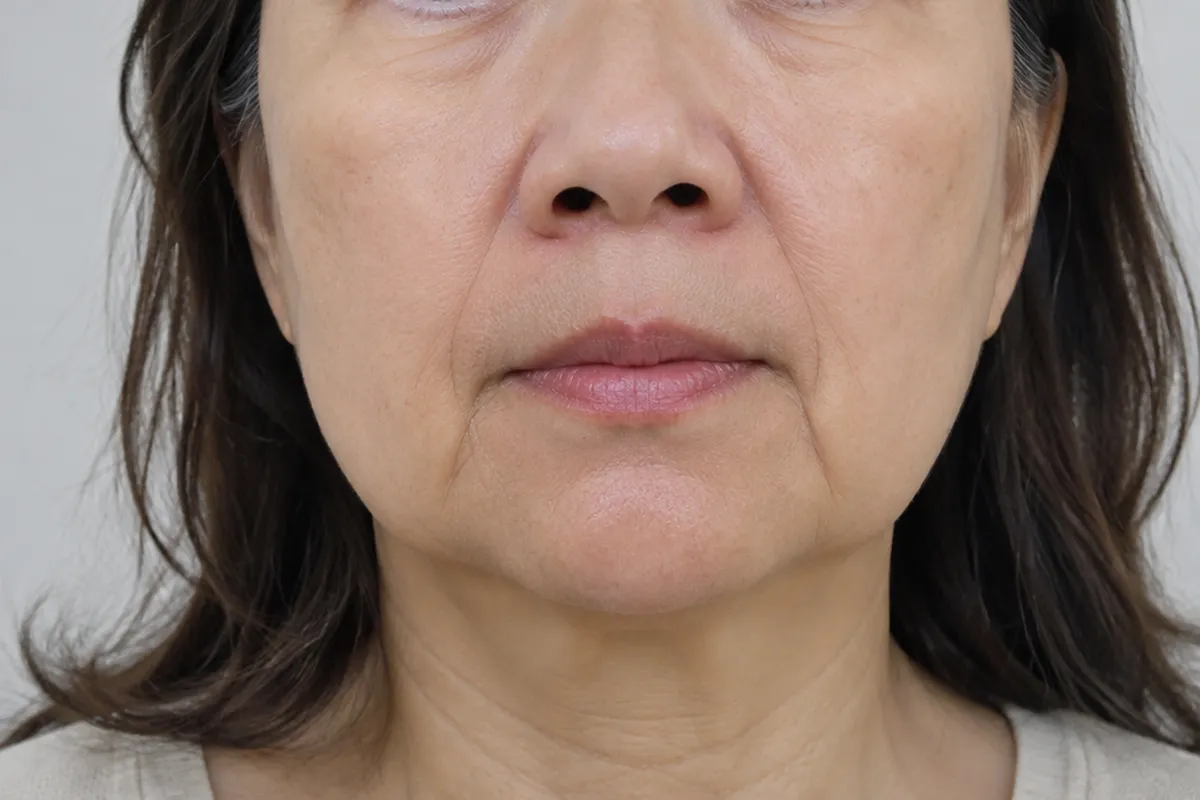
HIFU Treatment: Front view of the lower face of a woman in her fifties with early jowls (illustrative image, not a patient)
Early jowls are the commonest reason focused ultrasound is considered. Illustrative image, not a patient.
Treats
  • Early-to-moderate sagging of the cheeks, jawline and under the chin
  • Mild skin laxity of the neck
  • Maintenance after a lift, in selected faces
  • Brow heaviness in some faces
Not the right tool for
  • A face that needs volume rather than tightening
  • Marked sagging with heavy jowls (lifting treatment is used instead)
  • Faces with recent filler in the planned path
  • Thin faces at risk of fat loss over the cheek

Sessions, interval, downtime and review

Sessions
Usually 1, repeated at 12–18 months if suited
Interval
Not before the 3-month review
Downtime
Tenderness along treated lines for days
Review
At 4 and 12 weeks

Typical figures for planning; the number for you is decided at the assessment, and results vary.

What decides the fee for HIFU in Singapore

  • Face zones treated (full face, lower face, neck)
  • Depths and shot count planned for that face
  • Whether it is combined with a lift or skin treatment
  • Repeat sessions, if any

Fees are given in writing after the assessment: how we quote; what sets the fee, zone by zone, is on HIFU price in Singapore.
What is HIFU, and how does it work?

HIFU (high-intensity focused ultrasound) converges ultrasound energy at a set depth, so that a small point of tissue is heated to roughly 60–70 °C while the skin surface is spared. Each thermal coagulation point sets off a wound-healing response, and collagen remodels around it. There are no incisions, and the change develops gradually rather than on the day.

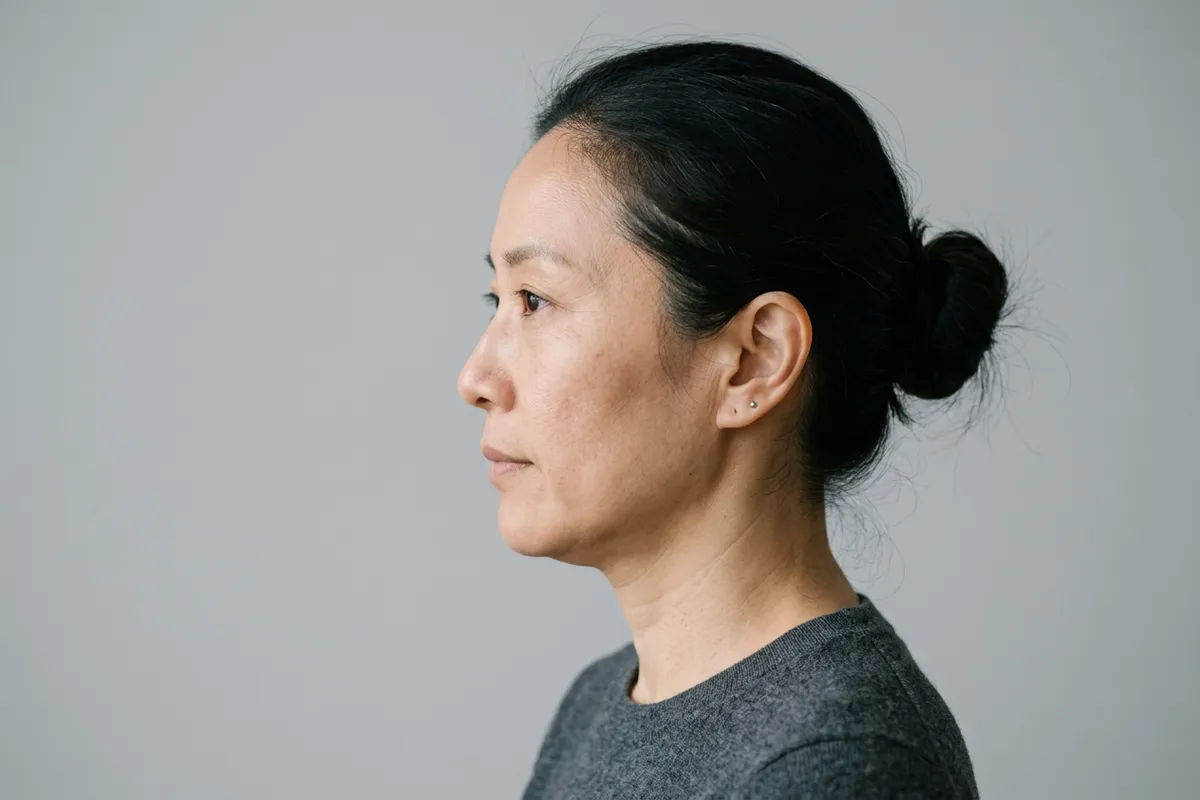
Side profile of a woman in her forties showing a softened jawline (illustrative image, not a patient)
Early softening along the jawline is the usual reason HIFU is considered. Illustrative image, not a patient.

Each cartridge places its heat in a different layer. On the Ultraformer MPT used here, the 4.5 mm cartridge reaches the SMAS, the fascial layer addressed in a surgical facelift. The 3.0 mm cartridge works in the dermis and the 1.5 mm cartridge in the superficial dermis. A 2.0 mm cartridge is used mainly over the brow and forehead. MPT stands for micro-pulsed technology: each line is delivered as a rapid pulsed pattern rather than a single continuous shot.

HIFU cartridge depths, the layer each reaches and what each can and cannot do
Cartridge depthLayer targetedWhat it is chosen forWhat it cannot do
1.5 mmSuperficial dermisSkin texture and firmness over thin areas and the browReach the SMAS or change a fat pad
3.0 mmDermisSkin firmness where tissue is too thin for 4.5 mmLift descended tissue or replace lost volume
4.5 mmSMASLaxity along the jawline, under the chin and across the neckTreat a hollow or a full fat pad; it is kept off thin tissue

Which depth goes where is decided by palpating tissue thickness zone by zone, not by a preset. The 4.5 mm cartridge is placed where there is enough tissue above bone; nothing is placed over the thyroid, the orbital rim or the course of the marginal mandibular nerve. Each area has its own page: HIFU for jowls, HIFU for a double chin, HIFU for the neck and HIFU for the brow and eyelid.

Who does HIFU suit, and who should wait or avoid it?

HIFU suits early to moderate laxity along the jawline, under the chin and across the neck. The face needs enough tissue depth, without marked volume loss or a full fat pad. Age is not the deciding factor; the tissue is. A younger face with early laxity may suit it. An older face with more excess skin may need a surgical opinion instead.

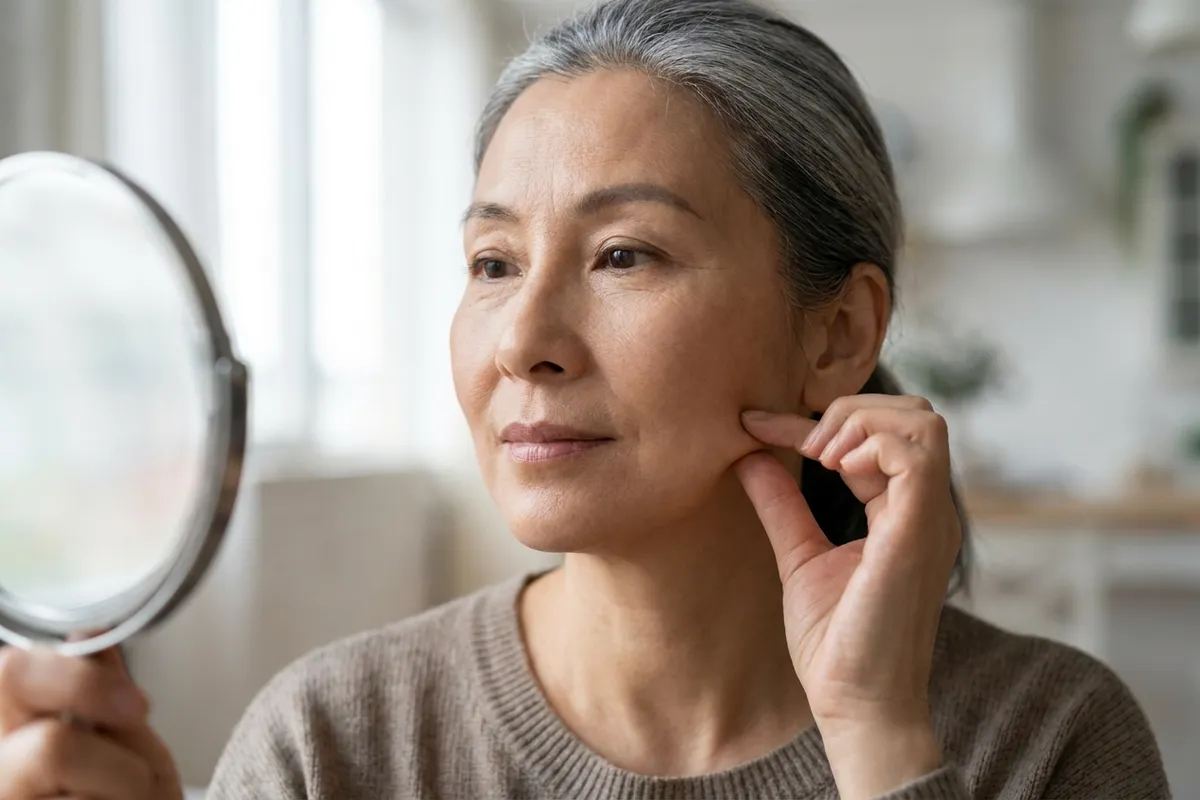
A woman in her fifties gently pinching loose skin on her lower cheek (illustrative image, not a patient)
Mild to moderate laxity suits HIFU; heavier, looser skin responds less. Illustrative image, not a patient.
Who HIFU suits, who should wait and who is referred on
GroupWhat it looks likeWhat usually happens
Tends to suitEarly to moderate laxity of the jawline, under the chin or the neck; skin that still recoils; fat that is neither excessive nor depletedHIFU is planned zone by zone from the examination
Should waitPregnancy; active infection, open wounds or inflamed acne in the area; a recent tan; recent filler or threads in the treatment planeTreatment is timed around these, not done over them
Assessed individuallyImplants or metal in the treatment field; a history of keloid scarring; blood-thinning medicinesThe plan, depth or areas change, or another option is chosen
Better served elsewhereA very lean face with little tissue above bone; sagging driven by volume loss; a full double chin or fatty jowlVolume support, fat-directed options or a different energy
Referred onHeavy redundant skin and deep jowls beyond what contraction can reachReferral to a plastic surgery specialist

Before the visit, declare any filler, threads or implants and when they were done, say if you are pregnant or breastfeeding, and avoid strong sun beforehand. More detail is on am I suitable for HIFU, and which type.

Which device: Doublo 2.0, Ultraformer MPT, Ultherapy Prime or a "7D" label

HIFU in Singapore is sold under several names, and the name matters less than whether the depth on offer matches the layer that has changed. Dr Sin Yong performs HIFU on the HIRONIC Doublo 2.0 and the CLASSYS Ultraformer MPT; Ultherapy Prime, micro-focused ultrasound with visualisation, is a separate option, and he decides between them at assessment.

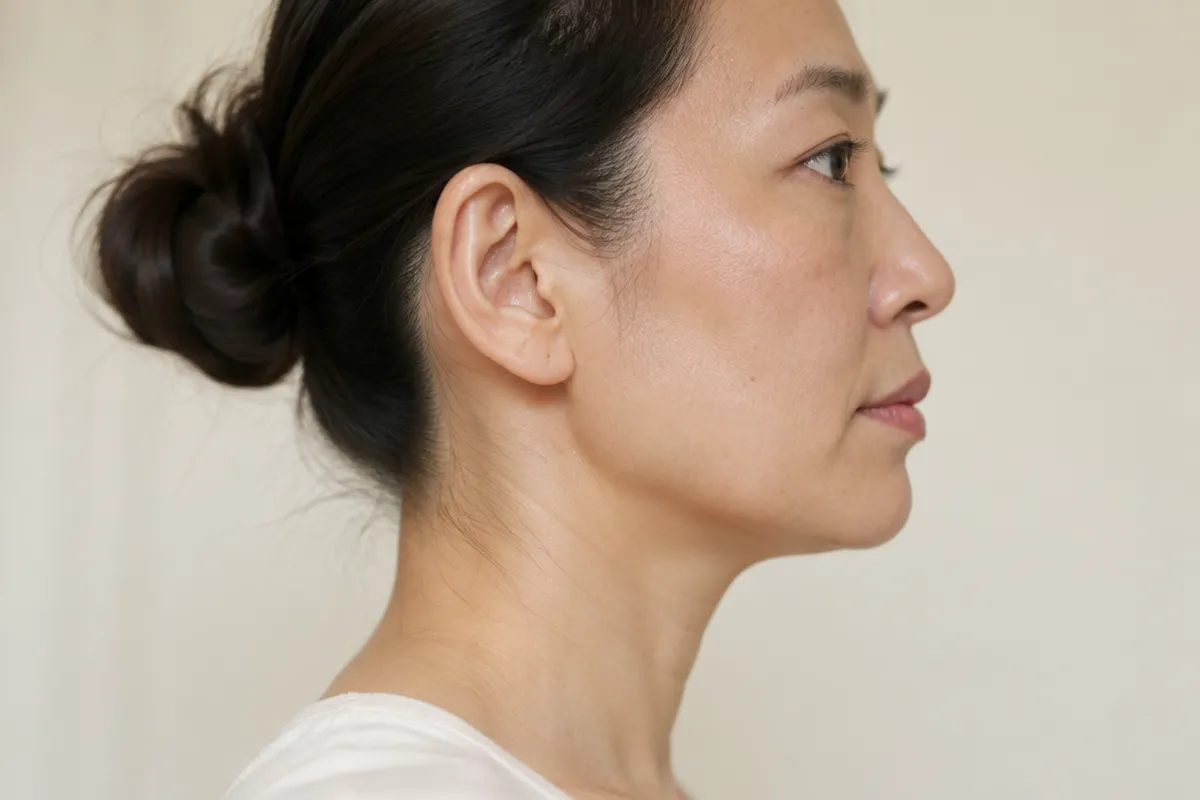
Side view of the neck and jaw angle of a woman in her forties (illustrative image, not a patient)
The angle between the jaw and the neck is assessed in profile. Illustrative image, not a patient.

The Ultraformer MPT and Ultherapy Prime work on the same principle. They differ in imaging, in transducer (handpiece) design and in clearance. Neither is ranked above the other, and a face that is right for one is usually right for the other. The three platforms are set side by side on Ultherapy Prime vs Ultraformer MPT vs Shurink. Why "7D" is a label rather than a depth is explained in the HIFU labels guide.

What HIFU cannot do: volume, heavy skin, fat, fine lines and pigment

HIFU cannot replace lost volume, remove heavy skin, clear a full fat pad, erase fine lines or treat pigment. Focused ultrasound heats small points at set depths so that lax tissue contracts and remodels. It tightens what is there. It cannot put back what has gone, or take away what is in excess, and its ceiling is set by how much laxity exists. Part of an honest assessment is saying which of your concerns sits outside that.

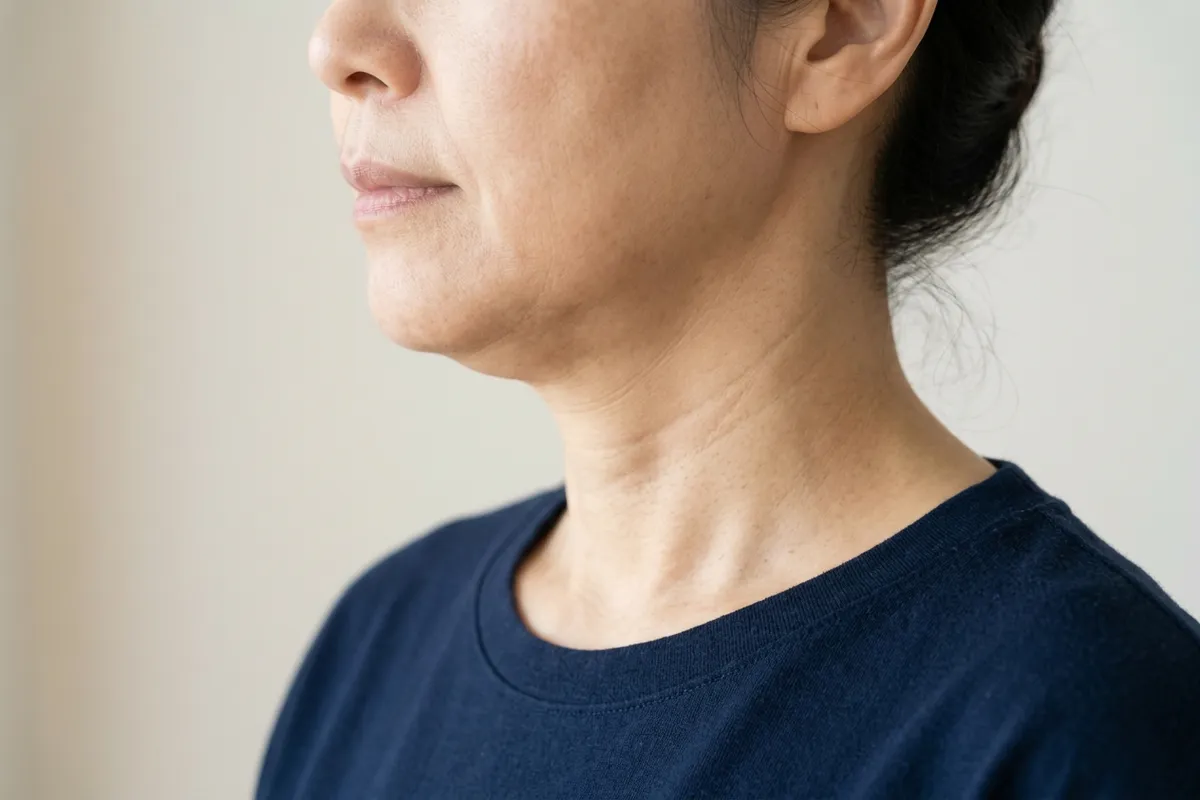
Side view of the area under the chin and the neck (illustrative image, not a patient)
Fullness under the chin can be fat, loose skin or both, and each is approached differently. Illustrative image, not a patient.

Hollowing is answered with volume restoration or the VF Lift – Vertical Facelift, and heavy skin excess with a thread lift or a surgical opinion. Compact fat is answered with fat-directed options or Time Freeze Laser LCLR®, and fine lines or pigment with treatments planned for the skin itself.

Movement lines belong to muscle, so they answer to anti-wrinkle injections rather than tightening. Someone expecting a surgical-level change from HIFU is told so before any plan is written. How each mechanism is matched to a pattern of descent is set out on sagging face treatment.

What are the risks and side effects of HIFU?

HIFU is non-invasive but not without risk. Redness, warmth and tenderness along the treated lines are expected and settle on their own; some people notice slight swelling along the jawline or a small bruise.

Three-quarter portrait of a woman with a lean face (illustrative image, not a patient)
A lean face has less tissue above the bone, which changes what is suitable. Illustrative image, not a patient.
  • Less common: a raised welt or line, temporary numbness or tingling, and prolonged tenderness over bone.
  • Rare: a surface burn where heat lands too superficially, and temporary weakness of a facial movement when heat reaches a nerve branch (usually the marginal mandibular branch along the jaw). Also rare is fat loss that reads as hollowing, when energy enters thin fat or a lean face is over-treated.

Three steps reduce these risks. The tissue depth is felt zone by zone. The 4.5 mm cartridge is kept to areas with enough tissue. The thyroid, the orbital rim (the bony edge around the eye) and the course of the nerves are avoided. These steps reduce the risks; they do not remove them. Persistent numbness, a blister, marked swelling or any change in facial movement is reviewed promptly by the doctor. How each risk arises is explained on HIFU gone wrong and will HIFU melt my face fat. The limits are weighed on HIFU disadvantages.

What should you expect? Before, on the day and aftercare

Every step is carried out by Dr Sin Yong. What changes between faces is the zones, the cartridge depths and the energy, none of which is fixed in advance.

A woman relaxing by a window with a cup of tea (illustrative image, not a patient)
Most people return to their usual day after a session. Illustrative image, not a patient.
  1. Assessment. The face is examined at rest and in animation, and laxity of the SMAS and dermis is separated from volume loss and fat. If laxity is not the main problem, HIFU is not advised.
  2. Mapping. Skin and fat thickness are palpated over each zone and the zones are marked. Where earlier filler is involved, ultrasound is used to see what sits in the plane.
  3. Preparation. The skin is cleansed and, where appropriate, a topical anaesthetic is applied and removed. Gel couples the transducer to the skin.
  4. Treatment. Lines are delivered cartridge by cartridge, zone by zone. Most people feel deep warmth or a brief ache over bony areas such as the jawline; energy, spacing and order are adjusted to what you report, and the treatment pauses whenever you ask.
  5. Afterwards. The skin may look pink and feel warm or tender along the lines. There are no incisions or dressings. Ordinary activity, make-up and skincare can usually resume, with daily sunscreen.
  6. Review. Collagen remodelling is gradual, so a review is arranged to read the response rather than to repeat treatment by default; how the result is judged at review is set out on HIFU results.

Phase by phase detail is on HIFU downtime, the post-visit checklist on HIFU aftercare, and the day itself on what to expect at a HIFU visit.

Is there a HIFU trial? What the first visit does instead

No. HIFU here starts with a consultation and an examination, not a trial session, a trial zone or a trial number of shots. The Singapore Medical Council's ethical guidelines bar doctors from using free or discounted treatment as an inducement, and a trial read early reports swelling and heat, not the gradual collagen response. The first visit decides whether laxity is the problem at all and ends with a written quote. No package is sold on the day.

How Dr Sin Yong approaches HIFU

Dr Sin Yong treats HIFU as one tool among several rather than a default. He maps where the SMAS is lax against where volume is missing, and that map decides which cartridge goes where, and whether HIFU is the right mechanism at all.

“HIFU is an umbrella term. The devices differ in transducer design, imaging and clearance; they are not interchangeable.”

Dr Sin YongOn what HIFU actually denotes

He is invited by CLASSYS to share his clinical expertise on the Ultraformer MPT internationally, and holds Certified Key Opinion Leader Trainer certificates for the CLASSYS Ultraformer MPT and HIRONIC New Doublo 2.0. They are listed on the About page and the originals can be viewed at consultation. He also performs Ultherapy Prime and the VF Lift – Vertical Facelift, which he prefers to Thermage, so the recommendation follows the anatomy rather than the device in the room. How HIFU compares with a thread lift or a surgical facelift is set out in the non-surgical facelift guide, and the no-filler protocols on VF Lift vs HIFU. Where focused ultrasound alone is not the right tool, his VF Lift – Vertical Facelift works on the dermis and subcutaneous layer with Volnewmer radiofrequency. Time Freeze Laser LCLR® is a laser protocol directed at compact fat in the jowl and under the chin, as well as dermal laxity.

HIFU vs Radiofrequency: a KOL for both explains

Watch on YouTube: HIFU or Radiofrequency? HIFU Treatment Singapore Explained

More on HIFU from this practice

Ask about HIFU

Leave your name, mobile number and email and the clinic will contact you directly.

Your details go directly to Dr Sin Yong's clinic team and are not shared with anyone else.

Thank you — your enquiry has been received. The clinic will contact you during opening hours (Mon–Fri 10am–8pm, Sat 11am–3pm).

How much does HIFU cost in Singapore at this practice?

TreatmentPrice
HIFU, per sessionFrom $1,500
HIFU, full face and neckFrom $1,800

Prices are nett. Each figure is a starting price; the fee for your plan depends on the area treated and what the assessment finds, and is confirmed in writing before any treatment.

When to see a doctor after HIFU

After HIFU, numbness or weakness of part of the face, marked swelling, blistering or pain lasting more than a few days should be reviewed by the treating doctor.

A face that droops suddenly or on one side only, with or without slurred speech or weakness in an arm, is a medical emergency and not a cosmetic concern; call an ambulance.

Frequently asked questions about HIFU in Singapore

A woman walking outdoors in the afternoon (illustrative image, not a patient)
Most people return to their usual day after a session. Illustrative image, not a patient.
A ’HIFU facial’ is a focused ultrasound treatment to the face for tightening. It is a medical procedure, not a beauty facial, and in Singapore should be done under a doctor’s supervision.
HIFU sends focused ultrasound energy to set depths under the skin, creating tiny heat points in the deeper support layer. The body responds by tightening that tissue and building collagen over 2 to 3 months, which can give a mild lift along the jaw, chin and brows.
There is no fixed age. HIFU tends to suit people from their 30s to 50s with early to moderate sagging and enough soft tissue. In a lean face it can make hollowing worse, so Dr Sin Yong assesses fat and skin thickness first.
They treat different things. HIFU works deep under the skin for sagging and lift. Lasers work on the skin itself for pigment, texture and scars. Some plans use both, and the choice depends on whether the concern is laxity or the skin surface.
They are not alternatives. Anti-wrinkle injections relax the muscles that cause frown lines and crow’s feet. HIFU tightens deeper tissue for mild sagging. Lines from movement and sagging from laxity are treated differently, so a plan may use one, the other or both.
It depends on the area and the degree of laxity. A full face and neck usually takes several hundred lines across two or three depths. The number alone does not measure quality: correct depth and placement for your face matter more.
Many people have one session and are reviewed at about three months, as the change builds gradually. Treatment is commonly repeated after 12 to 18 months.
Ask which depths will be treated, how many lines are planned, who performs it, and whether your face is suitable. Thin faces with little fat need caution, because deep focused energy can reduce facial fat.

Question not answered here? Ask on WhatsApp, use the enquiry form, or browse 100 questions patients ask.

Radiofrequency and ultrasound delivered together are covered in Svelte Touch.

References

  1. Suh DH, Shin MK, Lee SJ, et al. Intense focused ultrasound tightening in Asian skin: clinical and pathologic results. 37(11):1595–1602. Dermatologic Surgery, 2011. doi.org
  2. MacGregor JL, Tanzi EL. Microfocused ultrasound for skin tightening. 32(1):18–25. Seminars in Cutaneous Medicine and Surgery, 2013. cdn.mdedge.com
  3. Ulthera System 510(k) summary and clearance letter, K132028. US Food and Drug Administration, 2013. www.accessdata.fda.gov
  4. Health products and services online databases, including the Singapore Medical Device Register (SMDR). Health Sciences Authority, Singapore. www.hsa.gov.sg
  5. Guidelines on Aesthetic Practices for Doctors (MOH circular, 28 October 2008). Ministry of Health, Singapore, 2008. moh.gov.sg
  6. A Systematic Review of the Efficacy of Microfocused Ultrasound for Facial Skin Tightening (Contini M, Hollander MHJ, Vissink A, et al.). International Journal of Environmental Research and Public Health, 2023. pmc.ncbi.nlm.nih.gov
  7. High-Intensity Focused Ultrasound for the Treatment of Wrinkles and Skin Laxity in Seven Different Facial Areas (Park H, Kim E, Kim J, Ro Y, Ko J). Annals of Dermatology, 2015. pmc.ncbi.nlm.nih.gov
  8. Ophthalmological complications related to the use of microfocused ultrasound in the periocular region and face (Rechuan MM, Vaz JC, Marques FAP, Azulay DR). Anais Brasileiros de Dermatologia, 2023. pmc.ncbi.nlm.nih.gov

Medically reviewed by Dr Sin Yong, MBBS (NUS), MRCS (Edinburgh) · Last reviewed 8 November 2026 · Editorial policy

Related pages

Book a HIFU Facelift Consultation

Dr Sin Yong personally performs all HIFU and VF Lift treatments. WhatsApp to book your consultation.

  1. 1WhatsApp a short note on your concern
  2. 2Consultation and assessment with Dr Sin Yong
  3. 3Options explained, including no treatment

Replies within clinic hours: Mon–Fri 10am–8pm, Sat 11am–3pm · How consultations work · Prefer not to use WhatsApp? · Getting here

WhatsApp Dr Sin Yong
Follow Dr Sin Yong
InstagramTikTokYouTubeThreadsXLinkedInFacebook
Dr Sin Yong · Ask about non-surgical lifting · Doctor-performed
WhatsApp Enquiry