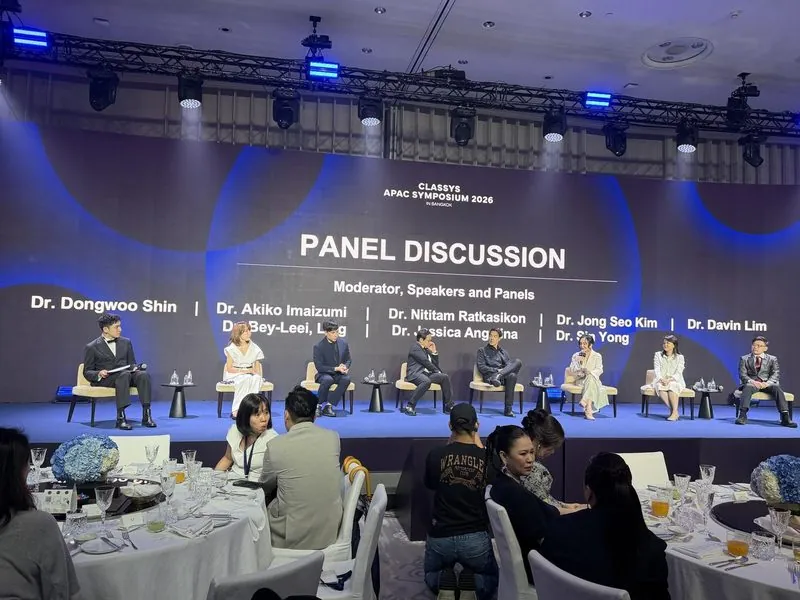
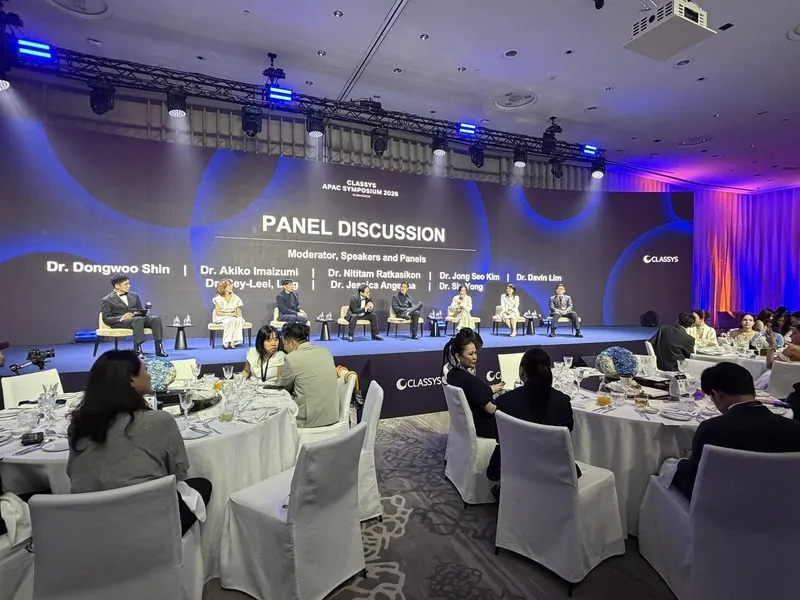
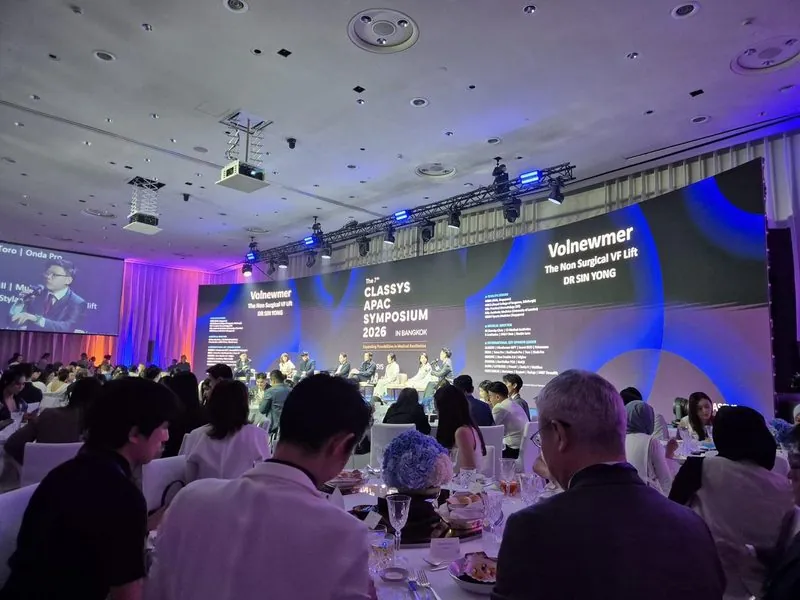
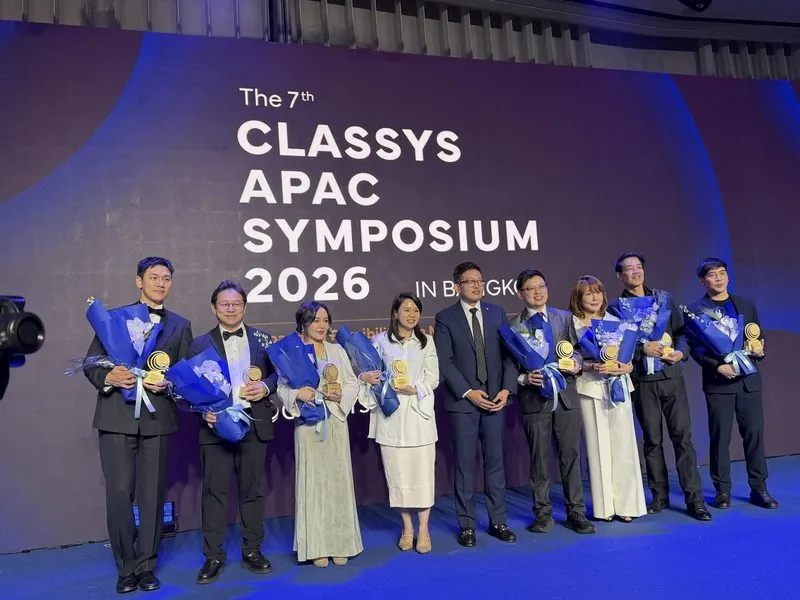
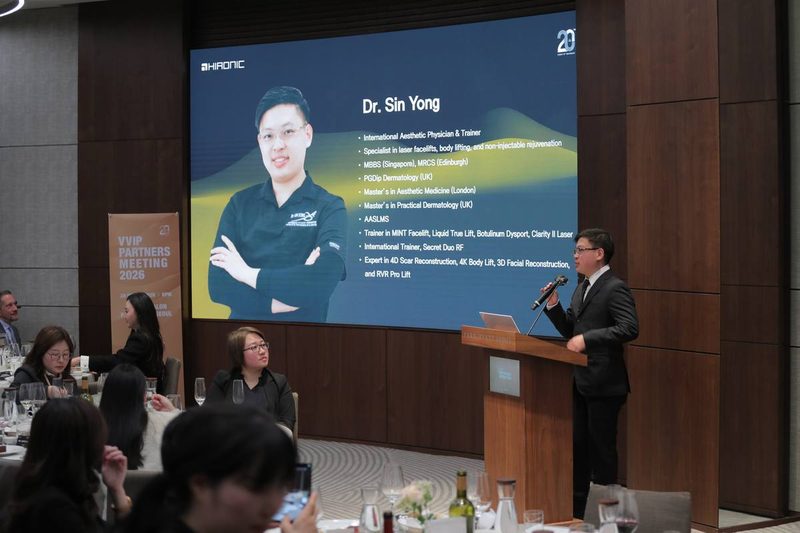
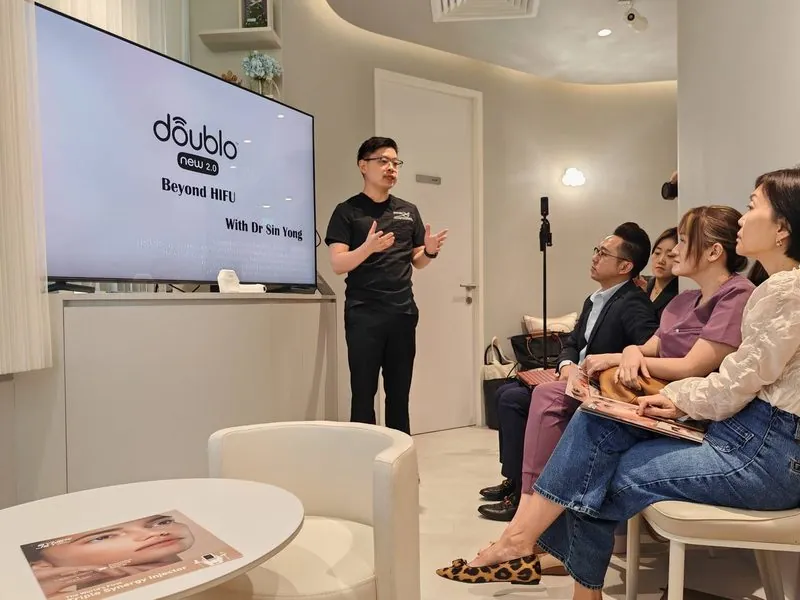
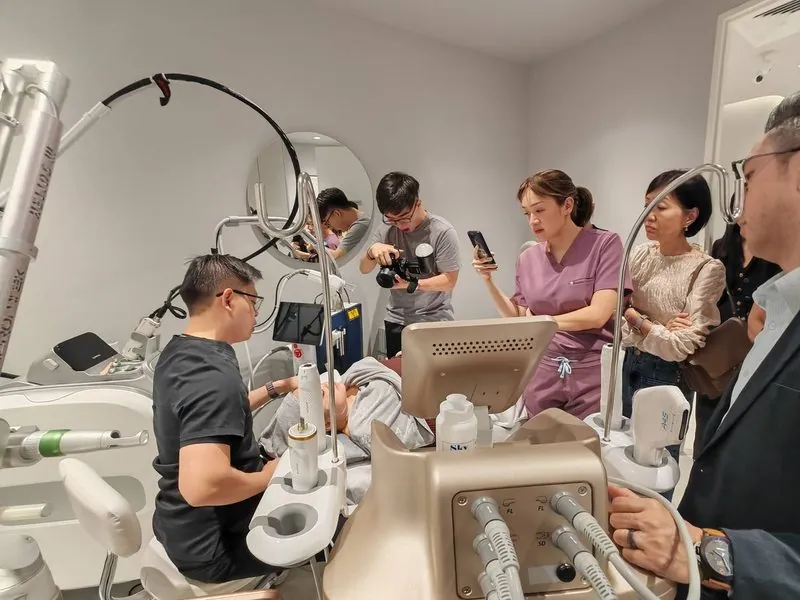
Dr Sin Yong is an aesthetic physician on Orchard Road, Singapore (MBBS NUS · MRCS Edinburgh · MSc Aesthetic Medicine · MSc Practical Dermatology), focused on non-surgical facelifts, acne scar reconstruction, filler correction and precision body sculpting.
Dr Sin Yong brings together more than 15 years of medical and aesthetic expertise, trained extensively in Plastics, ENT and Anaesthesia at the National University of Singapore. He holds dual Masters degrees in Aesthetic Medicine (London) and Practical Dermatology (UK), with a distinction in his postgraduate diploma.
As an internationally acclaimed speaker and Key Opinion Leader for CLASSYS, DEKA, HIRONIC, FOTONA, ALMA, LUTRONIC and major injectable brands, he has helped patients across Asia sculpt and restore their natural appearance — without the distortion of excessive filler or the risks of surgery.
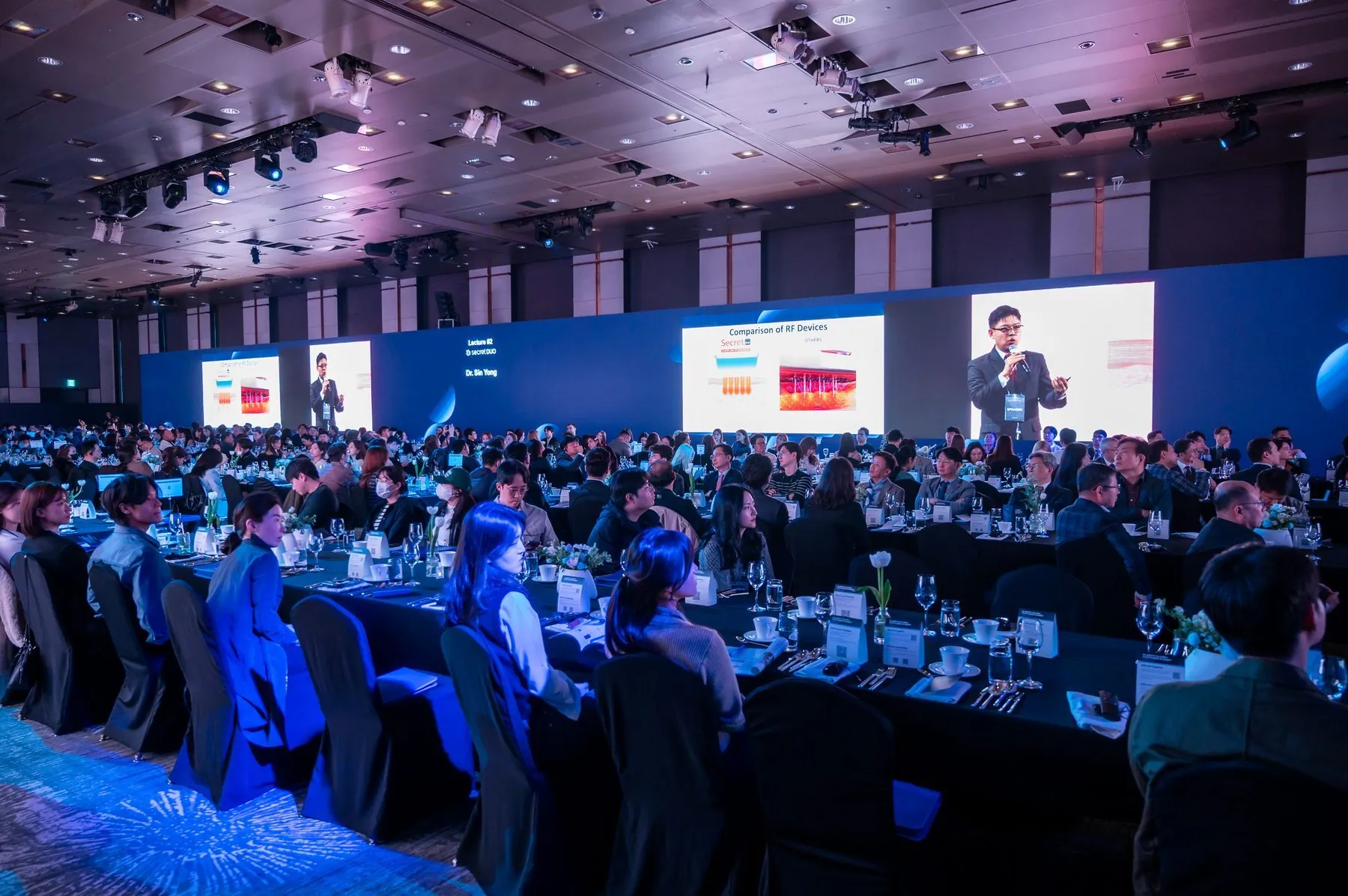
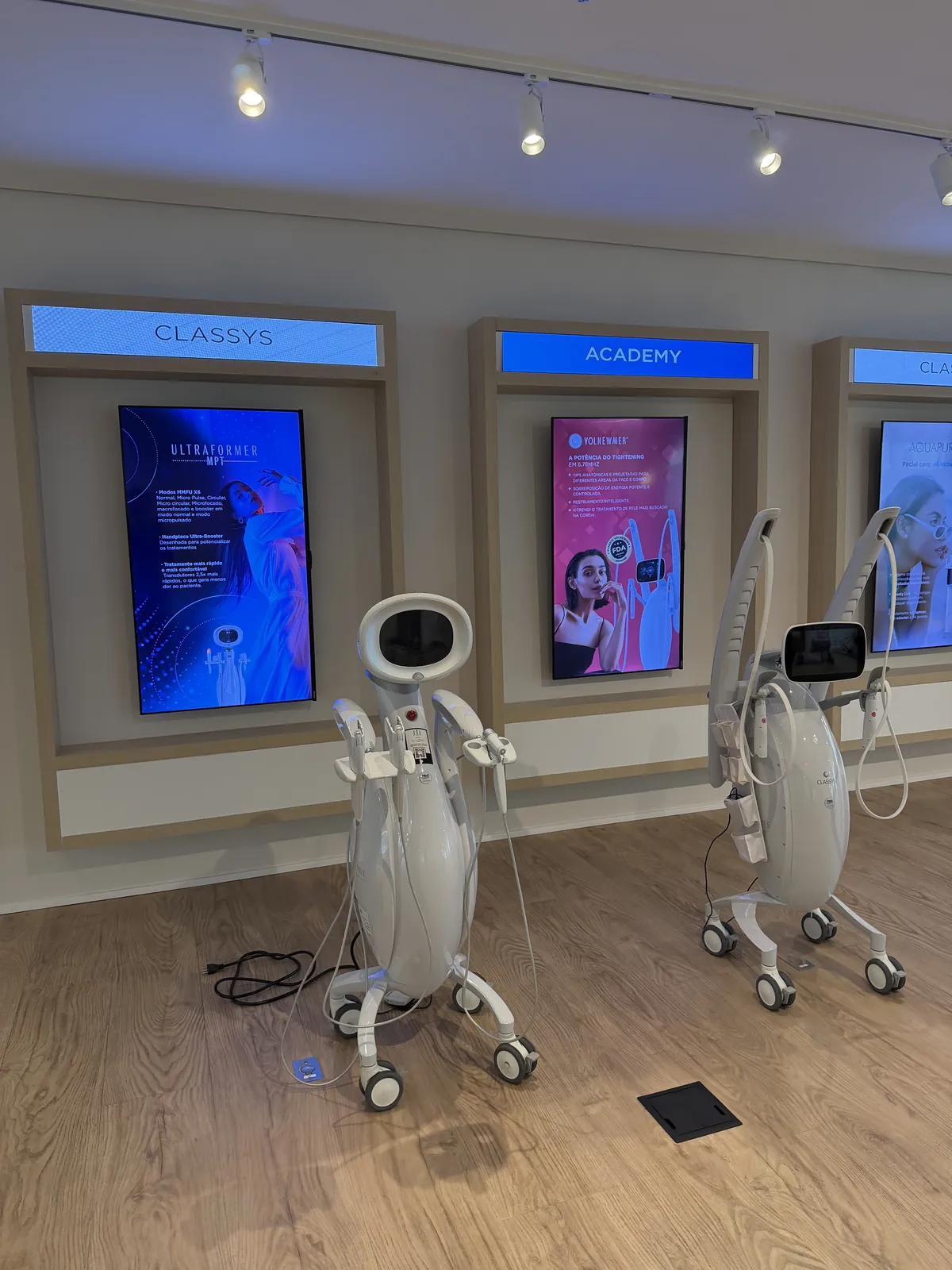
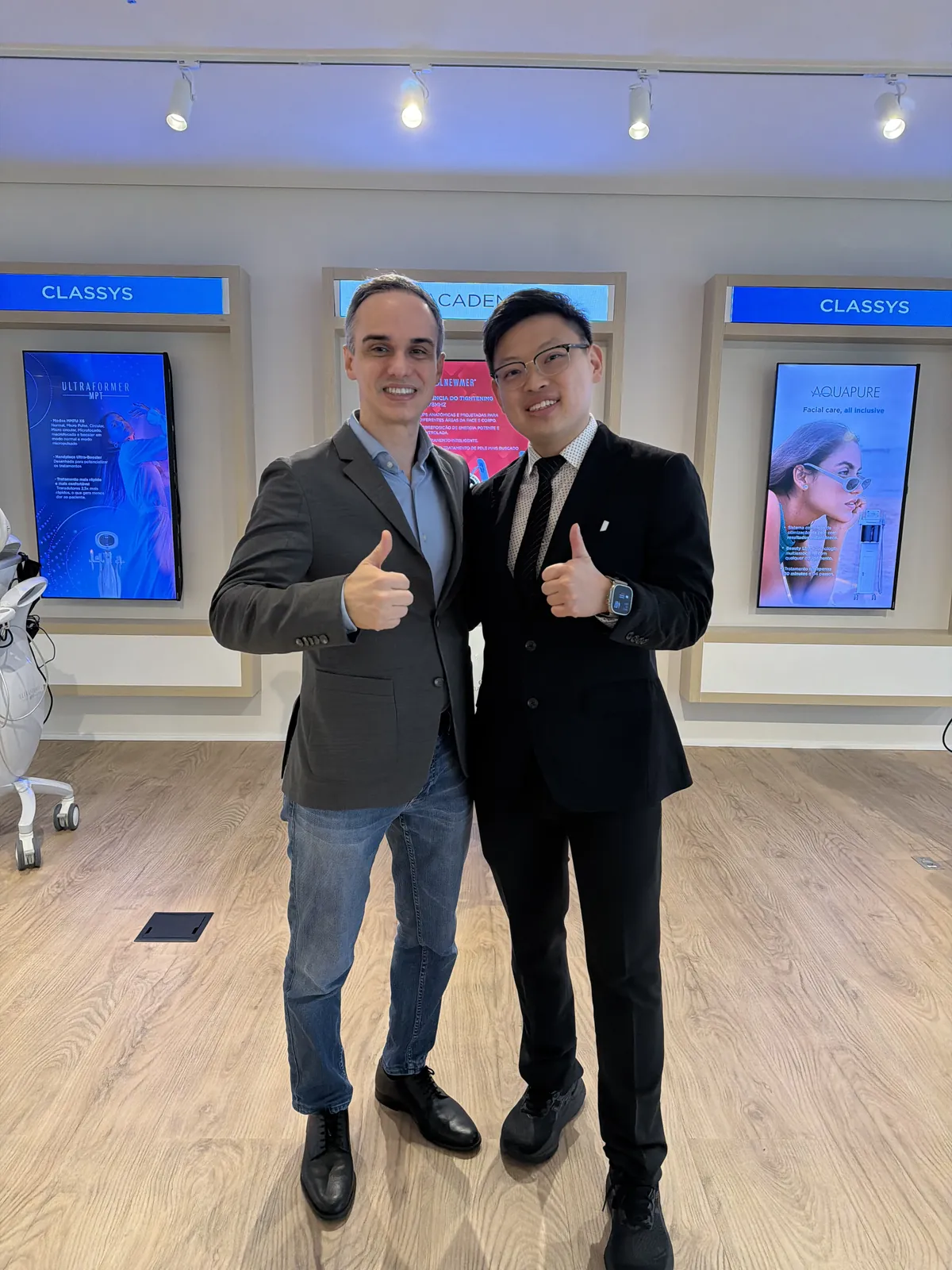
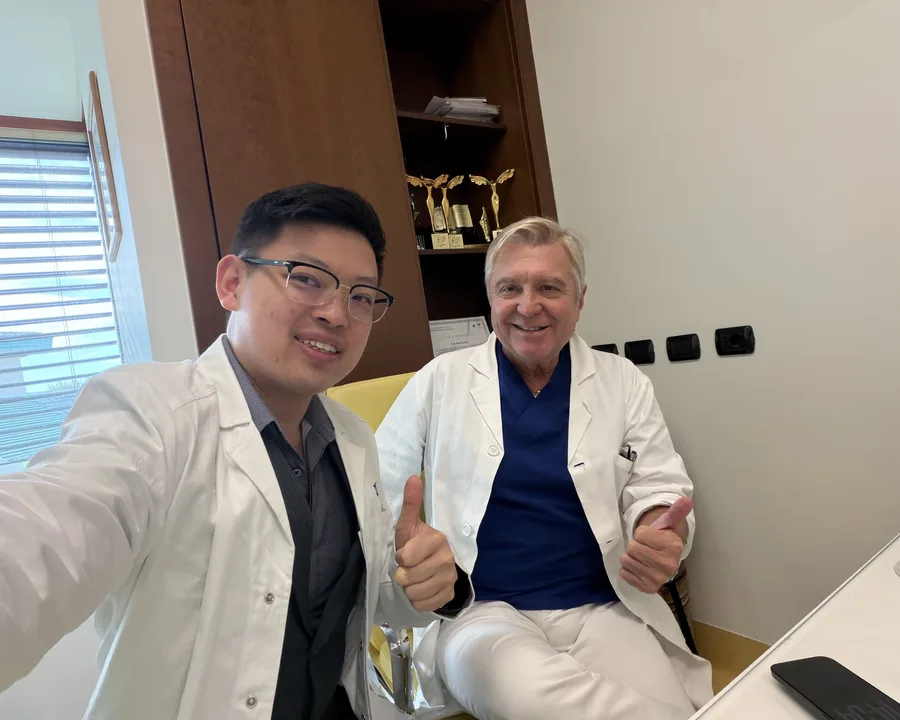
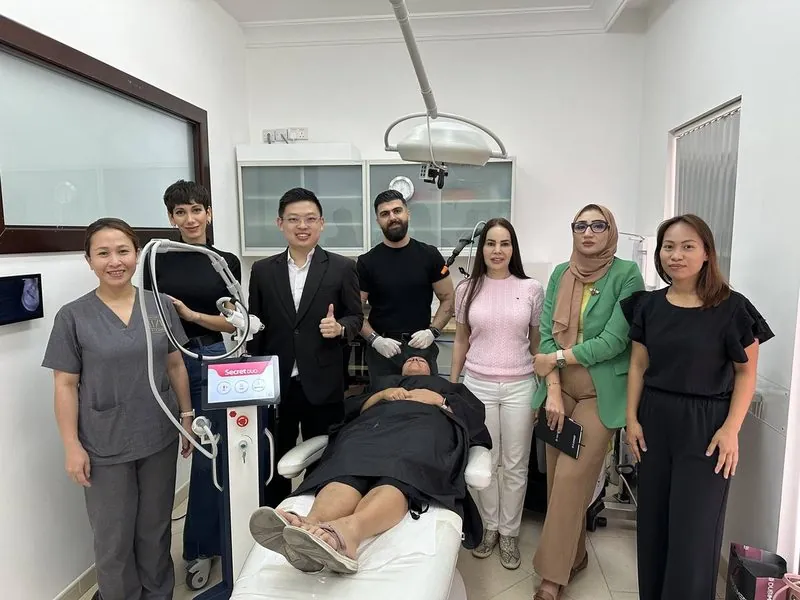
CLASSYS is the Seoul-headquartered manufacturer behind Ultraformer MPT, Volnewmer and Secret Duo, operating in more than seventy countries. In September 2026 CLASSYS and MedSystems, their partner in Brazil, flew Dr Sin Yong sixteen thousand kilometres to São Paulo, invited to CLASSYS Academy as their Global Key Opinion Leader to share his clinical expertise with their own team.
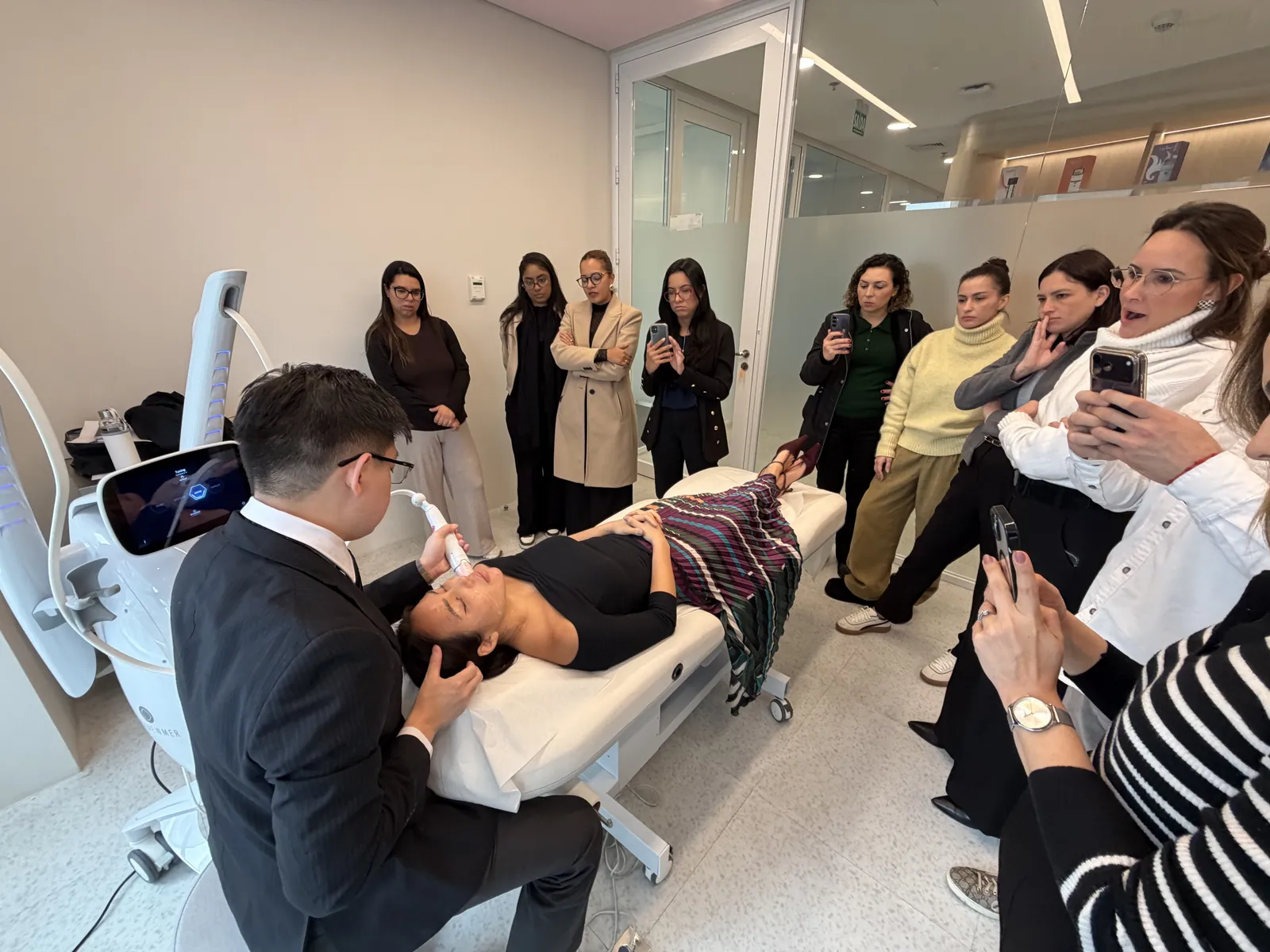
Two days. Two platforms. Two protocols of his own. Day One on Volnewmer 6.78 MHz monopolar radiofrequency and the VF Lift; Day Two on Secret Duo, working at the bedside with Brazilian specialists Dr Rogério Marques and Dr Ana Carbone, followed by a peer visit to dermatologist Dr Renata Violato.
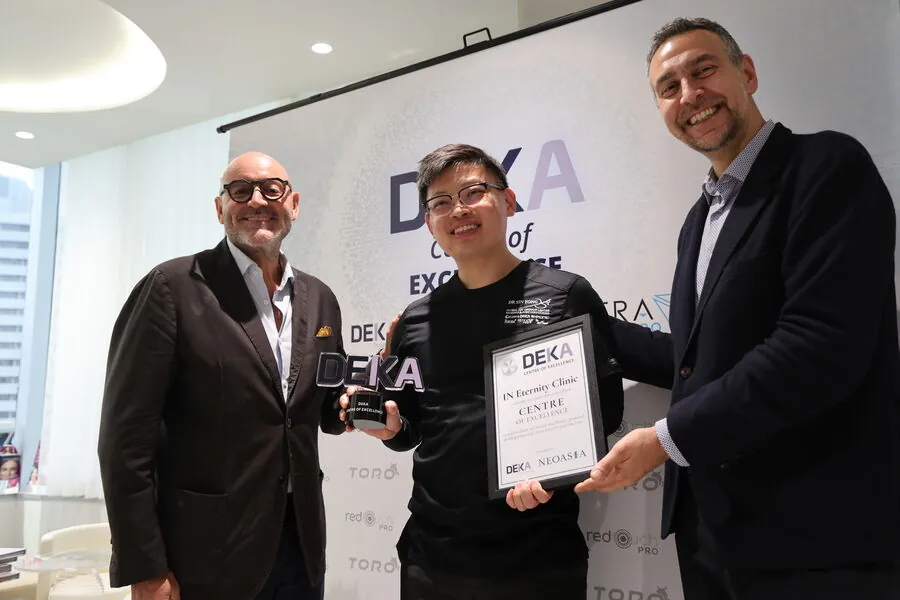
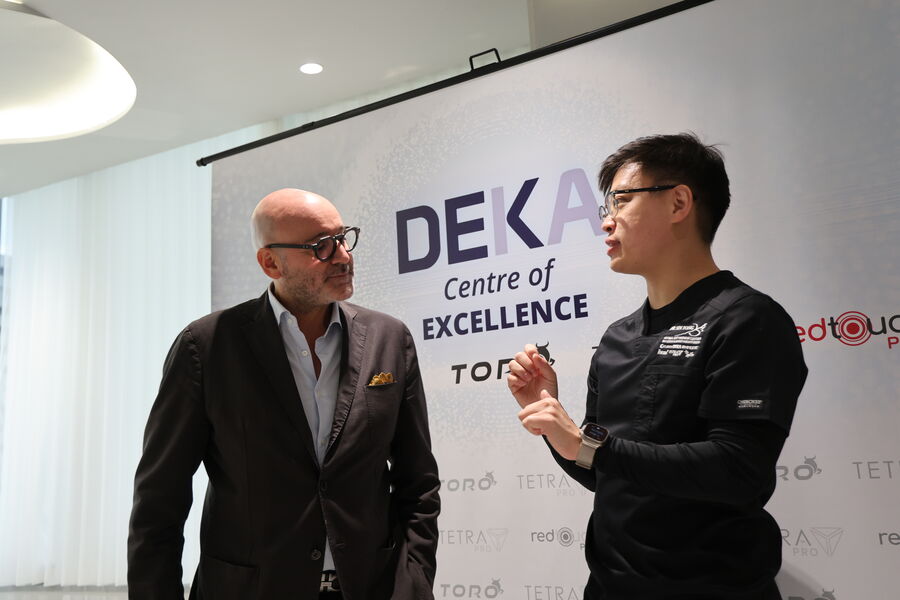
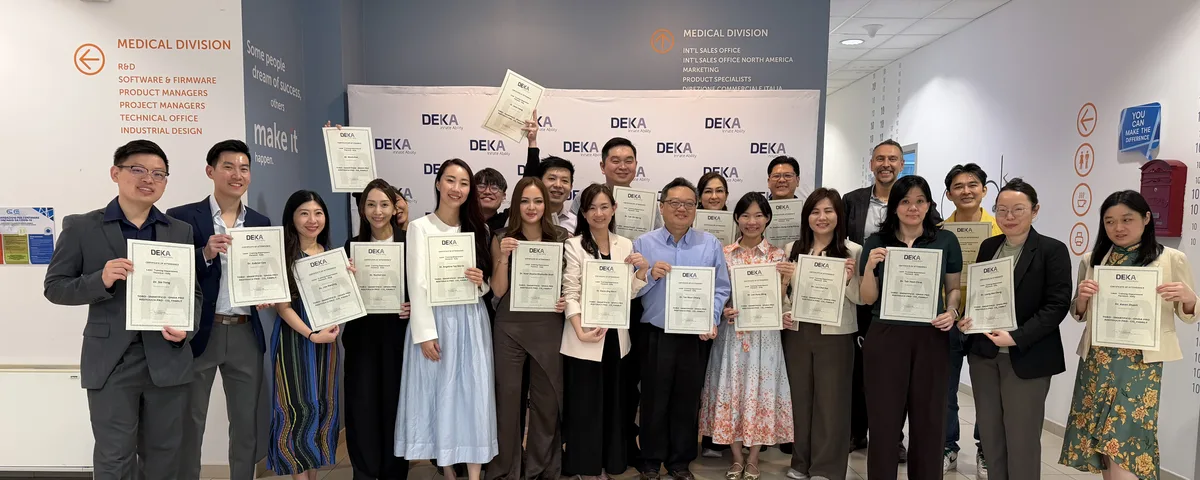
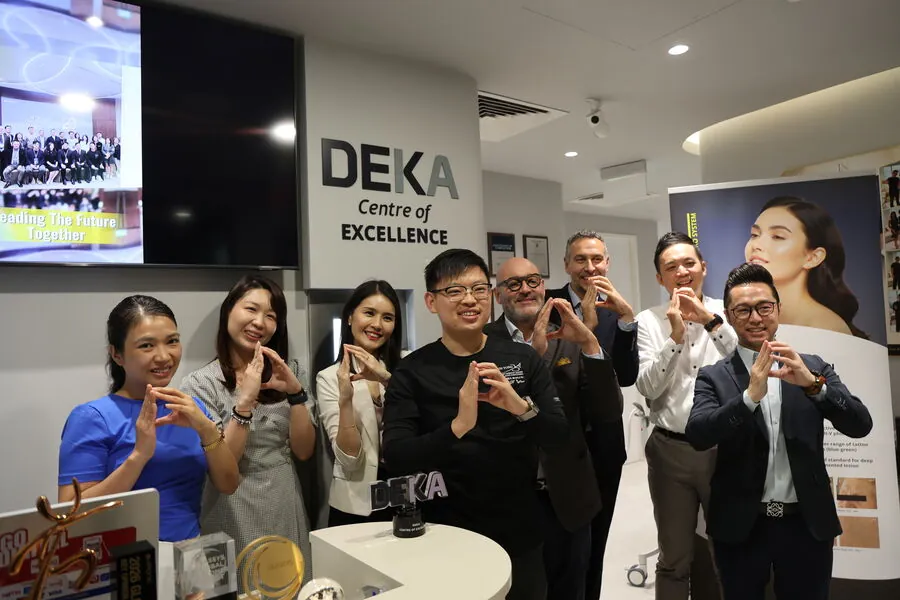
DEKA is a medical laser manufacturer founded in Florence, with roots in laser physics going back more than four decades. Its Centre of Excellence programme certifies a small number of clinics internationally — on clinical standards, protocol development and patient care rather than purchase volume.
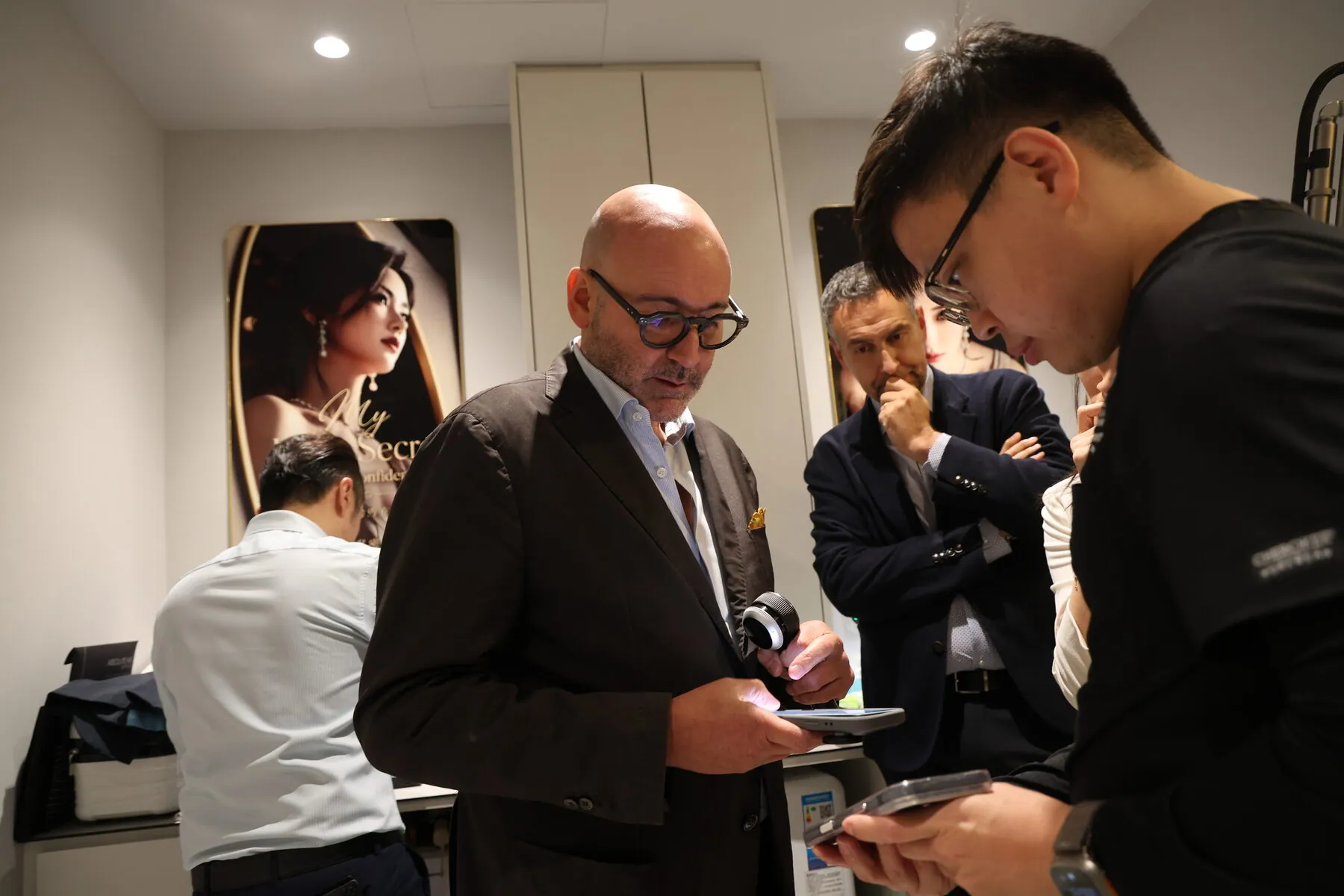
In July 2026 a delegation travelled from Italy for a full working day with Dr Sin Yong. Not a product demonstration — a two-way clinical exchange on settings, handpiece selection and protocol design, reviewed against the skin types most commonly seen in Singapore.
Dr Sin Yong's signature non-surgical facelift in Singapore. Specialised laser energy is directed at sagging jowls, nasolabial folds and double chin along the jawline — a non-surgical approach without general anaesthetic; recovery is discussed at consultation.
A non-surgical face lift in Singapore using Volnewmer monopolar radiofrequency (6.78 MHz), applied along vertical vectors and customised for face and body, for vertical lifting and a sculpted V-shape contour without a scalpel.
High-definition body contouring and non-surgical fat reduction in Singapore. Sculpts stubborn abdomen, flank, arm and thigh fat, tightens loose skin and refines definition — a non-surgical approach without general anaesthetic; recovery varies. Ideal for post-pregnancy and postpartum slimming.
Pillow face correction in Singapore for patients who have had excessive dermal filler elsewhere. Dr Sin Yong safely dissolves and reshapes — restoring natural, youthful facial contours and correct proportion without distorting your features.
Precision acne scar treatment in Singapore — laser resurfacing calibrated to scar type, depth and skin tone. Directed at icepick, boxcar and rolling acne scars, with recovery planned around the settings used and discussed at consultation.
Dr Sin Yong's flagship acne scar reconstruction protocol in Singapore. Rebuilds severely scarred skin at the cellular level — energy depth, pulse duration and wavelength individually calibrated per scar, per patient — for long-term scar improvement.
Dr Sin Yong's proprietary thread lift and vertical restoration protocol in Singapore — a multi-modal, non-surgical facelift combining absorbable thread lifting with energy-based tissue tightening directed at vertical lift of the mid-face, jawline, brow and neck. A more comprehensive non-surgical approach to facial sagging and laxity — the considered step before surgery.
These are the proprietary techniques Dr Sin Yong developed — protocols developed in his own practice, refined over 15 years of clinical practice and sharing his clinical expertise internationally.
“A face does not age in one plane, so it cannot be corrected in one. That is the whole reason a single device is never a plan.”
Dr Sin YongOn why no one machine is an answer
Every consultation begins not with a treatment menu, but with listening. The right protocol is the one that addresses your specific anatomy, concerns, and life — nothing more, nothing less.
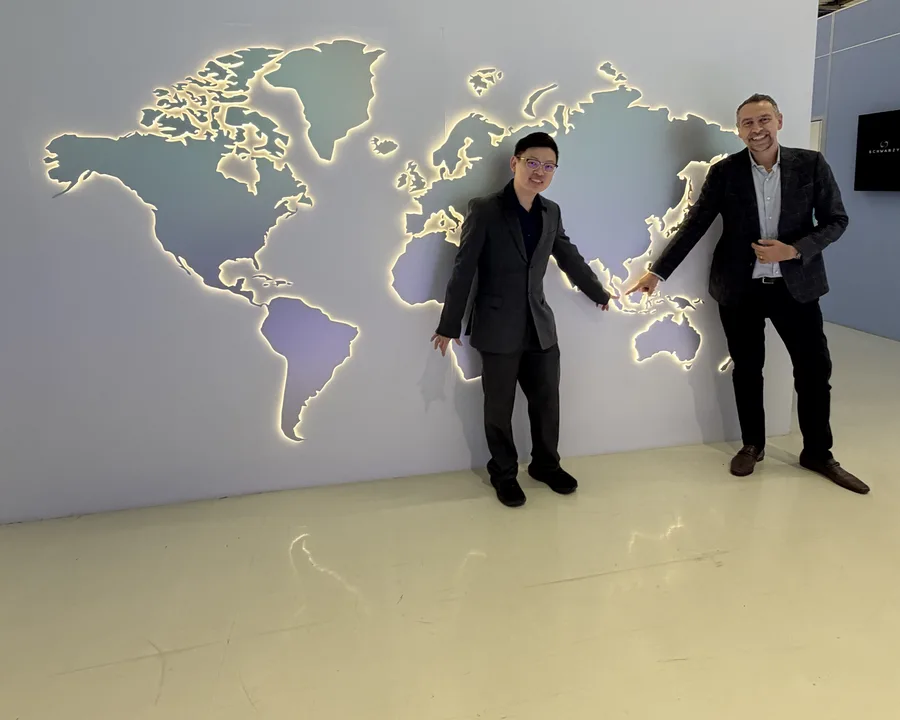
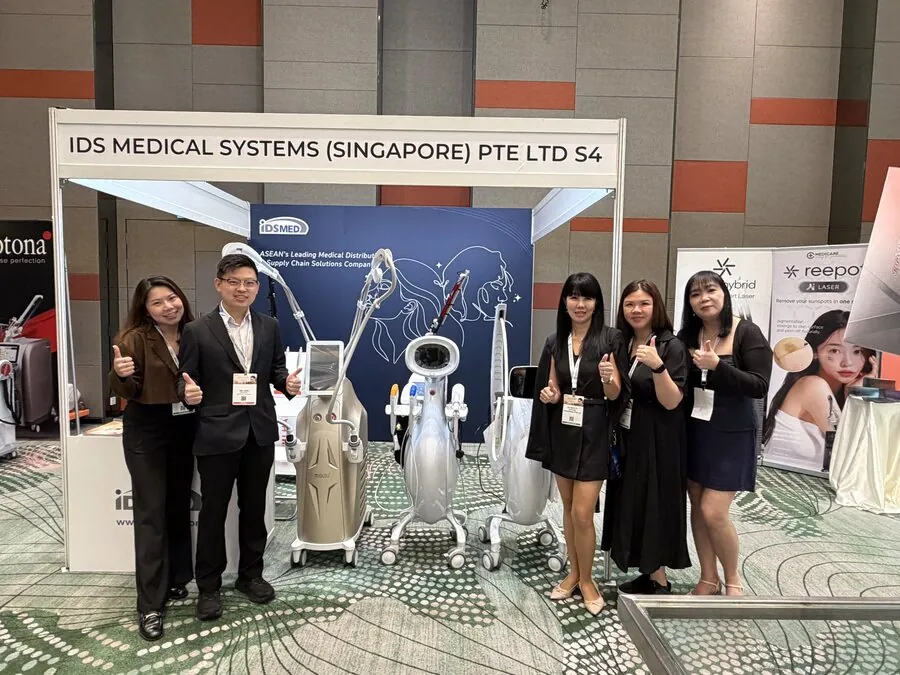
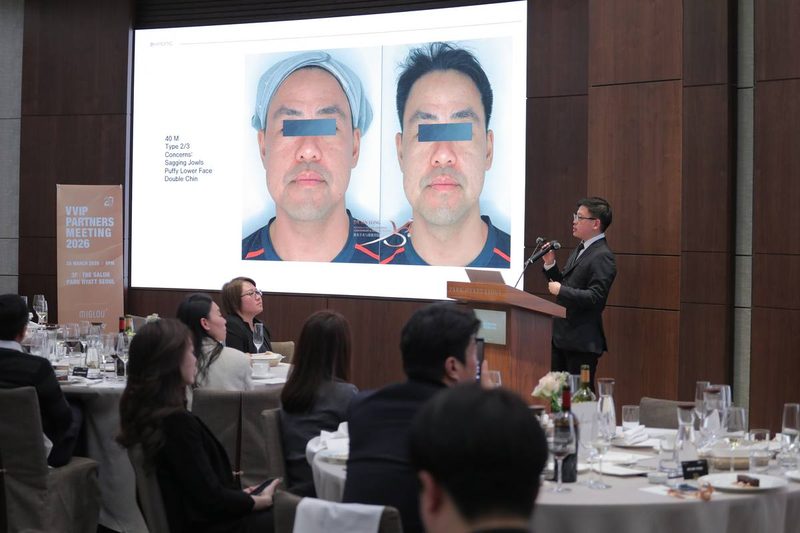
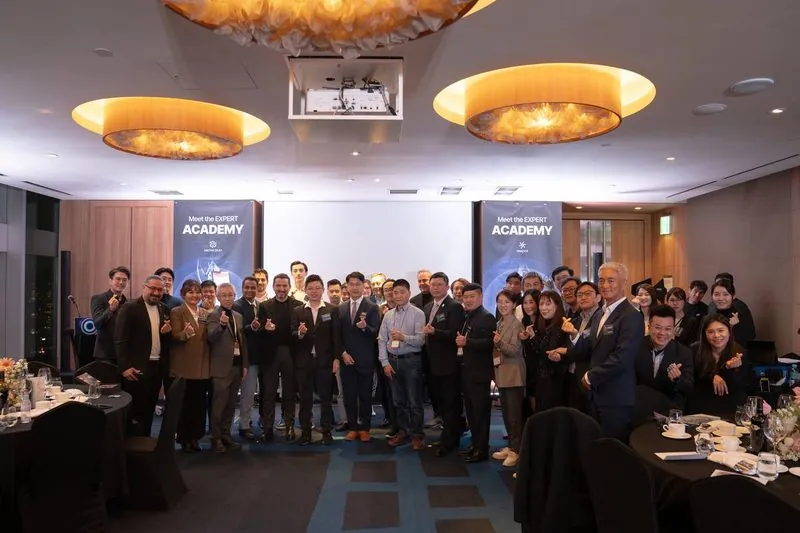
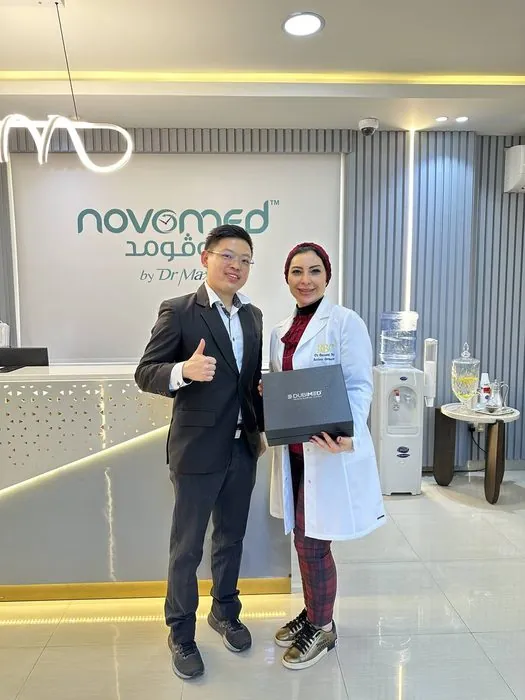
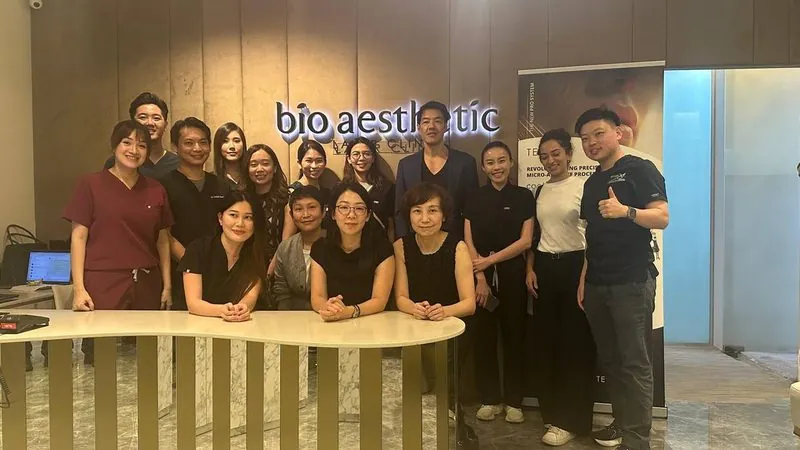
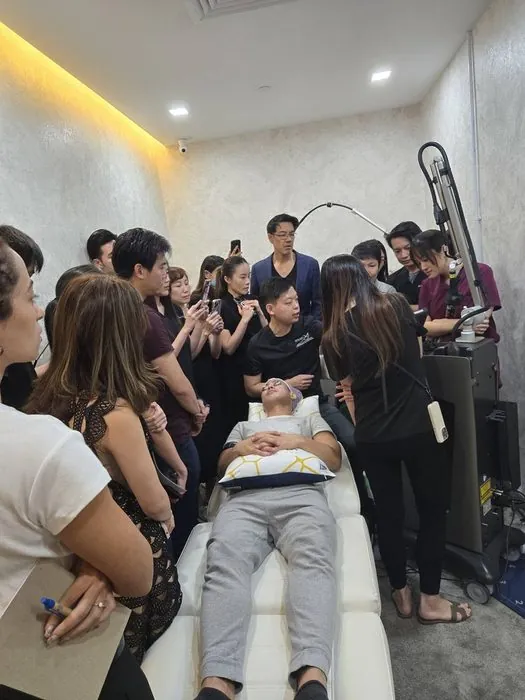
As a Key Opinion Leader for 14+ global aesthetic brands, Dr Sin Yong regularly speaks at international summits, is invited to share his clinical expertise with physicians across Asia and the Middle East, and leads live demonstration workshops from Singapore to Seoul to Dubai.
Four mechanisms, four tissue layers — which answers which complaint
What a filler occupies, what it cannot lift, and how over-filling is corrected
PDO, PCL and PLLA; the plane, the vector, and the limits
Which dark circles respond to filler, and which never will
The clench test that sorts muscle from bone and fat
Why the same laser helps one and worsens another
Singapore Medical Council. Guidelines on Aesthetic Practices for Doctors, 2016 Edition. source
Singapore Medical Council. Ethical Code and Ethical Guidelines, 2016 Edition (in force 1 January 2017). source
Health Sciences Authority. Infosearch — register of health products and medical devices approved for supply in Singapore. source
All consultations are personally conducted by Dr Sin Yong. We recommend an unhurried initial consultation to understand your concerns, discuss options, and build the right protocol for you — with no obligation.
Use the short enquiry form instead →
Leave your name, mobile number and email and the clinic will contact you directly. No obligation.
Medically reviewed by Dr Sin Yong, MBBS (NUS), MRCS (Edinburgh) · Last updated 5 October 2026 · Editorial policy
An aesthetic clinic in Singapore should be led by a doctor registered with the Singapore Medical Council, and that registration can be checked on the SMC's public register. Registration tells you the person holding the needle is a doctor; it does not tell you how they practise. For that, notice whether the first visit is an assessment of your face or skin, or a sales conversation about a device.
Credentials are worth reading closely. A basic medical degree is the baseline; postgraduate qualifications in aesthetic medicine or dermatology, and invitations to share clinical expertise with other physicians, say more about depth. Singapore does not recognise aesthetic medicine as a specialty, so a doctor in this field holds no specialty title, whatever a clinic's branding suggests.
The SMC's guidelines also shape what clinics may say in public. Photographs of results, testimonials and price-led advertising are restricted, which is why this site has no gallery of results and explains cost factors instead of quoting figures.
Useful questions to ask: who will perform the treatment, what happens if a complication occurs, and what the doctor would suggest if the answer is no treatment at all.
This is a doctor-led practice on Orchard Road. Dr Sin Yong assesses every patient personally, and the consultation begins with the structure of the face or the condition of the skin rather than with a treatment menu. The options that follow are explained with their limits, and one of them is always no treatment.
Where a condition calls for it, he uses protocols he developed himself and has been invited to present to physicians internationally: the VF Lift – Vertical Facelift on monopolar radiofrequency for facial lifting, the 4K Body Lift for high-definition body contouring, the Time Freeze Laser LCLR® for laser skin tightening, the S3 Resurfacing Lift for acne scars, and the FSX Laser for skin texture. Each is matched to an assessed problem, not offered as a default.
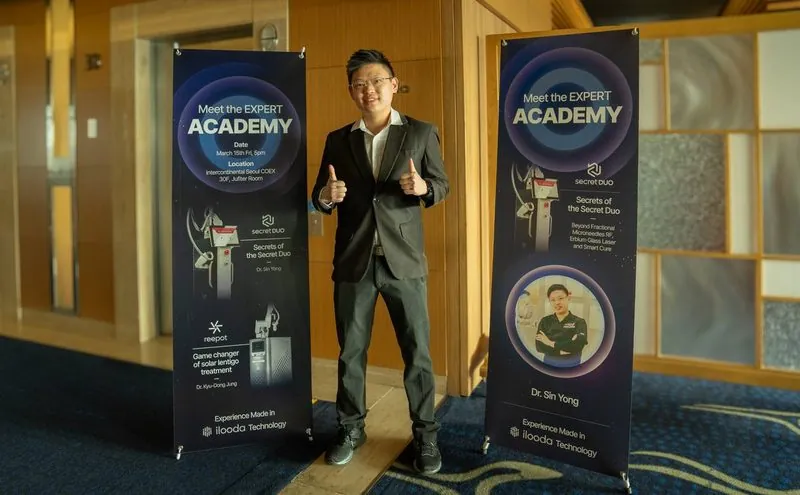
He holds international Key Opinion Leader roles with CLASSYS, DEKA, HIRONIC, Fotona and ilooda, which means he is regularly invited to share his clinical expertise with other doctors in Seoul, Dubai, Bangkok and São Paulo. That work keeps the practice current, but it does not change the sequence here: a diagnosis first, then options, then your decision.