What do skin tags look like?
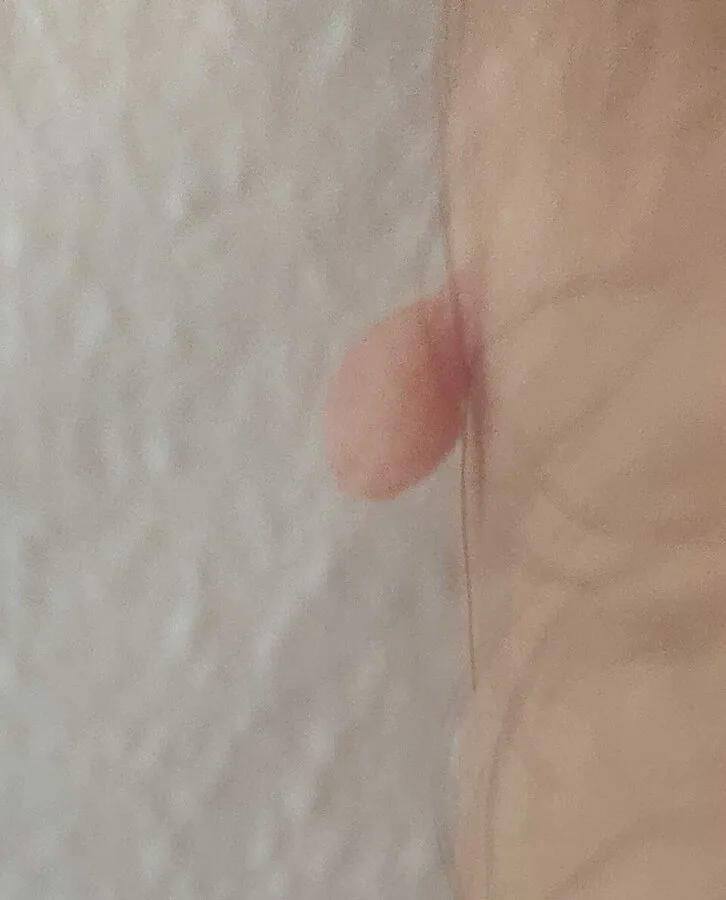
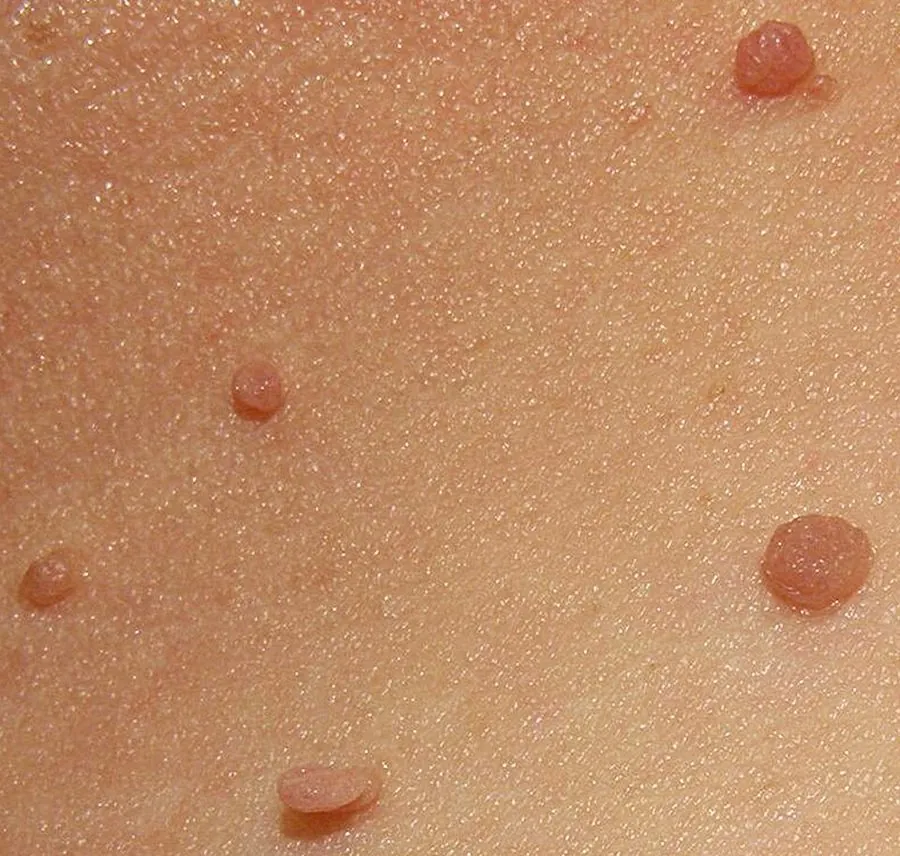
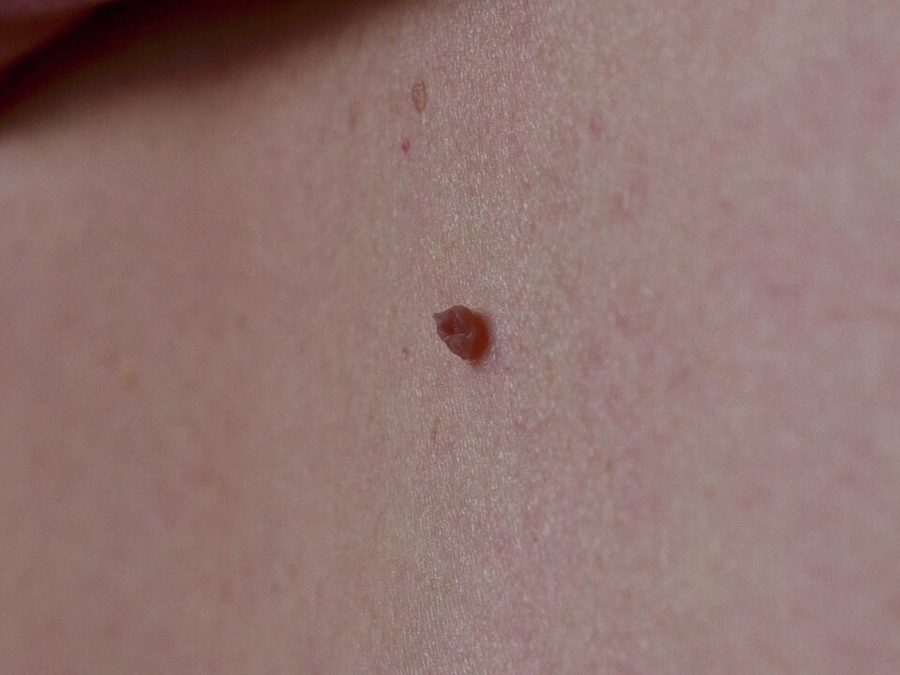
Why do skin tags grow where they do?
The distribution gives the mechanism away: tags cluster precisely where skin experiences chronic, low-grade friction — fold against fold, collar against neck. Repeated mechanical stress in predisposed skin drives a small outgrowth of collagen and vessels that the epidermis obligingly covers, producing the classic soft papule on a stalk [1,2]. Age, genetics, pregnancy hormones and weight gain all raise the count. They are not warts and carry no virus in the typical case — another skin-tag myth that survives on resemblance alone.
What a crop of tags can signal
One tag means nothing. Numerous tags are worth a sentence of internal medicine: the literature repeatedly associates multiple acrochordons with insulin resistance, obesity and metabolic syndrome — the tags themselves are harmless, but they can be a visible marker of a metabolic pattern worth checking with simple blood work [1]. It is a conversation, not an alarm. Separately, anything atypical — a “tag” that is firm, pigmented, growing or bleeding without friction — steps outside the pattern and earns proper diagnosis before removal, the same rule as for seborrhoeic keratoses.
What actually works for skin tags?
In-clinic removal is quick and definitive: fine-scissor snip excision for pedunculated tags, electrocautery or laser for small or numerous ones — each takes seconds per lesion, with local anaesthetic where useful [2]. Eyelid tags call for the most careful technique and are still routine clinic work. Removed tags do not regrow; new ones can appear in the same friction zones over the years, so patients with a strong tendency often book a periodic tidy-up. Where the neighbouring concern is the underarm itself — sweat, odour, shadowing — the underarm programme covers that territory.
What doesn't work for skin tags?
The string method — tying off a tag at home invites infection, incomplete removal and unnecessary pain for something a clinic ends in seconds. Nail scissors — bleeding and infection risk without sterile technique. Over-the-counter freeze products near the eyes — genuinely dangerous. And tag-removal creams and patches — a fibrovascular stalk does not dissolve; irritated skin around an intact tag is the usual result.
If the lesion in question is a true mole rather than a tag, Dr Sin Yong’s dermatoscopy-first mole removal protocol applies — the mole is scoped and assessed before any removal method is chosen.“A skin tag is harmless — but many skin tags are occasionally a message about metabolism, and that message is worth one blood test, not ten home remedies.”
— Dr Sin Yong
Dr Sin Yong’s Viewpoint
Skin tags are trivial to remove and interesting to count. One means nothing; a neck full of them is occasionally the skin flagging insulin resistance, and I would rather order one blood test than remove twenty tags in silence. The tags take seconds; the conversation might matter for years.
Prefer Not to Use WhatsApp?
Use the short enquiry form instead →
Leave your name, mobile number and email and the clinic will contact you directly. No obligation.
Prefer a preliminary view first? You can also WhatsApp a photo of the area for Dr Sin Yong to review before you decide on a visit.