What do enlarged pores look like?
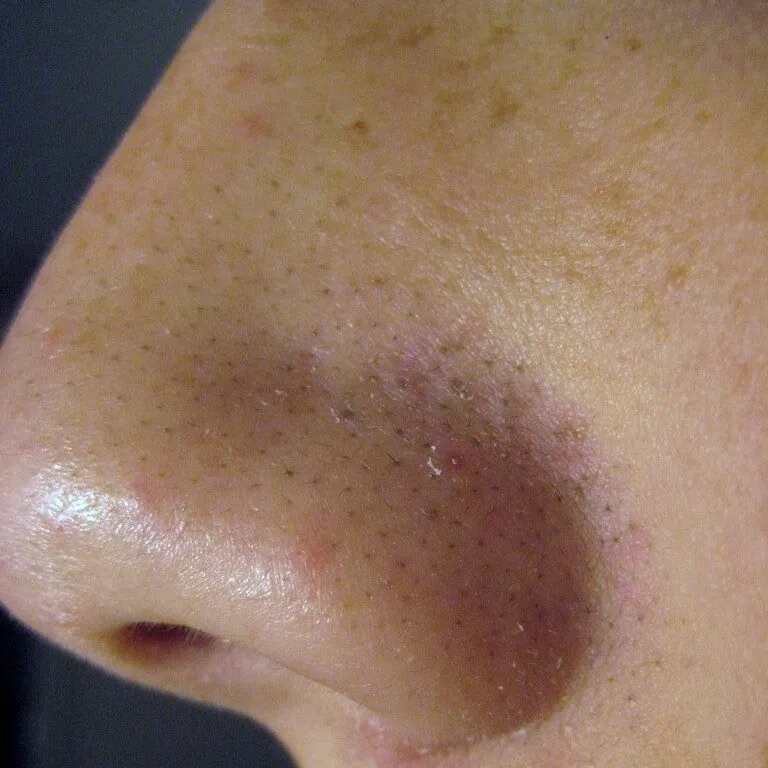
Why do pores enlarge and texture roughen?
Each pore is the opening of a pilosebaceous unit. Two things make it look larger: sebum production physically distending the opening, and age- or sun-weakened collagen around the follicle letting the opening slump into an oval. Surface roughness compounds it — old acne micro-scars, photodamage and irregular collagen scatter light instead of reflecting it, which is what the eye reads as “dull, uneven skin”. None of these are dirt; a pore is not something you can scrub open or steam closed.
What actually works for texture and pores?
Structure responds to structural treatment. Fractional lasers create controlled micro-columns of injury that trigger collagen renewal in the surrounding skin — evidence reviewed across fractional CO2 and radiofrequency microneedling platforms shows measurable improvement in atrophic texture [1], and picosecond fractional systems achieve remodelling with less downtime, with randomised data in Asian skin specifically [2] — relevant in Singapore, where post-inflammatory pigmentation risk shapes device choice. Dr Sin Yong's FSX Flawless Smooth Skin protocol and R2 Glow work this axis; oil-driven pores also need the sebum side managed via the acne programme.
What doesn't work for texture and pores?
Pore strips remove oxidised sebum plugs — the pore refills within days. “Pore-minimising” toners tighten the surface transiently. Steam neither opens nor closes anything, because pores have no muscles. And no treatment, at any price, permanently shrinks a pore to invisibility: the honest goal is refinement — smaller-looking, light-reflecting, consistent skin — maintained over time.
Texture, scars, or pigment? Sorting the surface complaints
Run a fingertip across the area with eyes closed. If you feel irregularity, it is texture or scarring — see the acne scar programme for depressed scars. If skin feels smooth but looks patchy, the problem is pigment — see which brown is yours. The distinction decides the device.
“Nothing shrinks a pore. Refinement is real; erasure is a marketing claim.”
— Dr Sin Yong
Dr Sin Yong’s Viewpoint
Nothing shrinks a pore, and I tell patients this in the first five minutes. What we can honestly do is make pores look refined and skin reflect light evenly — which is what people actually want when they say 'smaller pores'. I would rather set an honest target and hit it than promise the impossible and manage disappointment.
Prefer Not to Use WhatsApp?
Use the short enquiry form instead →
Leave your name, mobile number and email and the clinic will contact you directly. No obligation.
Prefer a preliminary view first? You can also WhatsApp a photo of the area for Dr Sin Yong to review before you decide on a visit.