What does keratosis pilaris look like?
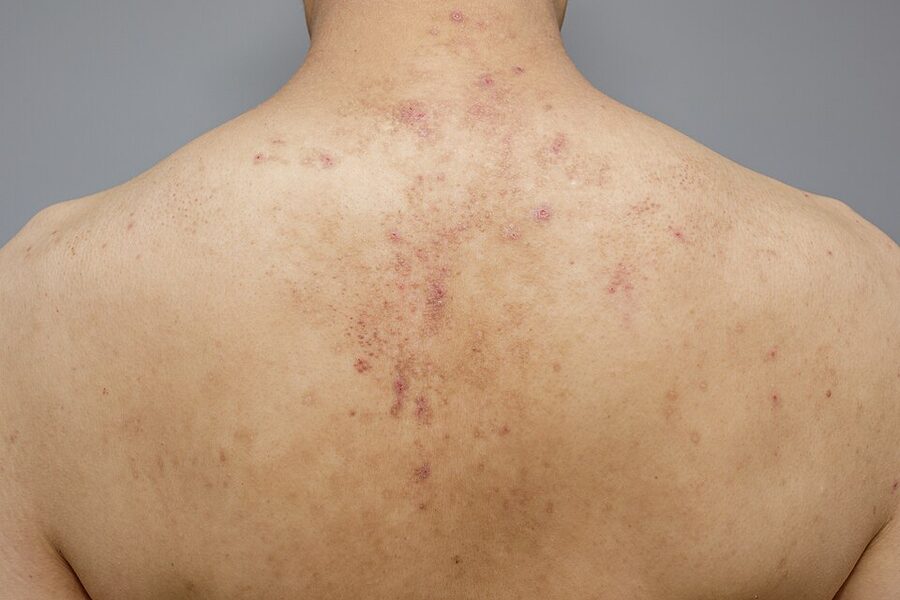
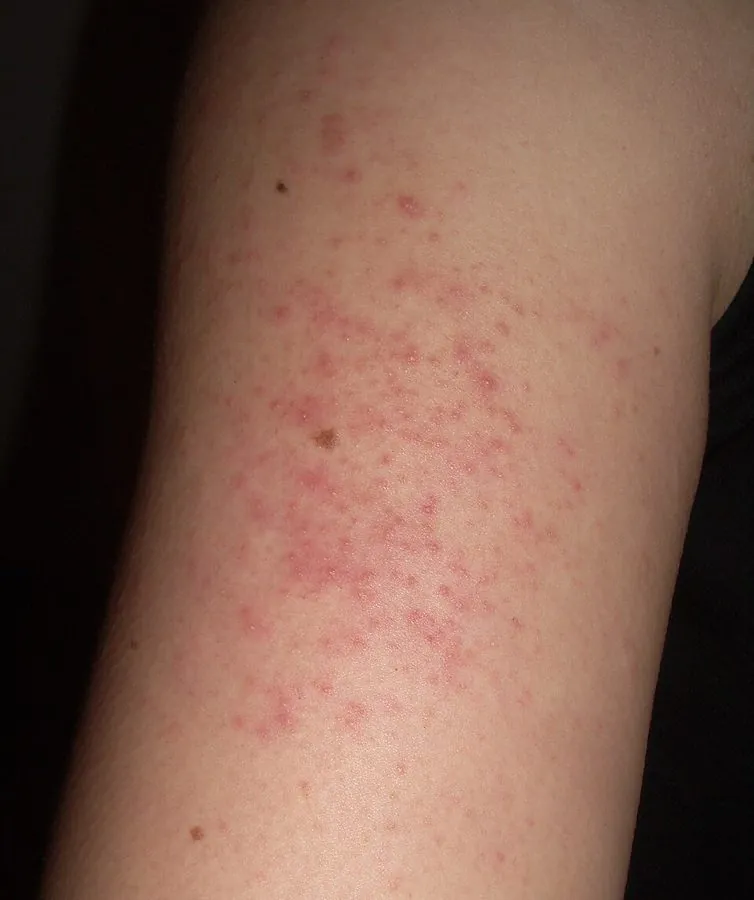
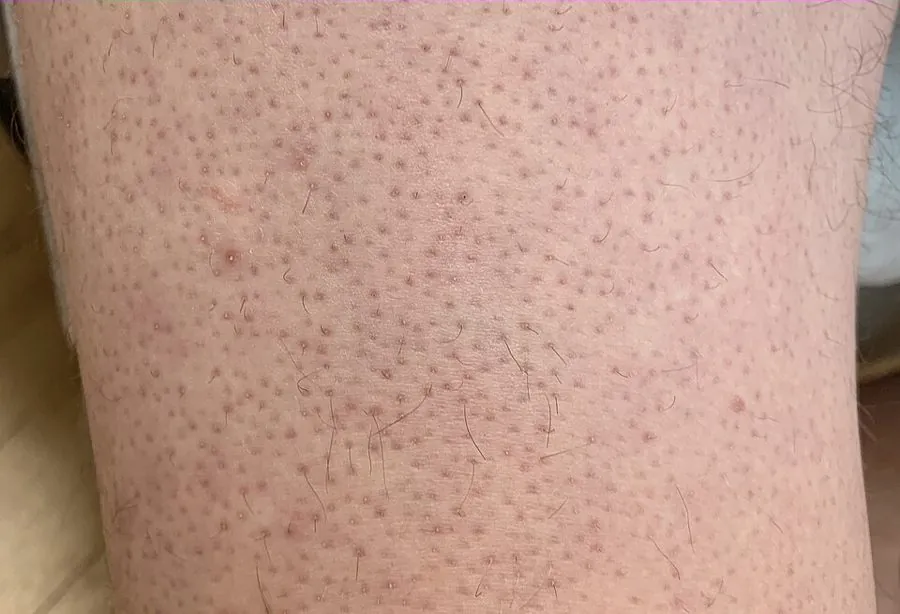
What are the rough bumps, actually?
Each bump is a follicle whose opening has been capped by a small plug of keratin — frequently with a fine hair coiled underneath it. Reviews of the condition frame it as a disorder of follicular keratinisation with strong genetic loading and a well-known association with dry skin and atopy [1]. Nothing is infected, nothing is clogged with “dirt”, and the bumps are not acne — three misunderstandings behind most of the scrubbing this condition attracts. Redness around the bumps (keratosis pilaris rubra) is part of the same spectrum.
Managed, not cured
KP is constitutional: the follicles that plug today will tend to plug again, which is why every honest treatment framing is maintenance. The evidence review of intervention studies supports keratolytic moisturisers — urea, lactic acid, salicylic acid — as the backbone, applied consistently rather than heroically [2]. Improvement takes weeks and reverses when stopped; that is the deal. The condition also tends to soften with age on its own — a rare piece of good news in dermatology worth saying out loud.
What actually works beyond moisturiser
For patients who have outgrown what creams can do, intervention studies report improvement in roughness and redness with laser-based approaches — vascular lasers for the red component and fractional or long-pulsed systems for texture — with the caveat that results in the literature are partial and maintenance still applies [2]. In Singapore skin, device and settings choice must respect pigment risk. Where KP sits alongside broader body-skin goals, laser-based smoothing programmes such as FSX can be assessed; where the real complaint is dark, rough follicles after years of friction and shaving, that conversation overlaps with laser hair removal, which addresses the trapped-hair component directly.
What doesn't work for keratosis pilaris?
Aggressive scrubbing — friction inflames follicles and deepens the redness; KP responds to chemistry (keratolytics), not force. Picking the bumps — trades a rough dot for a scar or a dark mark. Cutting out food groups — no diet has evidence here. And chasing a cure — a genetic keratinisation pattern does not have one, and anyone selling one is selling.
“Keratosis pilaris responds to chemistry, not force — you cannot scrub off a follicular plug without inflaming the follicle you scrubbed.”
— Dr Sin Yong
Dr Sin Yong’s Viewpoint
KP responds to chemistry, not force — and nearly every patient I see has spent years scrubbing at it. The honest programme is unglamorous: consistent keratolytic moisturising, gentle handling, and lasers only where creams plateau. It is also one of the few conditions that genuinely improves with age, which deserves saying out loud.
Prefer Not to Use WhatsApp?
Use the short enquiry form instead →
Leave your name, mobile number and email and the clinic will contact you directly. No obligation.
Prefer a preliminary view first? You can also WhatsApp a photo of the area for Dr Sin Yong to review before you decide on a visit.