Pico laser in Singapore: pigment, pores and the risk of darkening
Medically reviewed by Dr Sin Yong · Last reviewed · 12 min read
Published 7 October 2026 · Reviewed by Dr Sin Yong
A picosecond laser delivers energy in pulses about a trillionth of a second long, so pigment is fragmented mainly by a pressure effect rather than by heat. In Singapore it is used for sun spots, freckles, some post-inflammatory marks and, in fractional mode, skin texture. It acts on pigment already present and does not treat the drivers of melasma. In Fitzpatrick III to V skin the settings must suit the skin, because heat can darken pigment afterwards. Dr Sin Yong identifies the pigment first.
Also called: picosecond laser, pico toning, 皮秒激光, ピコレーザー
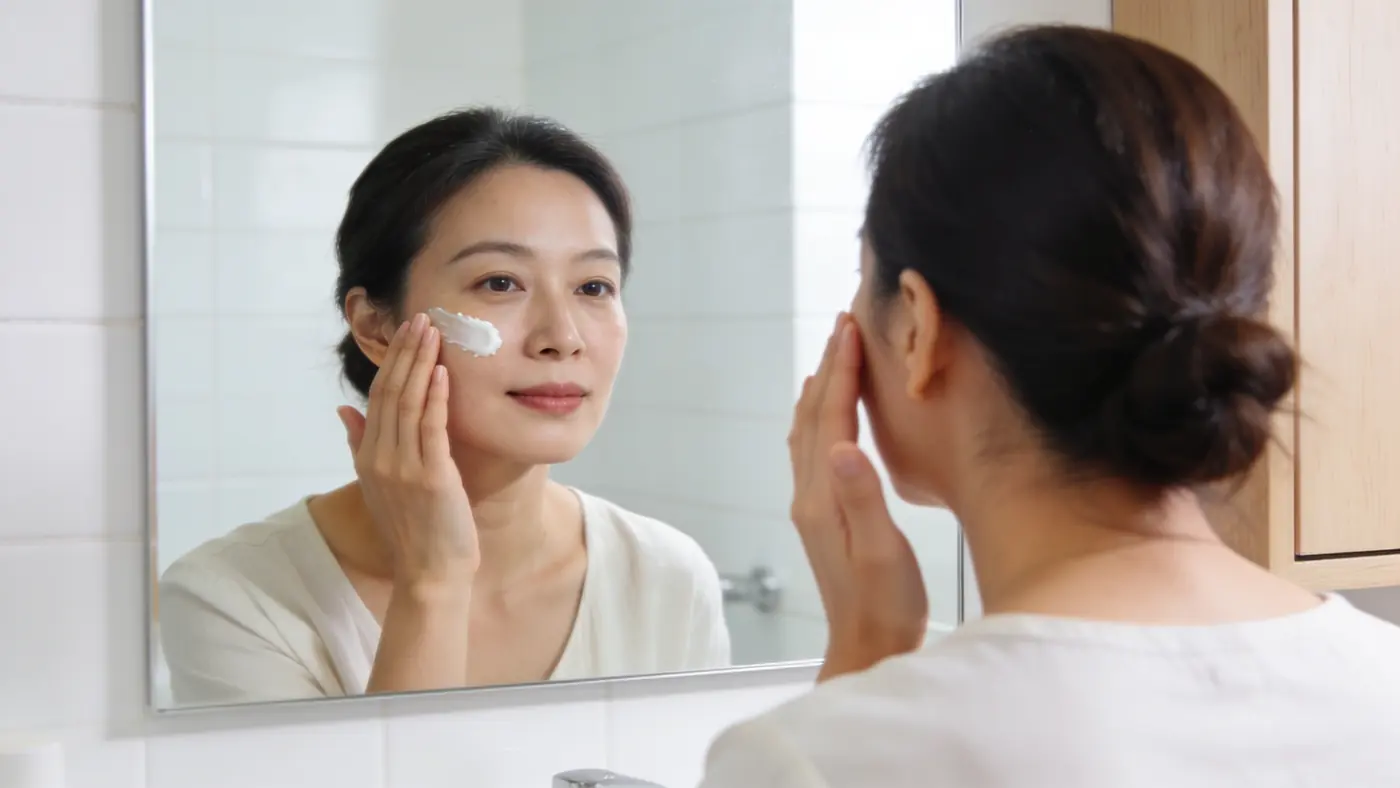
Illustrative image, not a patient. The pigment is identified before a wavelength or setting is chosen.
Key facts
What pico means
A unit of time: pulses of around a trillionth of a second, about a thousandfold shorter than a Q-switched pulse
Mechanism
Mainly photomechanical: pigment particles are fragmented by a pressure effect, with less heat spreading outward
Used here
T2 Frax Radiance protocol on the DEKA TORO: 785 nm picosecond, with 532 nm and 1064 nm nanosecond emissions
Suits
Sun spots, freckles, some post-inflammatory marks, and texture in fractional mode
Does not treat
The hormonal, vascular and ultraviolet drivers of melasma; laxity; redness from vessels; active acne
Main risk
Post-inflammatory hyperpigmentation in Fitzpatrick III to V skin if energy, interval or sun exposure is wrong
Fee
Set in writing after assessment; see how fees are quoted
Melanin, haemoglobin and water each absorb different wavelengths, which is why one laser does not suit every concern.
What does picosecond mean, and what does a pico laser do to pigment?
Pico is a unit of time, not a brand or a protocol. A picosecond laser delivers energy in pulses of around a trillionth of a second, roughly a thousand times shorter than the nanosecond pulse of a Q-switched laser. The pigment particle absorbing the pulse has no time to pass heat to the skin around it, so it is shattered mainly by a pressure wave rather than heated, and the body then clears the fragments.
That difference matters in Fitzpatrick III to V skin, the range that covers most patients in Singapore. There is more melanin in the epidermis to absorb stray energy, and inflammation is what drives post-inflammatory hyperpigmentation, the darkening that follows injury. Less heat spreading outward means less of that inflammation. It is a difference in how energy is delivered, not a promise about what will happen to a particular face, and the wavelength and energy still have to be chosen for the skin in front of the doctor.
How does Dr Sin Yong use pico laser, and which wavelengths are involved?
Pico laser here is delivered as the T2 Frax Radiance protocol on the DEKA TORO platform. Its picosecond emission is at 785 nm, used for pigment and tone, and the same system carries 532 nm and 1064 nm nanosecond emissions and a longer thermal pulse. The T2 Frax Radiance page describes the two halves of the name, tone and tighten, and what the platform specifies.
Wavelength follows where the pigment sits. 532 nm is absorbed strongly by melanin and does not travel far, so it is directed at superficial pigment such as sun spots and freckles. 1064 nm penetrates further and is absorbed less by epidermal melanin, which makes it the more conservative choice in darker skin and for deeper pigment. 785 nm sits between them. Three modes are used: spot treatment of a discrete mark, low-energy toning across the face for diffuse tone, and fractional delivery for texture, in which a diffractive optic creates small zones of tissue breakdown with intact skin between them.
“A pico laser breaks up pigment that is already there. It does nothing about the reason your skin made it — which is why melasma comes back and a sun spot usually does not.”
Dr Sin YongOn what the technology does and does not reach
Which pigment problems does pico laser suit, and which does it not?
Pico laser suits discrete surface pigment most closely, and it is a poor fit for pigment whose cause continues. Sun spots and freckles are well-defined marks that accumulate with ultraviolet exposure, and they are the clearest match. Post-inflammatory marks fade on their own timeline and may be treated once the cause, such as acne, is controlled. Melasma is the exception: it is chronic, with hormonal, vascular and ultraviolet drivers that no laser touches, and it is provoked by heat.
Pico laser is also not a lifting or tightening treatment, and it does not treat redness from blood vessels or active acne. It does not shrink pores; in fractional mode it works on the texture around them, which is a narrower job than the phrase pore tightening suggests, and response varies between individuals. Asking for pico laser by name is reasonable. What it is being asked to do is the part worth checking, and that is settled by examination. The table sets out the main pigment types.
Pigment types and how a picosecond laser fits
Concern
What pico laser can do
Caution
Sun spots and freckles
Fragments discrete surface pigment, usually at 532 nm
New pigment forms with sun exposure; protection continues
Post-inflammatory marks
Low-energy toning once the cause is controlled
Over-treatment can add pigment; control acne or inflammation first
Melasma
A conservative adjunct within a longer plan
Heat can darken it; it is managed, not removed
Deeper (dermal) pigment
1064 nm reaches further; response varies
Some dermal pigment responds poorly; assessment decides
Texture and pore appearance
Fractional mode prompts remodelling around pores
Does not shrink pores; pinpoint redness and roughness follow
Redness, laxity, active acne
Not treated by the picosecond emission
Other approaches are assessed instead
Why can pigment get darker after pico laser, and how is that risk managed?
Pigment can darken afterwards because skin that is injured makes more melanin, and Asian skin makes it readily. The usual causes are energy that is too high for the skin, treatment repeated too soon, ultraviolet exposure on freshly treated skin, and melasma treated as if it were a sun spot. The darkening is usually post-inflammatory hyperpigmentation; it tends to fade with time and sun protection, but that can take a long time, which is why prevention matters more than correction.
Management therefore starts before the laser is switched on. The pigment is identified, any lesion that is changing, bleeding or irregular is examined first and referred for dermatological assessment where needed, and wavelength and energy are chosen for Fitzpatrick III to V skin. Melasma is treated conservatively within a longer plan built around photoprotection and topical therapy, and toning is not run on an open-ended schedule, because frequent repeated toning of the same area has been linked to pale, mottled spots. Strict sun protection afterwards is part of the treatment, not an add-on. The page on pigmentation that gets worse after laser covers the sequence in more detail, and the post-inflammatory hyperpigmentation page explains the condition.
Who should wait, and who is referred on?
Treatment is deferred or reconsidered with a recent tan, active infection or inflammation in the area, photosensitising medication, a tendency to keloid scarring, and during pregnancy. Elective laser is generally postponed in pregnancy, and melasma in particular often settles on its own afterwards. Tell Dr Sin Yong if you are pregnant, planning pregnancy or breastfeeding.
Anything that is changing in size, shape or colour, bleeding or unlike the other marks is examined first and may be referred to a dermatologist before any laser is considered. If the problem is laxity, sagging or vessels, other approaches are assessed instead, because pico laser is not built for them. Where the honest answer is that laser is not the right tool, you are told so.
Consultation, treatment day, first days and review for pico laser: what usually happens, sun protection, and that a review is arranged.
What happens at treatment, what are the risks, and when should you call?
The consultation comes first and every step is done personally by Dr Sin Yong. He takes the history, examines the skin in appropriate light, with a dermatoscope where needed, and works out what the pigment is. Options are explained, including topicals, photoprotection and no laser at all, and a plan is written with the mode, the wavelength and the review. Consent is taken with time to decide, and you are not expected to be treated on the day.
On the day, topical anaesthetic is applied where the area or setting calls for it, and the laser is delivered in spot, toning or fractional mode. Most people describe a rapid snapping sensation, though tolerance varies. Written aftercare is given for the mode used: redness and warmth settle quickly after toning, treated spots may darken and form a fine crust that flakes away on its own and should not be picked, and fractional treatment can leave pinpoint redness, mild swelling and a rough feel while the skin renews. Healing is checked at review before further treatment is planned.
The common effects are expected: redness, warmth, mild swelling, and temporary darkening and crusting over pigmented spots. The risks that matter are post-inflammatory hyperpigmentation, pale or mottled spots from frequent repeated toning, blistering or pinpoint bleeding at higher energies or with fractional settings, and a rebound of melasma if it is treated aggressively. Each depends on dose, interval and diagnosis, which is why diagnosis carries more weight than the device name.
Contact the clinic on +65 8023 7170 during clinic hours if crusts become thick, yellow or oozing, if blisters appear, or if pain, swelling or warmth are increasing instead of settling. Dark marks that appear weeks later should be reviewed rather than treated over, and strict sun protection matters in the meantime. The complication care page lists the signs that need same-day attention.
What determines the fee for pico laser?
Singapore's rules prevent clinics from advertising prices, so this page gives no figures, and a number given before assessment would not describe your skin. Fees are written and itemised after the consultation. The factors are the area treated, what the assessment finds the pigment to be, whether one wavelength or several are used, whether fractional mode is added for texture, and how the plan is staged over time.
A single sun spot on one cheek and diffuse melasma across both sides of the face are not comparable pieces of work. The how fees are quoted page explains what a written quote contains, and why a lower figure elsewhere may describe a different device, a different plan or a different person performing the treatment.
Pico laser with fractional CO2 in the S3 Resurfacing Lift: why pigment and texture need different lasers, which goes…
Frequently Asked Questions
Singapore rules prevent advertising prices, so no figures are given. The fee depends on the area, what the assessment finds the pigment to be, the wavelengths and modes used, and how the plan is staged. It is quoted in writing after consultation.
It is worth it when the problem matches the tool: discrete sun spots, freckles or some post-inflammatory marks. It is less suited to melasma or laxity, which pico laser does not drive. An examination decides, and the advice can be to use topicals or wait.
It depends on the pigment, and no duration is promised. Pico laser fragments pigment already present but does not stop new pigment forming, so ultraviolet exposure, rubbing and inherited tendency can bring marks back. Protection and review are part of the plan.
Expected effects are redness, warmth, swelling and crusting over treated spots. The risks that matter are post-inflammatory darkening, pale mottled spots from frequent toning, blistering at higher energies and melasma rebound. It does not treat laxity, vessels or the causes of melasma.
It is used routinely in Fitzpatrick III to V skin, which covers most patients in Singapore, but wavelength and energy must be chosen for the skin rather than applied from a fixed setting. Higher melanin raises the risk of post-inflammatory darkening if settings are too aggressive.
No. Melasma is a chronic condition driven by hormonal, vascular and ultraviolet factors that no laser addresses. Laser can have a conservative role within a longer plan of photoprotection and topical therapy, and aggressive settings can make melasma darker.
Usually post-inflammatory hyperpigmentation: energy too high for the skin, treatment repeated too soon, sun on freshly treated skin, or melasma treated like a sun spot. It tends to fade with time and sun protection and should be reviewed, not treated over.
Treatment is deferred with a recent tan, active infection or inflammation, photosensitising medication, a tendency to keloid scarring, and in pregnancy. Any mark that is changing, bleeding or irregular is examined and may be referred to a dermatologist first.
References
A Systematic Review of Picosecond Laser in Dermatology: Evidence and Recommendations. Lasers in Surgery and Medicine (PubMed), 2021. source
Post-inflammatory hyperpigmentation: A systematic review of treatment outcomes. Journal of the European Academy of Dermatology and Venereology (PubMed), 2024. source