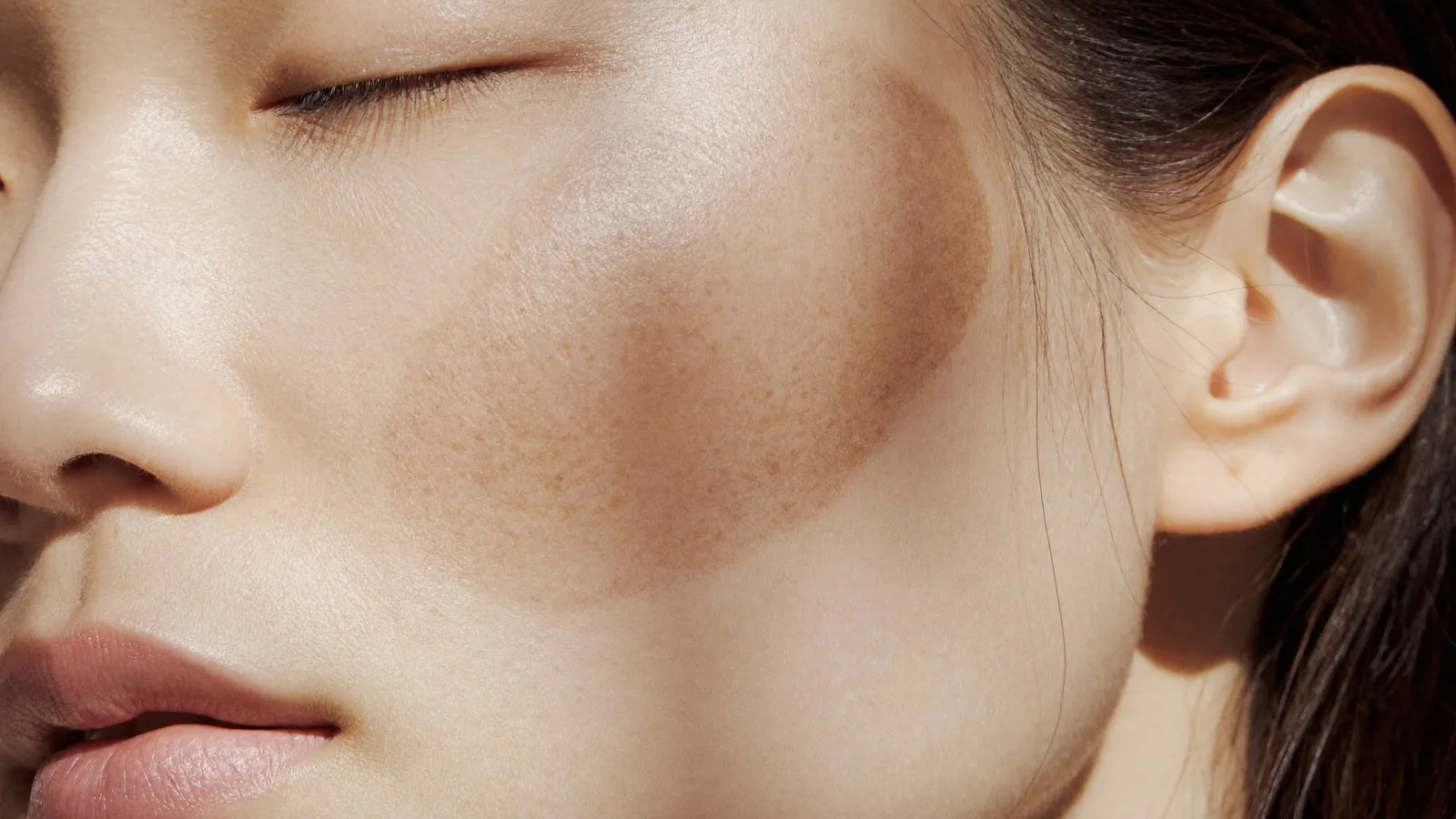
Key facts
- What it is
- A laser delivering pulses in picoseconds, trillionths of a second, that fragment pigment mainly by a pressure effect
- Wavelengths
- 532 nm, 785 nm and 1064 nm, chosen for pigment depth and skin type
- Toning mode
- Low energy across the face; redness and warmth that usually settle quickly
- Spot mode
- Treated marks darken and may crust before flaking away on their own
- Fractional mode
- Pinpoint redness, mild swelling and a rough texture while the skin renews
- Key risk in Asian skin
- Post-inflammatory hyperpigmentation, related to settings and sun exposure
- Comparison photographs
- Not shown: Singapore rules prohibit outcome imagery in healthcare advertising
What is a pico laser, and what does it do to pigment?
A pico laser is a laser that delivers its energy in pulses measured in picoseconds, trillionths of a second, roughly a thousand times shorter than the nanosecond pulses of a Q-switched laser. That brevity is the whole point: the pulse is over before much heat can spread from the pigment particle into the surrounding skin, so the particle is fragmented mainly by a pressure wave rather than by heat.
The body then clears the fragments over the following weeks, which is why visible change comes after the appointment rather than during it. Less collateral heat matters in Fitzpatrick III to V skin, which covers most patients in Singapore, because heat and inflammation are what drive post-inflammatory hyperpigmentation.
Wavelength decides depth. 532 nm is absorbed strongly by melanin and suits superficial pigment such as sun spots and freckles; 1064 nm penetrates further with less absorption by surface melanin and is the more conservative choice in darker skin; 785 nm, used in Dr Sin Yong's T2 Frax Radiance protocol on the DEKA platform, sits between the two. A fractional mode concentrates energy into small zones within the skin and is used for texture rather than pigment alone.
What does the skin look like day by day after treatment?
What you see depends on the mode, so each is easiest to describe separately, in words rather than promises. After low-energy toning across the face, the skin is usually pink and warm on the day, settling over the following hours, and most people carry on with their day; make-up can generally go on once the redness has calmed.
After spot treatment of a discrete mark, the spot turns darker, sometimes greyish, within minutes, with a little redness around it. Over the next few days it may form a fine crust or look like a speck of coffee grounds; this is fragmented pigment working its way out. The crust usually flakes away on its own over the following days, leaving pinker skin that evens out gradually. Picking it off early risks leaving a mark of its own.
After fractional treatment the skin can show pinpoint redness and mild swelling on the first day, then a slightly rough, sandpaper-like texture for several days while the treated zones renew. In every mode the skin is more vulnerable to ultraviolet light in the weeks afterwards, so daily broad-spectrum sun protection, gentle cleansing and pausing strong actives are part of the treatment. These descriptions are typical rather than fixed; healing varies between individuals and with the settings used.
Some practical points apply whichever mode is used. Treated skin can feel warm or tight for a while, and a bland moisturiser is usually enough. Scrubs, exfoliating acids and retinoids are set aside until you are told to restart them, and saunas or intense exercise wait until redness has settled. If redness worsens rather than eases, blisters appear, or darkening spreads beyond the treated marks, it is reviewed promptly rather than left until the next visit.
“A sunspot is the easiest pigment a laser will ever clear — and in Asian skin, the easiest place for the wrong settings to write a new mark where the old one was.”
Dr Sin YongOn treating sun spots in Asian skin
What are the side effects, and why does PIH matter in Asian skin?
Most effects after pico laser are expected rather than harmful: redness, warmth, mild swelling and, over pigmented spots, temporary darkening and crusting. The side effects that matter are less common, and they relate to settings, interval, diagnosis and skin type.
Post-inflammatory hyperpigmentation is the one most relevant in Singapore. Melanocytes in Fitzpatrick III to V skin are more reactive, and if the energy is too high for the skin or sun exposure follows treatment, the inflammation can prompt new pigment. It typically appears on a delay, after the skin initially looked clearer, and tends to fade with photoprotection and time, although in darker skin that can take months.
Other effects are reported less often. Hypopigmentation, seen as pale spots or a mottled pattern, has been described with frequent repeated toning of the same area, which is one reason toning is not run on an open-ended schedule. Blistering or pinpoint bleeding can occur at higher energies or with fractional settings, and melasma can rebound darker when it is treated aggressively. Darkening, blistering or any change that does not settle is reviewed rather than treated over.
Pico laser side effects by mode: toning, spot treatment and fractional
Pico laser side effects differ with the mode, because each mode places energy differently. Toning spreads low energy across the face, spot treatment concentrates it on a mark, and fractional mode creates tiny columns of effect beneath the surface. The table sets out what is expected after each, what needs a call, and who is asked to wait.
| Mode | What is expected | What needs a call | Who is asked to wait |
|---|
| Low-energy toning | Pink, warm skin on the day that settles; most people carry on as normal | Redness that worsens, or new patchy darkening | Sunburnt or freshly tanned skin; melasma that is still flaring |
| Spot treatment of a discrete mark | The spot darkens, then crusts and sheds; mild redness around it | A blister, an open wound, or a mark darker than before once it has healed | A mark that has not been confirmed as benign pigment |
| Fractional mode for texture | Redness and a fine, rough feel as the skin renews | Pain, oozing or signs of infection | Active acne or infection in the area; recent isotretinoin, until reviewed |
| Any mode, darker skin types | Same as above, with more attention to pigment response | Darkening that appears after the redness has settled | Anyone who cannot avoid strong sun around treatment |
Post-inflammatory hyperpigmentation is the side effect most worth understanding in Singapore. It is the skin’s pigment cells overreacting to inflammation, and it is more likely in Fitzpatrick III to V skin, after sun exposure, and when settings are too strong for the skin. It usually fades with sun protection and time, but it is better avoided than treated. Pale spots are less common and have been described with frequent, repeated toning of the same area, one reason toning is not run on an open-ended schedule.
Dr Sin Yong confirms what the pigment is before choosing a mode, and keeps the settings matched to the skin rather than to the darkest spot. For what happens when things do go wrong, see pico laser gone wrong; for darker skin specifically, see pico laser for dark skin.
Is pico laser safe for Asian and darker skin?
Pico laser is used routinely in Fitzpatrick III to V skin, but whether it is appropriate for a particular person is decided by assessment rather than by the device. The shorter pulse reduces collateral heat; it does not remove the need to diagnose the pigment first, to choose the wavelength and energy for the skin type, and to space treatments so that each response can be read before the next.
Some situations call for deferral or a different plan: a recent tan, active infection or inflammation in the area, photosensitising medication, a tendency to keloid scarring, and pregnancy. Any pigmented spot that is changing in size, shape or colour, bleeding or unlike the others is examined first and, where needed, referred for dermatological assessment before laser is considered. Medicines and supplements are reviewed at the same time, because some increase sensitivity to light.
Melasma deserves its own caution. It is a chronic condition with hormonal, vascular and ultraviolet drivers that no laser addresses, and heat can provoke it. Where laser has a place in melasma it is a conservative one within a plan built on photoprotection and topical therapy, and gentle low-fluence approaches such as laser toning are often preferred to stronger settings.
How do results develop over time?
Results develop gradually, because the laser fragments pigment and the body then clears it. A discrete sun spot that has crusted and shed may look lighter soon afterwards, while diffuse pigment treated by toning tends to change in small steps, which is why progress is judged at review rather than in the mirror the next morning.
Depth affects pace. Epidermal pigment sits close to the surface and is shed with the crust; dermal pigment sits deeper, is cleared more slowly by the body and may need a different wavelength. Fractional mode works through remodelling of the treated zones, and that change is also gradual. The number of treatments cannot honestly be stated in advance; it depends on the pigment type, its depth and how the skin responds.
What happens after the course matters as much. Sun spots are driven by cumulative ultraviolet exposure, and new ones can form on unprotected skin; freckles tend to darken again with sun; melasma is managed rather than removed. Daily sun protection is what keeps the change that has been achieved, and where pigment returns, the useful step is to re-examine what it is rather than repeat the same setting.
Why are no comparison photographs shown on this page?
No comparison photographs are shown because Singapore does not permit them in advertising for licensable healthcare services. The Singapore Medical Council's ethical guidelines also state that doctors must not use such images, including after-only images, in medical advertising, because individual cases create unjustified expectations when results vary.
The rule applies to every licensed clinic equally. A site that displays photo pairs is not demonstrating better outcomes, only weaker compliance, and photographs taken under different lighting, angles and make-up are a poor guide to what will happen to your own skin in any case. Lighting alone can make the same skin look clearer or more uneven.
What can be offered instead is an examination of your own pigment in person, under appropriate lighting, with a plain explanation of what it is, which mode and wavelength would suit it, what the skin is likely to look like in the days afterwards, and where laser is not the answer at all.