Published 23 October 2026 · Reviewed by Dr Sin Yong
Pico laser price in Singapore is decided by what the pigment is, how much skin is treated, which wavelengths and mode the plan uses, how treatment is staged and reviewed, and who performs it. Pico laser at this practice is from $450 per session; the fee for your plan is confirmed in writing after assessment.
Pico laser at this practice is from $450 per session. A pico laser plan cannot be set before the skin has been examined, because the plan is what sets the fee.
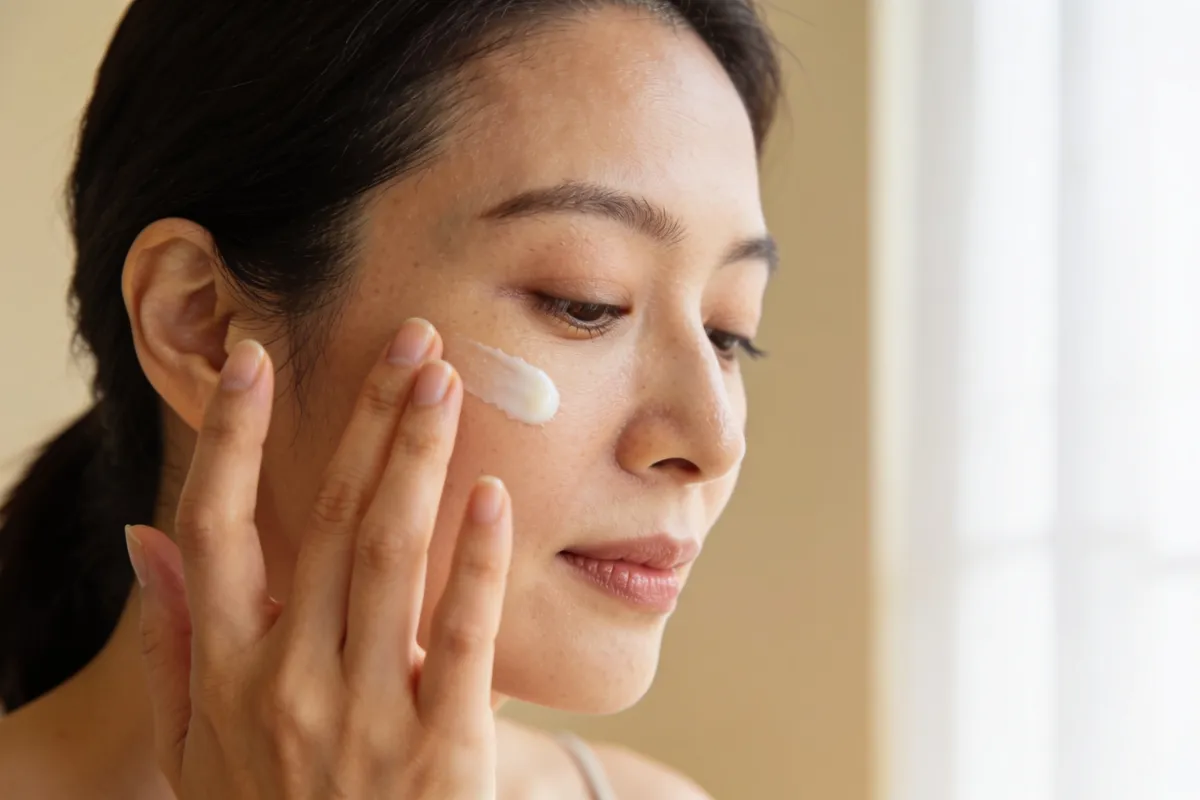
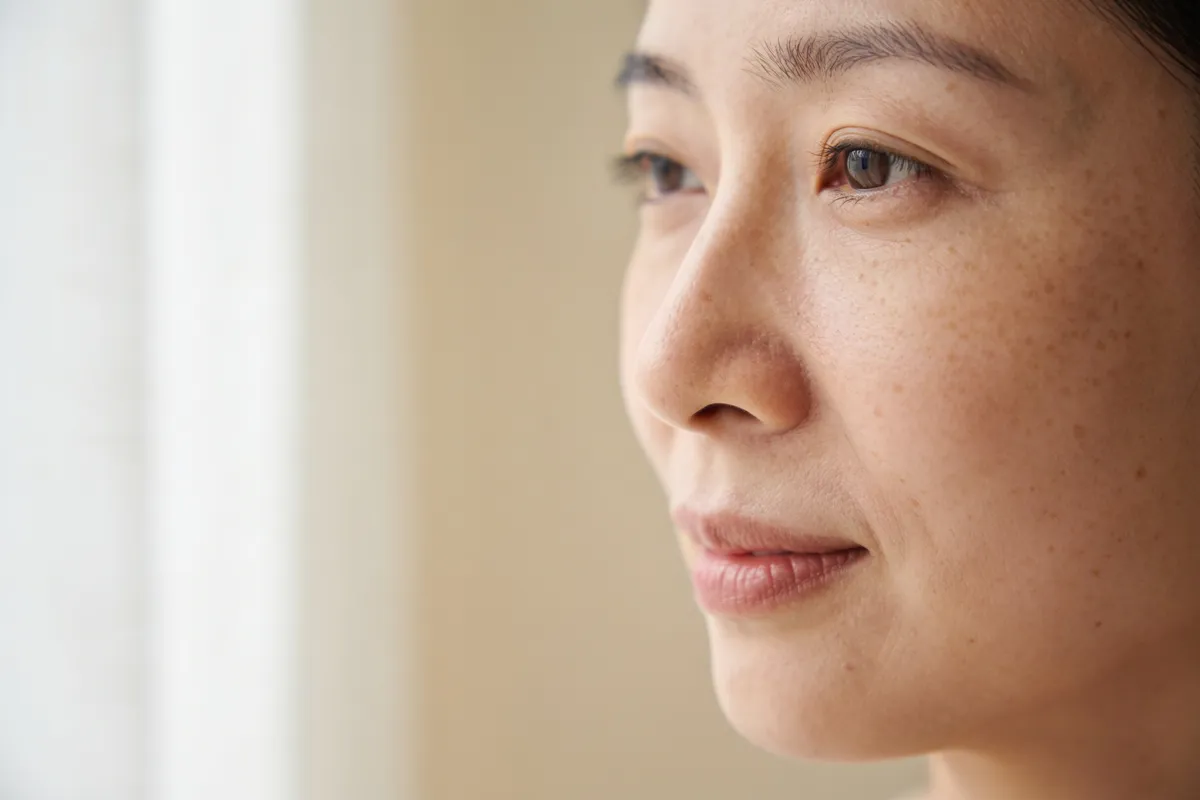
Pigment is identified by type before any laser is chosen. Illustrative image, not a patient.
A single sun spot on one cheek and diffuse melasma across both cheeks are not comparable pieces of work. One may need a few spot pulses and a review; the other is managed over time with photoprotection and topical treatment first, with laser used conservatively, if at all. A 2022 meta-analysis of 22 melasma studies found that picosecond laser on its own did not significantly lower melasma severity scores. A figure quoted before anyone has looked at the pigment is a figure for a different plan. The practice's general approach is set out on how fees are quoted.
Which parts of the plan move a pico laser fee?
Pico laser here is delivered as the T2 Frax Radiance protocol on the DEKA TORO platform. Its picosecond emission is at 785 nm, and the same system carries 532 nm and 1064 nm nanosecond emissions. Wavelength follows where the pigment sits: 532 nm for superficial pigment such as sun spots and freckles, 1064 nm as the more conservative choice in darker skin and for deeper pigment, and 785 nm between them. Those choices, and the mode, shape the work involved.
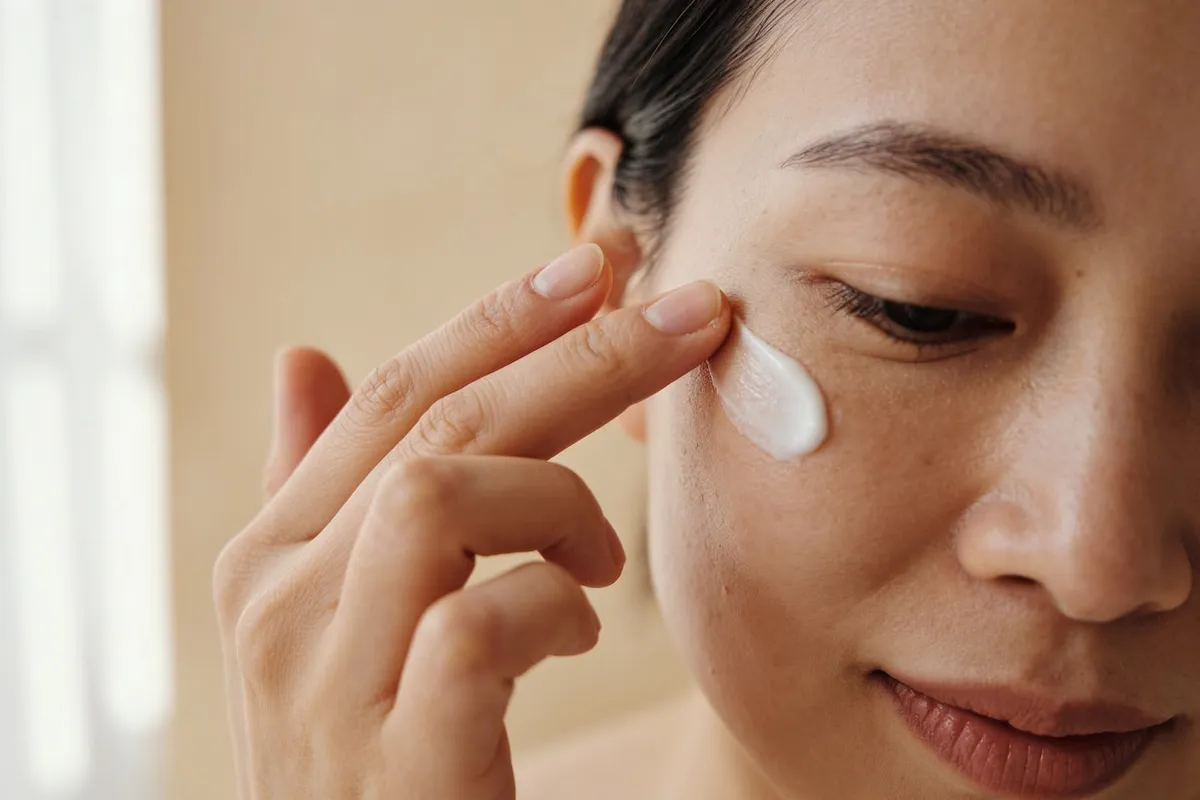
Sun protection matters before and after pigment treatment. Illustrative image, not a patient.Illustrative image — not a patient.
Fee factor
Why it moves the fee
What it does not tell you
The diagnosis
Sun spots, freckles, post-inflammatory marks, Hori's naevus and melasma sit at different depths and need different plans
That more brown means a bigger plan; melasma often means less laser, not more
The area
A few discrete spots, one cheek or the whole face are different undertakings
Whether every brown mark in the area needs treating
Wavelengths
One wavelength or a combination, chosen for the pigment depth and skin type
Which is better in general; it depends on the pigment
Mode
Spot treatment, low-energy toning across the face, or fractional delivery for texture
Whether a mode is needed; nothing is added because it is available
Staging and review
Plans are staged with healing and pigment response checked before the next step
A fixed number of visits; the number is decided at review
Combination
Where redness or inflammation drives the pigment, R2 Glow may lead, as in the R2T2 protocol
That combining always costs more; sometimes it replaces pico passes
Who performs it
Dr Sin Yong examines, sets the settings and treats personally
Whether a lower quote elsewhere includes a doctor at the laser
“I do not quote a pico laser course before I know what the brown is. The diagnosis decides the wavelength, the number of visits and sometimes whether laser is used at all.”
Dr Sin YongOn how pico laser fees are set
How many pico laser sessions do studies use?
The number of sessions in published studies depends on the target, which is the main reason a plan cannot be quoted before assessment. In a randomised trial of sun spots, a single session was assessed. In a review of Asian patients treated for deep dermal pigment, improvement was recorded after one to four sessions.
Skin tone decides the laser settings that are safe. Illustrative image, not a patient.
For tattoos, a systematic review found that more than 70% clearance took between 1 and 10 treatments. The spread within each group is wide, and the studies report group results. A written plan therefore sets out a likely range with review points, and it is revised as the skin responds.
Why do pico laser quotes in Singapore differ so much?
Two pico laser quotes usually differ because they describe different things. A lower figure may describe a different device, a toning bundle sold before the pigment has been diagnosed, settings run from a preset, treatment delivered by someone other than a doctor, or a plan with no review. A higher figure is not proof of a better plan either. Brand names add to the confusion: there are several picosecond platforms, and the PicoSure vs other pico lasers article explains why the name on the machine matters less than the wavelength and the settings.
Pigment is identified by type before any laser is chosen. Illustrative image, not a patient.
The red flag is a fixed package sold before anyone has examined the pigment. In Fitzpatrick III to V skin, which describes most patients in Singapore, settings that are too aggressive, or laser aimed at undiagnosed melasma, can leave the skin darker than it started, and managing that costs time as well as money. A 2016 review of pigment treatment in Asian skin explains why: more melanin in the upper skin makes post-inflammatory hyperpigmentation after laser more likely. Ask what the pigment is, which wavelength will be used and why, how many reviews are included, and who will hold the handpiece. Those answers tell you what a figure contains.
How does a written pico laser quote work at this practice?
Dr Sin Yong examines the pigment in standard light and under magnification, using a Wood's lamp or dermoscopy where the depth or the diagnosis is uncertain, and asks about sun exposure, hormonal triggers, earlier treatments and any darkening after them. A spot that is new, changing or unlike the others is examined first and referred for dermatological assessment where needed, rather than treated with a laser.
Sun protection matters before and after pigment treatment. Illustrative image, not a patient.Sun avoidance before and after laser lowers the risk of darkening. Illustrative image, not a patient.
From that comes a plan in plain language: which marks are treated, the wavelength and mode, whether topical treatment or R2 Glow comes first, how treatment is staged, and when it is reviewed. The fee is attached to that plan and given in writing. You can take it home; there is no same-day decision and no package to sign. The consultation can also end with no laser advised, for example where melasma needs photoprotection and topicals first; that outcome carries the consultation fee, stated when you book, and nothing else. Enquiries on WhatsApp are answered in English and Chinese.
Your next step
1. MessageWhatsApp +65 8023 7170 with what is bothering you. A reply comes from the clinic, not a bot.
2. AssessmentDr Sin Yong examines you himself on Orchard Road, with ultrasound where earlier filler is involved.
3. A plan in writingWhat he would do, what he would not, the fee factors, and the option of no treatment.
Every treatment is performed by Dr Sin Yong personally. Singapore Medical Council registered · invited to share his clinical expertise internationally for CLASSYS, DEKA, Fotona, Hironic and Ilooda.
Book an assessment with Dr Sin Yong on Orchard Road. Bring a note of any earlier laser or peel and how your skin reacted. How consultations work.
How much does pico laser cost in Singapore at this practice?
Treatment
Price
Pico laser, per session
From $450
Prices are nett. Each figure is a starting price; the fee for your plan depends on the area treated and what the assessment finds, and is confirmed in writing before any treatment.
The wrong laser makes it worse. I see people whose pigmentation is worse after treatment than before it. Here's how that happens. Melasma responds badly to heat and aggression. Turning the energy up feels like progress and often triggers rebound, darker than the starting point. That's why I'm conservative here and take it slowly. If your pigmentation got worse after a session, stop, and get it reassessed before booking the next one.
Transcript of Dr Sin Yong's video, lightly edited for reading.
Frequently Asked Questions
For freckles, sun spots, post-acne marks and tattoo ink, pico laser is a widely used option. Whether it is worth it depends on the right diagnosis: melasma and some deeper pigment need a gentler, longer plan, and redness is not treated by pico at all.
Several sessions are often needed, and pigment can come back with sun exposure. In darker or sensitive skin there is a risk of temporary darkening or, uncommonly, light spots. Pico laser also does little for redness, sagging or deep scars on its own.
Pico laser lightens many dark spots, including freckles, sun spots and post-acne marks, often over one to three sessions. Melasma behaves differently and is treated more gently, so the type of spot is confirmed first.
Treated spots lighten over two to four weeks after each session. General pigment toning is done as a course, about a month apart.
Pico laser targets pigment with very short pulses and has a short recovery. Fractional CO2 laser removes columns of skin to resurface scars and texture, with more downtime. They treat different problems.
Pico pulses are measured in trillionths of a second, shorter than nanosecond lasers, so they shatter pigment more by pressure than heat. This can mean fewer sessions for some pigment and tattoos.
Use a gentle cleanser, a plain moisturiser and broad-spectrum sunscreen. Avoid retinoids, exfoliating acids and scrubs for about a week, and do not pick at any darkened spots, which flake off on their own.
A pico laser price in Singapore should state which marks are treated, the wavelength and mode, who performs the treatment and whether review visits are part of the plan. At this practice those parts are set after examination and given as a written, itemised quote. A figure without those details cannot be compared with another clinic’s quote.
A pico laser package in Singapore fixes the number of visits before anyone knows how the pigment will respond. Melasma, sun spots and Hori’s naevus behave differently, and some pigment needs fewer passes, a different wavelength or no laser at all. This practice does not sell packages; each stage is reviewed and further treatment is decided then.
Pico laser price is shaped more by the diagnosis, the wavelength and the settings than by the brand. A 2021 meta-analysis of eight studies of picosecond lasers for pigment in Asian patients found similar responses across the 532, 755 and 1064 nm wavelengths studied. A quote should explain which wavelength is used for your pigment, and why, rather than the name on the machine.
Yes, the consultation fee applies, and it is stated when you book. A consultation can end with no laser advised, for example where melasma needs photoprotection and topical treatment first. In that case nothing beyond the consultation fee is charged.
It depends on what the pigment is, the area treated, the wavelengths and mode used, how the plan is staged and reviewed, and who performs it. Pico laser at this practice is from $450 per session; the fee for your plan is confirmed in writing after assessment. A quote given before the pigment is diagnosed describes a different plan from the one your skin needs.
A lower figure usually describes a different plan: another device, a toning bundle sold before diagnosis, settings run from a preset, a treatment delivered by someone other than a doctor, or no review. In darker skin, settings that are too aggressive can leave pigment darker. Compare the diagnosis, the wavelength, the reviews included and who treats you, not the headline number.
No. The number of visits is not fixed in advance, because it depends on the pigment, its depth, your skin type and how the skin responds. Each stage is reviewed before the next is planned, and the plan is quoted in writing as its parts. Further treatment is decided at review rather than sold beforehand.
No, because they are different pieces of work. Spot treatment targets discrete marks such as sun spots or freckles; low-energy toning covers the whole face for diffuse tone; fractional delivery treats texture. The area, the mode and the staging differ, and so does the fee. Which mode, if any, suits your skin is decided at examination.
The pico laser price in Singapore follows the area treated, the problem (freckles, melasma, tattoo or scars), the number of sessions the skin is likely to need and whether other treatments are combined. Dr Sin Yong gives the fee in writing after examining the skin.
The concern being treated, the size of the area, the number of sessions needed, the device used and the doctor's time.
Low prices often mean lower energy, fewer passes or older devices.
Theoretical review of the treatment of pigmented lesions in Asian skin. Laser Therapy (Kono T, et al.), 2016. pubmed.ncbi.nlm.nih.gov
Laser therapy in the treatment of melasma: a systematic review and meta-analysis. Lasers in Medical Science (Lai D, et al.), 2022. pubmed.ncbi.nlm.nih.gov
Treatment of pigmentary disorders using picosecond laser in Asian patients: a meta-analysis and systematic review. Dermatologic Therapy (Dong W, et al.), 2021. pubmed.ncbi.nlm.nih.gov
Kim JY, Yang J, Huh G, Choi YJ, Kim WS. A Split-Face, Single-Blinded, Randomized Controlled Comparison of 532 nm Picosecond Neodymium-Doped Yttrium Aluminum Garnet Laser versus 532 nm Q-Switched Neodymium-Doped Yttrium Aluminum Garnet Laser in the Treatment of Solar Lentigines. Annals of Dermatology, 2020. doi.org
Hu S, Yang CS, Chang SL, Huang YL, Lin YF, Lee MC. Efficacy and safety of the picosecond 755-nm alexandrite laser for treatment of dermal pigmentation in Asians-a retrospective study. Lasers in Medical Science, 2020. doi.org
Reiter O, Atzmony L, Akerman L, Levi A, Kershenovich R, Lapidoth M, et al. Picosecond lasers for tattoo removal: a systematic review. Lasers in Medical Science, 2016. doi.org
About this page: written and medically reviewed by Dr Sin Yong, MBBS (NUS), MRCS (Edinburgh) · Last reviewed 6 November 2026 · Illustrative images only, not patients · Editorial policy