Laser Scar Treatment Singapore · Non-Ablative · Luminescence Laser · Dr Sin Yong

Luminescence Laser Singapore — Non-Ablative Scar & Skin

Medically reviewed by Dr Sin Yong · Last reviewed · Doctor-performed, never delegated · Jump to questions

Dr Sin Yong · MBBS (NUS) · MRCS (Edin) · MSc Aesthetic Medicine with Distinction (Queen Mary, London) · MSc Practical Dermatology (Cardiff) · Global Key Opinion Leader

Dr Sin Yong's proprietary laser protocol — a non-ablative approach to scar resurfacing and skin lifting that does not create open wounds in the skin. Recovery depends on the settings and area, and is discussed at consultation.

1540 nm
Wavelength
No Ablation
No Open Wounds
All Skin Types
Assessed
Scar + Lift
Combined Protocol
1540 nm
Wavelength
No Ablation
No Open Wounds
All Skin Types
Assessed
Scar + Lift
Combined Protocol
Invited by Device Makers to Share His Expertise
Global Key Opinion Leader for 14+ device brandsShared his clinical expertise with 500+ doctors across AsiaMBBS (NUS) · MRCS (Edinburgh) · MSc with Distinction (Queen Mary, London) · MSc (Cardiff)Every treatment personally performed — never delegated
About This Treatment

The Luminescence Laser Lift is Dr Sin Yong's non-ablative laser protocol for shallower facial scars, enlarged pores, uneven texture and skin laxity, and it incorporates the lifting component of his Time Freeze Laser LCLR® protocol in the same session. Unlike CO2 resurfacing, it does not create open wounds in the skin. Suitability is assessed at consultation.

Key takeaways
  • The Luminescence Laser Lift is Dr Sin Yong's non-ablative 1540 nm laser protocol, which does not create open wounds.
  • It is directed at shallower facial scars, enlarged pores, uneven texture and skin laxity, with a lifting component in the same visit.
  • Suitability depends on scar type and depth, skin type, pigment history and recent sun exposure.
  • It does not replace surgery for marked laxity, and deeper scars may need a different approach.
  • Dr Sin Yong, an aesthetic physician, performs every treatment personally.
In brief

The Luminescence Laser is a non-ablative 1540 nm laser on the ilooda platform. It is used in hair regrowth plans, where it is directed at the scalp, and on the skin for shallower scars, enlarged pores, uneven texture, melasma and loose skin on the body. It creates no open wounds; deep ice-pick and boxcar scars are treated with other methods.

The Trade-Off Between Results and Recovery

Conventional CO2 ablative laser has long been a mainstay for scar resurfacing and skin quality improvement. The problem: visible healing, discomfort during treatment, scabbing, and a high risk of post-inflammatory hyperpigmentation in Asian skin. Many patients who would benefit most from laser treatment decline it entirely because of the downtime.

The Luminescence Laser is used for hair restoration and, on the skin, for shallower facial scars, melasma, and for firming loose skin on the body. The approach is tailored to the concern and area at consultation.

The Luminescence Laser Lift was developed by Dr Sin Yong to address this compromise. Using a proprietary non-ablative protocol with settings adjusted for Asian skin, it is directed at scar depth, skin texture, pore size and skin quality without ablation or open wounds. Recovery depends on the settings and area, and is discussed at consultation.

The Luminescence Laser also incorporates a lifting component from Dr Sin Yong's Time Freeze Laser LCLR® protocol — meaning skin quality improvement and facial lifting are delivered in the same session. How soon usual activities resume depends on the settings and area, and is discussed at consultation.

It is a different approach from CO2 laser — one that works through a non-ablative collagen stimulus rather than controlled injury.

A woman seated in a clinic, head tilted, one hand resting at the side of her neck
The neck ages differently from the face and is assessed separately.

For what each lifting route changes and what none of them can, see the facelift without surgery Singapore guide.
Lifting without adding volume. Dr Sin Yong's first choices are his own protocols, the VF Lift – Vertical Facelift (monopolar radiofrequency on Volnewmer) and Time Freeze Laser LCLR® (dual-wavelength laser). Both work on your own tissue. Nothing is injected, so there is no filler to overfill, migrate or form lumps. Which one suits you, if either, is decided at assessment.

What the Luminescence Laser Lift Achieves

01
Scar Resurfacing — Without Ablation
The Luminescence Laser targets scar architecture through a non-ablative collagen stimulus — directed at the collagen remodelling response that CO2 ablation triggers through injury, without creating the injury itself. Acne scars, post-surgical scars, enlarged pores and textural irregularity are addressed progressively, and response varies between individuals.
02
Collagen Neogenesis — Skin Quality
Beyond scar treatment, the Luminescence protocol stimulates broad collagen neogenesis across the full treatment zone — directed at overall skin density, texture and elasticity. Any change develops gradually over the following weeks and varies between individuals.
03
Lifting Component — LCLR® Integrated
The Luminescence Laser Lift incorporates Dr Sin Yong's Time Freeze Laser LCLR® (Laser Collagen Lipo Remodelling) lifting protocol within the same session — addressing skin quality and lifting in the same session. This combination forms part of Dr Sin Yong's own protocol.
04
Recovery — Discussed at Consultation
No ablation means the skin surface is not removed and no open wounds are created. Temporary redness can occur; recovery depends on the settings and area, and is discussed at consultation.
05
Calibrated for Asian Skin — PIH Risk Considered
The Luminescence protocol uses energy parameters specifically calibrated for Fitzpatrick III–VI skin types — the dominant skin types in Singapore. The non-ablative approach is intended to lower the PIH (post-inflammatory hyperpigmentation) risk associated with conventional CO2 laser in Asian patients, although no laser is without risk.
06
Progressive Course — Reviewed Over Time
Collagen remodelling continues between sessions, and the plan is reviewed as the skin responds. Most patients undergo a course of sessions spaced over the following weeks. The number and spacing of sessions are set at consultation and reviewed as the skin responds.

Non-ablative vs ablative laser: what is the difference for scars and skin?

Non-ablative and ablative lasers both aim at collagen, but they reach it by different routes. This table sets the Luminescence Laser Lift against fractional CO2 resurfacing feature by feature, so the trade between the two is visible before either is proposed. Which one a scar needs is decided by its depth at examination.

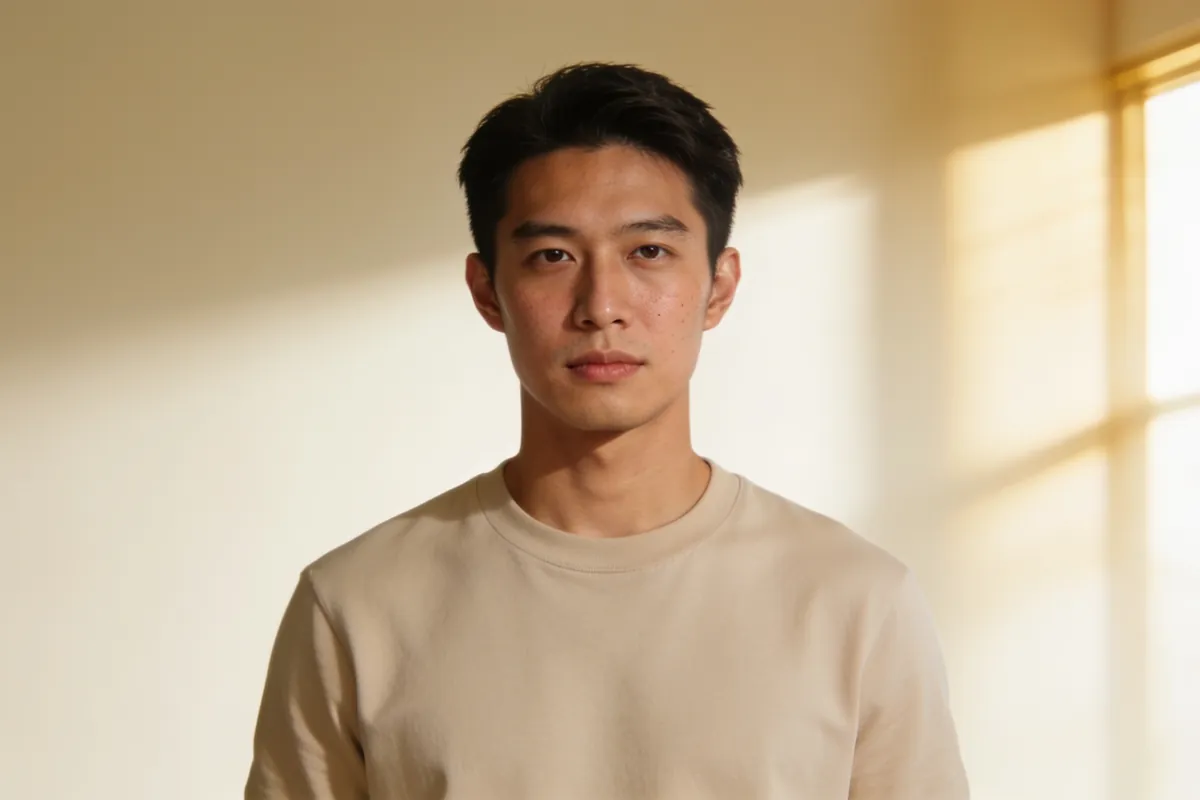
man in his late twenties, close portrait, visible subtle skin texture on cheek, neutral expression
Illustrative image — not a patient.
FeatureNon-ablative: Luminescence Laser LiftAblative: fractional CO2 (S3 Resurfacing Lift)
What happens to the surfaceThe surface stays intact; energy heats the dermis beneath itFine columns of skin are vaporised, leaving open micro-wounds between intact bridges
What it is directed atShallower scars, texture, pore appearance and skin quality, with a lifting component from Time Freeze Laser LCLR®Deep boxcar and ice-pick scarring, where walls and floors need rebuilding
Recovery patternRedness and dryness that settle; the surface is not removed, and crusting is less commonOozing, bronzing, crusting and peeling before the new surface shows
Consideration in Asian skinParameters calibrated for Fitzpatrick III to VI to lower the pigment risk, though no laser is without riskHigher post-inflammatory pigment risk, managed with sun protection and antiviral cover where indicated
Sequence in a scar planOften chosen where the scar is superficial or the person cannot take visible healingSequenced after subcision and TCA CROSS have released tethered scars and collapsed tracts
What it cannot doRebuild the wall of a deep scar in one pass; cut a tethering bandAvoid visible healing; treat a tethered scar without release first

The CO2 platform and its healing phases are on fractional CO2 on the DEKA Tetra Pro and CO2 laser downtime; the Asian-skin question is covered on CO2 laser in Asian skin.

What the Luminescence Laser is used for: scalp, scars, texture and body skin

The Luminescence Laser has two quite different uses, which is why its name appears on both hair and skin pages. On the scalp it is part of a hair regrowth plan. On the skin it is a non-ablative resurfacing and firming laser, combined with the lifting component of the Time Freeze Laser LCLR® protocol. This table sets out each use and its limits.

UseWhat it is directed atTends to suitWhat it is not
Scalp and hairScalp circulation and the environment around the folliclePattern thinning with surviving follicles, after diagnosis and blood testsA replacement for medical treatment, or a treatment for scarring alopecia
Shallow acne and surgical scarsCollagen remodelling without removing the surfaceShallower scars in people who want to avoid open woundsA treatment for deep ice-pick or boxcar scars
Pores and uneven textureRemodelling of the skin around the poreTextured skin where recovery time mattersA pore-shrinking treatment
MelasmaPart of a conservative pigment planConfirmed melasma, after topical control and sun protectionA stand-alone cure for melasma
Loose skin on the bodyDermal firmingMild laxity, assessed area by areaA fat reduction treatment

For deep scars, the plan moves to the S3 Resurfacing Lift, TCA CROSS or subcision, chosen by scar type. For hair, the laser sits inside the wider plan on hair loss treatment in Singapore, which starts with the diagnosis.

Dr Sin Yong decides which use applies at the assessment, and sets the number and spacing of sessions there, reviewed as the skin or scalp responds.

Who it suits, who should wait, who is referred on

Tends to suit

  • Shallower acne or post-surgical scars
  • Enlarged pores and uneven texture
  • Mild to moderate laxity alongside skin quality concerns
  • People who prefer an approach without open wounds

Better to wait

  • Pregnancy or breastfeeding
  • Active infection, cold sore or inflamed acne in the area
  • Recent isotretinoin, or a recent tan or sunburn

Referred on

  • Marked skin excess → plastic surgery specialist assessment
  • Thick, raised or keloid scarring → dermatology specialist assessment
Who should not have this treatment
  • Pregnancy or breastfeeding
  • Active infection, cold sore or inflamed skin in the area
  • Recent isotretinoin use
  • A tendency to keloid or thick scarring
  • Freshly tanned or sunburnt skin
  • Photosensitising medicines or a light-sensitive condition

People with deep, tethered or keloid scars, or with marked skin excess, tend to respond poorly, because this protocol is the wrong tool for those problems.

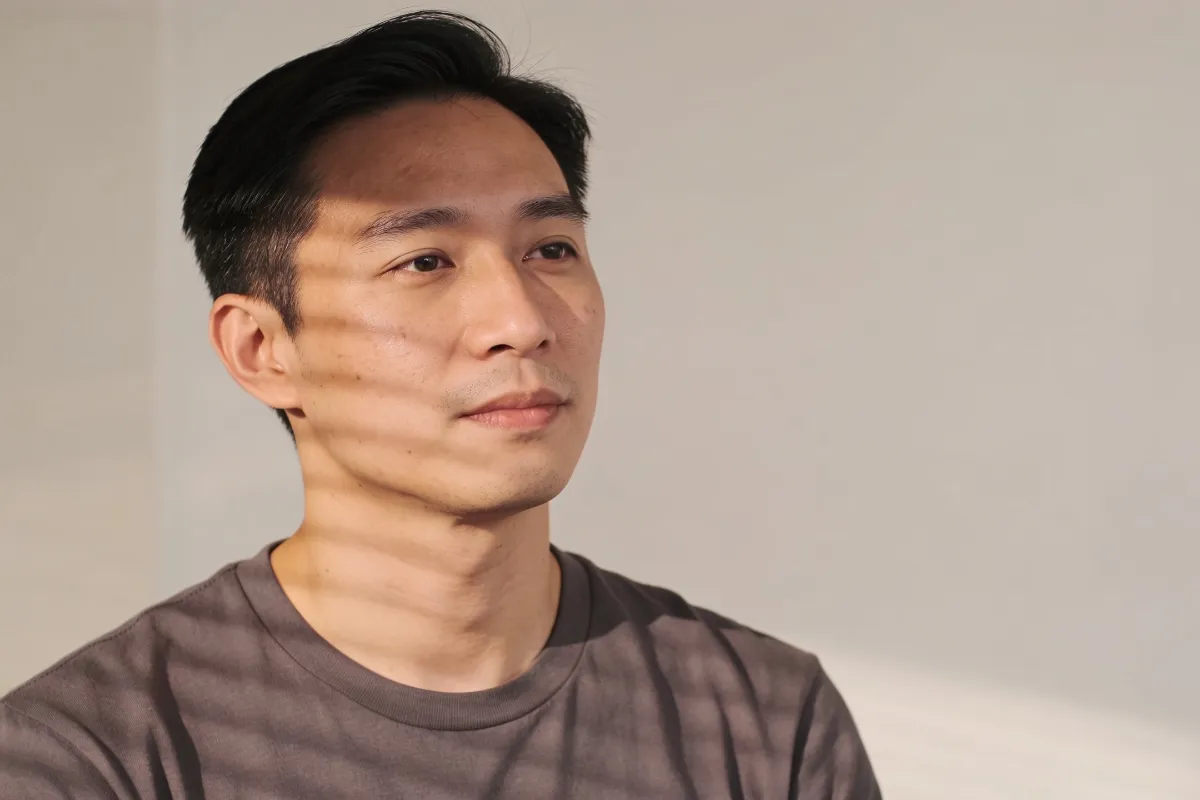
A man in his thirties with natural light across his cheek (illustrative image, not a patient)
Illustrative image — not a patient.

What happens, step by step

  1. Consultation and skin examination, including scar type, skin type and pigment history
  2. Written plan and quote, including the option of no treatment
  3. Treatment day: skin cleansed, eyes protected, then laser passes planned for each area
  4. Review and adjustment, with the plan changed as the skin responds

Risks, side effects and when to call

Redness, warmth, mild swelling and dryness are expected after the Luminescence Laser Lift and usually settle on their own. Less commonly there can be tenderness, small areas of crusting, or temporary darkening of the skin (post-inflammatory hyperpigmentation), which is more likely in darker skin types and after sun exposure. Rarely, a blister, burn, lightening of the skin or scarring can occur. Non-ablative does not mean risk-free, and no laser is without risk. Energy is adjusted for your skin type and each area, the eyes are protected, and sun protection afterwards is part of the plan.

Contact the clinic the same day if
  • Blistering or crusting
  • Pain that is increasing rather than settling
  • Patches of darkening that appear or spread
  • Signs of infection such as pus, spreading redness or fever
  • A cold sore appearing in the treated area

See what to do if something feels wrong after a treatment.

A man in his thirties with natural light across his cheek (illustrative image, not a patient)
Illustrative image — not a patient.

Before you book

  • Declare isotretinoin use within recent months, photosensitising medicines and any history of cold sores
  • Tell the doctor if you are pregnant, breastfeeding or planning a pregnancy
  • Avoid sun exposure and tanning so the skin is not freshly tanned or sunburnt
  • Pause retinoids, exfoliating acids and other skincare actives if the skin is irritated
  • Bring photos of your scars from earlier years and a list of previous skin treatments

What determines the fee

The fee depends on the area treated, the number of passes or zones, whether the lifting component is included, and whether the laser is combined with another treatment for scars or pigment. Scar type and depth influence how a plan is built. A written quote is given at consultation, after Dr Sin Yong has examined your skin and discussed your history. The consultation also decides whether treatment is advised at all, or whether a different approach suits your scars better.

How quotes work at this practice: how we quote.

What it is not

  • Not an ablative CO2 laser: the Luminescence Laser Lift is a non-ablative 1540 nm protocol that creates no open wounds.
  • Not low-level laser therapy (LLLT): the Luminescence Laser is a non-ablative 1540 nm laser, a different kind of laser from the low-level devices used for hair.
  • Not for deep scars: deep ice-pick and boxcar scars need the S3 Resurfacing Lift on fractional CO2 instead.
  • Not a stand-alone facelift: it incorporates the lifting component of Time Freeze Laser LCLR® but does not replace surgery for marked laxity.

Myths we hear in clinic

“Non-ablative lasers work the same way as CO2 resurfacing.”

They stimulate collagen through heat without removing the skin surface, so the mechanism, the scars suited to it and the recovery differ.

“A non-ablative laser carries no risk of pigment change.”

Temporary darkening can still occur, especially after sun exposure in darker skin types, which is why settings and sun protection are planned.

Frequently Asked Questions

Is the Luminescence Laser low-level laser therapy (LLLT)?+
No. The Luminescence Laser is a non-ablative 1540 nm laser on the ilooda platform. Low-level laser therapy (LLLT) uses low-power red or near-infrared light and is a different kind of treatment. On the scalp, the Luminescence Laser is used as part of a hair regrowth plan, directed at circulation and the environment around the follicle, usually alongside medical treatment.
Is the Luminescence Laser used for hair loss?+
Yes. On the scalp, the Luminescence Laser is used as part of a hair regrowth plan, directed at circulation and the environment around the follicle. It is chosen after the cause of hair loss is diagnosed and blood tests are reviewed, and it usually sits alongside medical treatment rather than replacing it. It does not help scarring forms of hair loss.
Can the Luminescence Laser be combined with other scar treatments?+
It can. Shallow scars are often planned with other steps, such as subcision for tethered scars or a different laser for deeper ones, because most faces have more than one scar type. The order and spacing depend on the scars, the skin type and how the skin responds, and they are set in the written plan.
What is the Luminescence Laser Lift?+
The Luminescence Laser Lift is Dr Sin Yong's proprietary non-ablative laser protocol directed at scar resurfacing and skin quality without ablation; recovery depends on the settings and area, and is discussed at consultation. It also incorporates a lifting component from the Time Freeze Laser LCLR® protocol — delivering scar treatment and skin lifting in the same session.
How is it different from CO2 laser?+
CO2 laser achieves improvement through controlled ablation — creating small channels of injury that trigger a healing and collagen response. This produces downtime, discomfort and PIH risk in Asian skin. The Luminescence Laser is directed at a collagen stimulus through a non-ablative approach, without open wounds; recovery is discussed at consultation.
Is there any downtime at all?+
Temporary redness can occur. Because the treatment is non-ablative it does not create open wounds; recovery depends on the settings and area, and is discussed at consultation.
What skin concerns does it treat?+
Acne scars (rolling, boxcar, superficial icepick), post-surgical scars, enlarged pores, skin texture irregularity, skin laxity, and overall skin quality decline. The lifting component also addresses mild to moderate facial laxity simultaneously.
How many sessions are needed?+
a course of sessions spaced over the following weeks depending on the scars and skin. The number of sessions is set at consultation and reviewed as the skin responds.
Is it safe for Asian skin?+
Yes — the Luminescence protocol was specifically calibrated for Fitzpatrick III–VI skin. The non-ablative approach is intended to lower the PIH risk associated with CO2 ablative laser in darker skin types; suitability is assessed at consultation.
How much does the Luminescence Laser Lift cost in Singapore?+
Fees are not published. They depend on the area treated, the number of passes or zones, whether the lifting component is included and whether another treatment is combined. A written quote is given at consultation, after Dr Sin Yong has examined your skin, and the consultation also decides whether this laser is advised for your scars.
Is the Luminescence Laser Lift worth it?+
It can be worthwhile for shallower scars, enlarged pores and uneven texture in people who prefer a non-ablative approach and accept that change is gradual and varies between individuals. It is less suitable for deep or tethered scars, keloid scarring or marked skin excess, which may need a different approach or referral.
How long does the Luminescence Laser Lift last?+
No duration can be promised. How long any change lasts depends on scar type and depth, how your skin responds, ongoing ageing, sun exposure and skin care. The plan is reviewed as the skin responds, and the timing of any repeat treatment is set at consultation and follow-up rather than to a fixed schedule.
What are the disadvantages of the Luminescence Laser Lift?+
Response is gradual and varies between individuals, and deeper scars may need other approaches. Redness, swelling and dryness are expected, and temporary darkening can occur, particularly after sun exposure in darker skin types. Rarely, blistering or burns occur. Non-ablative means no open wounds, but it is not risk-free.
SY
Dr Sin Yong
MBBS (NUS, Singapore) · MRCS (Edinburgh)
MSc Practical Dermatology (University of Cardiff, UK) · MSc Aesthetic Medicine with Distinction (Queen Mary University of London)
Graduate Diploma in Sports Medicine (Nanyang Technological University)
Global Key Opinion Leader — CLASSYS | DEKA | HIRONIC | FOTONA | ALMA | LUTRONIC | ILOODA

Question not answered here? Ask on WhatsApp, use the enquiry form, or browse 100 questions patients ask.

Key facts
Platform
ilooda — 1540 nm
Mechanism
Directed at scalp perfusion; improved circulation supports the follicular environment for hair growth
Primary application
Scalp and hair regrowth
Also used for
Shallow scarring, melasma and loose skin on the body
Non-ablative
The epidermis is not removed
Skin types
Assessed for every skin type, with settings adjusted for darker phototypes

The Luminescence Laser provides skin tightening in Singapore, and is also used as part of acne scar treatment in Singapore and hair regrowth protocols.

“The follicular environment is a third route, separate from circulation and from the androgen pathway.”

Dr Sin YongOn light-based hair therapy

Medically reviewed by Dr Sin Yong, MBBS (NUS), MRCS (Edinburgh) · Last updated 21 October 2026 · Editorial policy

Related reading
Where Dr Sin Yong consults: Orchard Road, Singapore (unit on booking) · Orchard MRT · Mon–Fri 10am–8pm, Sat 11am–3pm · WhatsApp +65 8023 7170 · Getting here · How fees are quoted

Book Your Luminescence Laser Lift

Dr Sin Yong's signature non-ablative scar and skin protocol. All sessions personally performed.

  1. 1WhatsApp a short note on your concern
  2. 2Consultation and assessment with Dr Sin Yong
  3. 3Options explained, including no treatment

Replies within clinic hours: Mon–Fri 10am–8pm, Sat 11am–3pm · How consultations work · Prefer not to use WhatsApp? · Treatment finder

WhatsApp Dr Sin Yong

Related: Acne Scar Treatment Singapore

Explore Further

References

  1. Treatment of Facial Skin Laxity by a New Monopolar Radiofrequency Device — PMC / Journal of Cutaneous and Aesthetic Surgery.
  2. Consensus Recommendations for Combined Aesthetic Interventions Using Botulinum Toxin, Fillers, and Energy-Based Devices — PubMed / Dermatologic Surgery.
Your next step
  1. 1. MessageWhatsApp +65 8023 7170 with what is bothering you. A reply comes from the clinic, not a bot.
  2. 2. AssessmentDr Sin Yong examines you himself on Orchard Road, with ultrasound where earlier filler is involved.
  3. 3. A plan in writingWhat he would do, what he would not, the fee factors, and the option of no treatment.

Every treatment is performed by Dr Sin Yong personally. Singapore Medical Council registered · invited to share his clinical expertise internationally as a Key Opinion Leader for CLASSYS, DEKA, HIRONIC, FOTONA, ALMA, LUTRONIC and ILOODA · HSA-registered devices · ultrasound-guided correction

Dr Sin Yong's aesthetic clinic in Singapore is on Orchard Road, a short walk from Orchard MRT. More about the aesthetic doctor in Singapore who performs every treatment.

WhatsApp Dr Sin Yong →or use the enquiry form
Follow Dr Sin Yong
InstagramTikTokYouTubeThreadsXLinkedInFacebook
Dr Sin Yong · Ask about pigmentation · Doctor-performed
WhatsApp Enquiry