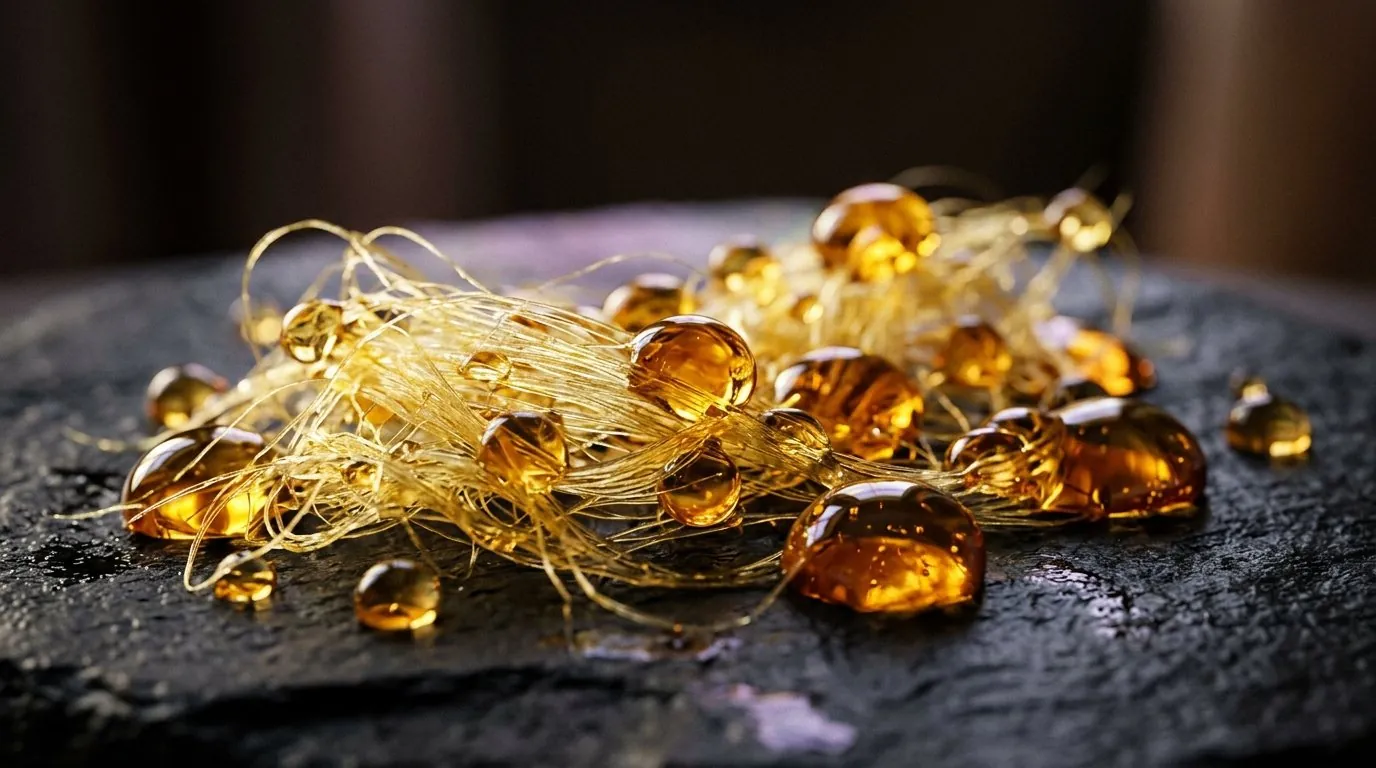
Collagen is the structural protein that gives skin its firmness, and its production declines from the mid-twenties, faster with ultraviolet exposure. It can be supported in four broad ways: oral collagen peptides, topical vitamin C and retinoids, injectables such as Profhilo, and energy-based treatments including fractional laser, focused ultrasound and radiofrequency.
- What it is
- The main structural protein of the skin, giving it firmness and resilience
- What depletes it
- Age-related decline from the mid-twenties, ultraviolet exposure and oxidative damage
- How it is assessed
- Skin quality, laxity and photodamage examined at consultation before any plan
- Options
- Oral peptides, topical vitamin C and retinoids, Profhilo, fractional laser, focused ultrasound, radiofrequency
- Recovery or aftercare
- Daily broad-spectrum sunscreen; other aftercare depends on the treatment chosen
What Is Collagen and Why Does It Matter?
Collagen is the most abundant protein in the human body — making up 70% of the skin's dry weight. It forms the structural scaffold that gives skin its firmness, plumpness and resilience. There are multiple collagen types; in skin, Types I, III and IV are most important for appearance.
Individual product pages: Sculptra · Ellansé · Radiesse · Deusaderm (injected collagen).
After our mid-20s, collagen production decreases by approximately 1% per year. By 40, visible effects accumulate: skin that was firm and elastic becomes looser, lines form more easily, and the face loses its youthful roundness. Chronic UV exposure — significant in Singapore — accelerates collagen degradation through the activation of matrix metalloproteinases that break down existing collagen fibres.
Do Collagen Supplements Work?
Oral collagen peptides (hydrolysed collagen) have growing clinical evidence supporting their benefit. When ingested, collagen peptides are broken down into amino acids and di- or tri-peptides that are absorbed into the bloodstream. These peptides have been shown to stimulate fibroblasts (the skin cells that produce collagen) to increase their output — not by "delivering collagen to the skin" but by signalling enhanced production. Studies show improvements in skin hydration, elasticity and fine lines with consistent supplementation over 8–12 weeks.
“The structural quality of new collagen — while functional — is not identical to the collagen present in youth.”
Dr Sin YongOn the quality of new collagen
Topical Vitamin C and Retinoids
Topical vitamin C (L-ascorbic acid, 10–20%) is one of the most evidence-based topical actives for collagen stimulation — it is a necessary cofactor in the hydroxylation of proline and lysine during collagen synthesis. Applied daily, it both stimulates new collagen and protects existing collagen from UV and oxidative damage.
Retinoids are the most clinically proven topical agents for increasing collagen production in the dermis. Prescription-strength retinoids have decades of double-blind evidence showing increased dermal collagen density with consistent use.
Medical Treatments for Collagen Stimulation
Profhilo (NAHYCO® HA) — Stimulates all four types of collagen and elastin. A course planned individually at consultation, with sessions spaced weeks apart. A widely used injectable bio-remodelling treatment.
HIFU — Thermal coagulation at SMAS depth triggers immediate collagen contraction followed by progressive neocollagenesis over 2–3 months.
Fractional Laser — Controlled skin injury triggers wound healing with new collagen deposition. Highly effective for both quantity and quality of collagen.
Radiofrequency (4K Body Lift, VF Lift – Vertical Facelift, FSX) — Subdermal heating stimulates fibroblast activity and new collagen synthesis. Recovery depends on the protocol and is discussed at consultation.
PRP and Exosomes — Growth factors from PRP and exosomes directly signal fibroblasts to increase collagen output. Used as standalone treatments and as adjuncts to laser and RF protocols.
Ready to Book a Consultation?
All treatments performed personally by Dr Sin Yong at Orchard Road, Singapore.
WhatsApp +65 8023 7170Frequently Asked Questions
Hydrolysed collagen peptide drinks have clinical evidence supporting improved skin hydration and elasticity with consistent use over 8–12 weeks. They work by stimulating fibroblasts to produce more collagen — not by delivering collagen directly to the skin. Quality and peptide size matter significantly.
Energy-based treatments — fractional laser, HIFU, RF — stimulate substantial collagen production over a shorter timeframe by creating controlled injury that triggers intense healing responses. These produce more significant collagen changes than topical or oral approaches alone.
Yes — significantly. UV radiation activates matrix metalloproteinases that degrade existing collagen. SPF 50+ broad-spectrum sunscreen used daily is a central long-term measure for preserving collagen and preventing premature skin ageing in Singapore.
New collagen can be generated through medical treatments and appropriate skincare. However, the structural quality of new collagen — while functional — is not identical to the collagen present in youth. The goal of treatment is to maximise new collagen production and slow ongoing degradation.