Alexandrite Laser Singapore — 755 nm, Long-Pulsed, Chosen by Skin Type
Medically reviewed by Dr Sin Yong · Last reviewed · 13 min read · Doctor-performed, never delegated · Jump to questions
Dr Sin Yong · MBBS (NUS) · MRCS (Edin) · MSc Aesthetic Medicine with Distinction (Queen Mary, London) · MSc Practical Dermatology (Cardiff) · International KOL
The long-pulsed Alexandrite laser at 755 nm is strongly absorbed by melanin — the pigment in hair and in sun-induced spots. That absorption is its power and its caution: the right wavelength for one skin type is the wrong one for another. Here, the laser is chosen after your skin is examined, not before.
International KOL for 14+ device brandsShared his clinical expertise with 500+ doctors across AsiaMBBS (NUS) · MRCS (Edinburgh) · MSc with Distinction (Queen Mary, London) · MSc (Cardiff)Every treatment personally performed — never delegated
The Principle
Alexandrite laser in Singapore refers to a long-pulsed 755 nm laser whose energy is strongly absorbed by melanin, used for hair removal and for discrete benign spots such as freckles and lentigines. Skin phototype decides whether it suits you: deeper skin tones are often matched to 1064 nm Nd:YAG instead, and melasma is not treated with it.
Key takeaways
The long-pulsed alexandrite is a 755 nm laser that targets melanin, used for dark terminal hair and discrete benign spots.
Skin phototype decides suitability; deeper skin tones are often matched to 1064 nm Nd:YAG instead.
It is not used for melasma, because heat can make melasma worse.
Fine, light or grey hair carries little melanin and responds poorly.
Dr Sin Yong, an aesthetic physician, grades phototype and confirms each spot is benign before treatment.
Every laser treatment is a negotiation between the target and the surrounding skin. At 755 nm, melanin absorbs strongly — which makes the Alexandrite effective on dark hair and discrete pigmented spots, and demands respect in deeper skin tones, where the epidermis itself carries more melanin. This is why the examination, and Fitzpatrick phototype, come before the machine.
The Approach
Alexandrite When It Fits, 1064 nm When It Does Not
For lighter-to-medium phototypes, the long-pulsed Alexandrite is a workhorse for laser hair removal and selected lentigines. For deeper phototypes, the longer 1064 nm Nd:YAG wavelength bypasses more epidermal melanin and is often the safer choice. You are matched to the wavelength — never the other way around.
MechanismFractional and toning lasers act on different layers for different reasons.
How the Long-Pulsed Alexandrite Works
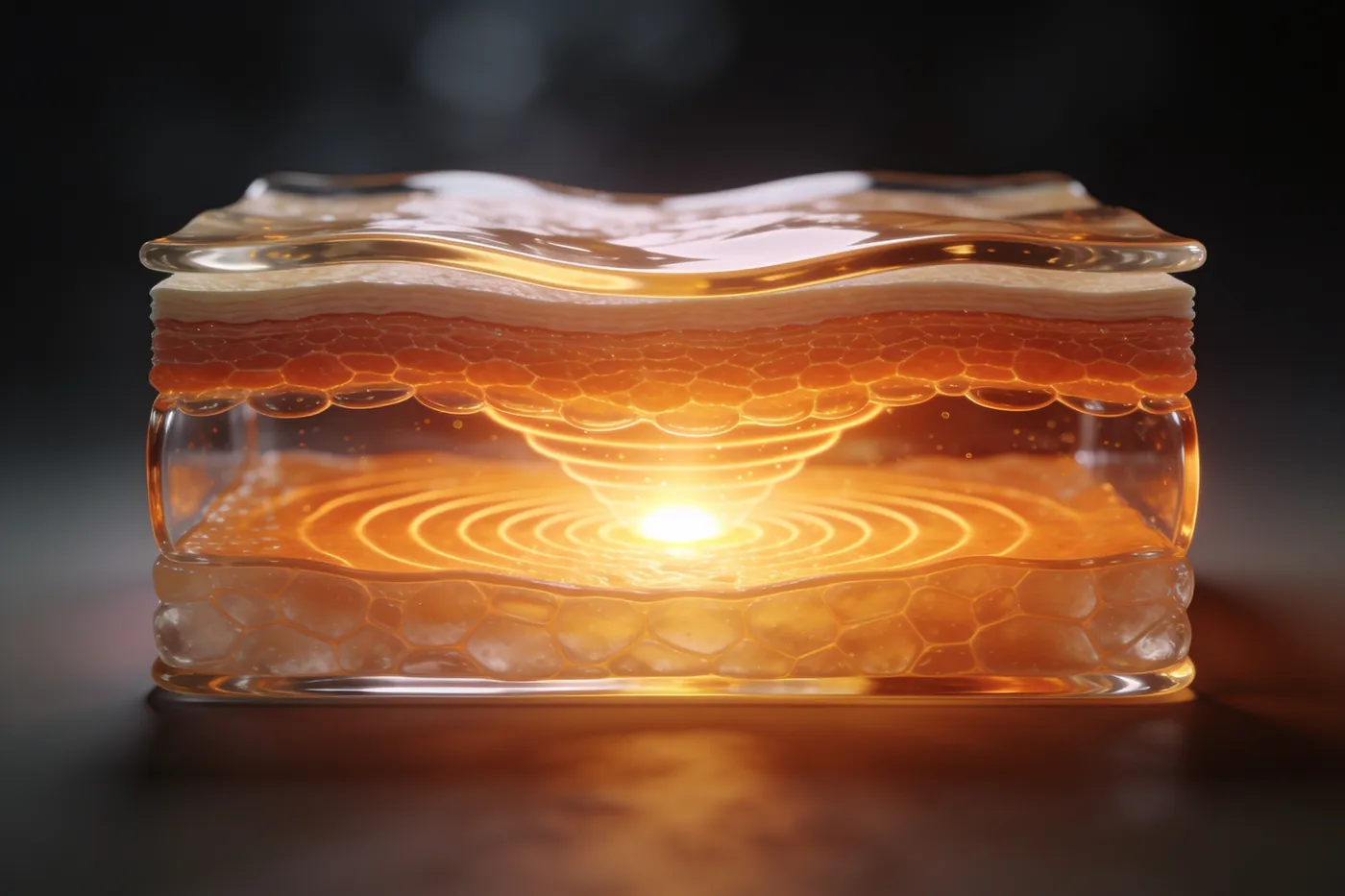
The 755 nm beam is delivered in millisecond pulses — long enough to heat a hair follicle through its melanin, matched to the follicle’s thermal relaxation time, while cooling protects the surface. In hair removal, only follicles in their active growth phase respond to any one pass, which is why hair reduction is inherently a staged process across growth cycles.
On pigmented lesions, the same melanin absorption lets discrete, well-defined spots — freckles, lentigines — take up energy selectively. Diffuse or hormonally driven pigment such as melasma is a different condition entirely and is deliberately not treated this way; heat can make melasma worse, and telling those diagnoses apart is the point of the assessment.
What the Alexandrite Laser Addresses
Laser Hair Removal
Dark terminal hair on lighter-to-medium skin — face, underarms, arms, legs, back. The 755 nm wavelength’s strong melanin absorption is well suited to this combination.
Freckles & Lentigines
Discrete, well-defined sun-induced spots that an examination has confirmed are benign. Selective melanin targeting lightens the spot while sparing surrounding skin.
Ingrown Hair & Folliculitis-Prone Areas
Where repeated shaving or waxing drives ingrown hairs and inflammation, reducing the follicle addresses the cause rather than the symptom.
The Wrong Candidates — Named Honestly
Melasma, tanned skin, and deeper phototypes on this wavelength. These are not refused because they cannot be helped — they are redirected to the right tool, usually 1064 nm or conservative pigment protocols.
Skin Tone Matching
Fitzpatrick phototype is assessed formally. Singapore skin spans III to V — the group where wavelength choice matters most.
Combination Plans
Hair removal and pigment work are sequenced with any other laser treatments so wavelengths and recovery do not collide.
“You are matched to the wavelength — never the other way around.”Dr Sin Yong
Key Facts
Long-Pulsed Alexandrite Laser Singapore — the Mechanism in Numbers
Wavelength
755 nm (Alexandrite crystal)
Pulse domain
Milliseconds — long-pulsed, matched to follicle thermal relaxation
Chromophore
Melanin — in hair shafts and pigmented lesions
Follicle depth
Terminal hair bulbs sit roughly 2–4.5 mm deep
Alternative
1064 nm Nd:YAG for deeper phototypes
Principle
Selective photothermolysis — heat the target, spare the surroundings
Reference: Anderson RR, Parrish JA. Selective photothermolysis: precise microsurgery by selective absorption of pulsed radiation. Science. 1983;220(4596):524-527.
The Treatment Process
01
Phototype & Lesion Assessment
Skin type grading, examination of the treatment area, and — for pigment — confirmation that each spot is a benign, laser-appropriate lesion. Anything atypical is referred, not lasered.
02
Patch Test Where Indicated
On borderline phototypes or reactive skin, a small test area confirms the response before committing the full area.
“Laser hair removal aims at pigment in the hair, so the contrast between hair and skin decides the settings.”
Dr Sin YongOn laser hair removal in Asian skin
03
Treatment
Protective eyewear, surface cooling, and systematic passes at settings chosen for your skin and target. Sensation is often described as a quick snap with warmth.
04
Aftercare & Review
Strict sun protection afterwards — pigment recurrence and rebound are sun-driven. Response is reviewed and settings refined; hair reduction is staged across growth cycles by design.
Alexandrite 755 nm compared with the alternatives the page names
Option
What it does
What it cannot do
What to expect afterwards
Who it tends to suit
Alexandrite 755 nm for hair
Millisecond pulses heat dark hair follicles through melanin, staged across growth cycles.
Works poorly on fine, light or grey hair, which carries little melanin.
Strict sun protection; response is reviewed and settings refined.
Dark terminal hair on lighter-to-medium skin.
Alexandrite 755 nm for freckles and lentigines
Melanin absorption lets discrete, confirmed-benign spots take up energy selectively.
Does not treat melasma, and sun exposure creates new spots.
Sun protection afterwards, since pigment recurrence is sun-driven.
Discrete sun-induced spots on lighter-to-medium skin, confirmed benign.
Nd:YAG 1064 nm
A longer wavelength that bypasses more epidermal melanin.
Melanin absorbs it less strongly than 755 nm, so it is matched to skin tone.
A patch test may be used on reactive skin; discussed at consultation.
Deeper phototypes, where it is often the safer choice.
Conservative pigment protocols for melasma
Manage diffuse or hormonally driven pigment without aggressive melanin-targeted heat.
Not the same as lasering a discrete spot; a different diagnosis needs a different plan.
Discussed at consultation, once the area and plan are assessed.
Melasma, which is deliberately not treated with alexandrite.
Continued shaving or waxing
Removes hair at the surface without treating the follicle.
Does not address ingrown hairs and folliculitis driven by repeated shaving or waxing.
An ongoing routine; irritation can recur.
Those content with their routine, or not yet ready for laser.
Who it suits, who should wait, who is referred on
Tends to suit
Dark terminal hair on lighter-to-medium skin
Discrete sun-induced freckles or lentigines confirmed benign
Ingrown hair or folliculitis driven by repeated shaving or waxing
Untanned skin and willingness to protect it from sun
Better to wait
Recent tan or strong sun exposure
Pregnancy or breastfeeding
Active infection or cold sore in the area
Referred on
Atypical or changing pigmented lesion: dermatology assessment before any laser
Melasma or deeper phototype on this wavelength: redirected to 1064 nm or conservative pigment care
Who should not have this treatment
Tanned skin or recent strong sun exposure
Melasma or diffuse hormonal pigment in the treatment area
Deeper skin tones where this wavelength is not matched
Active infection, open wound or active cold sore in the area
Photosensitising medicines or recent isotretinoin, assessed individually
Any atypical lesion that has not been examined
People with fine, light or grey hair, melasma, tanned skin or deeper phototypes tend to respond poorly or carry more risk on this wavelength, and are matched to another approach.
What happens, step by step
Consultation with phototype grading and examination of the area or spots
Written plan and quote, with a patch test where indicated
Treatment day: protective eyewear, surface cooling and systematic passes at settings chosen for your skin
Review and adjustment, with strict sun protection and staged follow-up across hair growth cycles
Risks, side effects and when to call
Expected effects include warmth, redness and perifollicular swelling that settle, along with a snapping sensation during treatment. Less commonly, the skin can darken or lighten, a blister or crust can form, folliculitis can develop, or hair can grow more finely or thickly in the treated area. These risks are higher on tanned or deeper skin, which is why phototype is graded and a patch test may be used on borderline or reactive skin. Hair reduction is staged, and sun exposure can create new spots after pigment treatment.
Cool the area gently and avoid heat such as hot showers and saunas
Avoid scratching, picking or tight friction on the treated skin
First week
Avoid waxing, plucking and exfoliating the area
Expect shed hairs and mild perifollicular bumps as the skin settles
Sun
Protect the treated area strictly from sun and apply sunscreen, because pigment recurrence and rebound are sun-driven
Skincare
Use a gentle cleanser and moisturiser and pause retinoids and acids until advised
When to call
Blistering, crusting or increasing pain
New darkening or lightening of the treated skin
Before you book
Declare isotretinoin, photosensitising medicines and any history of cold sores in the area
Avoid sun exposure and tanning on the area before treatment, and tell the clinic if you have a tan
Tell the clinic if you are pregnant or breastfeeding
Do not wax, pluck or use depilatory creams in the area; shave as instructed and pause retinoids or acids
Bring photographs of any spots you want assessed and a list of previous laser treatments
What determines the fee
The fee depends on the area or areas treated, the size of each area and hair density, whether the aim is hair reduction or discrete pigment, whether a patch test is needed, and whether it is combined with another laser. Hair reduction is staged across growth cycles, so the plan is set after assessment. A written quote is given at consultation. The consultation also decides whether alexandrite is advised at all, or whether 1064 nm or another approach fits your skin better.
It depends on your skin tone and target. 755 nm Alexandrite absorbs melanin more strongly — effective for hair and spots on lighter-to-medium skin. 1064 nm Nd:YAG penetrates deeper with less epidermal melanin uptake — usually the safer choice for deeper skin tones. The examination decides.
For Fitzpatrick I to III it is generally well suited. For IV and above, settings become conservative or the wavelength changes to 1064 nm. This is exactly what the assessment and, where needed, a patch test are for.
Treated spots can lighten, but sun exposure creates new ones — pigment is an ongoing negotiation with ultraviolet light, not a one-time erasure. Sun protection determines how long results hold.
Melasma is heat-sensitive and hormonally driven; aggressive melanin-targeted heat can make it worse. It is managed with its own conservative protocols — a different diagnosis deserves a different plan.
Poorly — the laser targets melanin, and fine vellus or grey hair carries little of it. You deserve to know that before starting, not after.
Hair grows in cycles and only actively growing follicles respond to each pass, so treatment is staged by biology. The realistic plan for your area and hair type is set out at consultation.
The fee depends on the areas treated, their size and hair density, whether a patch test is needed and whether another laser is combined. Hair reduction is staged across growth cycles, so a written quote is given at consultation after assessment, and the consultation also decides whether alexandrite or 1064 nm suits your skin tone.
It is worth considering for dark terminal hair or discrete benign spots on lighter-to-medium, untanned skin. It is the wrong tool for fine, light or grey hair, for melasma, and for deeper skin tones where a longer wavelength is usually matched instead. Phototype and examination decide which applies.
No duration can be promised. For hair, only follicles in their growth phase respond to each pass, so reduction is staged by biology and depends on hair type, area and hormones. For spots, sun exposure creates new pigment, so protection strongly influences how long change holds. Review timing is set at consultation.
Melanin is the target, so it works poorly on fine, light or grey hair and carries more risk on tanned or deeper skin. Pigment change, blistering and folliculitis can occur. Hair reduction needs staged visits, treated spots can return with sun exposure, and melasma cannot be treated with it.
Medically reviewed by Dr Sin Yong, MBBS (NUS), MRCS (Edinburgh) · Last updated 7 October 2026 · Editorial policy
Related reading
Pigmentation Worse After Laser? Why — Pigmentation worse after laser is common in Asian skin. Why rebound happens and what to do next, by Dr Sin Yong. WhatsAp…
Where Dr Sin Yong consults: Wheelock Place, 501 Orchard Road, Singapore 238880 (unit on booking) · Orchard MRT · Mon–Fri 10am–8pm, Sat 11am–3pm · WhatsApp +65 8023 7170 · Getting here · How fees are quoted
Alexandrite Laser Consultation — Dr Sin Yong
Start with a message, not an appointment. Describe your concern on WhatsApp and you will get a straightforward reply about whether an assessment makes sense, before you commit to coming in.