- Acne Scar Treatment Downtime by Method
Acne scar treatment downtime by method: subcision, TCA CROSS, fractional CO2, RF microneedling and collagen…
- Am I Suitable for Pico Laser, and Which Pico?
Who suits pico laser, who should wait, and how PicoSure, PicoWay, Pico Plus, Discovery Pico and the DEKA TORO…
- Belly Fat Reduction Without Surgery in Singapore
Non-surgical belly fat reduction in Singapore: radiofrequency, microwave, fat freezing and muscle stimulation…
- CO2 Laser Downtime: What Happens in the First Weeks
CO2 laser downtime in phases: treatment day, crusting and peeling, pinkness and review. What is expected,…
- Chest and Shoulder Keloids: Why They Differ
Why keloids on the chest and shoulders behave differently: skin tension, acne and surgical triggers,…
- DEKA Tetra Pro in Singapore
The DEKA SmartXide Tetra Pro CO2 laser in Singapore: what the platform is, why its pulse control matters for…
- Dark Eye Circle Treatment Singapore: By Type
Dark eye circle treatment in Singapore depends on type: pigment, vessels or shadow. How each is assessed,…
- Dark Underarms Treatment in Singapore
Dark underarms treatment in Singapore: how the cause is assessed, and how stopping irritation, supervised…
- Dermal Fillers Singapore: HA, CaHA, PCL, PLLA
Dermal fillers in Singapore compared by material: hyaluronic acid, CaHA, PCL and PLLA. What each does, which…
- Double Chin Treatment Cost Singapore: What Decides the Fee
What decides double chin treatment cost in Singapore: the cause found, the approach and consumables, zones,…
- Earlobe Keloid After Piercing: Options
Earlobe keloid after piercing: how to tell it from an irritation bump, why it grows, options from steroid…
- Enlarged Pores Treatment Singapore
Enlarged pores treatment in Singapore, honestly framed: nothing shrinks a pore permanently, but lasers, LDM…
- Eye Bag Treatment Cost in Singapore: What Decides the Fee
What decides eye bag treatment cost in Singapore: the cause found, the approach it calls for, zones,…
- Fractional CO2 Laser for Pores and Texture
Fractional CO2 laser for pores and texture in Singapore: what the DEKA Tetra Pro does to a pore, how it…
- Fractional CO2 Laser in Asian Skin: PIH and Settings Logic
Fractional CO2 laser in Fitzpatrick III to V skin: why darkening follows resurfacing, why density matters…
- From Active Acne to Scars: The Pathway
The pathway from active acne to marks to scars: acne control first, red and brown marks next, texture last;…
- HIFU Cost in Singapore: What Decides the Fee
What decides HIFU cost in Singapore: zones, cartridge depths and lines, device and consumables, combinations,…
- HIFU for Brow and Upper Eyelid Heaviness
HIFU for brow and upper eyelid heaviness in Singapore: which of skin, brow and muscle is responsible, the…
- HIFU for Double Chin: Fat, Skin or Posture?
HIFU for a double chin in Singapore: which part of the fullness focused ultrasound reaches, the depths used…
- HIFU for Jowls
HIFU for jowls in Singapore: why a jowl is descended tissue, which depths are placed along the jawline, the…
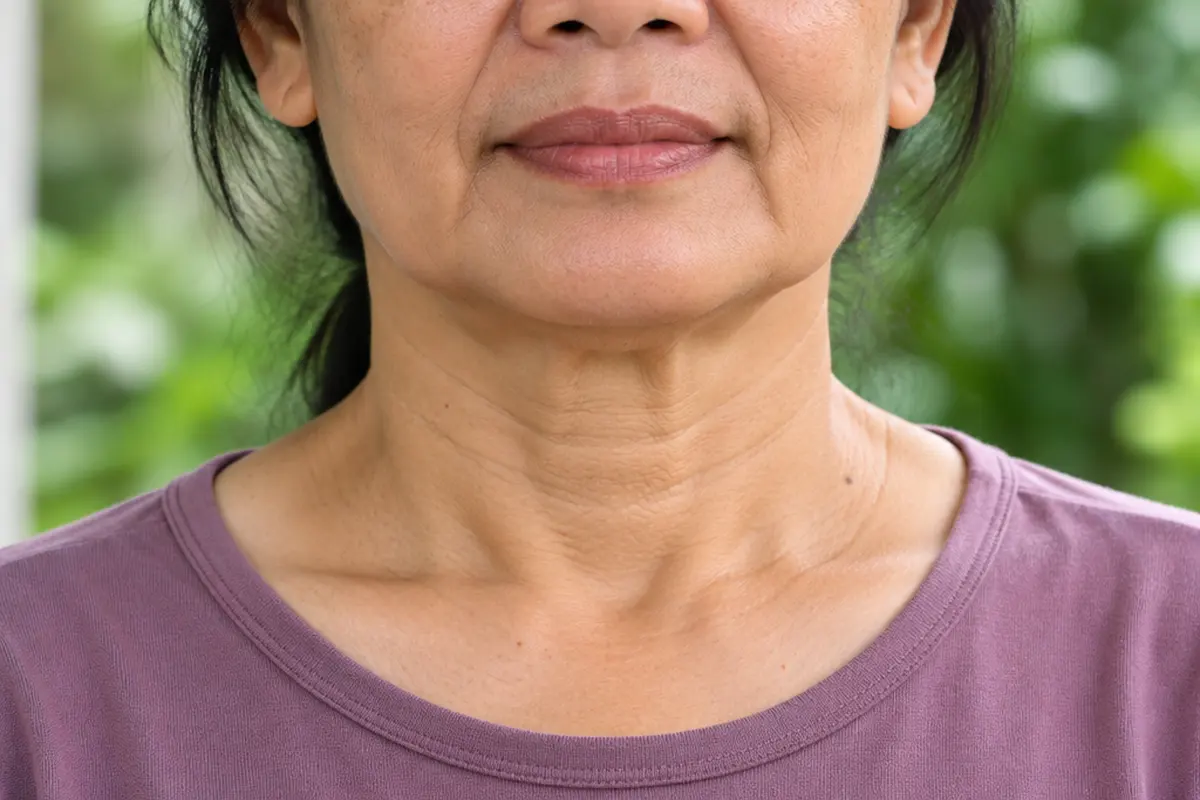
- HIFU for the Neck: Lines, Laxity and Platysma
HIFU for the neck in Singapore: which of lines, crepe, laxity and platysmal bands focused ultrasound…
- Hori's Naevus (ABNOM): Cheek Pigment Explained
Hori's naevus (ABNOM) is dermal cheek pigment often mistaken for melasma: why creams fail, how it is told…
- How Many Pico Laser Sessions? What Decides It, Not a Number
What decides how many pico laser sessions you need: pigment type and depth, skin type, mode, sun exposure and…
- Ice Pick Scars Treatment in Singapore
Ice pick scars treatment in Singapore: why resurfacing alone falls short, how TCA CROSS, punch techniques and…
- Keloid Steroid Injection: How It Works
How a keloid steroid injection works, who forms keloids, what a course involves, the side effects to know,…
- Laser Tattoo Removal Singapore: Ink and Skin
How laser tattoo removal works in Singapore: ink colours and wavelengths, why treatment is staged, skin type…
- Pico Laser Gone Wrong: PIH, Pale Spots, Rebound and Burns
How pico laser goes wrong in Fitzpatrick III to V skin: post-inflammatory darkening, pale spots, rebound…
- Pico Laser Singapore: Pigment, Pores, PIH Risk
What picosecond laser does for sun spots, freckles and texture in Singapore, why pigment can darken…
- Pico Laser for Acne Scars: Marks vs Texture
Pico laser for acne scars in Singapore: why brown marks, red marks and true scars need different tools, and…
- Pico Laser for Freckles
Pico laser for freckles in Singapore: how freckles are told from sun spots and melasma, which wavelength is…
- Pico Laser for Melasma: When It Helps and When It Worsens
Pico laser for melasma in Singapore: how melasma is confirmed, what low-energy toning can and cannot do, the…
- Pico Laser for PIH (Post-Inflammatory Hyperpigmentation)
Pico laser for PIH in Singapore: how post-inflammatory hyperpigmentation is confirmed, when toning is…
- Pico Laser with CO2 (S3 Resurfacing Lift): Sequencing
Pico laser with fractional CO2 in the S3 Resurfacing Lift: why pigment and texture need different lasers,…
- RF Microneedling for Acne Scars: Which Scar Types Respond
RF microneedling for acne scars in Singapore: which of rolling, boxcar, ice-pick, tethered and raised scars…
- RF Microneedling for Pores: What Changes and What Does Not
RF microneedling for enlarged pores in Singapore: what a pore is, which pores respond to dermal remodelling,…
- RF Microneedling in Asian Skin: Why Insulated Needles Matter
RF microneedling in Fitzpatrick III to V skin: why energy released below the surface lowers pigment risk,…
- Scar Reconstruction
Scar reconstruction in Singapore, assessment-first: rolling, boxcar, icepick, tethered and keloid scars are…
- Scar Repair Programme: Subcision to Upkeep
Dr Sin Yong's sequence for depressed acne scars: subcision, S3 Resurfacing Lift, polynucleotides, then…
- Skin Boosters with RF Microneedling: Order and Spacing
Skin boosters with RF microneedling: why the two are combined, which goes first and why, how spacing is set…
- Subcision for Acne Scars in Singapore: How It Works
Subcision for acne scars in Singapore: how a needle or cannula releases tethered rolling and boxcar scars,…