Published 7 October 2026 · Reviewed by Dr Sin Yong
Pico laser for acne scars treats two different leftovers of acne in two different modes: brown post-inflammatory marks with low-energy toning, and shallow textural scarring with fractional picosecond delivery. Pico laser does not release tethered rolling scars, fill deep ice-pick tracts or fade red marks, so the scars are sorted by type before the mode is chosen.
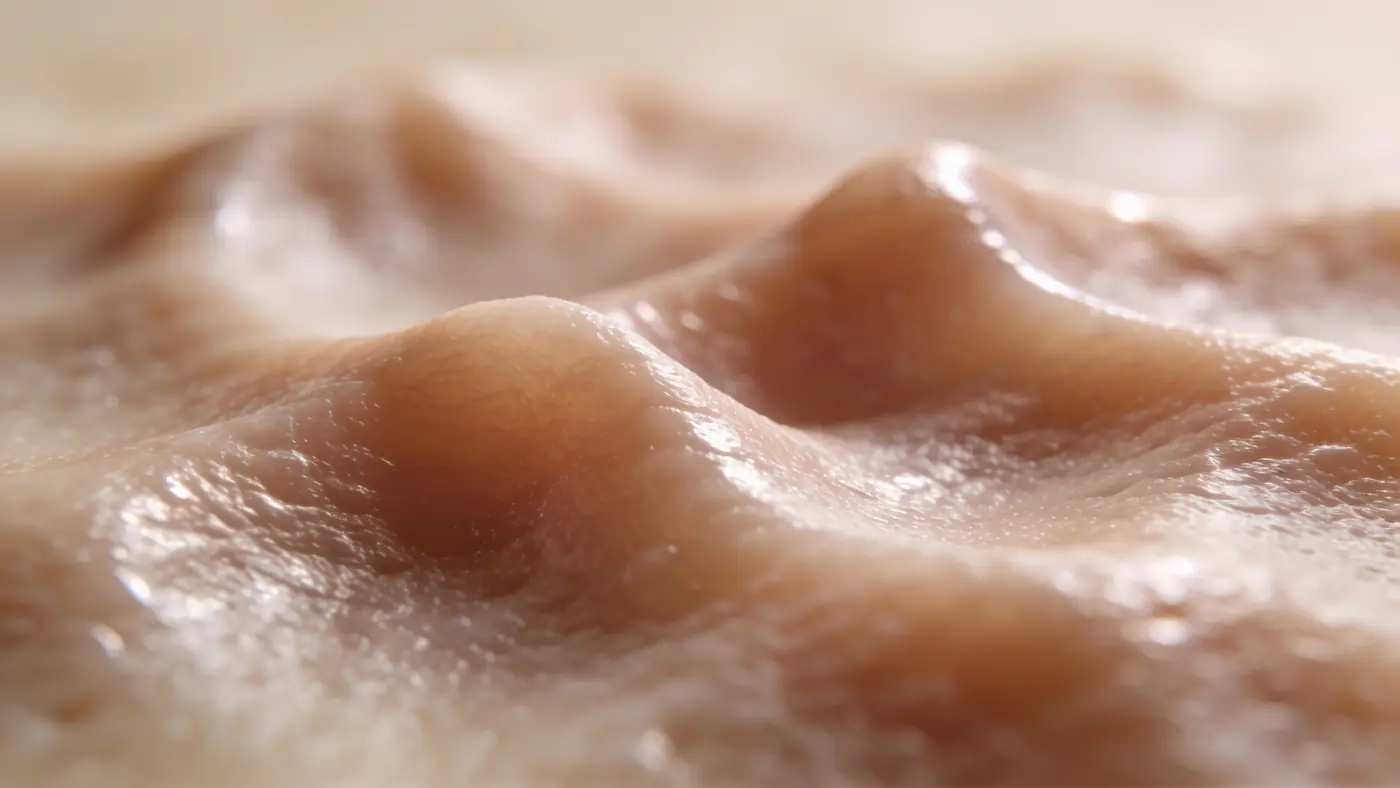
Illustrative image. A brown mark, a red mark and a depressed scar are three different problems in the same square centimetre.
Key facts
Brown marks (PIH)
Pigment left after inflammation; low-energy picosecond toning once acne is controlled
Red marks (PIE)
Dilated vessels, not pigment; a vascular-directed laser rather than picosecond toning
Shallow texture
Fractional picosecond mode creates small zones of injury within intact skin to prompt remodelling
Not reached
Tethered rolling scars, deep boxcar walls and ice-pick tracts; these need subcision, CO2 or TCA CROSS
Main risk
Post-inflammatory darkening after fractional treatment in Fitzpatrick III to V skin
Fee
Set in writing after assessment; see how fees are quoted
How is an acne scar confirmed, and is it a mark or a scar?
An acne scar is confirmed by stretching the skin and looking at it in angled light, because much of what people call scarring is colour rather than contour. Before pico laser is considered, Dr Sin Yong separates three leftovers of acne: a brown mark, which is post-inflammatory hyperpigmentation; a pink or red mark, which is post-inflammatory erythema from dilated vessels; and a true scar, where the dermis has been lost or tethered and the surface sits below its neighbours. The acne scar treatment page covers the full toolkit; this page covers only what the picosecond laser does within it.
The stretch test does most of the sorting. A mark that disappears when the skin is pulled taut is colour; a dent that remains is a scar, and a dent that deepens with a dimpling pull is tethered from below. Scars are then described by shape as rolling, boxcar or ice pick, because each shape responds to a different step, and active acne is brought under control first so that new marks do not form while old ones are being treated.
Illustrative image — not a patient.
What does pico laser do for brown and red acne marks?
Pico laser treats the brown marks and not the red ones. Post-inflammatory hyperpigmentation is melanin left behind by the inflammation of a pimple, and low-energy picosecond toning fragments that deposit so the skin can clear it. The marks fade on their own in time, so toning is reserved for marks that are persisting after the acne is controlled, and it is delivered conservatively because the skin that made the mark is skin that darkens readily. The post-inflammatory hyperpigmentation page explains the condition in full.
Red marks are a vascular problem. The pink or purplish flat marks that linger after inflammation are dilated small vessels, and the picosecond emission is not directed at haemoglobin. Treating them with pigment settings adds heat without reaching the target. A laser that is absorbed by blood, or in some presentations the inflammation-directed R2 Glow protocol, is the relevant category, and that is decided at examination rather than by request.
“A rolling scar is tethered from below. Resurfacing the surface of a tethered scar treats the wrong structure.”
Dr Sin YongOn matching method to scar type
What does fractional pico laser do for scar texture, and where does it stop?
Fractional pico laser addresses shallow textural scarring by creating many tiny zones of injury within the skin while the surface between them stays intact. A diffractive optic concentrates the picosecond energy into small points, producing microscopic cavities in the epidermis and upper dermis that the skin repairs with new collagen. Because the surface is largely spared and less heat spreads outward than with an ablative laser, recovery is lighter and the pigment risk in Fitzpatrick III to V skin is lower, though not absent.
Its reach is the limit. Fractional picosecond energy works in the upper layers, so it suits fine, shallow rolling scars, early boxcar edges and the rough surface between scars. It does not divide the fibrous band that tethers a rolling scar, rebuild the wall of a deep boxcar scar or reach the floor of an ice-pick tract. Those scars are released by subcision, resurfaced with the fractional CO2 laser of the S3 Resurfacing Lift or treated with TCA CROSS first, and fractional pico, where it is used, is staged after them.
Marks versus texture: which acne leftover pico laser addresses
This table sorts the leftovers of acne into the two groups this page is about, colour and contour, and says what the picosecond laser does for each and where it stops. The stretch test does the sorting: a mark that disappears when the skin is pulled taut is colour, and a dent that remains is a scar. The acne scar treatment page covers the full sequence.
How are the settings chosen, and what are the risks?
Settings follow the target and the skin. For brown marks the energy is low, the spot is large and the interval long, with the same stop rule as any toning plan: a mark that darkens is reviewed, not treated again. For texture the fractional density and energy are set conservatively in darker skin, a small test area may be treated first, and treatment is deferred over active acne, a recent tan or a compromised skin barrier.
The risks are the risks of the mode. Toning can leave pale mottled spots if repeated too often, and fractional treatment can cause post-inflammatory darkening, pinpoint bleeding, prolonged redness, an acne flare or a cold sore outbreak around the mouth. Darker skin, sun exposure during healing and picking at the fine crusts each raise the chance of a brown mark. Increasing pain, swelling, pus or dusky skin should be reported the same day; the pico laser downtime article describes what each mode looks like afterwards.
What is combined with pico laser in an acne scar plan?
Pico laser is one step in a sequence, and usually not the first. The order of work is to control active acne, release tethered scars with subcision, treat ice-pick scars with TCA CROSS, resurface deeper scar edges with fractional CO2 or remodel the dermis with RF microneedling, and address colour, which is where picosecond toning sits. Treating the brown mark before the scar beneath it has been released means treating the surface of a structure that is still being pulled down.
Daily sun protection runs through the whole plan, because every step above injures the skin on purpose and unprotected sun during healing is the commonest reason a mark darkens. A doctor may also discuss a topical retinoid or other prescription agent after assessing the skin. The fee depends on which scar types are present, which steps the plan needs and in what order, the area treated and how the plan is staged; Singapore's rules prevent prices from being advertised, and a written quote follows assessment, as the how fees are quoted page explains.
Your next step
1. MessageWhatsApp +65 8023 7170 with what is bothering you. A reply comes from the clinic, not a bot.
2. AssessmentDr Sin Yong examines you himself on Orchard Road, with ultrasound where earlier filler is involved.
3. A plan in writingWhat he would do, what he would not, the fee factors, and the option of no treatment.
Every treatment is performed by Dr Sin Yong personally. Singapore Medical Council registered · invited to share his clinical expertise internationally as a Key Opinion Leader for CLASSYS, DEKA, HIRONIC, FOTONA, ALMA, LUTRONIC and ILOODA · HSA-registered devices · ultrasound-guided correction
They do different jobs, so neither is ranked above the other. Fractional pico works in the upper layers with a lighter recovery and lower pigment risk; fractional CO2 vaporises columns of tissue and reaches deeper scar edges with a longer recovery. Scar depth and skin type decide which applies, and some plans use both in sequence.
Not reliably, because red marks are dilated vessels rather than pigment and the picosecond emission is directed at melanin. A laser absorbed by blood, or an inflammation-directed protocol, is the relevant category. Many red marks also fade on their own once acne is controlled.
Yes. Active, inflamed acne is brought under control first, so that new marks do not form while old ones are treated and so that fractional energy is not delivered over inflamed skin. The order of work is set at assessment and is part of why the plan is staged.
No. An ice-pick scar is a narrow tract that reaches deep into the dermis, and fractional picosecond energy works in the upper layers. TCA CROSS places a concentrated acid into each tract to prompt collagen from the base; any laser work follows that step.
Usually pinpoint redness, mild swelling and a rough or sandpapery feel while the skin renews, with fine flaking afterwards. How long this takes varies with the settings and the skin. Darkening that appears afterwards should be reviewed rather than treated over.
References
Use of a Picosecond Pulse Duration Laser With Specialized Optic for Treatment of Facial Acne Scarring. JAMA Dermatology, 2015. source
Skin Whitening Supplements: The Evidence — Glutathione pills, tomato carotenoids and tranexamic acid tablets: what the evidence shows, how HSA regulates supplement…