Rolling scars treatment in Singapore: release the tether first
Medically reviewed by Dr Sin Yong · Last reviewed · 9 min read
Published 13 October 2026 · Reviewed by Dr Sin Yong
Rolling scars treatment Singapore clinics offer often starts with a laser, and that is the usual reason an acne rolling scar treatment plateaus. A rolling scar is a broad, wave-like dip held down by a fibrous band in the subcutaneous plane, below the depth any resurfacing energy reaches. Dr Sin Yong releases the band by subcision first, supports the floor with Radiesse where volume is lost, and only then resurfaces with the Secret DUO or the S3 Resurfacing Lift.
Short answerRolling scars are a tether problem before they are a surface problem. The sequence is release (subcision), support (Radiesse where the floor is thin) and then resurface (Secret DUO RF microneedling or the S3 Resurfacing Lift, by depth). Energy alone fails because it remodels skin in whatever position it finds it, and a tethered scar is still being pulled down. The acne scar treatment Singapore guide covers the other scar types on the same face.
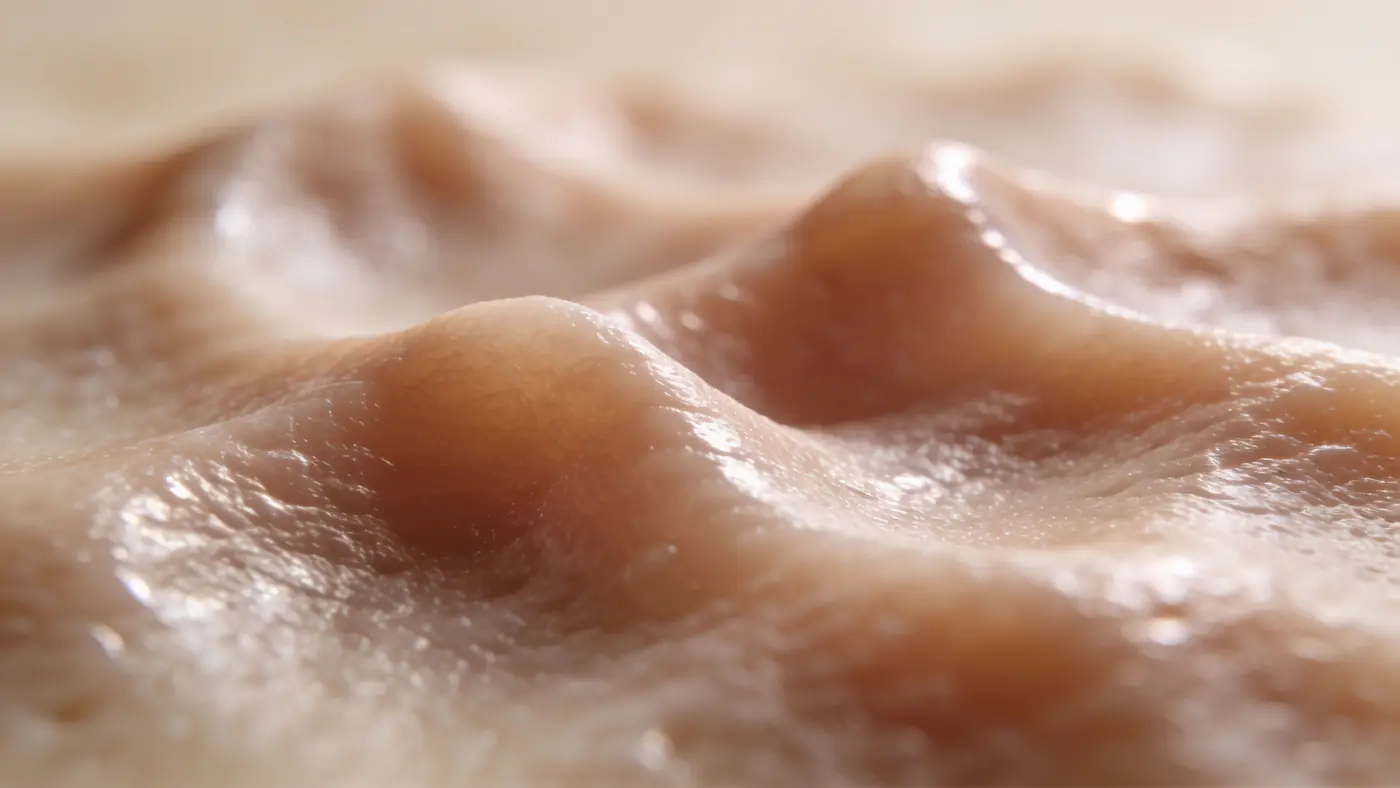
A broad depression, usually wider than 4 to 5 mm, with soft sloping shoulders and an undulating surface, caused by fibrous bands pulling the dermis down from below (Jacob 2001)
The stretch test
Stretch the skin beside the scar between two fingers: a rolling scar flattens or nearly disappears, which shows it is tethered
Step one: subcision
A needle or blunt cannula divides the band beneath the scar under local anaesthetic through a small puncture (Orentreich 1995)
Step two: support
Radiesse (calcium hydroxylapatite) placed into the released space where the floor has thinned; filler does nothing for an intact tether
Step three: resurface
Secret DUO RF microneedling for shallow rolling scars and texture; S3 Resurfacing Lift where the scar is deep. FSX Laser for superficial texture
Why energy alone fails
Lasers and RF act on the dermis from above; the band sits below. Resurfacing a tethered scar polishes a dimple that is still being held down
Rolling scars treatment Singapore: start with the anatomy
Of the three depressed acne scar types described by Jacob and colleagues, the rolling scar is the one whose cause is not at the surface at all (Jacob 2001). When deep acne inflammation heals, scar tissue can form as a vertical cord anchoring the underside of the dermis to the tissue beneath. The skin above is intact; the broad, soft-edged dip exists because something is pulling it down from inside, the way a thread pulls an upholstery button into a cushion. That is why rolling scars look worse under angled light and when the face moves, and why they flatten when the skin beside them is stretched. Most scarred cheeks carry rolling scars alongside boxcar scars and ice-pick scars, so the acne scar treatment Singapore guide maps all three; this page is about the rolling scar alone, and the one step it needs that the others do not.
The stretch test: how a tether is found
Dr Sin Yong finds tethers by examination, not photographs, because a tether shows on stretch and animation and neither shows in a picture. The skin beside each scar is stretched between two fingers under side light. A scar that flattens or nearly disappears is being held down from below, whatever its shape. One that deepens when you smile is transmitting the pull of the muscle beneath. One that stays as a sharp pit or a flat-floored dent on stretch is a depth problem, not a tether, and goes to a different tool. The acne scar assessment page lists everything graded at that visit; what comes out of it for rolling scars is a map of which ones need release and which, being untethered and shallow, can go straight to resurfacing.
Acne rolling scar treatment: why subcision comes first
subcision, short for subcutaneous incisionless surgery, treats the cause (Orentreich 1995). Under local anaesthetic a fine needle or blunt cannula is introduced through a small puncture beside the scar and swept beneath it in a fanning pattern to divide the band; release is often felt as a give. Two things follow. The downward pull is gone, so the surface is free to sit level. And the controlled injury beneath the scar prompts a repair response, with new collagen forming where the band was. The skin is entered through a puncture rather than cut, so there are no sutures; bruising, swelling and tenderness are expected and settle. The band can partly re-form as the area heals, which is one reason subcision is planned within a staged sequence with each scar reviewed, rather than as a one-off. In Dr Sin Yong’s 4D Scar Reconstruction it is the foundation step, done before anything is placed under the scar or passed over it.
The band sits in the subcutaneous plane, below the dermis. Lasers and RF work above it; a needle has to go beneath it.
Support: when Radiesse goes under a released scar
Filler helps a rolling scar only where the tissue beneath it has thinned, and does nothing for the tether, so the order is fixed: subcision first, support second. Where a volume deficit remains after release, Radiesse, a calcium hydroxylapatite collagen-stimulating injectable, is placed into the released space to support the floor at the time of placement and to prompt collagen over the following months. Placed under an intact band, filler tends to spread around it rather than lift the scar. No filler changes scar edges, texture or an ice-pick tract, and whether a particular released scar needs support at all is decided scar by scar at review, not assumed. The pairing is set out on subcision with filler.
Resurface: Secret DUO or S3 Resurfacing Lift after release
Once the surface is free, energy can do its job. For shallow rolling scars and the texture between them Dr Sin Yong uses RF microneedling on the Secret DUO: insulated microneedles deliver bipolar radiofrequency at a set depth with the surface spared, and insulated needles are generally his choice in Fitzpatrick IV to VI skin (Syder 2023; Chandra 2024). For deeper rolling scars and steep edges he uses the S3 Resurfacing Lift, fractional CO2 with point shots into pits and then fractional passes. Superficial textural scarring between the scars suits FSX Laser. Depth decides between the two lasers: FSX Laser for superficial scars, with a shorter recovery than S3, and the S3 Resurfacing Lift for deep ice-pick and boxcar scars. Whether release and resurfacing happen at one visit or are staged depends on the scars, the skin type and how bruising is expected to behave; in Fitzpatrick III to V skin, staging is often the more conservative choice.
Rolling scar treatment: what each step does and where it stops
Step
What it does
What it cannot do
Expected afterwards
Subcision
Divides the band tethering the scar so the floor can rise; prompts collagen where the band was
Resurface texture, soften edges or reach an ice-pick tract
Bruising, swelling and tenderness that settle; small firm lumps can occur and are reviewed
Radiesse support
Supports a released scar whose floor has thinned; stimulates collagen
Lift a scar over an intact tether; change edges or texture
Possible swelling or bruising at injection points
Secret DUO RF microneedling
Remodels the dermis at a set depth with the surface spared
Cut a band; reach a deep narrow floor
Redness and pinpoint marks that settle over days
S3 Resurfacing Lift
Ablative columns soften steep edges and refine the field
Release a tether; replace volume
Redness, swelling and fine crusting while channels close
FSX Laser
Non-ablative remodelling of superficial texture between scars
Reach a deep scar; release a tether
Redness that settles; shorter recovery than S3
Energy alone, no release
Polishes the surface of a scar still being pulled down
Change a tethered scar’s depth for long
A plateau: better skin, same dimples
Why energy alone fails, and when to stop
Lasers and radiofrequency act on the dermis from above; the band holding a rolling scar sits below, deeper than resurfacing energy is meant to reach. That is why scar journeys so often plateau: the surface scars improve and the few that were tethered stay put until the tether itself is addressed. More energy is not the answer, and in Fitzpatrick III to V skin inflammation has its own cost in post-inflammatory pigment. Some rolling scars should wait: active acne is controlled first, recent isotretinoin is reviewed, blood thinners and bleeding tendency matter for subcision, and a keloid tendency is weighed. Isolated scars too deep or wide for these methods are referred to a plastic surgery specialist for a punch technique. Risks of the sequence include bruising, lumps, infection, pigment change and a scar that responds less than hoped; no outcome is promised. The subcision vs laser comparison goes deeper, and every acne and scar guide on this site is indexed in one place.
“You can resurface a tethered scar indefinitely. The tether keeps pulling it down.”
Dr Sin YongOn why rolling scar treatment plateaus
Dr Sin Yong explains
The rolling scar is the one I see most often after a course of laser somewhere else, because it is the one laser cannot fix on its own. When I stretch the skin and the dip disappears, I know there is a band underneath, and no amount of energy from above will cut it. So I cut it, with a needle, through a puncture, under local anaesthetic. Then I decide scar by scar whether the floor needs support, and only then do I bring in energy: the Secret DUO where the scar is shallow and the skin is dark, the S3 Resurfacing Lift where it is deep. Done in that order the steps build on each other. Done in reverse, each one undoes the next.
Your next step
1. MessageWhatsApp +65 8023 7170 with what is bothering you. A reply comes from the clinic, not a bot.
2. AssessmentDr Sin Yong examines you himself on Orchard Road, with ultrasound where earlier filler is involved.
3. A plan in writingWhat he would do, what he would not, the fee factors, and the option of no treatment.
Every treatment is performed by Dr Sin Yong personally. Singapore Medical Council registered · invited to share his clinical expertise internationally as a Key Opinion Leader for CLASSYS, DEKA, Fotona, HIRONIC and ILOODA · HSA-registered devices · ultrasound-guided correction
There is no single treatment; rolling scars need a sequence. Subcision releases the fibrous band holding the scar down, Radiesse supports the floor where volume is lost, and RF microneedling on the Secret DUO or the S3 Resurfacing Lift then resurfaces the skin that remains. Energy alone fails because the band is below the depth it reaches.
Stretch the skin beside it gently between two fingers. A rolling scar is broad with soft sloping shoulders and flattens or nearly disappears on stretch, which shows it is tethered from below. It also looks deeper under side light and when you smile. This is a screening observation; Dr Sin Yong confirms it at assessment.
Not well. A laser remodels skin in whatever position it finds it, and a rolling scar is being pulled down by a band in the subcutaneous plane, below the depth the laser reaches. Resurfacing a tethered scar polishes a dimple that is still held down, which is why laser-only courses plateau. Release by subcision comes first.
Only after release, and only where the floor has thinned. Radiesse placed into a released space supports the scar and stimulates collagen; placed under an intact tether it tends to spread around the band rather than lift the scar. Filler does not change scar edges or texture, so resurfacing still follows.
Local anaesthetic is infiltrated first, and most people describe pressure and movement rather than sharp pain. Bruising, swelling and tenderness over the area are expected and settle on their own; small firm lumps can occur and are reviewed. The band can partly re-form, so release is planned within a staged sequence.
Depth and skin type decide. Shallow rolling scars and the texture between them suit RF microneedling on the Secret DUO, with insulated needles sparing the surface in darker skin. Deeper rolling scars with steep edges suit the S3 Resurfacing Lift. Superficial textural scarring suits FSX Laser, which has a shorter recovery than S3.
References
Jacob CI, Dover JS, Kaminer MS. Acne scarring: a classification system and review of treatment options. J Am Acad Dermatol. 2001;45(1):109-117. doi:10.1067/mjd.2001.113451. source
Orentreich DS, Orentreich N. Subcutaneous incisionless (subcision) surgery for the correction of depressed scars and wrinkles. Dermatol Surg. 1995;21(6):543-549. doi:10.1111/j.1524-4725.1995.tb00259.x. source
Syder NC, Chen A, Elbuluk N. Radiofrequency and radiofrequency microneedling in skin of color: a review of usage, safety, and efficacy. Dermatol Surg. 2023;49:489. doi:10.1097/DSS.0000000000003733 (PMID 36826381). source
Chandra S, et al. Physics of fractional microneedle radiofrequency. J Cutan Aesthet Surg. 2024;17:177. doi:10.25259/jcas_98_23 (PMID 39483649). source
US FDA 510(k) summary K202043 — Secret DUO (ILOODA Co., Ltd.), 2021. source