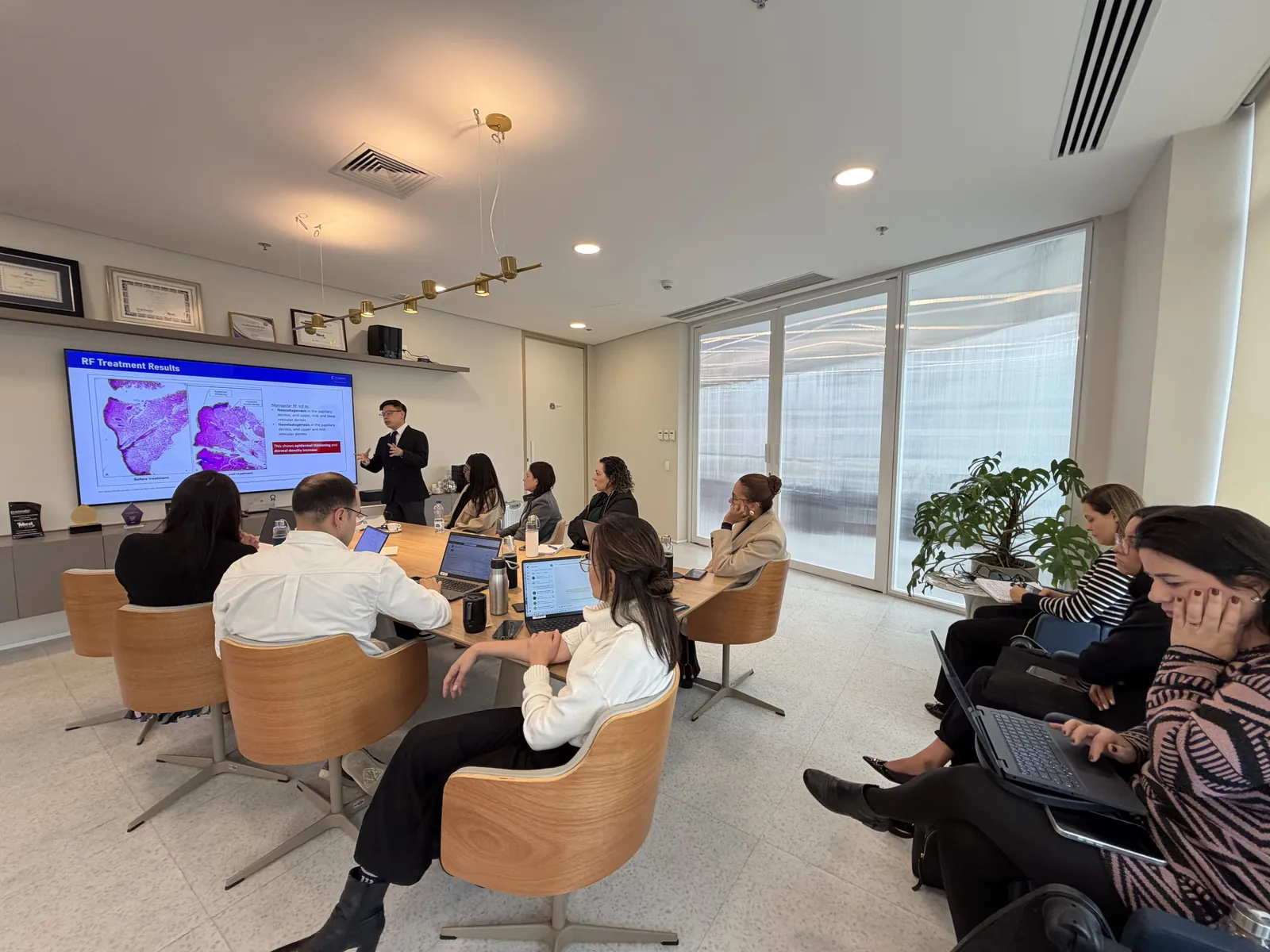
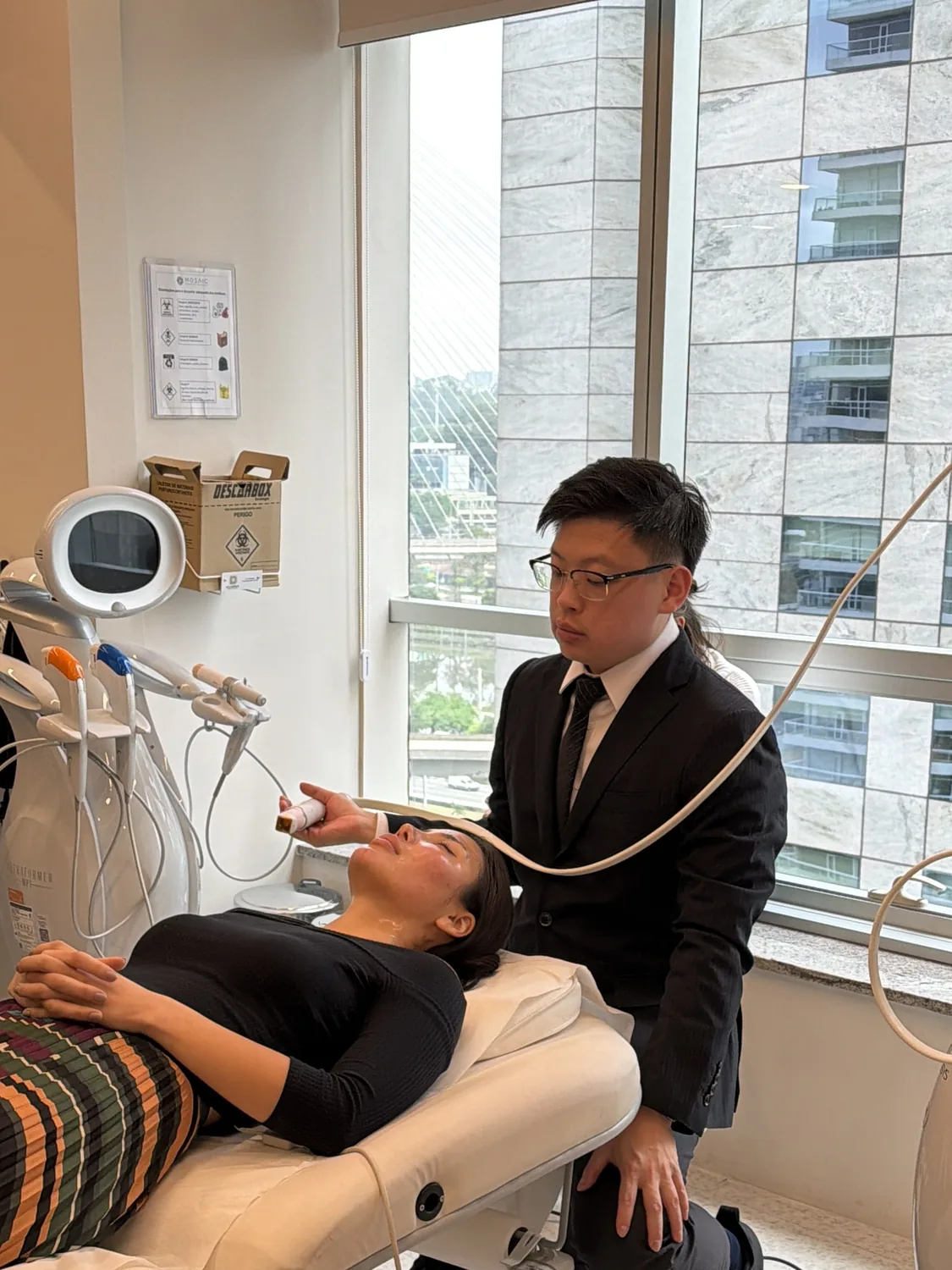
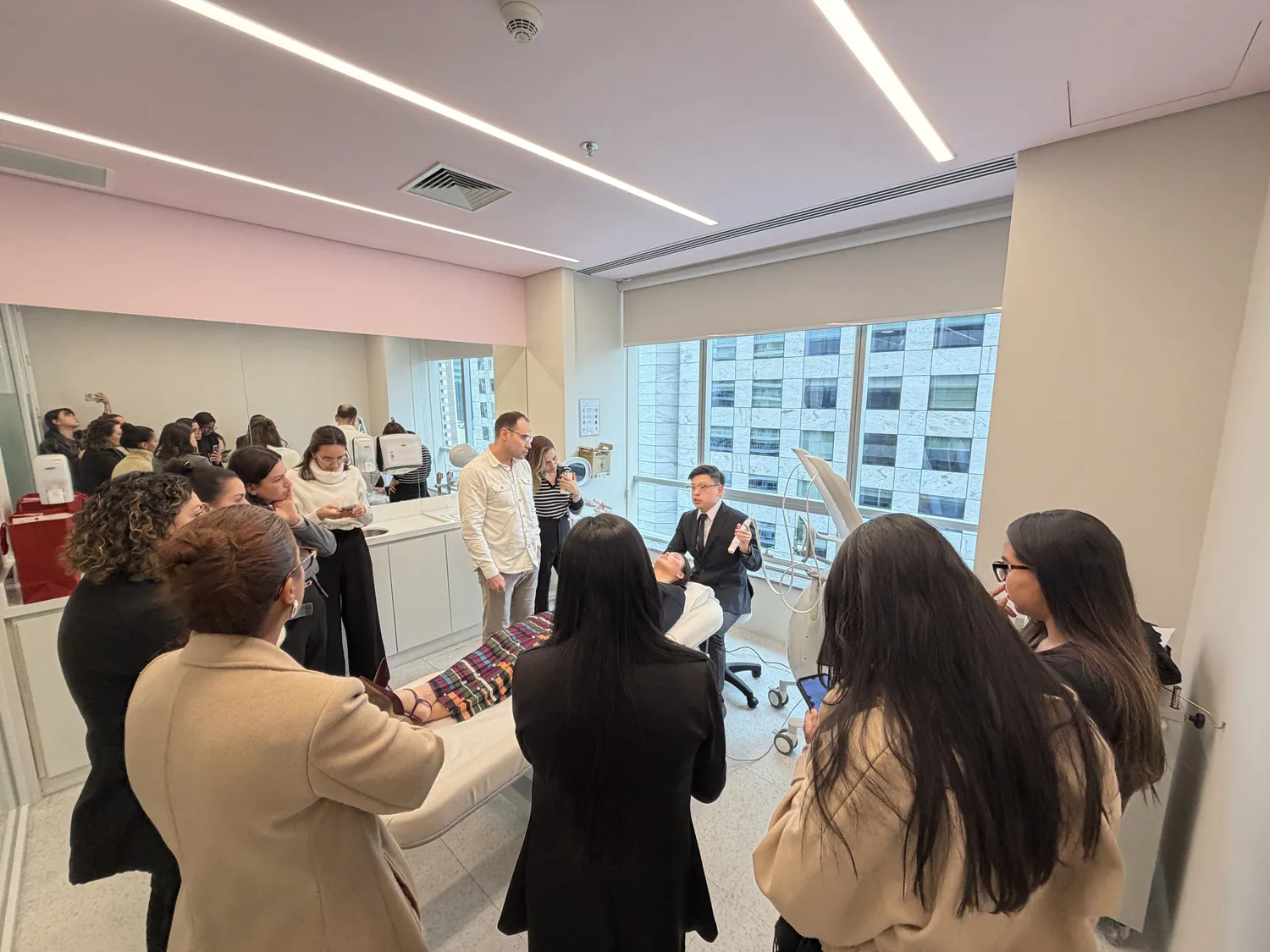
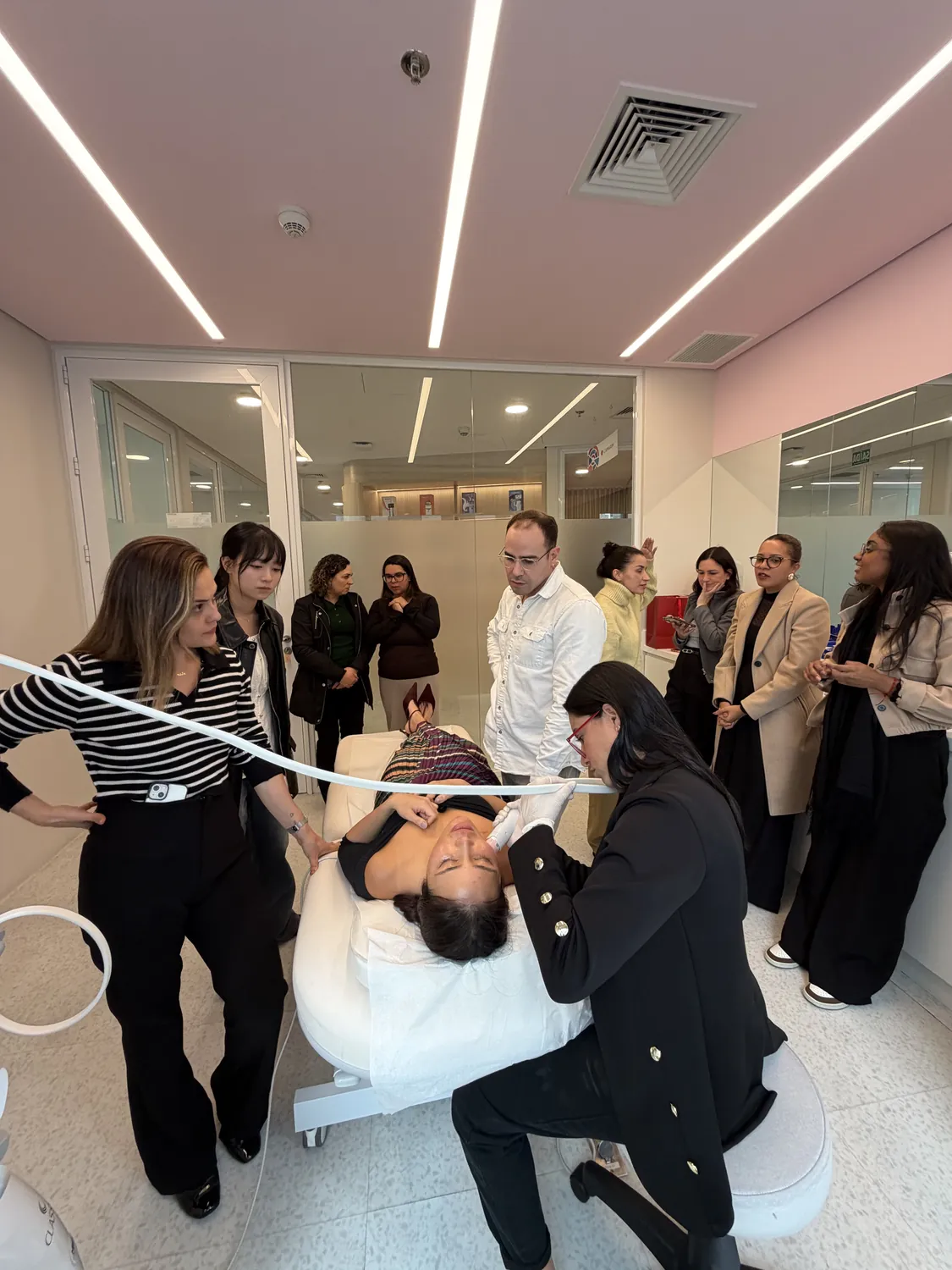
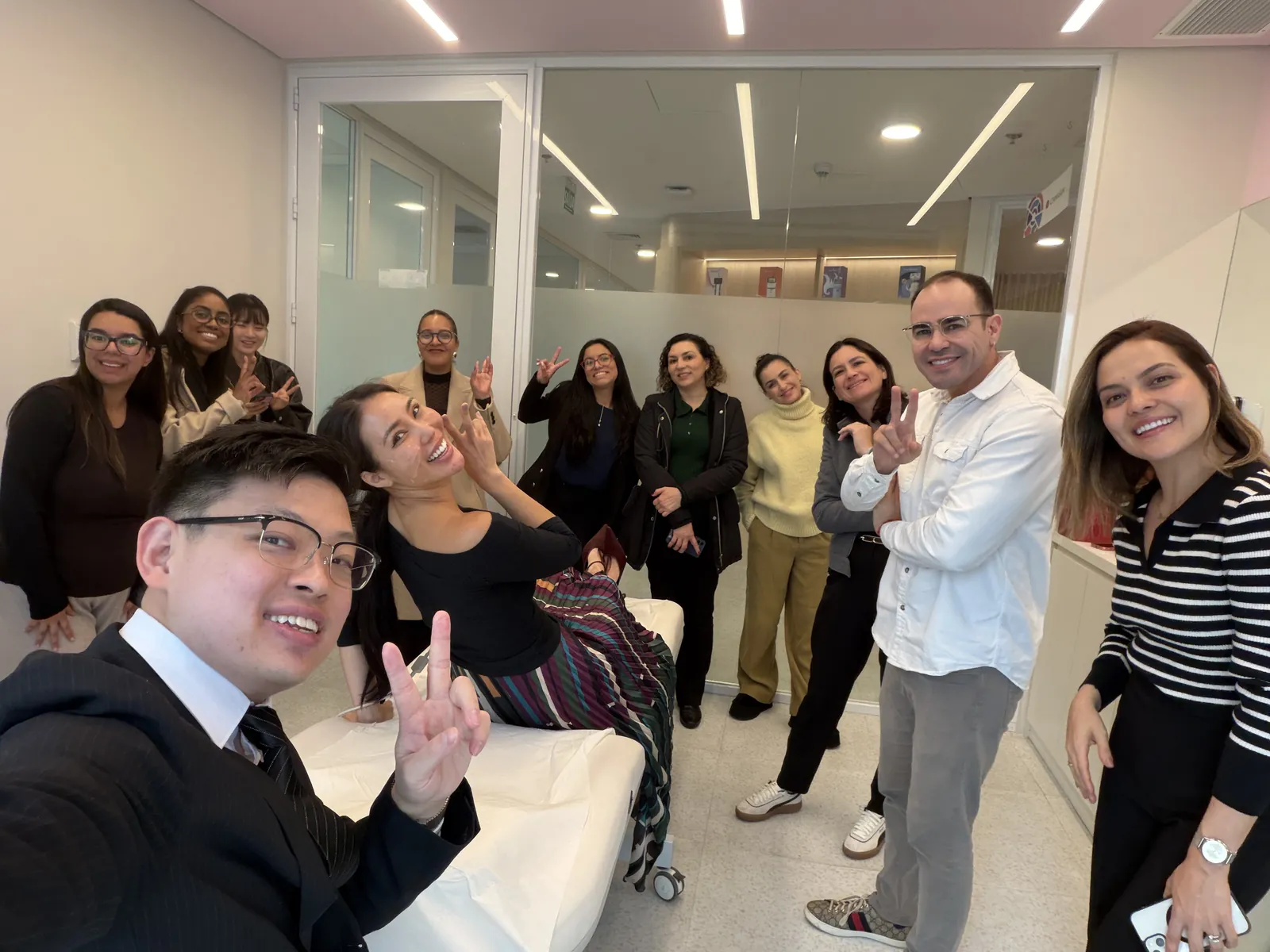
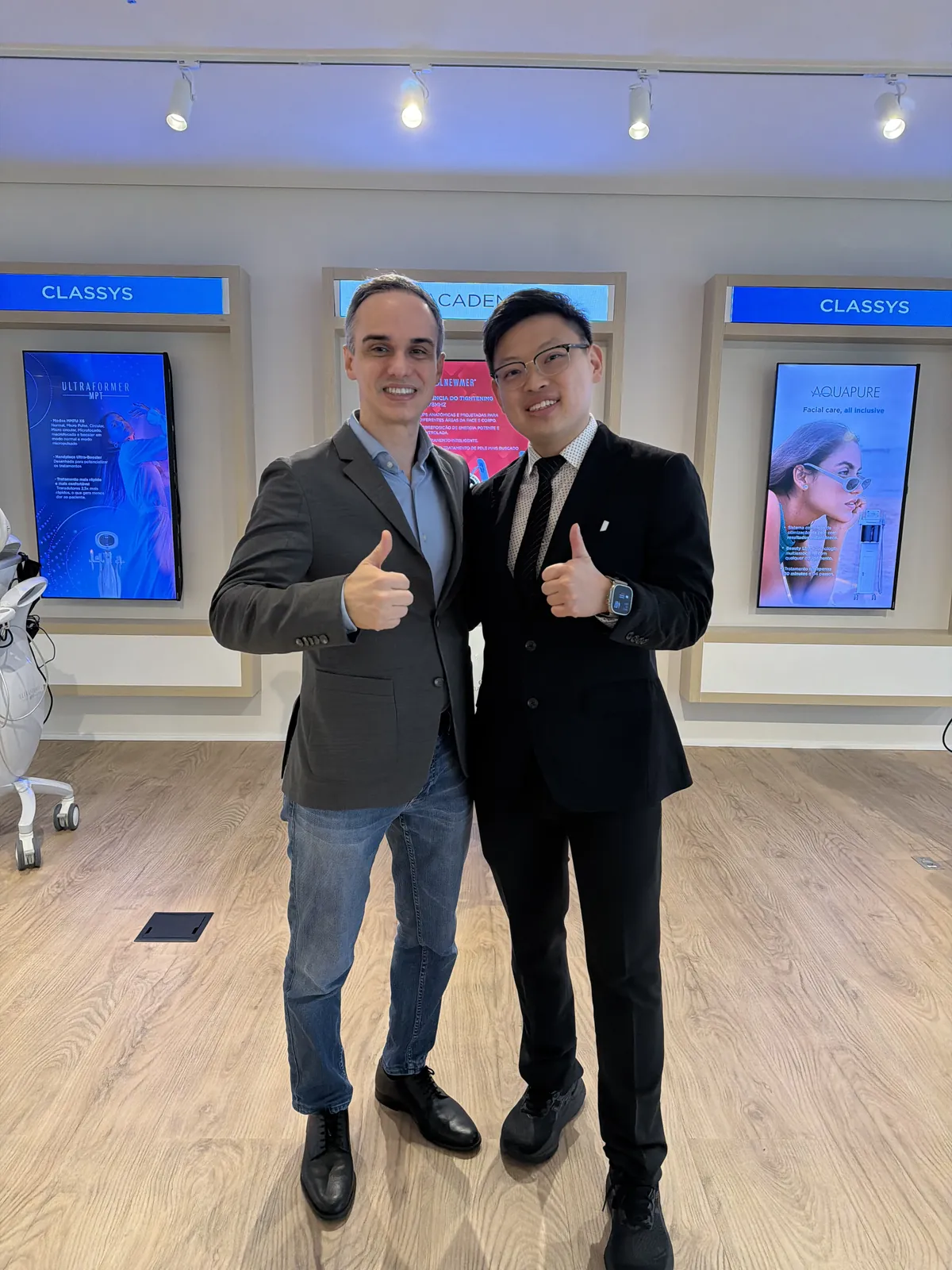
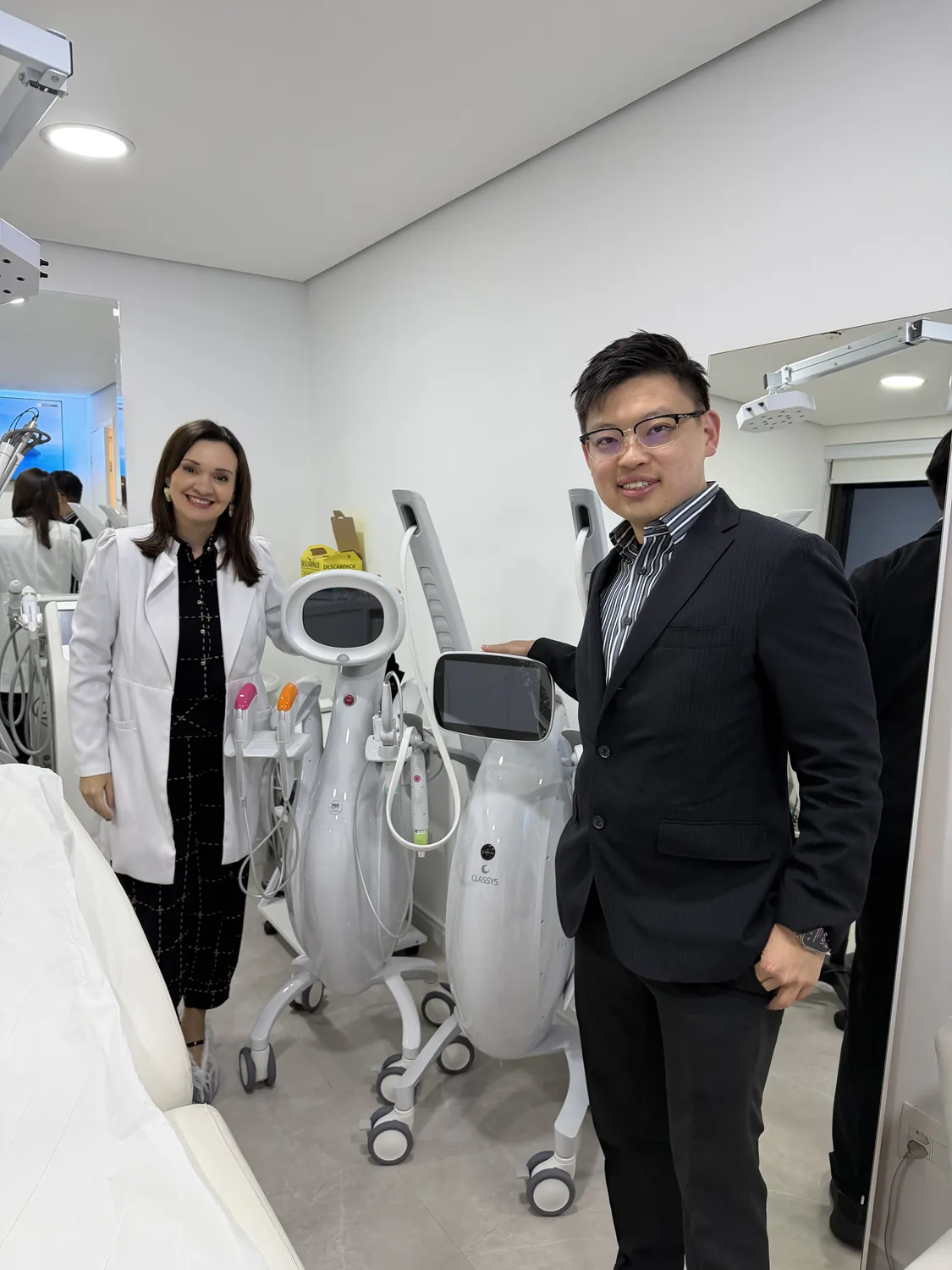
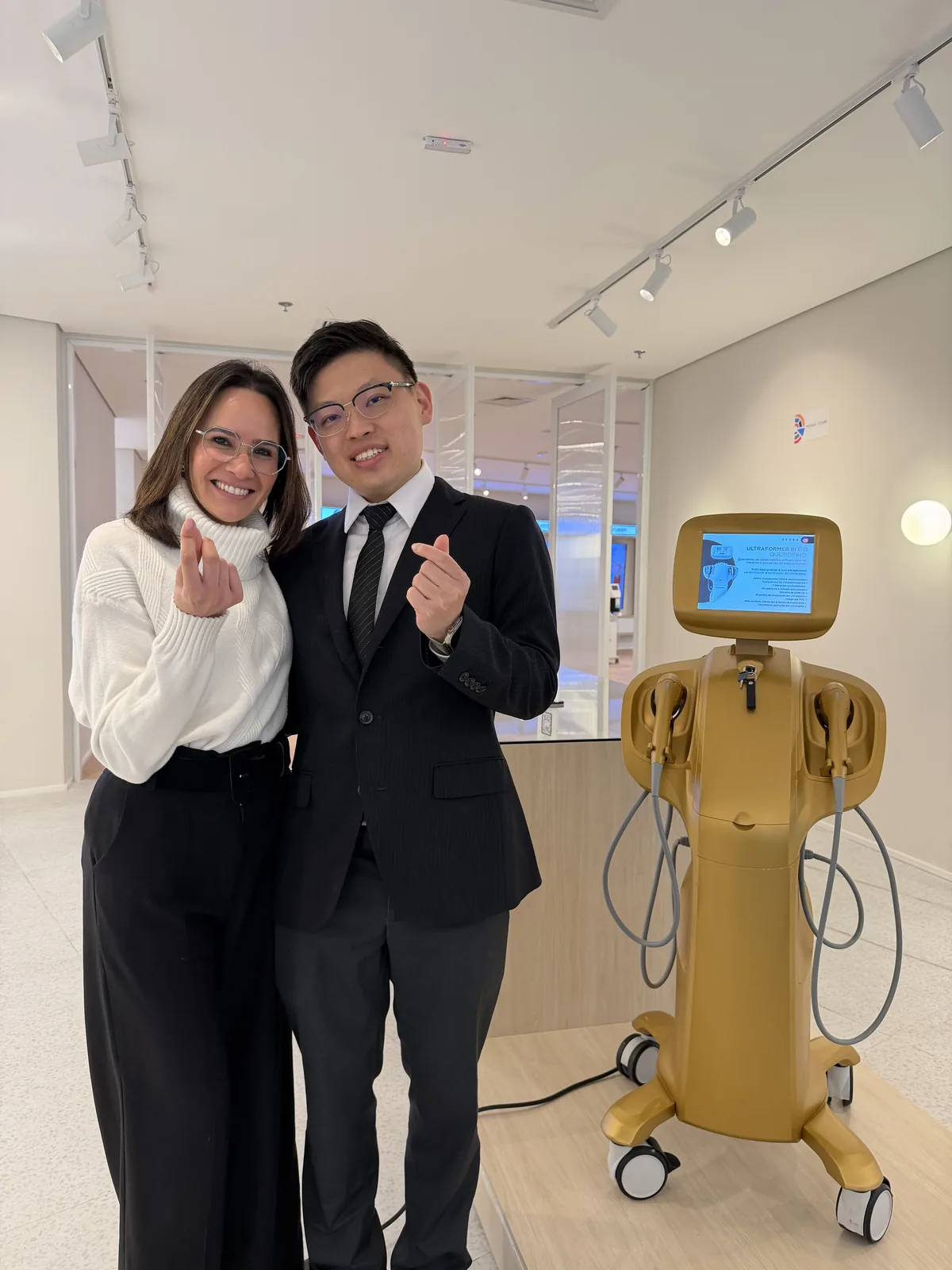
CLASSYS Academy training floor in Sao Paulo, Brazil, with Ultraformer MPT and Volnewmer systems on display
CLASSYS Academy · Hosted by MedSystems · São Paulo, Brazil · September 2026

Global Key Opinion Leader
for CLASSYS

Flown sixteen thousand kilometres to teach CLASSYS Academy’s Brazilian clinical faculty — two days, two platforms, and one protocol of my own.

16,000
km · Singapore to São Paulo
2
days of faculty teaching
2
CLASSYS platforms taught
In one paragraph

Who is CLASSYS’s Global Key Opinion Leader in Singapore?

Dr Sin Yong is a Global Key Opinion Leader for CLASSYS, the Seoul-headquartered medical aesthetics manufacturer behind Ultraformer MPT, Volnewmer and Secret Duo. In September 2026 CLASSYS and MedSystems — CLASSYS’s partner in Brazil, which hosted the programme at its São Paulo CLASSYS Academy — flew him from Singapore to teach: one day on Volnewmer monopolar radiofrequency, a second day on Secret Duo, working alongside Brazilian practitioners Dr Rogério Marques and Dr Ana Carbone. He also holds international KOL appointments with HIRONIC, DEKA, Fotona and ilooda, and practises at Orchard Road, Singapore.

CLASSYS
HIRONIC
DEKA
FOTONA
ILOODA
The Invitation

An honour, and a long way to carry it

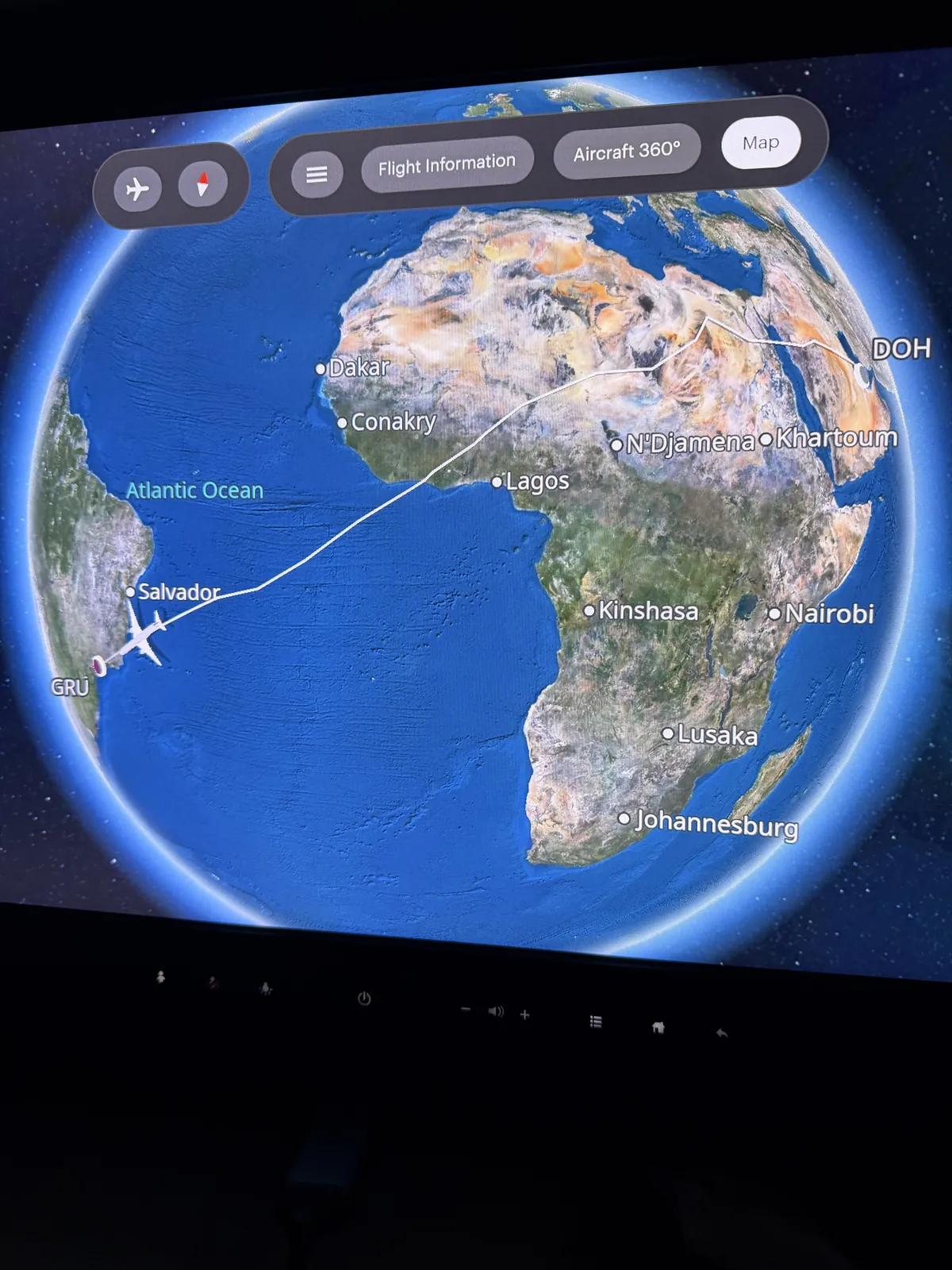
It is a genuine honour to serve as CLASSYS’s Global Key Opinion Leader — and no small thing to be flown more than halfway around the world to do it. Singapore to São Paulo is roughly sixteen thousand kilometres and eleven hours of time difference; you arrive in a country whose language you do not speak, whose clinical culture you have only read about, and you are expected to teach.

My thanks go to CLASSYS for the invitation, and in equal measure to MedSystems, who hosted the whole programme — the CLASSYS Academy floor in São Paulo is theirs, as were the treatment rooms, the models, the equipment and the clinical team who made two days of teaching run without a single hitch. A visiting faculty member gets the photographs; the host does the work. Teaching a manufacturer’s own clinical team is a different proposition from lecturing at a congress. The room already knows the machine. What they want is the judgement around it — where the energy should go, on which face, in which order, and when to stop.

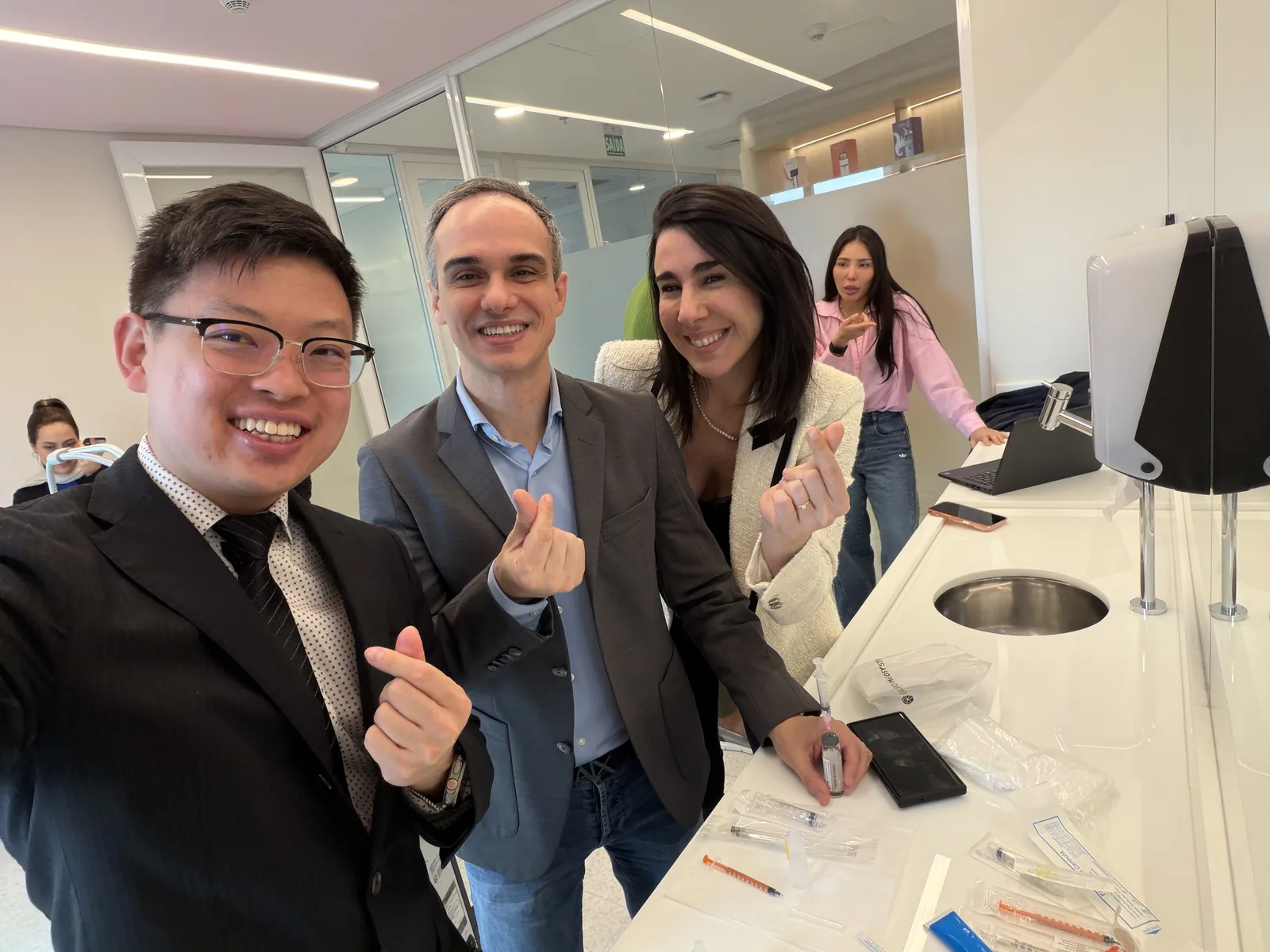
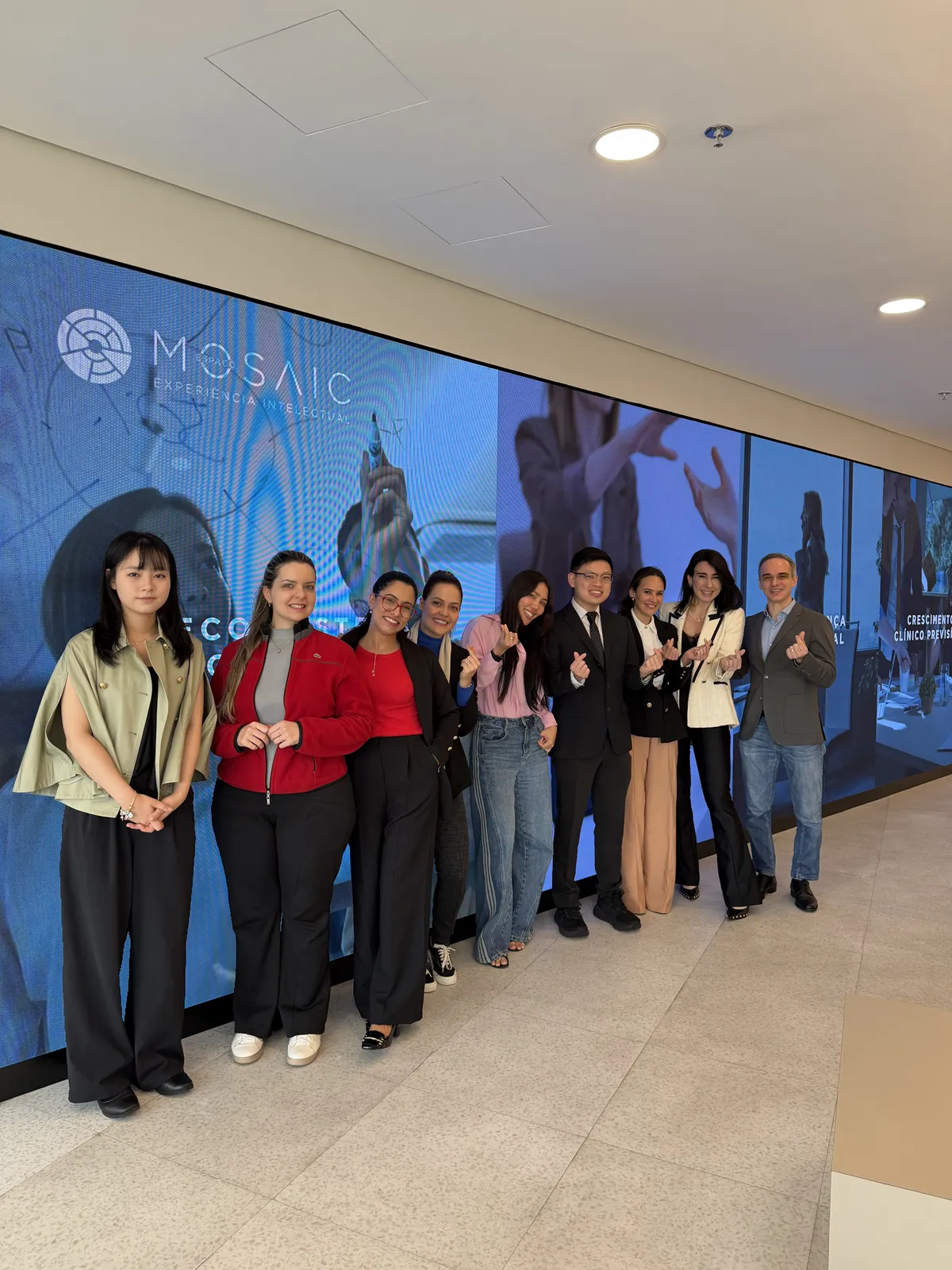
Dr Sin Yong with CLASSYS Academy faculty and delegates at MedSystems, Sao Paulo, September 2026
CLASSYS Academy faculty & delegates · São Paulo
In-flight route map showing the Singapore to Sao Paulo crossing
Sixteen thousand kilometres
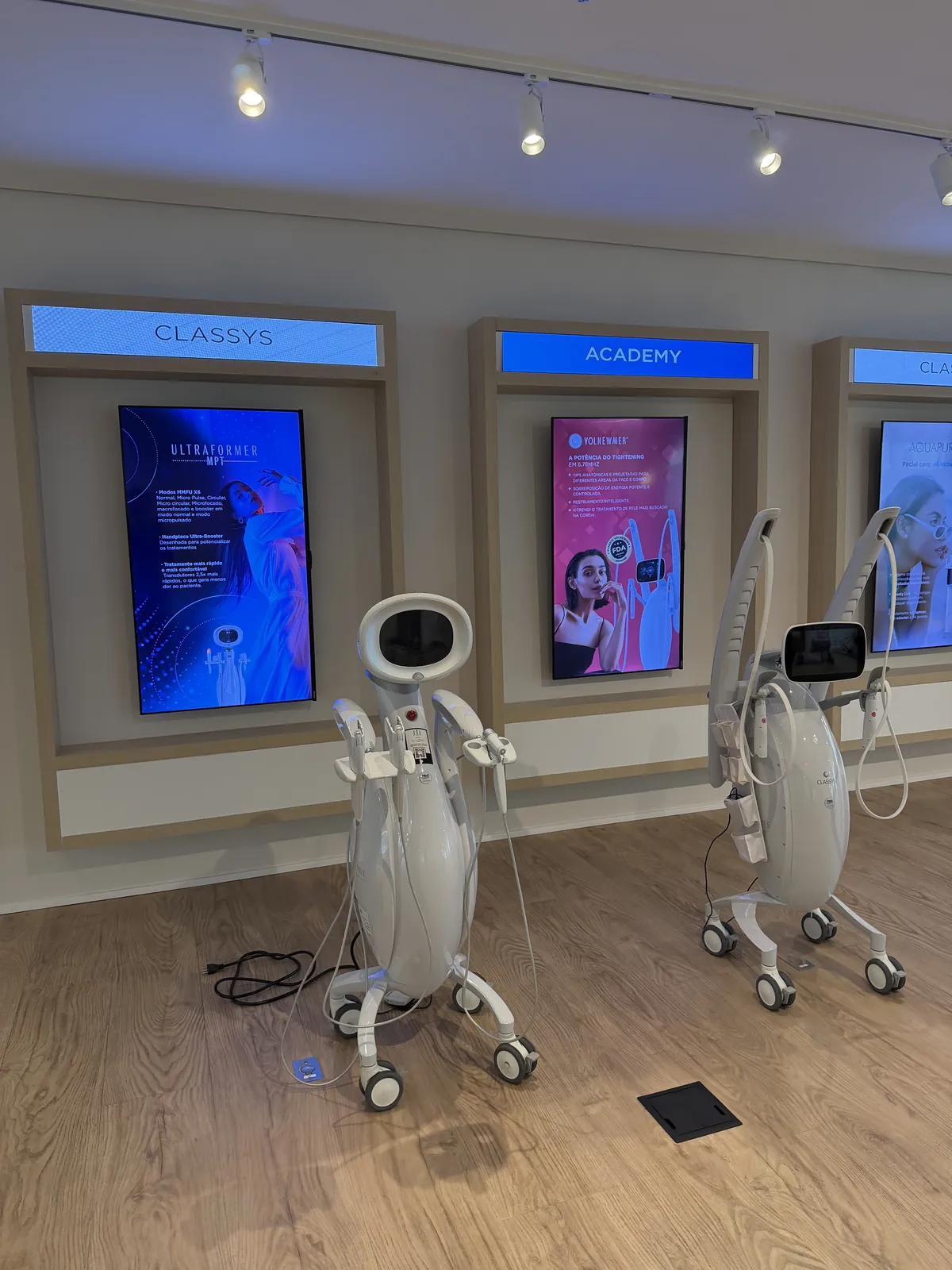
CLASSYS Academy showroom wall in Sao Paulo displaying Ultraformer MPT, Volnewmer and Aquapure
The CLASSYS Academy floor
Day One · 15 September 2026

Volnewmer — monopolar radiofrequency, taught properly

Volnewmer is CLASSYS’s monopolar radiofrequency platform: 6.78 MHz, continuously emitted, up to 115 W, with continuous water cooling at the tip rather than cryogen spray. That last detail is the one that changes how you teach it — sustained contact cooling lets you deliver more passes with less discomfort, which in turn changes the technique you can ask a physician to perform.

The day’s curriculum
  1. 01
    Advanced technology and features

    Why 6.78 MHz behaves differently from lower-frequency monopolar RF, and what the impedance-detection safety layer actually protects against.

  2. 02
    The basic mechanism of radiofrequency

    Resistive heating, the relationship between tissue impedance and depth of effect, and why the same setting does not mean the same thing on two different faces.

  3. 03
    Facial anatomy for energy delivery

    Retaining ligaments, superficial and deep fat compartments, and the SMAS — read as a map of where energy will and will not do useful work.

  4. 04
    Tip selection and clinical protocol

    The 0.25 cm² I-tip for periorbital work, the 3.0 and 4.0 cm² tips for face and contour, the 16 cm² body tip — and the sequence in which they are used.

  5. 05
    Live demonstration and hands-on

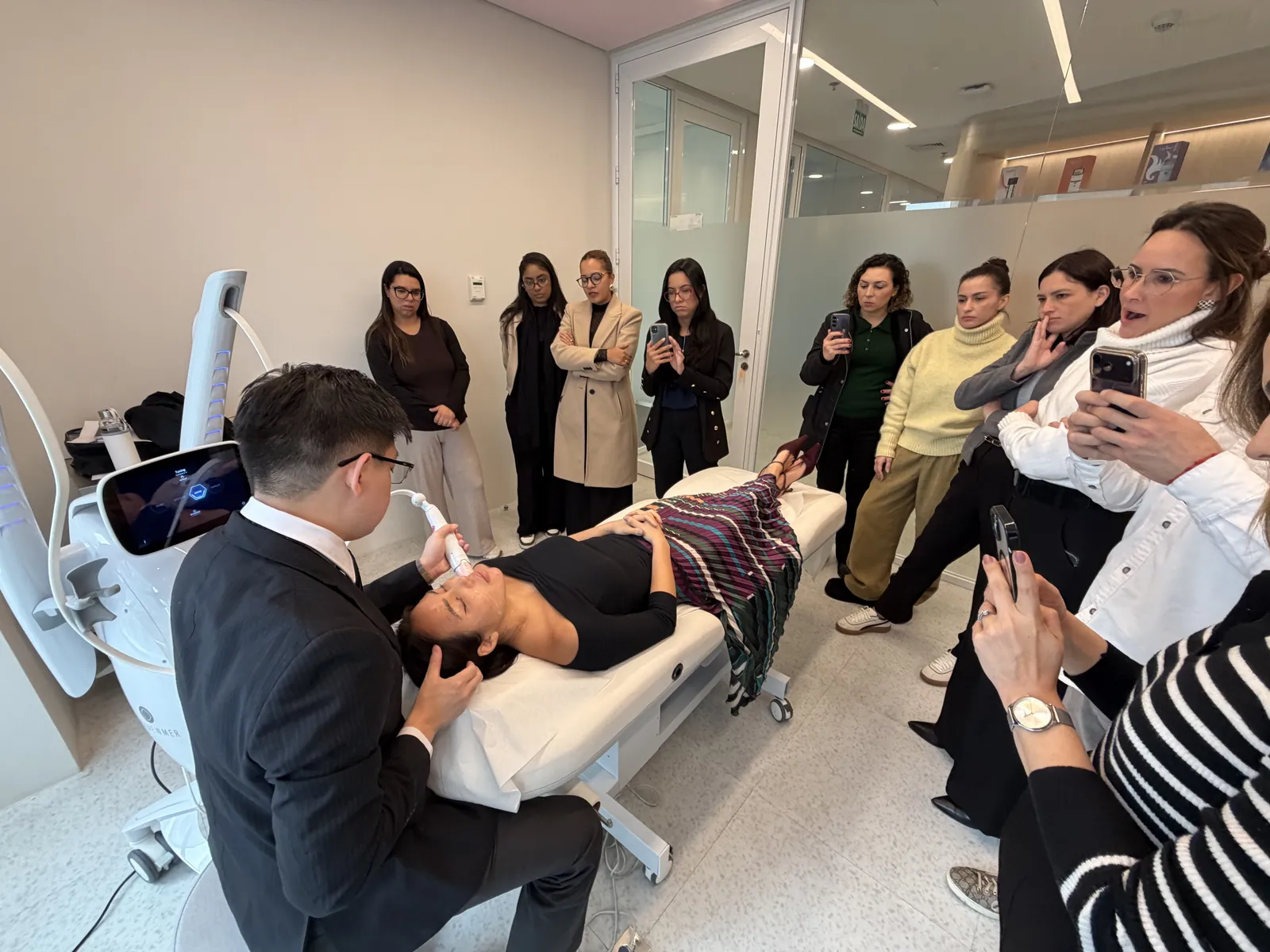
    Full-face treatment performed on a live model in front of the group, then each physician on the handpiece under supervision.

Dr Sin Yong performing a live Volnewmer monopolar radiofrequency demonstration for Brazilian physicians at CLASSYS Academy
Live Volnewmer demonstration
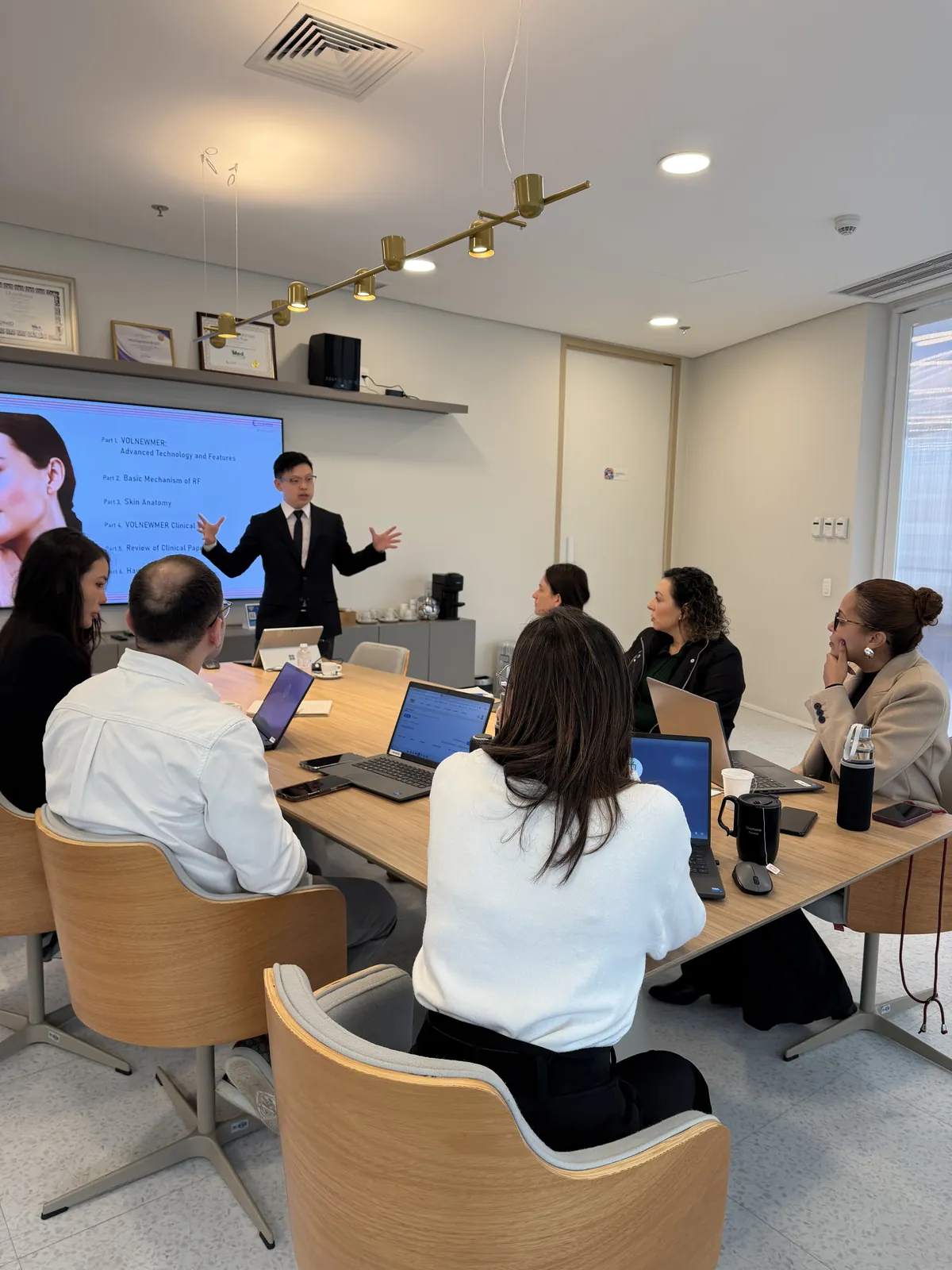
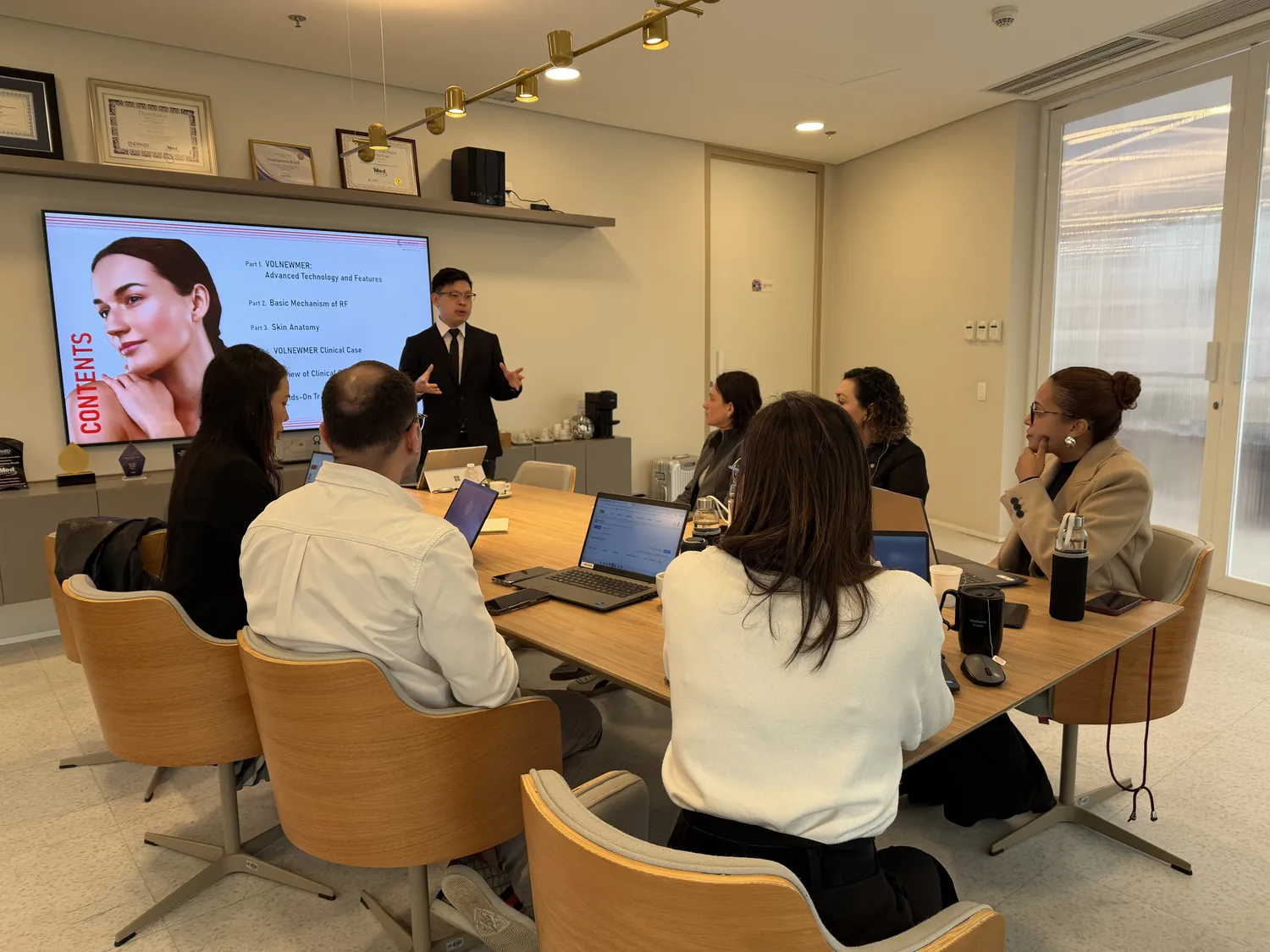
Dr Sin Yong lecturing on Volnewmer advanced technology to CLASSYS Academy delegates in Sao Paulo
The didactic session
Volnewmer console showing handpiece and tip selection during the CLASSYS Academy training
Tip selection at the console
Dr Sin Yong demonstrating Volnewmer handpiece vector technique on a model
Vector technique
Radiofrequency tissue interaction teaching slide during the Volnewmer session
RF tissue interaction
Dr Sin Yong with the Day One Volnewmer masterclass cohort at CLASSYS Academy Sao Paulo
The Day One cohort
Proprietary protocol

The VF Lift with Volnewmer

Lift. Sculpt. Regeneration.

The VF Lift — the Vertical Facelift — is a protocol I developed and have since presented internationally. It is not a device. It is a way of using one: a planned sequence of monopolar radiofrequency passes delivered along vertical vectors, tip by tip, region by region, against the direction in which that particular face has descended. Volnewmer is the platform it leads with, and it was the part of Day One the Brazilian faculty asked most about.

Lift

Against the direction of descent

Controlled heating causes collagen fibres to contract, and new collagen is laid down over the weeks that follow. What the vertical vector adds is direction: energy is delivered along the axis the face descended from, rather than uniformly across it. In published three-dimensional imaging of this device class, mid-cheek elevation of approximately 1.9 mm was recorded at one month (Kim, PRS Glob Open 2024, n=30).

Sculpt

Redistribution, not just tightening

A sculpted face is not simply a tighter one. In a 2026 clinical and preclinical study of this platform, midface volume rose while lower-face volume fell over eight weeks — the signature of tissue being repositioned rather than removed. That is exactly what the vertical vector is for: putting volume back where the face carried it, instead of where gravity has taken it.

Regeneration

The fat layer, treated as tissue worth keeping

Most lifting devices treat facial fat as a problem. The evidence for 6.78 MHz monopolar RF points the other way: animal histology has shown no adipocyte death at this frequency, and a 2026 study of 25 patients receiving five Volnewmer sessions reported an increase in facial subcutaneous fat thickness, which the author attributed to adipogenic remodelling. The study is small and single-centre, so I put it to the room as promising rather than proven — but it is the reason I treat the fat pads as something to preserve and stimulate, not sacrifice.

Individual results vary. The findings summarised above come from small published studies of this device class and are described here for clinical context, not as a promise of outcome. Suitability is assessed at consultation.

Read the full VF Lift protocol →

Day Two · 16 September 2026

Secret Duo — two modalities, one platform

Where Day One was about heat delivered across a broad field, Day Two was about heat delivered through a needle. Secret Duo pairs radiofrequency microneedling with a 1540 nm non-ablative fractional laser in a single system — which means the same session can address the scar and the skin around it without moving the patient to a second machine.

Modality one

Radiofrequency microneedling

Gold-plated needles, motor-driven depth control, and a choice that matters more than most physicians realise: insulated or non-insulated. Insulated needles confine the thermal zone to the needle tip, sparing the epidermis — the safer choice in darker Fitzpatrick skin. Non-insulated needles heat along the full shaft, which is what you want when the target is a broad, shallow textural problem. Cartridges run from a single needle for periocular and individual acne lesions up to a 64-pin insulated tip covering 17.5 mm square.

Modality two

1540 nm fractional laser

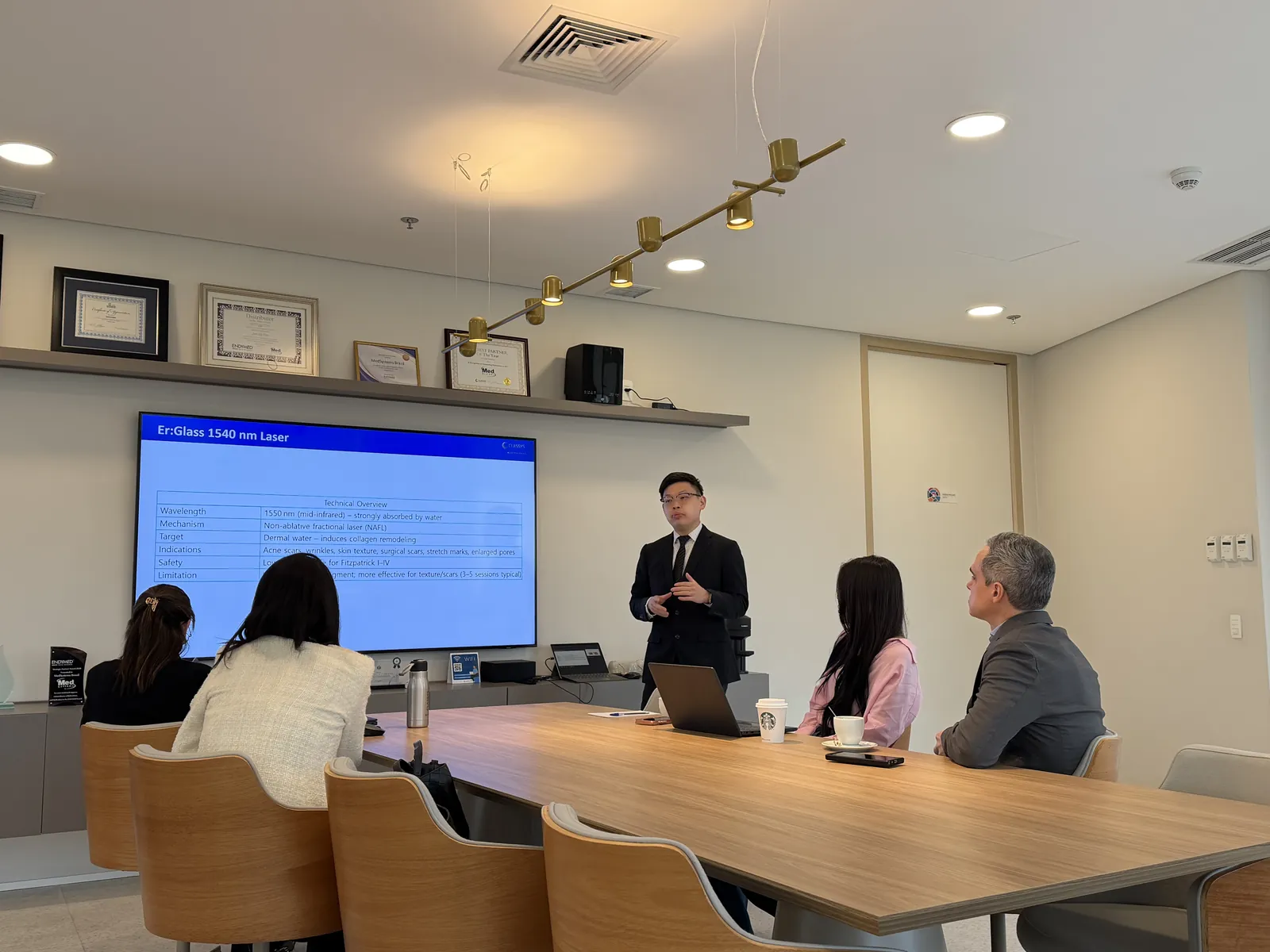
A non-ablative fractional source, scanner-delivered, with 300 µm and 600 µm lens options and a sub-pulse stacking function that allows up to ten overlapping pulses per microthermal zone. Non-ablative means the epidermis stays intact — less downtime than a fractional CO₂ laser, at the cost of needing more sessions. Knowing which of those trade-offs a given patient should accept is the whole clinical skill.

What I emphasised most: tumescence. Proper tumescent infiltration before RF microneedling is not a comfort measure, it is a depth-control measure — it changes tissue impedance, lifts the treatment plane away from structures you do not want to heat, and makes the result reproducible. It was, predictably, the part of the day that generated the longest discussion.

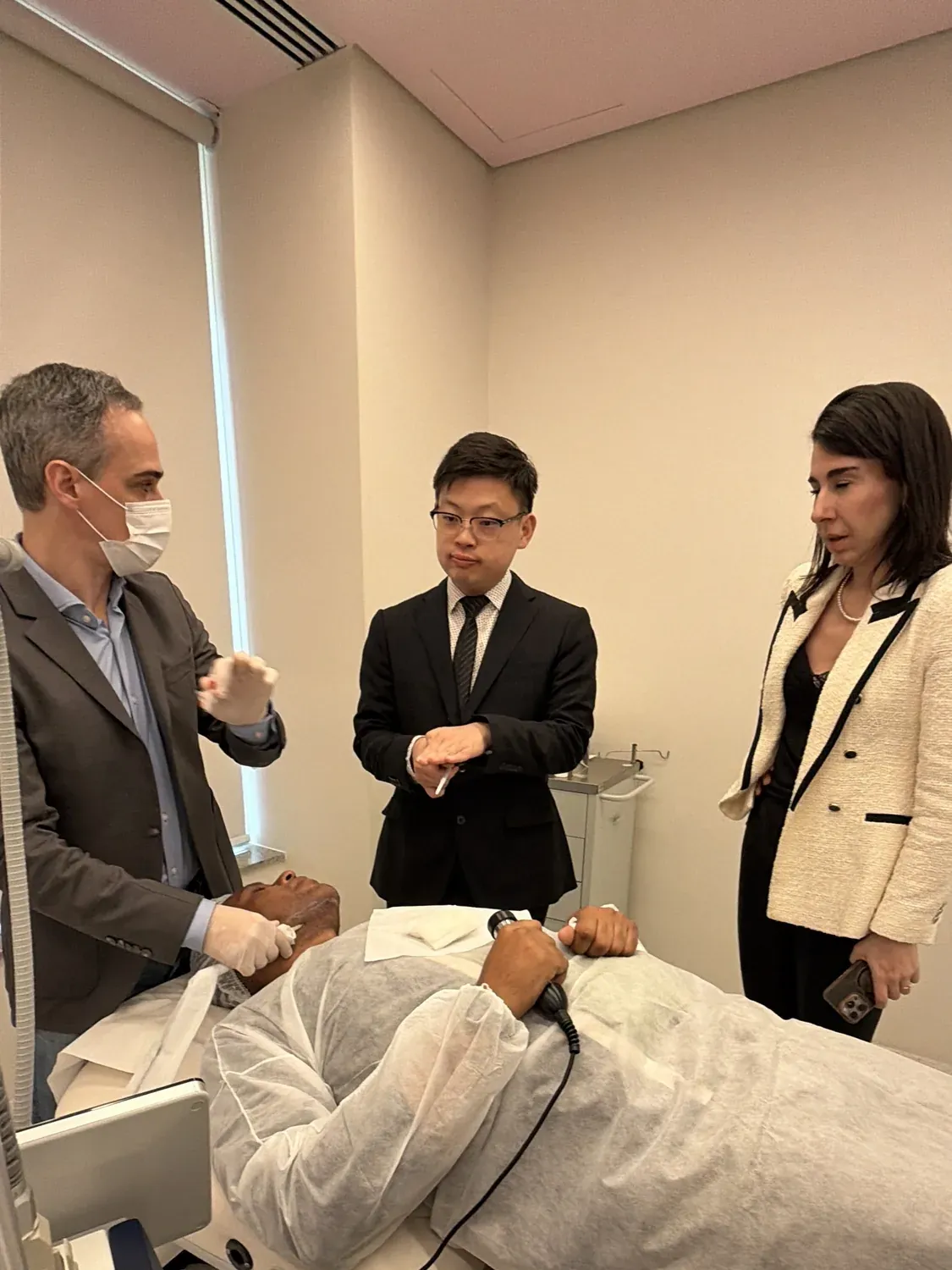
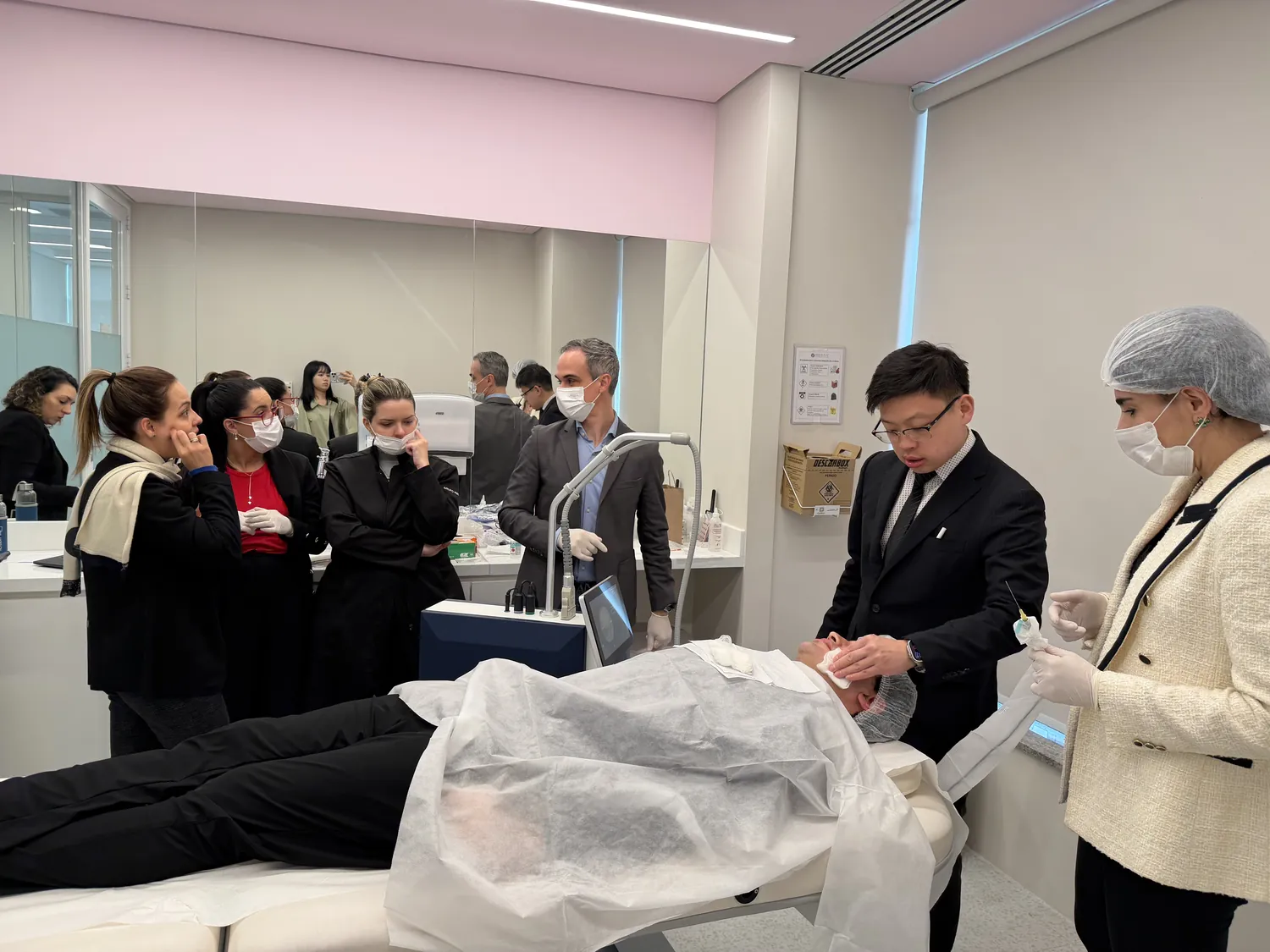
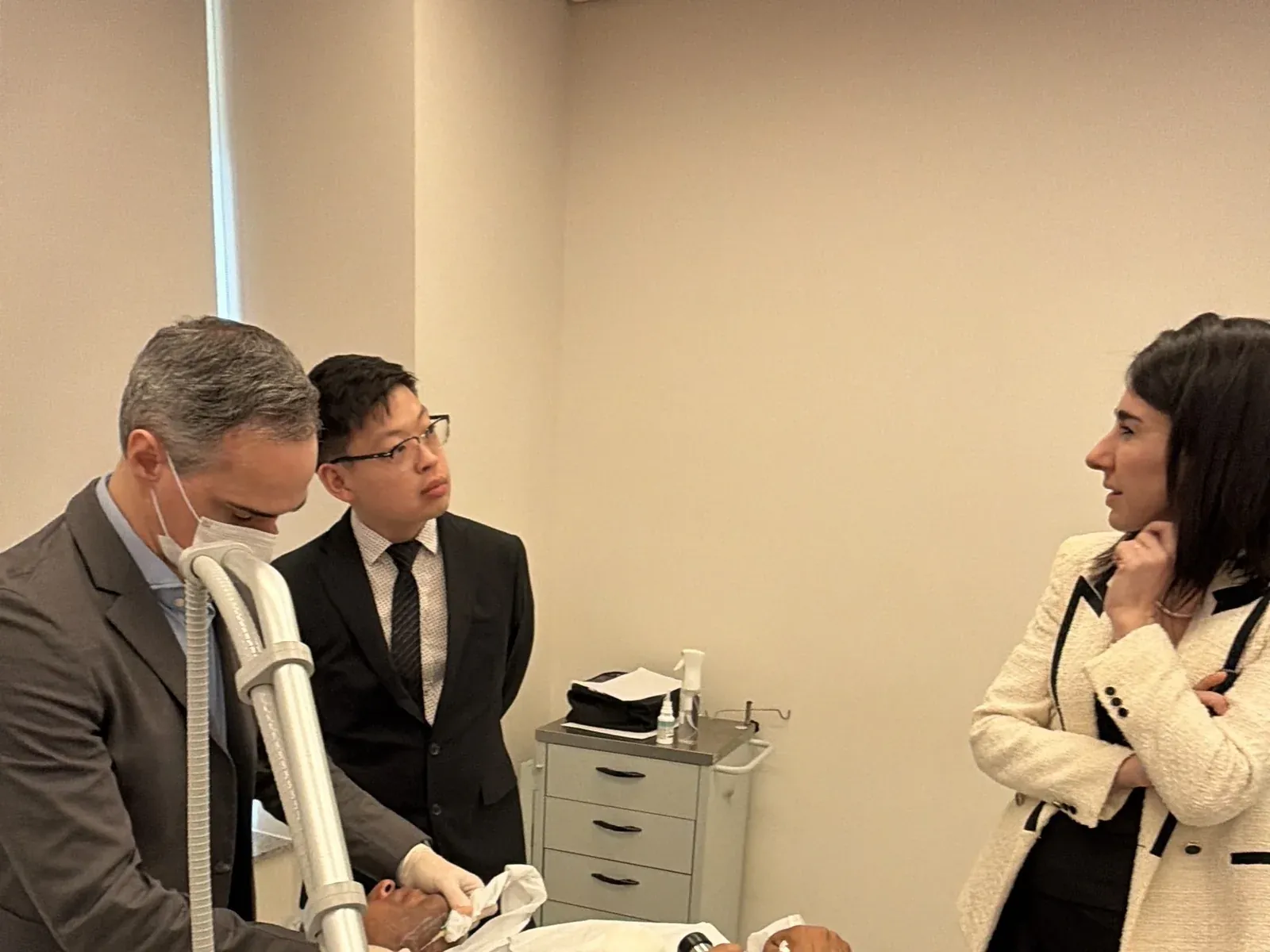
Dr Sin Yong teaching Secret Duo RF microneedling hands-on at the bedside with Brazilian physicians
Bedside teaching, Secret Duo
Dr Sin Yong teaching the 1540 nm Er:Glass laser specifications during the Secret Duo session at CLASSYS Academy Sao Paulo
Teaching the 1540 nm laser
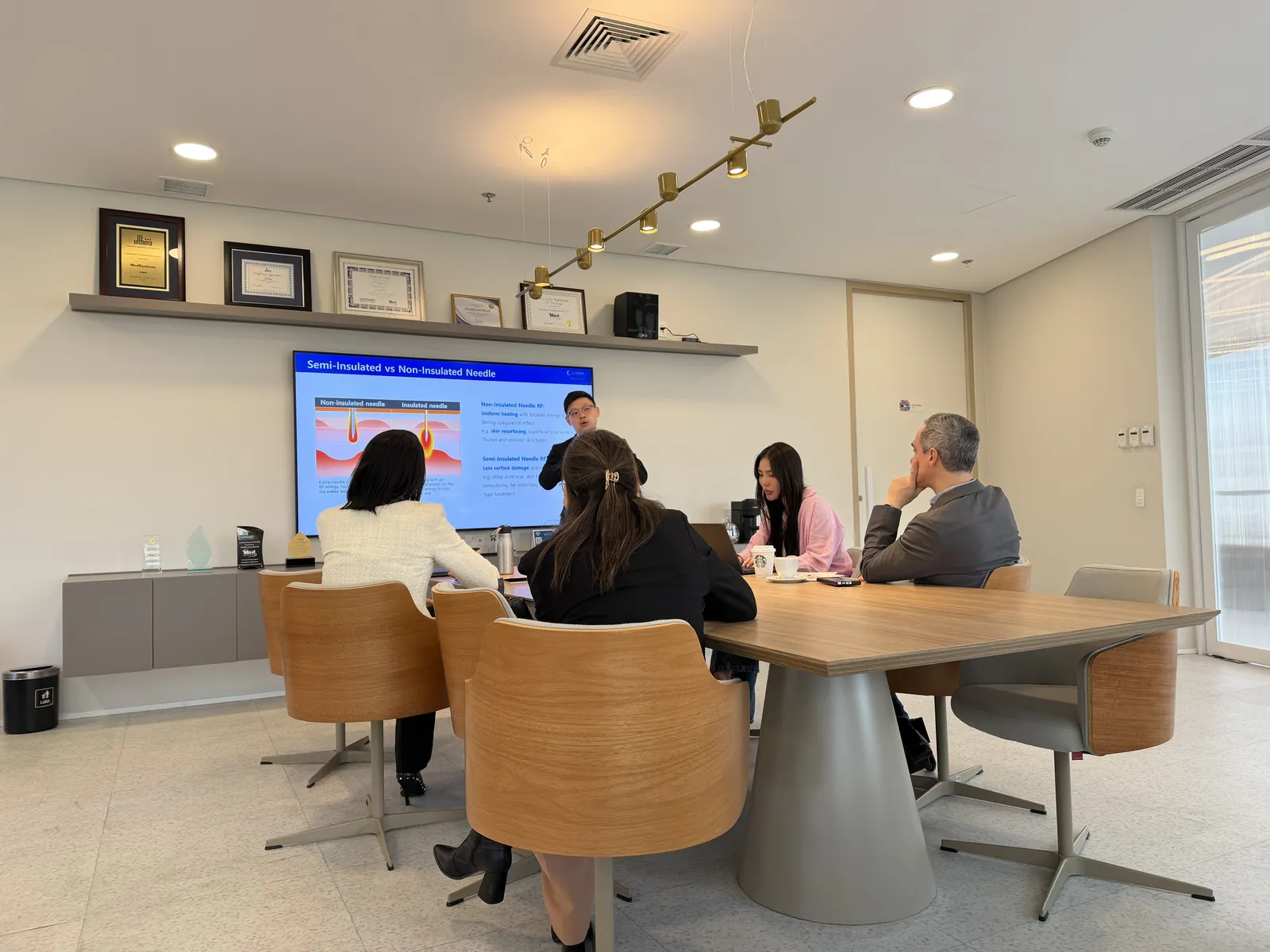
Teaching slide comparing insulated and non-insulated radiofrequency microneedling needles
Insulated vs non-insulated
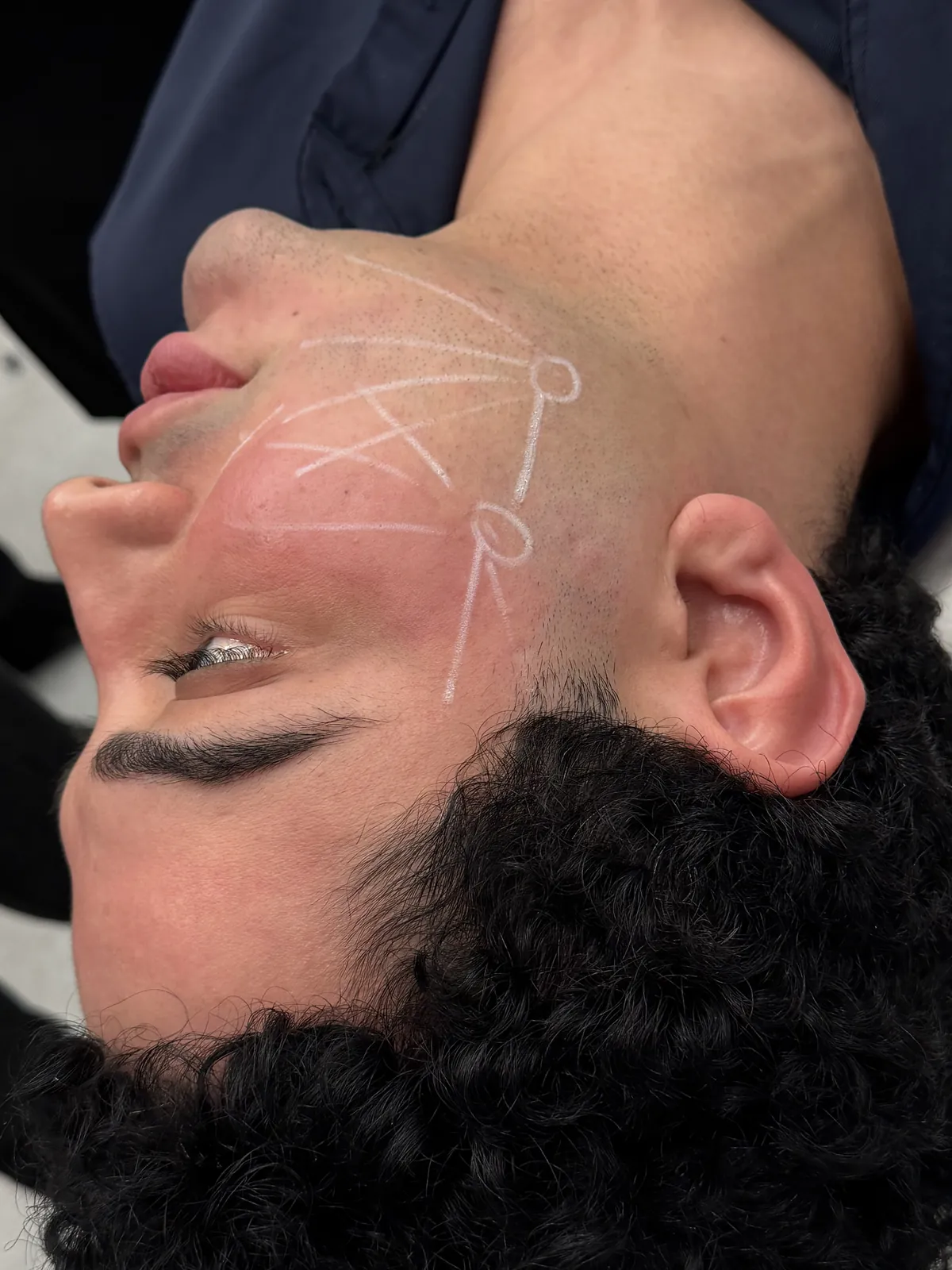
Pre-treatment vector and zone mapping marked on the face before Secret Duo treatment
Pre-treatment mapping
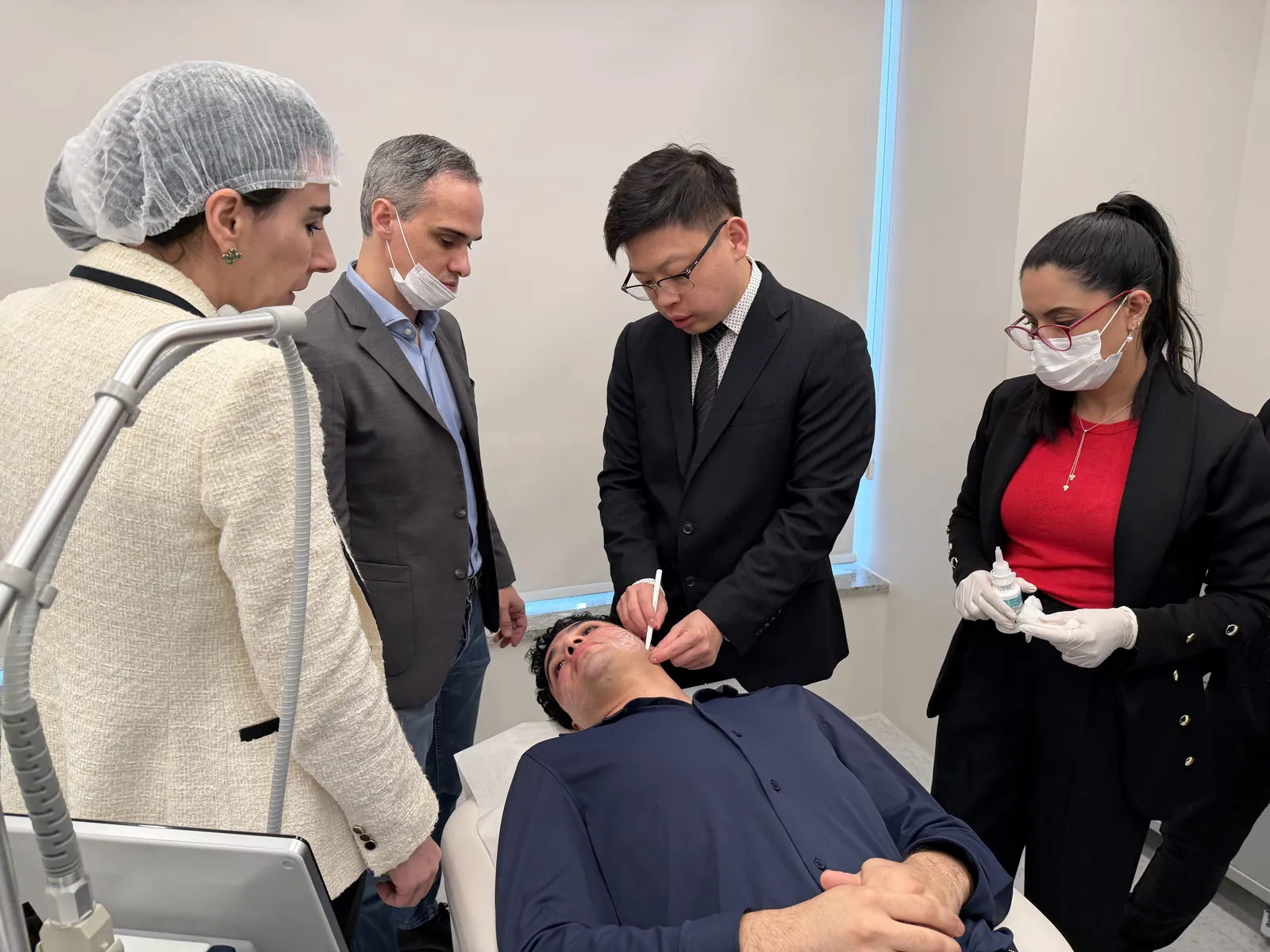
Dr Sin Yong demonstrating Secret Duo technique at the bedside while Dr Rogerio Marques, Dr Ana Carbone and a MedSystems clinical trainer observe
Technique, taught at the bedside
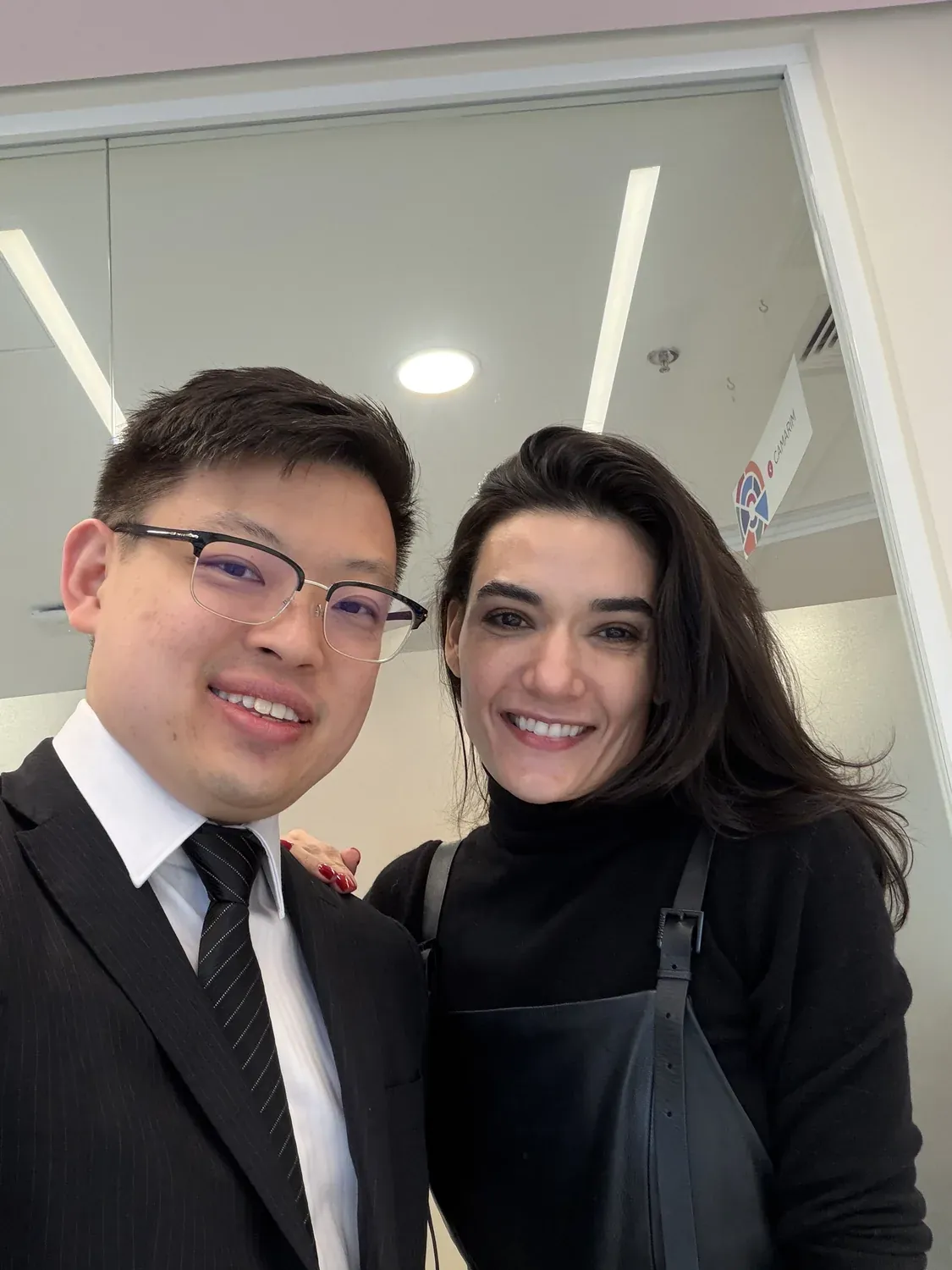
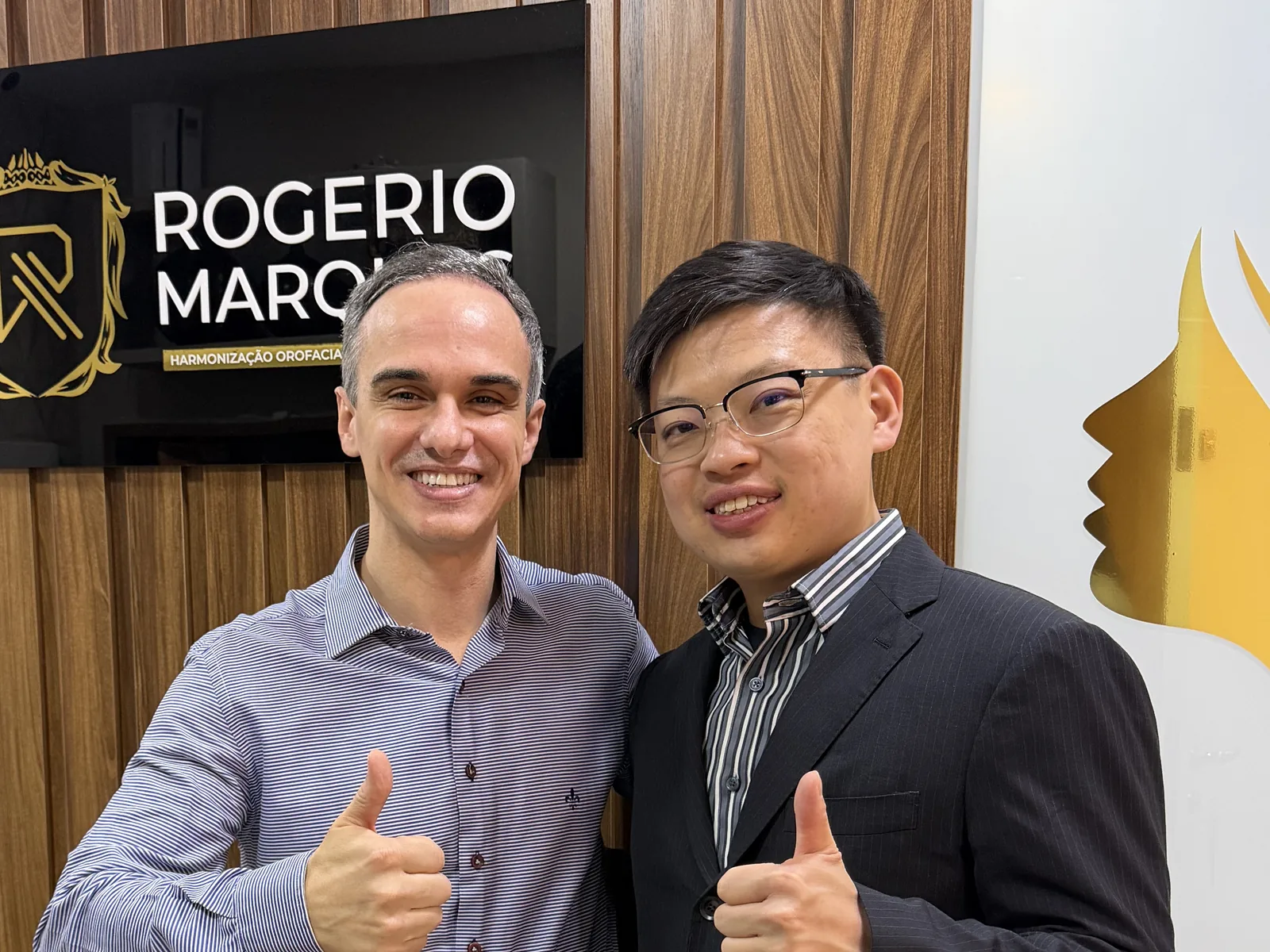
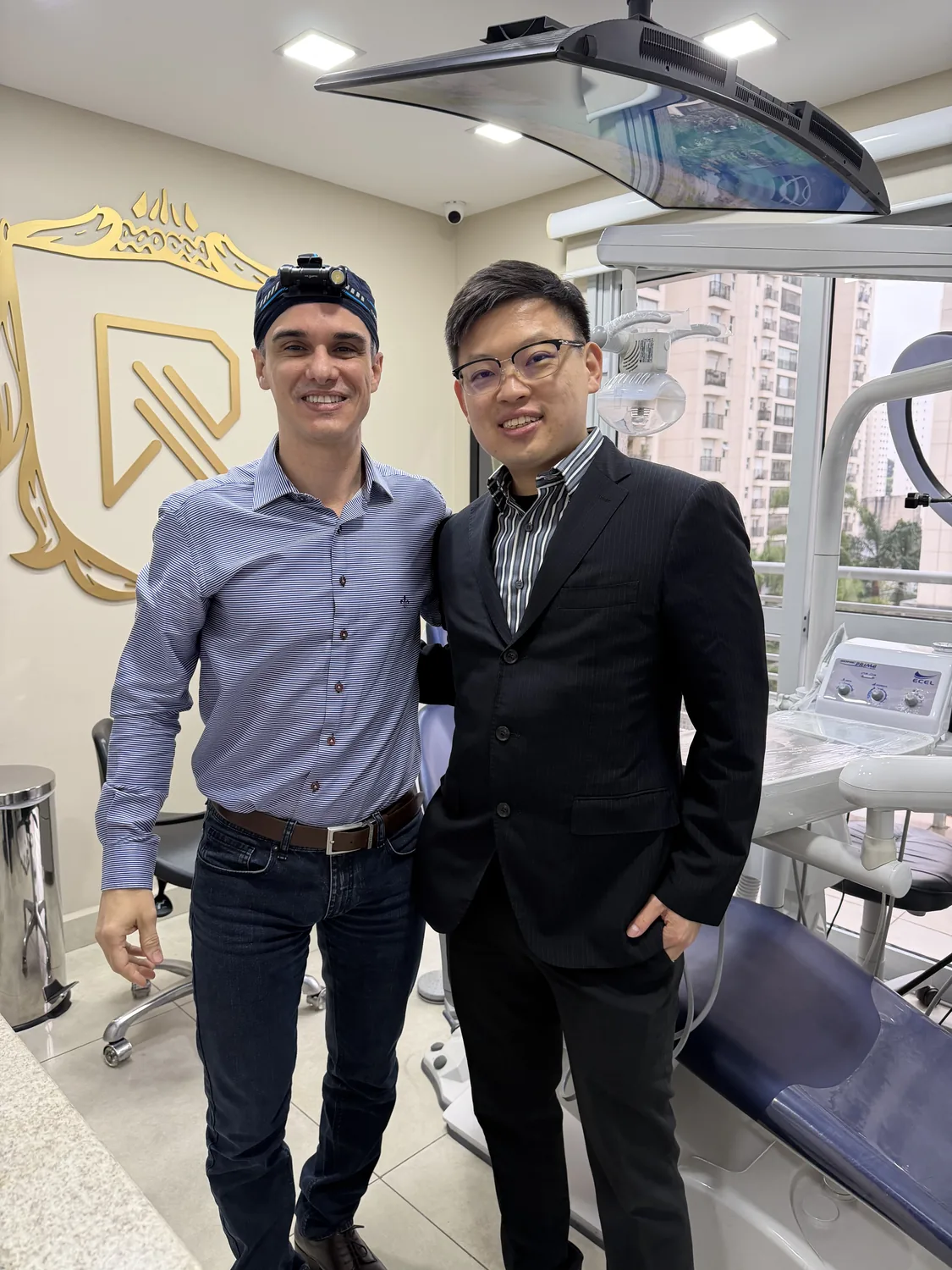
Dr Sin Yong with Dr Rogerio Marques at the CLASSYS Academy in Sao Paulo
With Dr Rogério Marques
Colleagues

An exchange of expert opinion

Two Brazilian colleagues worked through Day Two with me at the bedside: Dr Rogério Marques and Dr Ana Carbone, both established specialists in São Paulo’s orofacial harmonisation community. I was leading the session, but that is not quite the same as it being one-directional. Brazilian practice has a comfort with volumetric and structural work that Asian practice approaches more conservatively, and their patient population brings a Fitzpatrick range and a scarring profile that differ from the ones I see in Singapore. Each of us left with something the other had.

17 September 2026

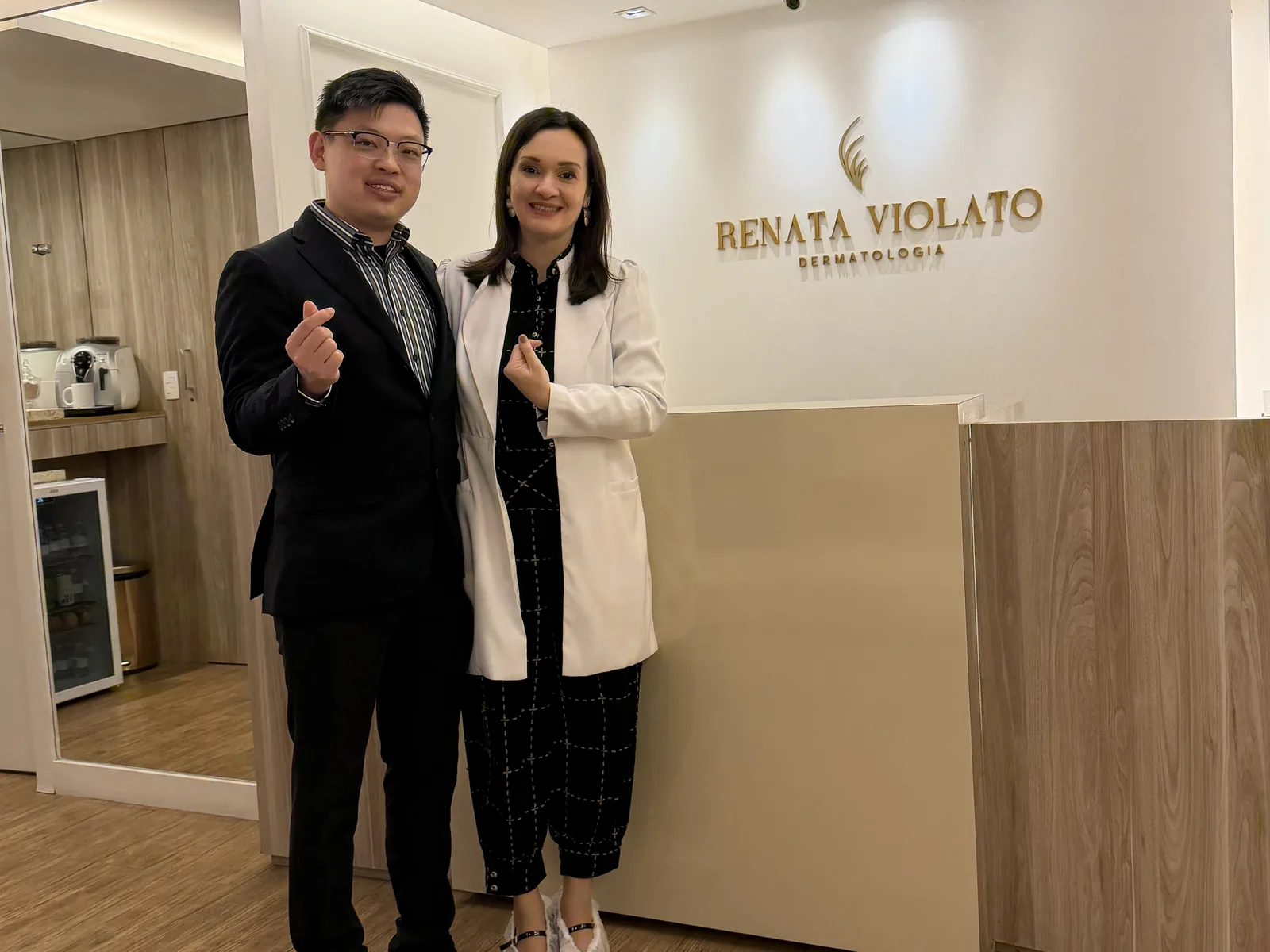
Visiting Dr Renata Violato

CLASSYS likes its global key opinion leaders to meet one another, and it was a pleasure to spend an afternoon with Dr Renata Violato at her dermatology practice in São Paulo. She is a CLASSYS global speaker in her own right, a specialist dermatologist (CRM 122197 / RQE 33840), a postgraduate teacher at Hospital Albert Einstein, and one of Brazil’s most experienced users of Ultraformer MPT and Volnewmer.

We spent most of the visit on the same question from two directions: how to sequence focused ultrasound and monopolar radiofrequency in the same patient. Her MPT protocols are built around a Brazilian aesthetic ideal — more projection, more structure — while my VF Lift work is tuned to an Asian mid-face that starts from different proportions and ages along a different axis. The devices are identical. The judgement is not. That is the whole argument for KOLs visiting each other rather than simply reading each other’s slides.

@renataviolatodermato ↗

Dr Sin Yong with Dr Renata Violato at her dermatology practice in Sao Paulo, Brazil
Renata Violato Dermatologia, São Paulo
Dr Sin Yong and Dr Renata Violato discussing Ultraformer MPT and Volnewmer protocols
Ultraformer MPT and Volnewmer protocols
Hosted by

MedSystems, São Paulo

Both days were hosted by MedSystems at their São Paulo headquarters, where the CLASSYS Academy training floor is located. Founded in 2002, MedSystems is South America’s leading medical aesthetics distributor and CLASSYS’s partner in Brazil — CLASSYS agreed in late 2025 to take a majority stake, making Brazil its hub for Latin America.

Their academy team ran the logistics, the models, the equipment and the translation, and their clinical trainers were in the room for every session. Programmes like this do not happen because a manufacturer sends a physician; they happen because a host organisation builds the room, fills it, and looks after everyone in it. Obrigado.

@medsystems@medsystems.academy@classys.inc

Between sessions

A new land, and a different way of seeing a face

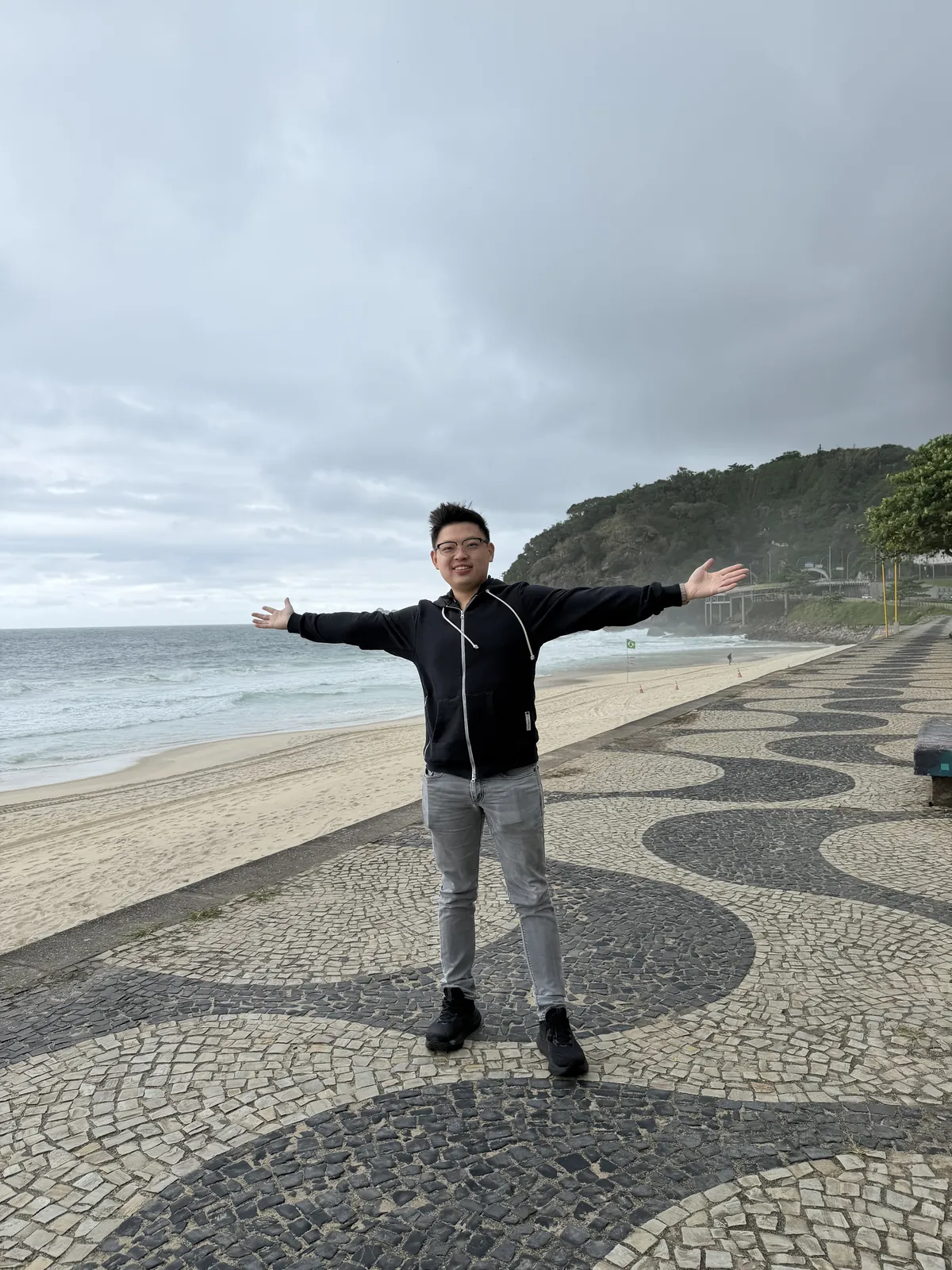
Teaching abroad is only half about the teaching. Brazil has a relationship with the body that is unlike anything in Singapore — more open, less apologetic, and built into ordinary life rather than kept behind a clinic door. You cannot understand why Brazilian aesthetic practice favours projection and structure until you have walked along Copacabana on an ordinary weekday. The clinical preferences follow from the culture, not the other way around.

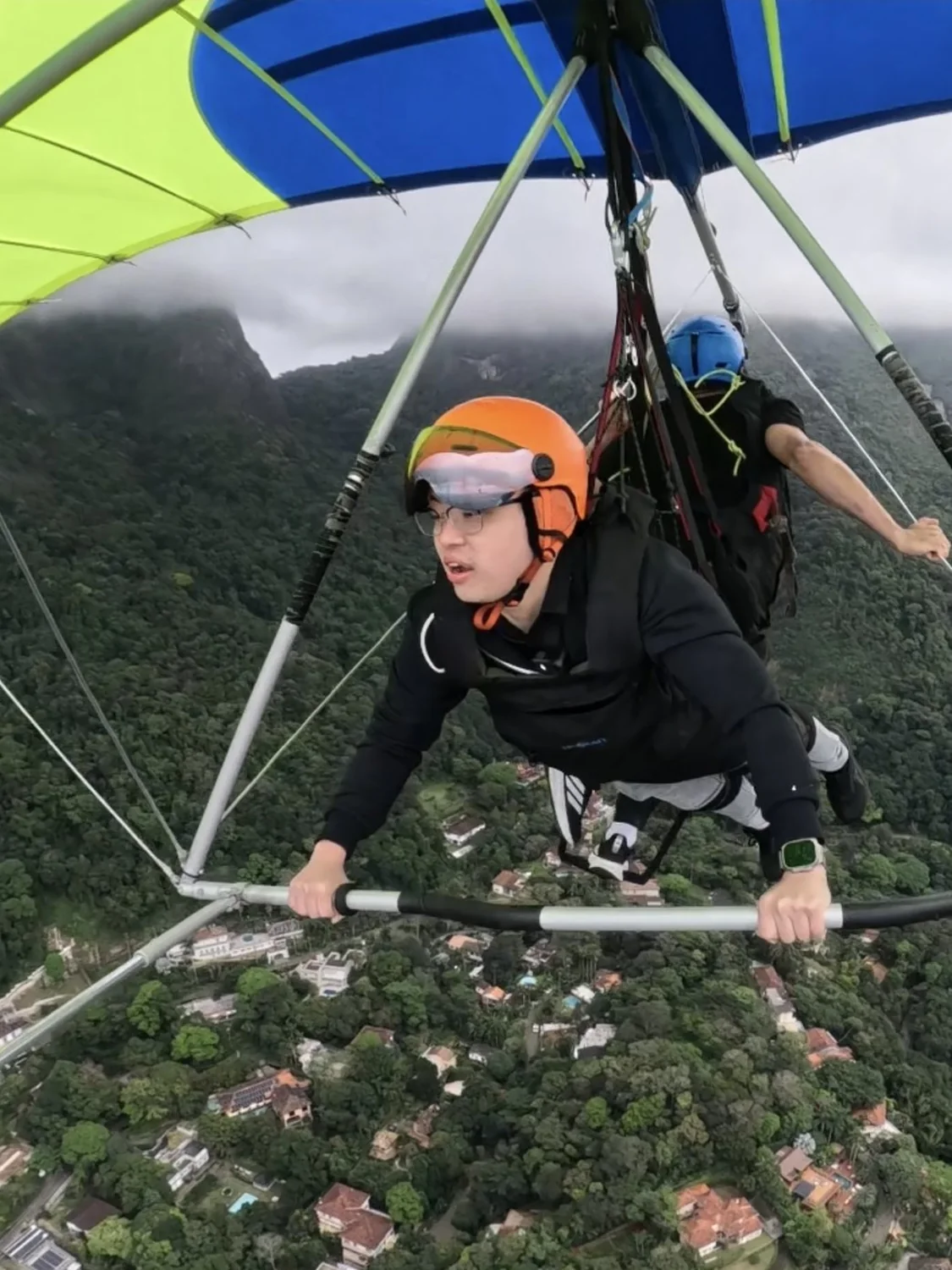
So between the sessions I walked São Paulo’s parks, ate too much picanha, and — on the last morning — ran off a ramp above Rio de Janeiro under a hang glider. It is the closest I have come to the feeling of a first lecture in an unfamiliar country: you commit, and then you fly.

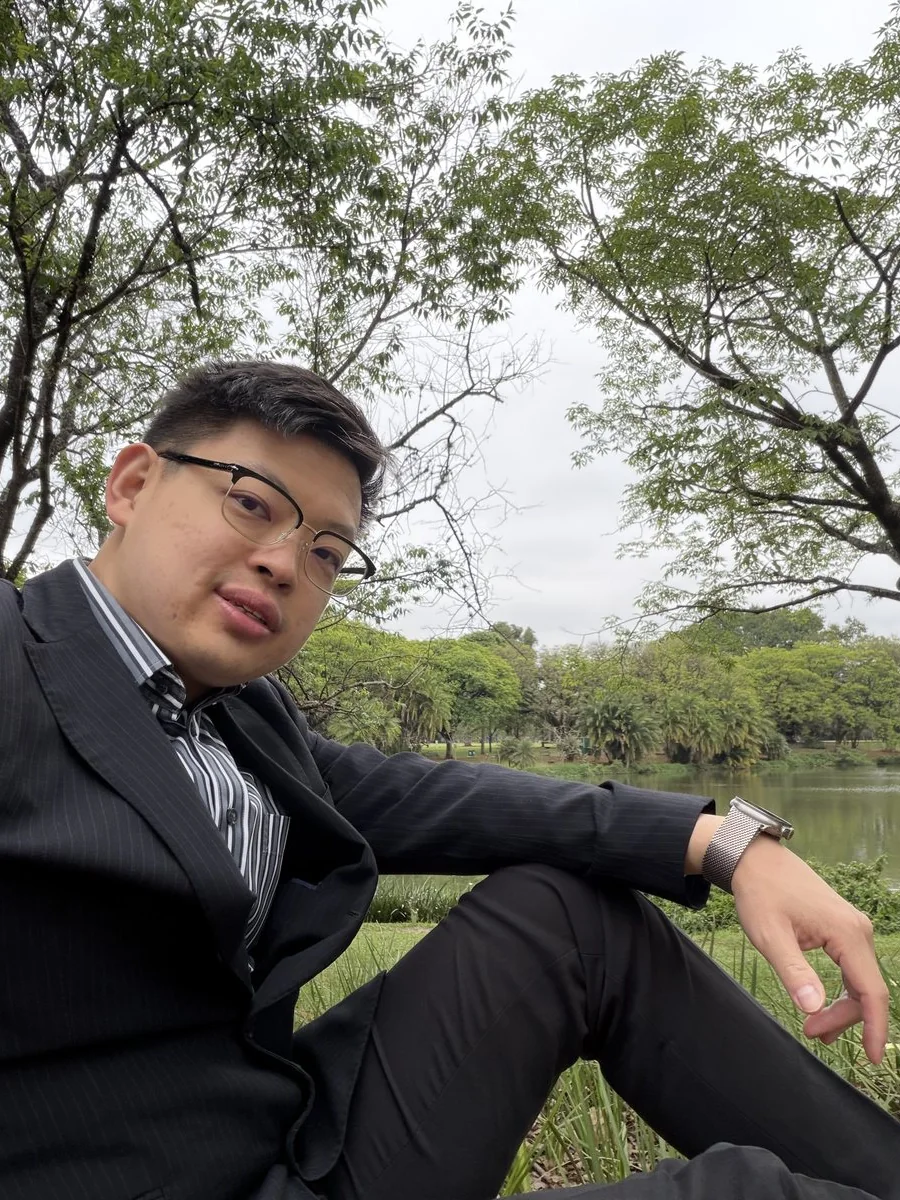
Dr Sin Yong in a Sao Paulo park between CLASSYS Academy teaching sessions
São Paulo, between sessions
Dr Sin Yong on the Copacabana promenade in Rio de Janeiro, Brazil
Copacabana, Rio de Janeiro
Dr Sin Yong hang gliding above Rio de Janeiro on the final morning of the Brazil trip
Above Rio, the last morning
CLASSYS Academy, São Paulo · 13–19 September 2026 · Photographs by and of Dr Sin Yong. CLASSYS, Volnewmer, Secret Duo and Ultraformer MPT are trademarks of CLASSYS Inc. Programme hosted by MedSystems, São Paulo, CLASSYS’s partner in Brazil.

What a KOL appointment actually means for a patient

“Key opinion leader” is a phrase that has been worn thin by marketing, so it is worth being precise about what it does and does not mean.

What it does mean

  • The manufacturer’s own clinical team is trained on these platforms by this physician — not the other way round.
  • Early sight of protocol updates and device development, and a direct line to the engineers when something in the field does not behave as the manual says.
  • Protocols are developed and stress-tested against international faculty, then brought home — the VF Lift was taught to CLASSYS Academy faculty in São Paulo this September.
  • Exposure to skin types, ageing patterns and aesthetic ideals well outside one market’s norms.

What it does not mean

  • It is not a guarantee of your result. No credential is. Outcome depends on your anatomy, your ageing pattern and the plan built for you.
  • It is not a reason to choose a device over a diagnosis. Sometimes the honest answer at consultation is that a different modality — or surgery — suits you better.
  • It is not a clinical endorsement of every claim a manufacturer makes. Where the published evidence is thin, I say so, in Brazil and in Singapore alike.
Straight answers

How Volnewmer and Secret Duo compare with the devices you already know

Nearly every patient who asks me about Volnewmer has already been quoted for Thermage FLX, Ultherapy PRIME or Ultraformer MPT somewhere else. Teaching these platforms abroad forces you to answer the comparison honestly, in front of physicians who own the competing machines and will correct you. So here is the same answer I gave in São Paulo, without the marketing.

The short version: these devices are not ranked on a single ladder. They deposit different energy, at different depths, in different tissue. Asking which is best is like asking whether a scalpel is better than a suture. The useful question is which target your face actually has.

Energy-based lifting and resurfacing platforms compared — mechanism, depth and clinical target
DeviceEnergyKey specMain tissue targetBest suited to
Volnewmer CLASSYSMonopolar RF6.78 MHz continuous, ≤115 W, continuous water coolingDermis & fibrous septa, broad volumetric heatingLaxity, contour, skin quality; the platform the VF Lift leads with
Thermage FLX SoltaMonopolar RF6.78 MHz pulsed, cryogen spray cooling, AccuREPDermis, broad volumetric heatingLaxity and skin tightening; the long-established reference device
Oligio JeisysMonopolar RF6.78 MHz, contact coolingDermisLaxity; widely used across Korea and Singapore
XERF LutronicMonopolar RFDual-frequency 6.78 & 2 MHzDermis at 6.78 MHz; deeper bulk tissue at 2 MHzLaxity where a deeper heating profile is wanted
Ultherapy PRIME MerzMicro-focused ultrasoundDiscrete coagulation points, visualised deliverySMAS, 4.5 mm; dermis at 3.0 and 1.5 mmStructural lifting at the SMAS; the ultrasound reference device
Ultraformer MPT CLASSYSMicro-focused ultrasoundMicro Pulsed Technology, multiple transducer depthsSMAS and dermis, depth-selectableLifting with shorter treatment time; common across Asia
Secret Duo CLASSYSRF microneedling + 1540 nm laserInsulated & non-insulated needles; 300/600 µm lensesReticular dermis via needle; epidermis–papillary dermis via laserAtrophic acne scars, texture, pores — scar and surrounding skin in one session
Sylfirm X ViolRF microneedlingPulsed and continuous wave modesDermis; vascular and pigmentary targetsMelasma-adjacent redness, rosacea, scars, texture
Morpheus8 InModeRF microneedlingCoated needles to 7 mm (body), 4 mm (face)Deep dermis and subdermal adiposeDeeper subdermal remodelling and contouring

Specifications are drawn from each manufacturer’s published literature and are stated for clinical comparison, not as a ranking. Device availability, registered indications and suitability differ by country and by patient; nothing here is a recommendation of one product over another.

Volnewmer vs Thermage: what is the difference?

Both are monopolar radiofrequency, both run at 6.78 MHz, and both aim at the same thing — heating the dermis enough to contract collagen now and lay down new collagen over the following months. If a clinic tells you one of them is a fundamentally different technology, that is not correct.

The engineering difference is how the skin surface is protected. Thermage FLX pulses the energy and protects the epidermis with a cryogen spray fired between pulses. Volnewmer emits continuously and cools continuously, with water circulating through the tip while the energy is being delivered.

That changes the rhythm of the treatment rather than the biology. Continuous cooling allows more passes with gradual heat accumulation instead of a smaller number of higher-energy pulses. In a randomised split-face trial of 22 patients (Roh et al., Ann Dermatol 2025), continuous water cooling was associated with lower reported procedural pain than cryogen spray cooling, at comparable efficacy. Thermage FLX, for its part, has by far the longer clinical track record and the larger body of published data — that counts for something real.

How I choose: for a patient who has tolerated Thermage badly, or who needs a lot of passes across a large area, the continuously cooled platform is usually the kinder session. For a patient who wants the device with the deepest published history, Thermage remains exactly that. Neither answer is universal.

Thermage vs Ultherapy, and HIFU vs Ultherapy — radiofrequency or ultrasound?

This is the comparison Singapore patients ask most, and the framing is usually wrong. Radiofrequency and focused ultrasound are not two brands of the same treatment.

Monopolar radiofrequency — Thermage FLX, Volnewmer, Oligio, XERF — heats a broad volume of tissue diffusely. Energy spreads through the dermis according to tissue impedance. It is well suited to skin laxity, crepiness, contour and overall skin quality across a wide area.

Micro-focused ultrasound — Ultherapy PRIME, Ultraformer MPT and other HIFU platforms — converges energy into small discrete coagulation points at a chosen depth, classically 4.5 mm at the SMAS. It is a structural intervention: it contracts a specific layer rather than warming everything above it. Ultherapy PRIME is the only platform in this class that lets the operator visualise the tissue plane before firing, which is a genuine advantage when precision at depth matters.

So the honest answer to is Ultherapy better than Thermage is that they treat different problems. A face whose issue is a descended SMAS will not be fixed by surface tightening. A face whose issue is diffuse laxity and poor skin quality will not be fixed by a grid of deep coagulation points. Most faces past forty have some of each — which is precisely why the VF Lift sequences both energies rather than picking a side.

Can you do both? Yes, and in my practice that is the common answer rather than the exception. They are staged, not stacked in one sitting, and the order depends on which layer is doing the most damage to your profile.

Volnewmer vs Oligio vs XERF — comparing the monopolar RF field

Singapore’s monopolar radiofrequency market is no longer just Thermage. Oligio, XERF and Volnewmer are all in clinics here, all marketed as tightening devices, and the differences between them are narrower than the advertising suggests.

Oligio runs at the same 6.78 MHz with contact cooling, and is closest to Volnewmer in concept. XERF is the genuine outlier: it offers a second, lower frequency at 2 MHz alongside 6.78 MHz. Frequency governs where the heat goes — published modelling and animal histology comparing the two frequencies found that 6.78 MHz produced localised heating along the fibrous septa within subcutaneous fat, while 2 MHz produced broader, deeper bulk heating within the adipose tissue itself, with no adipocyte death observed at either setting (Ko et al., Lasers Med Sci 2025; study device was a competitor platform, so this is mechanism-level evidence rather than device-specific).

That distinction matters if you care about facial fat. A treatment that heats along the septa is working on the scaffolding that holds the fat pads in position. That is the mechanism the VF Lift is built around, and the reason I treat the fat compartments as structure to preserve rather than bulk to reduce.

How I choose: comfort over a long session and septal-level work point to the continuously cooled 6.78 MHz platform. A patient wanting deeper bulk heating is a different conversation, and occasionally a different device altogether.

Secret Duo vs Sylfirm X vs Morpheus8 — which RF microneedling system?

In Singapore the RF microneedling conversation usually starts with Sylfirm X, and internationally with Morpheus8. Secret Duo sits apart from both for one structural reason: it is the only one of the three that also carries a 1540 nm non-ablative fractional laser in the same platform. That means one session can treat the scar through the needle and the skin around it with the laser, without moving the patient to a second machine.

Needle depth and coating is where the three genuinely diverge. Morpheus8 reaches deepest — up to 7 mm on the body, 4 mm on the face — and is aimed at subdermal remodelling. Sylfirm X differentiates on its pulsed-wave mode, which is why it is reached for in vascular and pigment-adjacent conditions rather than pure texture. Secret Duo offers both insulated and non-insulated cartridges, which is the choice I spent half of Day Two on in São Paulo: insulated confines the thermal injury to the needle tip and spares the epidermis, generally the safer instrument in Fitzpatrick IV to VI; non-insulated heats along the whole shaft and suits broad, shallow textural work.

Be clear-eyed about the evidence. None of these platforms has a large body of device-specific randomised data. What exists is modality-level evidence: systematic reviews support radiofrequency microneedling for atrophic acne scarring, and separately support non-ablative fractional laser for resurfacing. Any comparison claiming one branded device is proven superior to another is reaching beyond the literature.

How I choose: depth of scar, Fitzpatrick type and whether the surrounding skin also needs resurfacing. Deep tethered scarring in lighter skin tolerates an aggressive deep-needle approach; the same protocol in darker skin invites pigmentation, and the insulated cartridge plus a conservative laser pass is the better plan.

Device names and specifications above are the trademarks and published claims of their respective manufacturers — Solta Medical, Merz Aesthetics, Jeisys, Lutronic, Viol and InMode — and appear here for clinical comparison only. Dr Sin Yong holds key opinion leader appointments with CLASSYS, HIRONIC, DEKA, FOTONA and ilooda; that interest is disclosed so you can weigh it.
Volnewmer, Secret Duo and how they compare — your questions

What is Volnewmer, and how does it work?

Volnewmer is CLASSYS’s monopolar radiofrequency system. It delivers continuous 6.78 MHz radiofrequency at up to 115 W through a water-cooled, gold-plated tip. The radiofrequency heats the dermis and the fibrous structure beneath it; collagen fibres contract immediately, and new collagen is laid down over the following weeks. Continuous water cooling protects the epidermis and, in a randomised split-face trial, produced significantly less procedural pain than cryogen-spray-cooled monopolar RF at comparable efficacy.

How is Volnewmer different from Thermage?

Both are monopolar radiofrequency devices in the same technology class, and both aim at skin tightening through controlled dermal heating. The principal engineering difference is cooling: Thermage uses a cryogen spray between pulses, while Volnewmer uses continuous contact water cooling at 6.78 MHz. In a randomised split-face trial of 22 patients (Roh et al., Ann Dermatol 2025), continuous water cooling was associated with lower reported procedural pain than cryogen spray cooling at comparable efficacy. Which approach suits you is a consultation question, not a specification question.

How does Volnewmer compare with Ultherapy, HIFU or Ultraformer MPT?

They are different energies doing different jobs. Focused ultrasound — Ultherapy, Ultraformer MPT and other HIFU platforms — deposits energy in small, discrete coagulation points at a set depth, which suits lifting at the SMAS. Monopolar radiofrequency heats a broad volume of tissue more diffusely, which suits skin quality, laxity and contour. They are complements rather than competitors, which is exactly why the VF Lift sequences both rather than choosing one.

Does Volnewmer really increase facial fat?

The honest answer is: there is early evidence, and it is genuinely interesting, but it is not yet settled. A 2026 study of 25 patients who received five Volnewmer sessions at three-week intervals reported an increase in facial subcutaneous fat thickness on ultrasound, which the author interpreted as adipogenic remodelling rather than swelling. Separately, animal histology of 6.78 MHz monopolar radiofrequency has shown no adipocyte death. Taken together that supports treating this device class as fat-preserving and possibly fat-stimulating. But the study was small, single-centre and had no control arm, so it should be read as a promising signal rather than a guaranteed effect.

What is Secret Duo used for?

Secret Duo combines radiofrequency microneedling with a 1540 nm non-ablative fractional laser in one platform. The microneedling side is used for atrophic acne scarring, enlarged pores, textural irregularity and skin laxity; the fractional laser side for resurfacing and overall skin quality. Both modalities are individually supported by published evidence for atrophic acne scarring. There are, at the time of writing, no published clinical trials of the Secret Duo device itself — the evidence base sits at the level of the two modalities, not the combined platform.

What is the difference between insulated and non-insulated RF microneedling needles?

An insulated needle is coated along its shaft so that radiofrequency energy is released only at the exposed tip. That confines the thermal injury to a precise depth and spares the epidermis and upper dermis — generally the safer choice in Fitzpatrick IV to VI skin, where the risk of post-inflammatory hyperpigmentation is higher. A non-insulated needle releases energy along its whole length, heating a column of tissue rather than a point, which is useful for broad, shallow textural work. Choosing between them is one of the more consequential decisions in an RF microneedling treatment.

What is the VF Lift?

The VF Lift, or Vertical Facelift, is Dr Sin Yong’s proprietary non-surgical lifting protocol. It leads with monopolar radiofrequency and uses focused ultrasound as the adjunct, delivering energy along vertical vectors that oppose the direction in which the individual face has descended. It is a protocol rather than a device, and it has been presented at CLASSYS APAC in Bangkok and taught to CLASSYS Academy faculty in São Paulo. Full details are here.

Where does Dr Sin Yong teach physicians on these devices?

Internationally, at manufacturer academies and congresses. Recent faculty engagements include CLASSYS Academy in São Paulo, Brazil (September 2026, Volnewmer and Secret Duo), the CLASSYS APAC Symposium in Bangkok, AMWC Asia–TDAC in Taipei, ilooda academies in Seoul and Dubai, and HIRONIC training in Seoul and Singapore. He is an international key opinion leader for CLASSYS, HIRONIC, DEKA, Fotona and ilooda.

Is CLASSYS a Korean company? Who distributes it in Brazil?

Yes. CLASSYS Inc. is headquartered in Seoul, South Korea, was founded in 2007 and is listed on the KOSDAQ. Its portfolio includes Ultraformer MPT, Volnewmer, the Secret line and Aquapure, and it operates in more than seventy countries including Singapore. In Brazil its partner is MedSystems, São Paulo, which CLASSYS agreed to take a majority stake in during 2025 — and which hosts the CLASSYS Academy training facility where this teaching took place.

Thermage vs Ultherapy: what is the difference?

Thermage FLX uses monopolar radiofrequency, which heats a broad volume of dermis diffusely and addresses laxity, crepiness and skin quality across a wide area. Ultherapy PRIME uses micro-focused ultrasound, which converges energy into small discrete coagulation points at a chosen depth — classically 4.5 mm at the SMAS — making it a structural lift rather than a surface tightening. They target different layers, so neither is universally better. A descended SMAS will not respond to surface tightening, and diffuse skin laxity will not respond to a grid of deep coagulation points.

Can I do both Ultherapy and Thermage?

Yes, and combining radiofrequency with focused ultrasound is common rather than exceptional, because they act on different tissue layers. They are normally staged across separate sessions rather than performed in one sitting, and the sequence depends on which layer is contributing most to the appearance you want changed. That combination logic is the basis of the VF Lift protocol.

Ultherapy vs HIFU — are they the same thing?

Ultherapy is a brand of HIFU, not a separate technology. HIFU means high-intensity focused ultrasound; Ultherapy PRIME is Merz’s platform in that category, and Ultraformer MPT is CLASSYS’s. The practical differences between HIFU platforms are the transducer depths available, the pulse delivery method, treatment speed, and whether the operator can visualise the tissue plane before firing — Ultherapy PRIME is the one that offers visualisation. Asking “Ultherapy or HIFU” is really asking which HIFU platform.

What is the difference between Ultherapy and Ultherapy PRIME?

Ultherapy PRIME is the current-generation platform that has largely replaced the original Ultherapy system in Singapore clinics. Merz describes improvements in imaging clarity, treatment speed and comfort over the earlier device. Both deliver micro-focused ultrasound with visualisation; if a clinic is quoting you for “Ultherapy” in 2026, it is worth asking which generation of the machine they actually operate.

Ultraformer MPT vs Ultherapy — how do they compare?

Both are micro-focused ultrasound lifting platforms targeting the SMAS and dermis. Ultherapy PRIME’s distinguishing feature is real-time visualisation of the tissue plane. Ultraformer MPT’s is Micro Pulsed Technology, which delivers shorter pulses and generally a faster, better-tolerated session, with selectable transducer depths. Ultherapy carries the larger Western evidence base; Ultraformer MPT is more widely used across Asia. Dr Sin Yong teaches on Ultraformer MPT internationally as a CLASSYS key opinion leader, which is disclosed here as an interest.

Volnewmer vs Oligio vs XERF — what separates them?

All three are monopolar radiofrequency devices. Volnewmer and Oligio both operate at 6.78 MHz; Volnewmer’s distinguishing feature is continuous emission with continuous water cooling at the tip. XERF is the outlier because it offers a second frequency at 2 MHz. Frequency governs where heat is deposited — published modelling found 6.78 MHz produced localised heating along the fibrous septa within subcutaneous fat, while 2 MHz produced broader, deeper bulk heating within the fat itself, with no adipocyte death at either setting. If preserving and working through the fat-pad scaffolding matters to the plan, that distinction is the one worth understanding.

Sylfirm X vs Morpheus8 vs Secret Duo — which RF microneedling device?

Morpheus8 reaches deepest, up to 7 mm on the body and 4 mm on the face, and is aimed at subdermal remodelling. Sylfirm X differentiates on its pulsed-wave mode, which is why it is chosen for vascular and pigment-adjacent conditions rather than pure texture. Secret Duo is the only one of the three that also carries a 1540 nm non-ablative fractional laser in the same platform, and offers both insulated and non-insulated cartridges. None of the three has a large body of device-specific randomised data; the published evidence sits at modality level, supporting RF microneedling for atrophic acne scarring generally. Choice should follow scar depth and Fitzpatrick type, not brand.

Is RF microneedling different from ordinary microneedling?

Yes, substantially. Ordinary microneedling creates mechanical micro-injuries that trigger a wound-healing response in the upper dermis. Radiofrequency microneedling adds a thermal injury delivered from the needle itself at a controlled depth, which remodels collagen in the reticular dermis rather than only the surface. That added thermal component is why RF microneedling has better evidence for atrophic acne scarring and laxity, and also why needle insulation and depth control matter so much more.

Can I have the VF Lift or Secret Duo treatment in Singapore?

Yes — Dr Sin Yong performs both personally at Orchard Road, Singapore. Every plan begins with an assessment, because the right answer is sometimes neither of them. You can reach the clinic on WhatsApp at +65 8023 7170.

Published literature referenced on this page
  1. Lee S, Lee S, Hyun J, Shin Y, Goo BL. Efficacy and safety of a novel monopolar radiofrequency device with a continuous water-cooling system in patients with age-related facial volume loss. J Dermatolog Treat. 2024;35(1):2333028. Note: the senior author is Chief Medical Officer of CLASSYS Inc.
  2. Kim J. Comparative three-dimensional analysis of lifting effects across five aesthetic units following monopolar radiofrequency. Plast Reconstr Surg Glob Open. 2024;12:e6137.
  3. Roh H, Lee YI, Jung J, et al. Innovative facial contouring using a monopolar radiofrequency device with continuous water cooling: an integrated clinical and preclinical study. Int J Mol Sci. 2026;27(12):5162.
  4. Roh H, et al. Randomised split-face comparison of continuous water cooling versus cryogen spray cooling in monopolar radiofrequency. Ann Dermatol. 2025. KCT0010406.
  5. Kim JS. Adipogenesis and stem cell activation in facial fat after repeated low-energy continuous monopolar radiofrequency: ultrasound, 3D imaging and histological study. Plast Reconstr Surg Glob Open. 2026;14(8):e7972. n=25, single centre, no control arm; histology from one participant.
  6. Effectiveness of radiofrequency microneedling in the treatment of dermatological conditions: a systematic review. Aesthetic Plast Surg. 2026.
  7. Comparative efficacy and safety of fractional CO₂ laser and gold microneedling radiofrequency for atrophic acne scars: a systematic review. Skin Res Technol. 2026.

This page describes physician training and professional activity. It is general information about treatment modalities and is not medical advice, a recommendation of any specific product, or a representation that any particular outcome will be achieved. Results vary between individuals. Please consult a qualified medical practitioner regarding your own circumstances.

Orchard Road, Singapore

Consult the physician who teaches the protocol

Assessment first, device second. Dr Sin Yong performs every treatment personally.

WhatsApp +65 8023 7170 →
Follow Dr Sin Yong
InstagramTikTokYouTubeThreadsXLinkedInFacebook
Dr Sin Yong · Every treatment personally performed
WhatsApp Enquiry