Home›Subcision for Acne Scars in Singapore: How It Works
Subcision for acne scars in Singapore: releasing the band that holds a scar down
Medically reviewed by Dr Sin Yong · Last reviewed · 11 min read
Published 7 October 2026 · Reviewed by Dr Sin Yong
Subcision is a doctor-performed procedure that releases the fibrous bands holding a depressed acne scar down. Under local anaesthetic, a fine needle or blunt cannula is passed beneath the scar to divide the bands, leaving the skin surface intact. It suits rolling scars and tethered boxcar scars, and is usually done before resurfacing, filler or CO2 laser rather than instead of them. Bruising and swelling are expected, and each scar is examined to decide whether it qualifies.
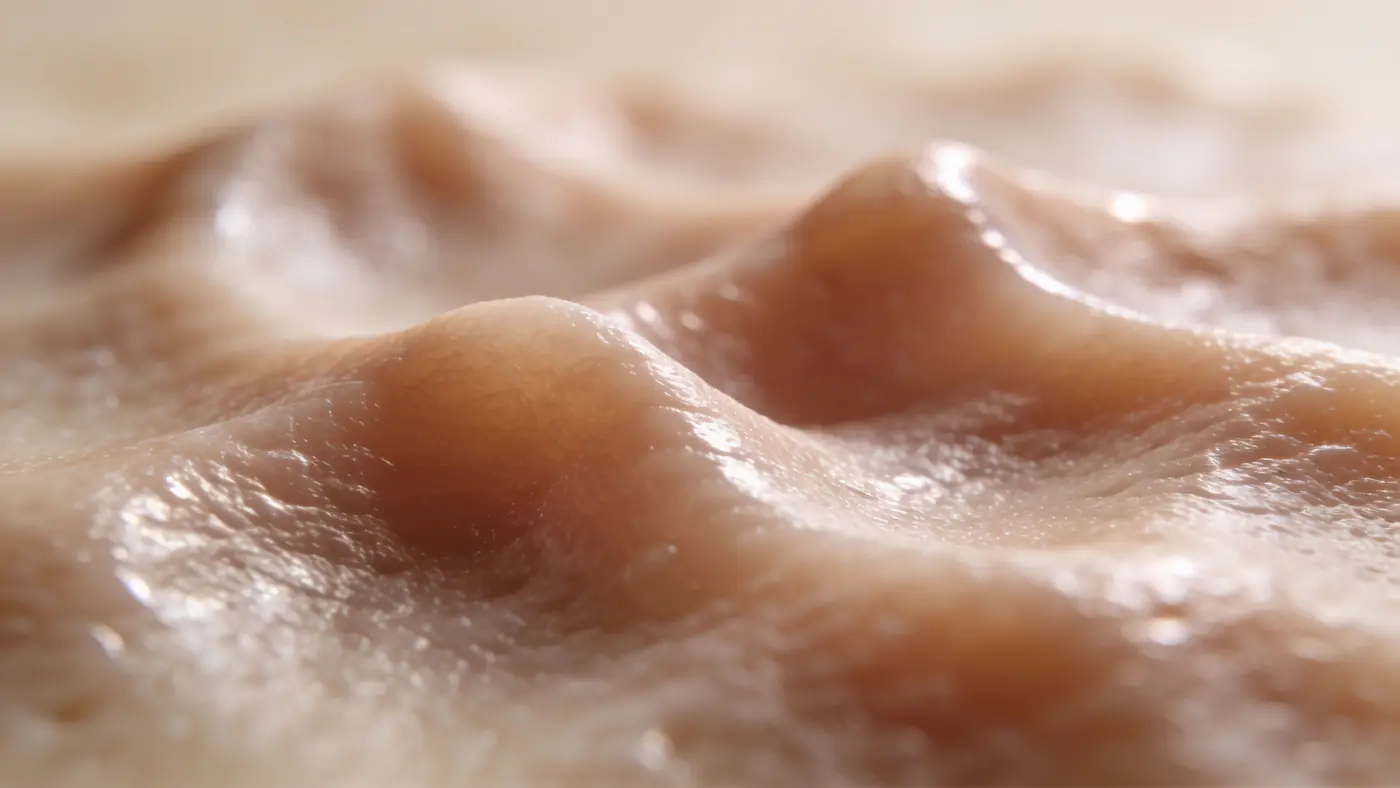
Rolling scars are broad, wave-like undulations; the band beneath them, not the surface, is what subcision addresses.
Key facts
What it is
Subcutaneous incisionless surgery: a needle or cannula divides the bands tethering a scar
Where it works
The subcutaneous plane beneath the dermis; the skin surface is not cut
Suits
Rolling scars and boxcar scars that stay pinned when the skin is stretched
Does not suit
Ice pick scars, surface scars that flatten on stretching, and raised scars
Sequence
Release first, then volume support or resurfacing where the plan calls for them
Anaesthetic
Local anaesthetic; most people describe pressure and movement during release
Expected effects
Bruising, swelling and tenderness over the treated area that settle on their own
Ice pick, boxcar, rolling and hypertrophic scars in cross-section, with the approach each is usually assessed for.
Subcision, short for subcutaneous incisionless surgery, treats the cause of one particular kind of acne scar rather than its surface. When deep acne inflammation heals, scar tissue can form as a vertical cord that anchors the underside of the skin to the tissue beneath. The skin above is intact; the dent exists because something is pulling it down from inside, in the way a thread pulls an upholstery button into a cushion.
In subcision, a fine needle or blunt cannula is passed beneath the scar, in the subcutaneous plane, and swept to divide that band. The skin is entered through a small puncture rather than cut. Two things follow: the downward pull is released, so the surface is free to sit level, and the controlled injury beneath the scar prompts a repair response, with new collagen forming in the space where the band was. The technique was described by Orentreich and Orentreich in 1995 and remains a standard approach to tethered scars.
It is a release, not a resurfacing treatment and not a filler. Lasers and radiofrequency act on the dermis from above, while subcision works beneath it, deeper than resurfacing energy is meant to reach. That is why scar journeys so often plateau: the surface scars improve, and the few that were tethered stay put until the tether itself is addressed.
What happens during subcision, step by step?
The scars to be released are first marked with the skin stretched, under directed light, because shadows under side light show depressions most clearly. Dr Sin Yong examines scar by scar, with the face at rest and in movement, to separate tethered scars from surface ones. The plan comes from examination rather than photographs, because a tether is found by stretch and animation, and neither shows in a picture.
The area is cleansed and local anaesthetic is infiltrated, so that most people feel pressure and movement rather than sharp pain. A fine needle or blunt cannula is introduced through a small entry point beside the scar and moved in a fanning pattern beneath it to divide the fibrous bands; release is often felt as a give or a faint snap. Firm pressure is applied afterwards to limit bleeding and bruising, and the entry points are left to heal on their own.
Aftercare for the region treated is given at the end, including sun protection while any bruising settles. Each released scar is reviewed before the next stage, such as volume support or resurfacing, is planned. Subcision is done at a single visit, and whether further release is needed is decided at review.
“You can resurface a tethered scar indefinitely. The tether keeps pulling it down.”
Dr Sin YongOn why scar treatment plateaus
Which acne scars does subcision treat?
Subcision suits depressed scars that are held down from below: rolling scars, with their broad, wave-like undulations and sloping edges, and boxcar scars that are tethered at the base. A simple screening observation is the stretch test. Place a finger either side of the scar and stretch the skin gently apart. A scar that flattens completely is mainly a surface problem; one that stays pinned while the skin around it stretches is being held down from below, and one that deepens when you smile is transmitting the pull of the muscle beneath. It is a screening observation, not a diagnosis.
It is not the tool for every scar. A narrow, deep ice pick scar is a well rather than a tethered dip, and the technique that reaches its floor is TCA CROSS. Surface scars that flatten on stretching need resurfacing. Raised hypertrophic scars and keloids are the opposite problem, an excess of collagen rather than a tether, and are managed differently. Most faces carry a mixture, so each scar is assigned to the step it needs, and the guide to acne scar types explains the classification. The table shows how the common patterns are matched.
Acne scar patterns and where subcision fits
Scar pattern
What subcision does
What else is usually needed
Rolling scar
Divides the bands tethering a broad, wave-like dip
Volume support or resurfacing once the skin is free
Tethered boxcar scar
Releases the base so the floor can rise
Fractional CO2 or RF microneedling for the walls and texture
Surface boxcar scar
Nothing to release; it is the wrong step
Fractional resurfacing of the edges and floor
Ice pick scar
Does not reach a narrow, deep tract
TCA CROSS, or referral for a punch technique
Raised scar or keloid
Not suitable; the problem is excess tissue
Separate assessment and an injection-based pathway
How does subcision combine with filler and CO2 laser?
Release comes first, because resurfacing remodels skin in whatever position it finds it. Resurfacing a still-tethered scar polishes a dimple that is being held down. Within Dr Sin Yong's 4D Scar Reconstruction protocol, subcision is the foundation step: tethers are released, volume support follows where a deficit sits beneath the scar, and the scar walls and surface texture are treated afterwards.
Where a volume deficit remains after release, a collagen-stimulating filler such as Radiesse may be placed beneath the released scar to support it, and the choice of material is made at assessment. Fractional CO2 resurfacing, delivered as the S3 Resurfacing Lift on the DEKA SmartXide Tetra Pro, then refines the scar walls and surface, and RF microneedling can be staged after subcision where it is needed. Narrow ice pick tracts are handled separately.
Whether the steps are combined at one visit or staged depends on the scars, the skin type and how bruising is expected to behave. In Fitzpatrick III to V skin, staging is often the more conservative choice. The acne scar treatment page maps every option side by side.
Who should wait, and who is referred on?
Active acne is controlled first, because releasing scars while new ones are forming makes little sense and inflamed skin marks easily. Treatment is also deferred, or the plan changed, with active infection in the area, in pregnancy, after recent isotretinoin until cleared at consultation, and for anyone taking blood thinners or with a bleeding tendency. Declare all medicines and supplements, including those that affect bleeding.
A tendency to keloid scarring and a history of marked post-inflammatory darkening are discussed at assessment. Bruising and inflammation handled carelessly can leave marks of their own, so in Fitzpatrick III to V skin the depth of work, the technique and the aftercare are planned around pigment risk. Isolated scars too deep or wide for these methods may need a punch technique or surgical revision, and Dr Sin Yong refers those to a plastic surgery or dermatology specialist.
What are the risks, and what does recovery look like?
Bruising, swelling and tenderness over the treated area are expected, because tissue beneath the skin has been divided, and they settle on their own; recovery varies between people and areas. Small firm lumps beneath the treated area can occur and are reviewed as they settle. Less commonly there can be infection, post-inflammatory pigmentation, raised scarring in those prone to it, or a scar that responds less than hoped.
The released band can partly re-form as the area heals, through the same fibrotic process that built it. This is one reason subcision is planned within a staged protocol, with the response of each scar reviewed, rather than as a one-off gesture. Sun protection while bruising settles matters, because ultraviolet over inflamed skin encourages pigment.
Contact the clinic if pain increases instead of settling, redness spreads or becomes warm, there is pus, or a firm lump is growing or painful. The complication care page lists the signs that need same-day attention.
What determines the fee?
The fee depends on the area involved and on what the assessment finds: how many scars are tethered, and how dense and deep the bands are. It also depends on whether subcision is performed alone or as one stage of a combined protocol, which materials or devices are added, and how the plan is staged. Releasing a few tethered scars on one cheek and rebuilding mixed scarring across the whole face are not comparable pieces of work.
Singapore's rules restrict how doctors advertise prices, so no figure is published here. A written quote is given at consultation, after your scars have been examined, and the consultation decides whether subcision is advised at all. The how we quote page explains the pattern.
Ten acne scar questions paraphrased from Singapore forum threads, answered plainly: pitted scars, plateaus, subcision,…
Frequently Asked Questions
The fee depends on the area involved, how many scars are tethered and how deep the bands run, whether subcision is combined with filler, laser or microneedling, and how the plan is staged. Singapore's rules restrict price advertising, so a written quote is given at consultation after your scars are examined.
It is worthwhile where scars are genuinely tethered, such as rolling scars that stay pinned on stretching, particularly after resurfacing has plateaued. It is the wrong step for ice pick scars, which suit TCA CROSS, and for surface scars that flatten on stretching, which suit resurfacing. Examination decides which scars qualify.
No duration is promised. The divided band can partly re-form as the area heals, so release is usually planned within a staged protocol, often with volume support or resurfacing, and each scar is reviewed. How long a change holds varies with the scar, the skin and whether acne is still active.
Bruising, swelling and tenderness are expected, small firm lumps can occur, and pigment change or raised scarring is possible in those prone to it. The band can partly re-form, so staging is common. Subcision does not treat ice pick scars, surface scars or raised scars.
Local anaesthetic is infiltrated first, and most people describe pressure and movement rather than sharp pain during release. Tenderness and bruising afterwards are common and settle as the area heals. Tolerance varies between individuals and areas, and comfort measures are discussed before treatment.
The skin is entered through a small puncture beside the scar, not an incision, so there is no cut to heal across the scar. Healing still varies between people, and a tendency to keloid or raised scarring is assessed beforehand. Bruising and small lumps beneath the skin are reviewed as they settle.
Before, in most plans. Resurfacing remodels skin in whatever position it finds it, so a still-tethered scar is polished while it is being held down. Whether release and laser are combined at one visit or staged depends on the scars, the skin type and how bruising is expected to behave.
Subcision divides the bands beneath tethered scars, such as rolling scars, so the surface can sit level. TCA CROSS places high-strength acid into the floor of narrow ice pick scars to prompt collagen from below. They suit different scars, and many faces need both within one sequenced plan.
Subcision is designed for tethered scars, which are typical of rolling scars: it releases the fibrous bands pulling the skin down. It does not treat surface texture on its own, so it is often paired with resurfacing. Response varies between people and scars.
Acne Treatment Before Scar Treatment — Why acne treatment comes before scar treatment: resurfacing over active acne is a moving target. The sequence explained…
Doxycycline for Acne: How Doctors Use It — Doxycycline is an oral antibiotic for inflammatory acne, used as a time-limited course with topicals. How it works, side…
Ice Pick Scars Treatment in Singapore — Ice pick scars treatment in Singapore: why resurfacing alone falls short, how TCA CROSS, punch techniques and CO2 laser …
Speak With Dr Sin Yong
Consultations by appointment at Orchard Road, Singapore.