Non-surgical fat reduction Singapore: fat removal for belly fat and love handles, four options and what none of them does
Medically reviewed by Dr Sin Yong · Last reviewed · 11 min read
If the lower belly is mainly loose skin or a muscle gap after pregnancy, see whether a tummy tuck is the honest answer.
Published 7 October 2026 · Reviewed by Dr Sin Yong
Non-surgical fat reduction Singapore · Dr Sin Yong, Orchard Road
Pinchable fat only. Not weight, not visceral fat.
4K Body Lift RF
Onda Pro microwave
Z Sculpt muscle
Fat freezing compared
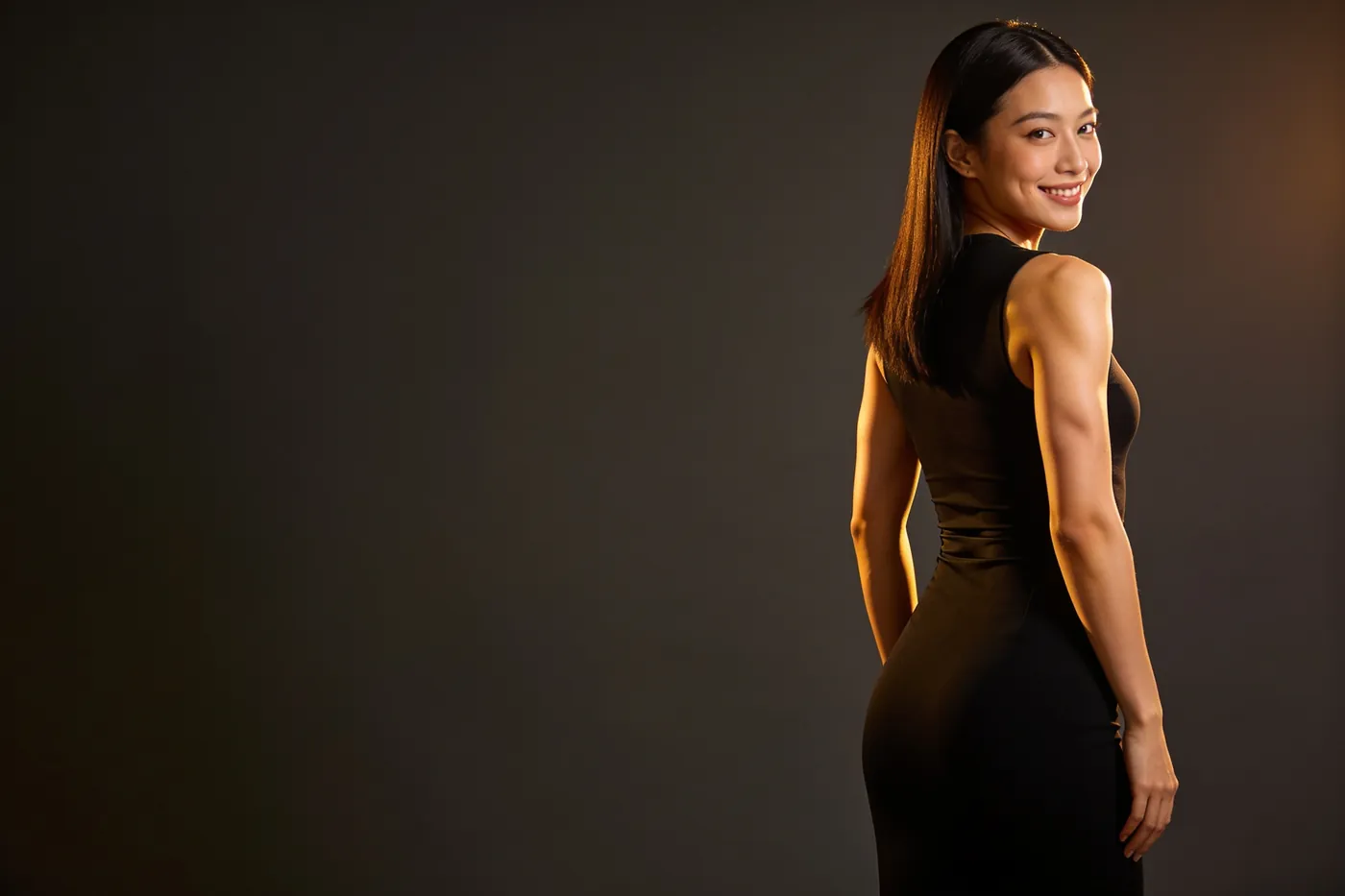
Illustrative, not a patient. Every treatment is performed by Dr Sin Yong after an in-person assessment.
Radiofrequency, microwave and muscle stimulation each act on a different layer of the belly; fat freezing is explained, with the 4K Body Lift or Onda Pro used here instead. Dr Sin Yong pinches, measures and tells you which layer you have before choosing, and says plainly when none of them is the answer.
Fat under the skin is treatable; fat behind the muscle wall is a lifestyle and medical question.
the energyChoose
Radiofrequency for fat and skin, microwave for stubborn fat, muscle stimulation for tone.
over weeksReview
Fat clears over weeks, so results are measured at review rather than on the day.
Suitability is decided at an in-person assessment. No prices are quoted on this page; fees are given in writing after the assessment. Images and video are illustrative, not patients.
Non-surgical belly fat reduction works on pinchable fat under the skin, not on weight. Radiofrequency (4K Body Lift on Secret DUO), microwave (Onda Pro) and muscle stimulation (Z Sculpt) each act differently: some on fat, one on muscle, some also on skin. They are used here in place of fat freezing. None treats visceral fat, replaces weight management or removes large volumes. Assessment decides which, if any, suits you, and liposuction or abdominoplasty is referred to a plastic surgery specialist.
Illustrative image, not a patient. Contouring changes the shape of a zone, not body weight.
Key facts
What this is
Three non-surgical options used here for localised belly fat and tone, with fat freezing explained; none is weight loss
Radiofrequency
4K Body Lift: RF on Secret DUO through insulated microneedles, aimed at compact fat and the skin over it
Microwave
Onda Pro: 2.45 GHz Coolwaves energy that fat absorbs preferentially
Fat freezing
Cryolipolysis cools a pinchable pocket so its fat cells are cleared gradually; Onda Pro or the 4K Body Lift is used here instead
Muscle stimulation
Z Sculpt: electromagnetic contractions for muscle tone and contour; it does not tighten loose skin
None of them
Treat visceral fat, change body weight, remove large volumes or tighten an overhanging skin apron
Referred on
Large volumes, marked loose skin or separated muscles: plastic surgery specialist
The pinch test at the waist: fat that can be pinched lies under the skin. Illustrative video, not a patient.
Non-surgical fat removal in Singapore suits a pinchable layer of fat; it is not a weight-loss method.
What kind of belly fat do you have?
There are four different things a belly can be, and the right option depends on which you have. The first is pinchable fat under the skin, called subcutaneous fat. The second is loose skin over that fat, common after pregnancy or weight change. The third is visceral fat, which sits around the organs behind the abdominal wall and cannot be pinched. The fourth is separated abdominal muscles, which can push the abdomen forward whatever the fat.
A simple pinch test starts the sorting. A pocket you can gather between finger and thumb is subcutaneous fat. A firm, rounded abdomen that cannot be pinched is usually visceral fat, which no contouring device reaches and which responds to overall weight management, which may be doctor-supervised. Many abdomens combine more than one.
Love handles: what they are, and how they are treated without surgery
Love handles are the fat that sits at the sides of the waist, above the hip bones, on the flanks. In most people it is subcutaneous fat, the pinchable layer under the skin, and the flanks are among the areas that hold on to fat when weight comes off elsewhere. Men and women both get them; where the body stores fat is partly inherited and partly hormonal.
Illustrative image — not a patient.
Side exercises do not spot-reduce love handles. Exercise and diet lower body fat overall and strengthen the trunk, but fat is not lost preferentially from over the muscles being worked. That is why the flanks often stay when the rest of the body slims.
How Dr Sin Yong approaches love handles. He examines the flanks standing, pinches the fold, and checks skin recoil and weight history before naming any treatment. For a compact pad with mild laxity over it, the 4K Body Lift on Secret DUO is the radiofrequency option. Onda Pro directs microwave energy at the fat layer while the surface is cooled. Both are used in place of fat freezing, and paradoxical adipose hyperplasia is explained to anyone considering it elsewhere. Where the volume is larger, the surgical route is liposuction by referral, set out in the liposuction Singapore guide. For other areas of the body, see body contouring Singapore.
Stomach fat removal without surgery: what each of the four options does, and does not do
Radiofrequency, as in the 4K Body Lift, delivers energy through insulated microneedles on the Secret DUO platform to compact, resistant subcutaneous fat in the tummy, waist, thighs and arms. The energy is directed at the fat and the skin over it. It is Dr Sin Yong's protocol, it is not liposuction, and it cannot remove a large volume of fat or marked loose skin.
Microwave, as in Onda Pro, uses DEKA's Coolwaves platform at 2.45 GHz, which is neither laser nor radiofrequency. Microwave energy is absorbed preferentially by fat rather than the overlying dermis, and it is used for localised fat, cellulite and skin laxity. It is heat-based, so warmth, redness and swelling are expected, and it does not add volume or replace surgery for structural descent.
Fat freezing, or cryolipolysis, cools a defined pocket so its fat cells are cleared gradually while the skin and muscle around them recover. It suits pinchable fat at a stable weight. It does not treat loose skin, cellulite or visceral fat, and it carries an uncommon risk of paradoxical adipose hyperplasia, an enlargement of the treated area. Dr Sin Yong uses the 4K Body Lift or Onda Pro instead.
Muscle stimulation, as in Z Sculpt, uses electromagnetic energy to produce strong muscle contractions in the abdomen, flanks and other areas. It is aimed at muscle tone and contour. Fat freezing, by contrast, acts on fat alone. Z Sculpt does not tighten loose skin, and it is unsuitable with a pacemaker, metal implants in the area, pregnancy or an abdominal hernia.
“Reducing fat under skin that has already lost its recoil leaves you with the same outline and looser skin. Which of the two is dominant has to be settled first.”
Dr Sin YongOn fat versus loose skin
Illustrative image — not a patient.
Does non-surgical fat reduction work? What studies of fat freezing measured
Fat freezing is the most studied non-surgical method. A systematic review in Plastic and Reconstructive Surgery examined 19 studies. The average reduction in the treated fat layer ranged from 14.67% to 28.5% when measured with calipers, and from 10.3% to 25.5% when measured with ultrasound. Side effects were mild and short-lived, such as redness, swelling and pain.
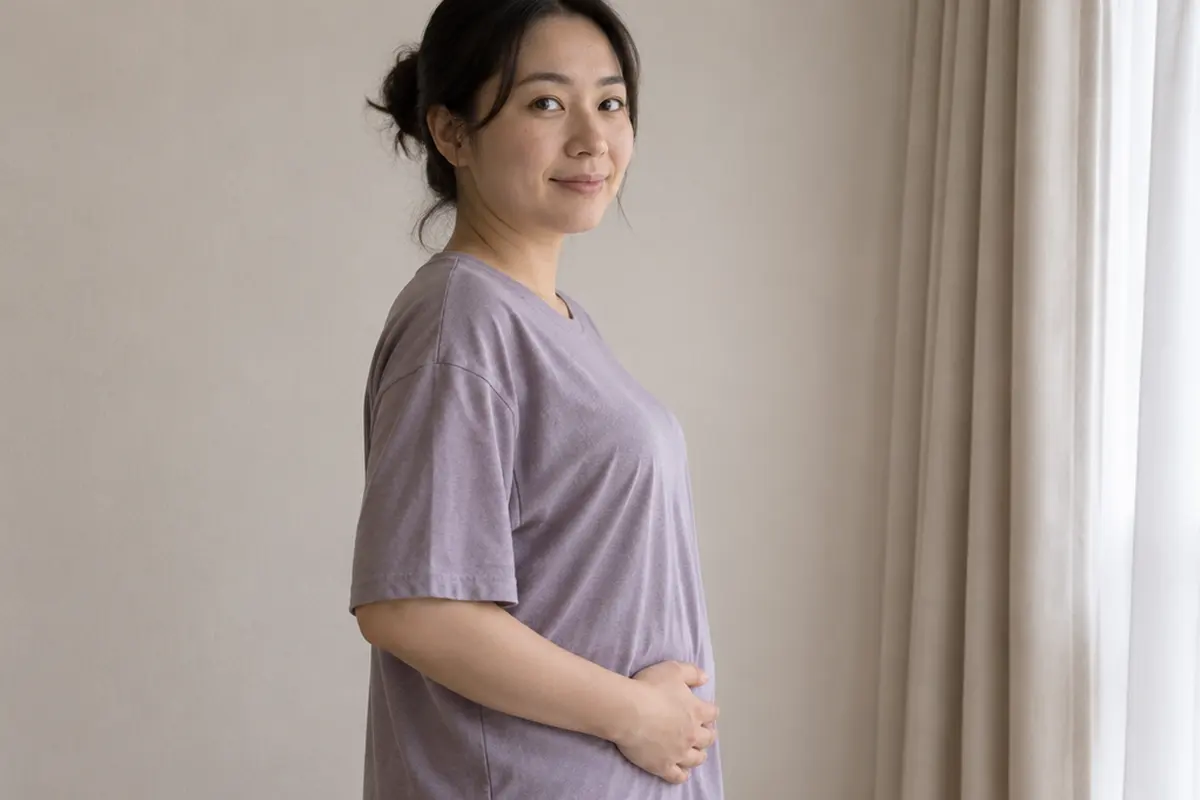
A soft lower abdomen can be fat, loose skin or separated muscle. Illustrative image, not a patient.
The same review recorded one case of paradoxical adipose hyperplasia, where the treated fat grows instead of shrinking. Later studies have put a figure on how often that happens, and they are covered on the fat freezing gone wrong page. The reductions are averages for a pinchable layer of fat. They are not weight loss, they do not apply to fat inside the abdomen, and they do not predict the change in one person.
What do none of these do for belly fat?
None of them is a weight-loss treatment. They suit people near their usual weight who have localised fat or tone concerns, and they are planned around a stable weight. Contouring does not replace diet, exercise or medical weight management, and no body sculpting treatment is a substitute for weight loss.
None reaches visceral fat, none removes a large volume the way surgery does, and none tightens an overhanging apron of skin. Loose skin with separated muscles is a surgical conversation, and abdominoplasty is referred to a plastic surgery specialist. Dr Sin Yong was previously involved in liposuction and facelift cases as part of a surgical team. Today he gets comparable results for many patients with Time Freeze Laser LCLR® without surgery, and refers to an accredited doctor where surgery is still the answer.
Evidence is worth reading with care. A systematic review of electromagnetic muscle stimulation described small measured changes, and almost all its studies were authored by advisers to the device manufacturer, so expectations should be modest, and response varies between people. The aim is a change in shape in a zone, judged at review, not a promise of a number.
Non-surgical belly fat options compared
Option
What it acts on
What it cannot do
Who it tends to suit
4K Body Lift (RF on Secret DUO)
Compact resistant fat and the skin over it
Remove large volumes or marked loose skin; change weight
Resistant fat in the tummy or waist at a stable weight
Onda Pro (microwave)
Fat, cellulite and mild laxity, via 2.45 GHz energy
Add volume, replace surgery or treat visceral fat
Localised fat or mild laxity; no pacemaker or listed condition
Fat freezing (cryolipolysis; Onda Pro or the 4K Body Lift is used here instead)
Pinchable subcutaneous fat, by cooling
Tighten skin, treat cellulite or reach visceral fat
Pinchable pocket, skin with good recoil, stable weight
Z Sculpt (muscle stimulation)
Abdominal muscle tone, by electromagnetic contractions
Tighten loose skin or act as a weight-loss treatment
Tone and contour concerns near usual weight
Weight management or referral
Overall weight; surgical questions
Change shape in one zone
Visceral fat, large volumes, loose skin with separated muscles
How is belly fat assessed, and what happens step by step?
Assessment comes first and decides whether any option is right. Dr Sin Yong examines the abdomen standing and, where relevant, in movement, using the pinch test, posture and skin quality to separate fat from loose skin. He also checks for separation of the abdominal muscles, particularly after childbirth. Medical history covers weight stability, pregnancy plans, medicines, and any implanted device or metal implant in the area.
A written plan and quote follow, covering which option or combination is proposed and why. The consultation decides whether treatment is advised at all, and you are not expected to start on the day. Where weight is well above your usual level, weight management comes first, and where surgery would serve better, referral is the honest answer.
On the treatment day, the process depends on the option: radiofrequency delivered through microneedles to planned zones, a microwave handpiece that relies on you reporting heat, or applicators that trigger muscle contractions. Each zone is reassessed before any further treatment is timed, and the plan is reviewed rather than fixed in advance.
Illustrative image — not a patient.
Who does it suit, who should wait, and who is referred on?
These options tend to suit compact, resistant fat or tone concerns in people near their usual weight, with skin that still recoils and realistic expectations about shape rather than weight. The sagging tummy page covers the combination of fat and loose skin after pregnancy or weight loss.
It is better to wait during pregnancy and breastfeeding, and after childbirth the area is allowed to heal first, with abdominal wall separation checked. Active infection, open wounds or skin disease in the zone are settled first. Pacemakers and other implanted electronic devices, metal implants, a bleeding tendency or blood-thinning medicines, a keloid tendency, an abdominal hernia, recent abdominal surgery, and poorly controlled diabetes change the plan or exclude particular options. All of these are declared at consultation.
Large volumes, an overhanging skin apron, marked loose skin or separated muscles are referred to a plastic surgery specialist. A firm, non-pinchable abdomen is referred for medical weight assessment. Someone who wants a weight-loss treatment, or a change a device cannot deliver, is better told so plainly.
What are the risks, and when should you call?
Each option has its own expected effects. Radiofrequency and microwave cause redness, warmth, swelling and sometimes bruising, with pinpoint marks after microneedling; burns and nodules are less common. Fat freezing, offered elsewhere, causes temporary numbness, tenderness and bruising. Muscle stimulation causes soreness and fatigue like hard exercise, and cramping can occasionally persist.
Body treatments work alongside diet and exercise, not in place of them. Illustrative image, not a patient.
Less common risks include skin irritation, uneven contour, temporary numbness, burns with heat-based options, and paradoxical enlargement after fat freezing. Because several options are heat-based, reduced sensation in an area is a reason to stop and report it, not to push on. Response varies between people, and no outcome can be promised.
Contact the clinic the same day for blistering, a burn, skin colour change, increasing pain, a firm lump, spreading redness, pus or fever. See the page on complication care for what to do if something feels wrong, and report any enlargement of a treated area at review.
What determines the fee for non-surgical belly fat treatment?
Singapore rules prevent clinics advertising prices, so factors are given here, not figures. The fee depends on the area and number of zones treated, what the assessment finds, and whether one option or a combination is used. It also reflects which option is indicated, the single-use components involved, and how the plan is staged with review.
A figure quoted before examination would not reflect your abdomen. Dr Sin Yong gives a written quote at consultation, after assessment, before anything is agreed, and the consultation also decides whether treatment is advised at all. How quotes work is explained on the how we quote page.
Non-surgical fat reduction: sessions, downtime and how long it lasts
Non-surgical fat reduction Singapore at a glance
How many sessions
Radiofrequency (4K Body Lift): 4–6 sessions. Microwave (Onda Pro): 3–4 sessions. Fat freezing: Onda Pro or the 4K Body Lift is used instead. Muscle stimulation: 4 sessions over 2 weeks.
Downtime
None to a day of tenderness; fat freezing, offered elsewhere, can leave numbness for 2–4 weeks.
How long it lasts
Treated fat cells do not return; the overall result holds with stable weight.
Figures are typical ranges from Dr Sin Yong's practice and the published literature; your plan, including the number of sessions, is set after the assessment and may differ. Fees are given in writing after the assessment: see how we quote.
Ask about Belly Fat Reduction
Leave your name, mobile number and email and the clinic will contact you directly.
Thank you — your enquiry has been received. The clinic will contact you during opening hours (Mon–Fri 10am–8pm, Sat 11am–3pm).
See a doctor first for abdominal swelling that is sudden, painful or hard, a bulge that appears on coughing or straining, or weight gain with no clear reason, since hernias and medical causes are not treated with fat reduction.
Non-surgical fat reduction is for a stable, pinchable pocket of fat in someone close to a steady weight.
How to choose a clinic for non-surgical fat reduction in Singapore
A brand page or an overseas clinic cannot tell you how non-surgical fat reduction is delivered here. These are the points worth checking with any clinic in Singapore.
Who performs it. Ask who will carry out non-surgical fat reduction. Medical treatments here are performed by Dr Sin Yong himself and are not delegated.
What is used. Ask for the name of the device or product, and whether it is registered with the Health Sciences Authority.
Assessment first. The plan should follow an in-person assessment, not a package chosen in advance.
The fee in writing. Fees are quoted in Singapore dollars, in writing, before any treatment starts.
Review. Ask when you will be seen again after the treatment, and by whom.
Consultations with Dr Sin Yong are at 9 Scotts Road, Pacific Plaza #12-01, Singapore 228210.
Frequently Asked Questions
Small pockets of fat can be reduced without surgery using radiofrequency or fat freezing. Dr Sin Yong uses the 4K Body Lift or Onda Pro. Larger amounts of fat need weight loss or surgery.
No. Liposuction removes a few litres at most and is for shaping, not weight loss. A healthy weight comes first.
The name is informal, from the idea that a partner could hold someone by the waist there. Medically it is fat stored on the sides of the waist and the hips.
Fat at the waist is strongly influenced by genetics, hormones and age, so slim people can still store fat there. Stress, poor sleep and loss of muscle can make it more visible.
The fat layer reduces over six to twelve weeks after each session, and a course is usual. The change is a modest reduction in a local area, not weight loss.
Love handles respond to overall fat loss: a modest calorie deficit, enough protein, strength training and regular activity. Exercises for the waist build muscle but do not burn the fat over that spot. Stubborn pockets that remain at a stable weight are where a device-based treatment may be considered.
Options include laser-based fat reduction, radiofrequency, high-intensity focused ultrasound, fat freezing and liposuction performed by a plastic surgery specialist. The choice depends on how thick the fat layer is on ultrasound and how loose the skin is.
Exercise and diet reduce overall body fat, and love handles shrink as part of that, but fat cannot be lost from one spot by exercising it. Side planks and twists strengthen the muscle underneath. Non-surgical fat reduction is for a stubborn pinchable layer that remains at a stable weight.
Love handles are fat deposits over the flanks. Non-surgical options include fat freezing, radiofrequency and microwave energy, each reducing a modest layer over several weeks. They suit pinchable fat in people near a stable weight, and they are not a weight-loss method. Results vary.
Less than liposuction, and it is not measured on the scales. Non-surgical treatments act on a localised layer of fat in the treated zone, so the change is in contour and centimetres rather than kilograms. How much changes depends on the thickness of the pocket, the device, the skin over it and weight stability, and it is judged at review. Larger volumes, or fat across several areas, point to a surgical opinion.
It can make existing laxity easier to see. If a fat pocket sits under skin that has already lost its recoil, reducing the fat can leave the same outline with looser skin. That is why the skin is checked first, and why radiofrequency that also heats the skin, such as the 4K Body Lift, or separate heat tightening with VF Lift – Vertical Figure Lift, may be part of the plan. Marked loose skin is a surgical question.
No. Non-surgical fat removal in Singapore, such as the 4K Body Lift radiofrequency on Secret DUO or Onda Pro microwave, acts on pinchable fat under the skin, and any change is gradual. Liposuction removes fat surgically and can take out larger volumes. Dr Sin Yong no longer performs liposuction; large volumes, an overhanging skin apron or separated muscles are referred to a plastic surgery specialist.
A tummy slimming treatment is a non-surgical procedure aimed at pinchable fat or muscle tone in the abdomen, such as radiofrequency, microwave, fat freezing or electromagnetic muscle stimulation. A tummy slimming treatment changes the shape of a zone rather than body weight, and it does not reach visceral fat or tighten an overhanging apron of skin. The pinch test and an examination of the abdominal wall decide which, if any, suits.
Weight loss shrinks fat cells throughout the body rather than in chosen places, so a lower-belly pocket can survive a diet. But a stubborn lower belly is not always fat: loose skin after pregnancy or weight change and a gap between the abdominal muscles produce the same bulge. The pinch test and an examination of the abdominal wall tell them apart.
No. Diastasis is a separation of the rectus muscles, not fat, and no fat-directed device closes a muscle gap. After childbirth the gap is checked before any fat option is discussed; physiotherapy-led core rehabilitation comes first, and wide, symptomatic separations are referred for surgical assessment. Fat treatment is only considered for a true pinchable pocket.
No duration can be promised. Contouring clears some fat cells in the treated zone, but the cells that remain can still enlarge with weight gain, and ageing and pregnancy change the abdomen. A stable weight and review timing set by Dr Sin Yong shape how the shape holds.
Neither is better in general. Fat freezing suits pinchable fat with good skin recoil, while radiofrequency also works on the skin over the fat. Dr Sin Yong uses the 4K Body Lift or Onda Pro in place of fat freezing; the pinch test, skin quality and history decide between them, and some abdomens call for a different option altogether.
No. CoolSculpting is one brand of fat freezing that several Singapore clinics offer; Dr Sin Yong uses other non-surgical routes instead, including radiofrequency with the 4K Body Lift and microwave with Onda Pro; fat-dissolving injections are given by other doctors, and liposuction is a surgical referral. Dr Sin Yong assesses the fat thickness and skin quality and explains which option fits rather than pushing one device.
Arm fat removal without surgery uses energy-based fat reduction when the arm fullness is pinchable fat; fat-dissolving injections are an option given by other doctors. When it is loose skin, VF Lift – Vertical Figure Lift tightens instead. Dr Sin Yong pinches and examines the arm to tell which before suggesting a treatment.
General guidance is at least 150 minutes of moderate activity a week plus strength training. Diet makes the larger difference for fat loss.
The main types are fat freezing (cryolipolysis), laser heating, radiofrequency, high-intensity focused ultrasound and electromagnetic muscle stimulation combined with heat. They differ in how they reduce fat and how many sessions are needed.
It heats fat cells and tightens skin at the same time, usually over several sessions. It suits people with fat and mild skin laxity.
Treated fat cells do not return, but remaining fat cells can enlarge with weight gain, so a stable weight keeps the result.
People far from their target weight, those who are pregnant, and people with some medical conditions, such as cold-related disorders for fat freezing.
Usually from four to six weeks, with the full result at about three months.
Most treatments cause pulling, cold, warmth or tingling. Fat freezing may leave numbness or tenderness for a few weeks.
No. These treatments act on fat under the skin. Visceral fat around the organs is reduced by diet, exercise and medical weight management.
Liposuction removes more fat in one procedure but is surgery with downtime. Non-surgical treatment suits smaller, stubborn bulges and people who want no downtime.
Typically one to three sessions per area for fat freezing, and four to six for heat-based treatments.
Yes, usually the same day, unless the area is tender.
Fat freezing does not tighten skin. Radiofrequency-based treatments tighten mildly; marked loose skin may need surgery.
Generally yes. Rare side effects include burns, prolonged numbness and, with fat freezing, paradoxical fat enlargement.
Fat reduction targets local fat; weight loss changes body weight overall.
References
Cryolipolysis and associated health outcomes, adverse events, and satisfaction: a systematic review and meta-analysis. Obesity Reviews, 2025. source
A Systematic Review of Electromagnetic Treatments for Body Contouring. Annals of Plastic Surgery, 2023. source
Feasibility Study of Electromagnetic Muscle Stimulation and Cryolipolysis for Abdominal Contouring (Kilmer SL, Cox SE, Zelickson BD, et al.). Dermatologic Surgery, 2020. pubmed.ncbi.nlm.nih.gov
Global Expert Opinion on Cryolipolysis Treatment Recommendations and Considerations: A Modified Delphi Study (Altmann J, Burns AJ, Kilmer SL, et al.). Aesthetic Surgery Journal Open Forum, 2022. pubmed.ncbi.nlm.nih.gov
Microwave-Energy-Based Device for the Treatment of Cellulite and Localized Adiposity: Recommendations of the Onda Coolwaves International Advisory Board (Hoffmann K, Zappia E, Bonan P, et al.). Bioengineering (Basel), 2024. pubmed.ncbi.nlm.nih.gov
Combined microwaves and fractional microablative CO2 laser treatment for postpartum abdominal laxity (Bonan P, Verdelli A). Journal of Cosmetic Dermatology, 2021. pubmed.ncbi.nlm.nih.gov
Ingargiola MJ, Motakef S, Chung MT, Vasconez HC, Sasaki GH. Cryolipolysis for fat reduction and body contouring: safety and efficacy of current treatment paradigms. Plastic and Reconstructive Surgery, 2015. doi.org