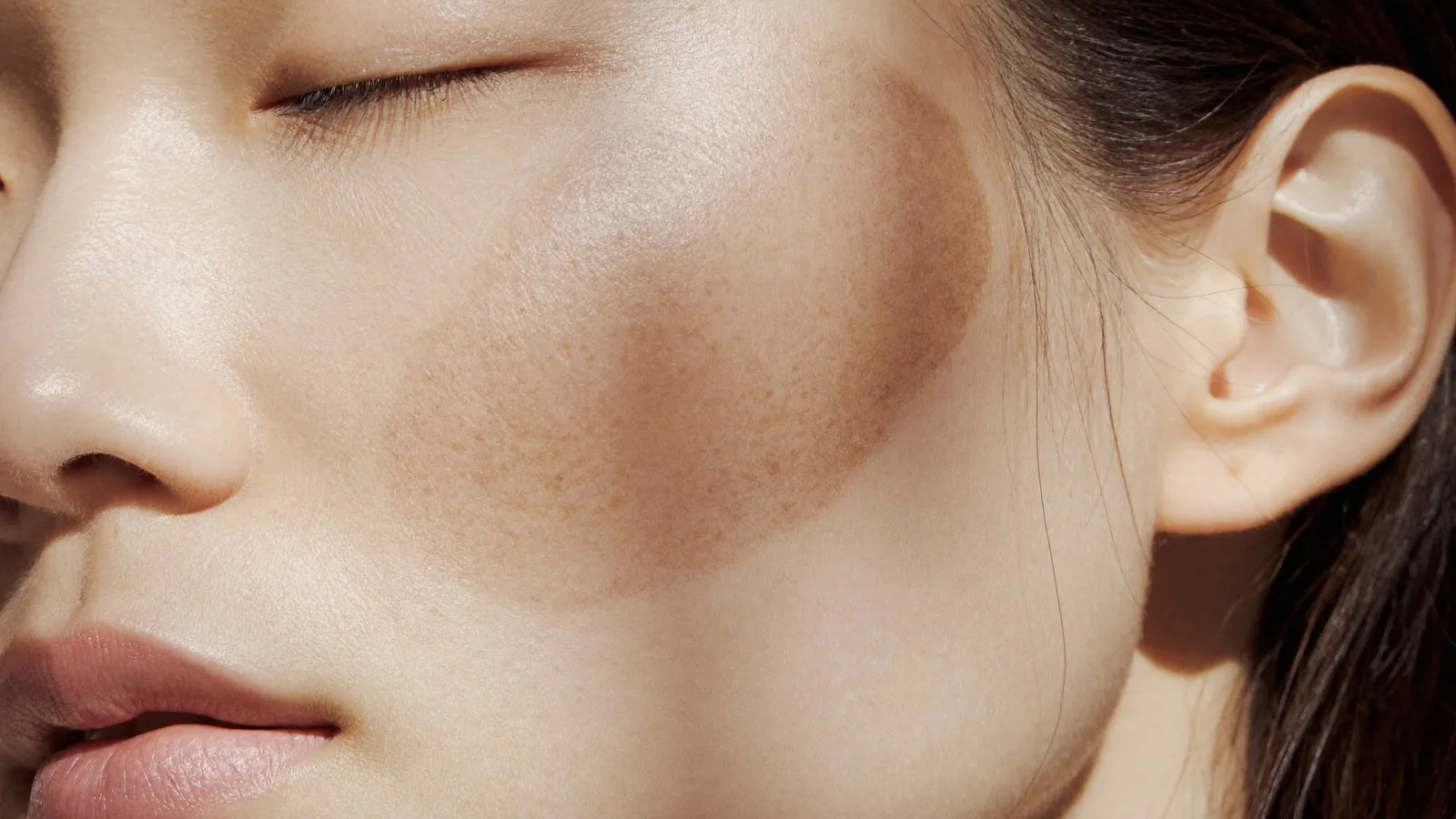
Freckles removal in Singapore uses a pigment-selective laser to lighten ephelides, but the tendency to form freckles stays. Treatment starts by naming the brown mark, because freckles, sun spots and melasma differ, then pairs conservative laser settings with daily sun protection, since new freckles appear wherever ultraviolet light keeps reaching the skin.
Also called: ephelides, 雀斑, そばかす
Freckles can be lightened with a pigment-selective laser, but the tendency to make them stays. True freckles (ephelides) are small, flat, genetically determined spots that darken with sun exposure; they are not the same as sun spots, which are larger, appear later and stay fixed, or melasma, which forms patches and worsens with heat. Removal in Singapore therefore starts with naming the brown mark, then pairs conservative laser settings with daily sun protection, because new freckles appear wherever ultraviolet light keeps reaching the skin.
Singapore's ultraviolet index stays high all year, so freckles rarely get a season in which to fade.
Key facts
What freckles are
Ephelides: small, flat, light-brown spots driven by genetics and darkened by ultraviolet light
Cell biology
More pigment from a normal number of melanocytes; sun spots carry more pigment cells as well
When they appear
From childhood, on the nose and cheeks; sun spots typically arrive from the 40s onwards
Seasonal behaviour
Darken with sun and fade with less of it; Singapore has no low-UV season to fade them
What laser does
Fragments pigment already in the upper skin so it can be shed; it does not change the tendency
Asian-skin caveat
In Fitzpatrick III to V skin, excess heat risks post-inflammatory hyperpigmentation, so settings are conservative
The odd one out
A new, changing or irregular spot in adult life is examined before any treatment
Freckles are small, flat, genetically driven spots that ultraviolet light darkens. In Singapore, removal starts by confirming each spot is a freckle rather than a sun spot, melasma or Hori's naevus. A picosecond or long-pulsed alexandrite laser on conservative settings lightens them, but the tendency stays, so daily sun protection decides how long they stay lighter.
What are freckles, and how are they different from sun spots?
Freckles are small, flat, light-brown spots that a person is genetically inclined to make, and that ultraviolet light darkens. Their medical name is ephelides. They usually appear in childhood on the most sun-exposed parts of the face, the nose and upper cheeks, and they occur in Asian skin as well as in fair skin. Variation in the MC1R pigment gene is strongly associated with freckling, which is why freckles tend to run in families.
Under the microscope, a freckle is a patch of otherwise normal skin whose melanocytes are simply producing more pigment than their neighbours; the number of pigment cells is not increased. A solar lentigo, the sun spot, is a different structure: a discrete, sharply bordered mark of cumulative sun exposure in which the pigment cells along the base of the epidermis are increased as well as more active. Sun spots typically appear from the 40s onwards and stay put whatever the weather.
That difference shows up in behaviour. In temperate countries freckles darken through summer and fade through winter, while sun spots do not fade at all. In Singapore, one degree north of the equator, there is no winter to do the fading, so freckles here tend to sit at their sun-exposed shade all year, and people often assume they are fixed marks when they are not. The full range of facial browns is set out in the guide to which brown is yours.
Could it be melasma rather than freckles?
It could, and the distinction changes the treatment more than any choice of machine. Melasma forms patches rather than dots: soft-edged, roughly symmetrical, across the cheeks, forehead or upper lip, often with a hormonal history and a tendency to darken with heat as well as sun. It is a chronic process rather than a deposit of pigment, and it is managed rather than removed.
The practical danger is that freckles and melasma frequently share a face. Settings that are reasonable for a freckle deliver too much heat for melasma, and heat is itself a melasma trigger, which is how a freckle treatment can leave a cheek darker than before. How these look-alikes are separated is covered in the article on melasma and sun spots.
Two further mimics deserve a mention. Hori's naevus appears as clusters of grey-brown or bluish spots across the cheeks, sits deeper in the dermis, is common in Asian skin and is frequently mistaken for freckles; it needs a different wavelength and a longer plan. Flat seborrhoeic keratoses can also pass for freckles until they thicken. Treating any of these as a freckle is a common reason a laser course disappoints.
“Four different diseases wear the same brown coat, and one of them — melasma — punishes the wrong laser badly.”
Dr Sin YongOn why every brown mark is diagnosed before any laser
What does a laser actually do to a freckle?
A pigment-selective laser delivers light at a wavelength that melanin absorbs, so the excess pigment in a freckle is fragmented and then shed or cleared, while the surrounding skin is spared as far as the settings allow. Because freckle pigment sits in the upper epidermis, freckles are among the more predictable targets in pigment work.
The wavelength and pulse are chosen for the skin in front of the laser. A picosecond laser fragments pigment mainly through a pressure effect rather than heat, which matters in Fitzpatrick III to V skin; on the T2 Frax Radiance protocol the picosecond emission is at 785 nm, with 532 nm and 1064 nm nanosecond emissions on the same platform. A long-pulsed alexandrite laser at 755 nm is another option for discrete spots in lighter to medium skin. Which suits a given face is decided at examination, not by preference for a device.
Described in words rather than photographs, the usual course is this: treated freckles often turn darker and form fine crusts or flakes that come away on their own, with transient redness around them. They should be left to shed rather than picked or scrubbed. Response varies between individuals, and the plan is reviewed as the skin settles rather than fixed in advance.
The risk worth naming in Singapore skin is post-inflammatory hyperpigmentation: the treated spot clears, then a brown mark returns weeks later as the skin responds to the inflammation of treatment. Conservative energy, correct wavelength choice and strict photoprotection afterwards are how that risk is reduced. It is usually temporary when it occurs, and it is one reason freckle treatment is a physician's judgement rather than a walk-in procedure.
Why do freckles come back after laser?
Freckles come back because laser removes pigment that has already been made, not the inherited tendency to make it. The melanocytes in freckle-prone skin remain primed to answer ultraviolet light with extra pigment, so new freckles appear, sometimes in the same places and sometimes nearby, wherever sun keeps reaching the skin.
This is not treatment failure, and it is worth understanding before starting. Reviews of freckling describe ephelides as a genetically determined response to sun exposure; pigment lasers can lighten existing spots, but no device changes the genes or the ultraviolet environment. In Singapore that environment is constant: the UV index runs high to very high for much of the year, through cloud and through car and office windows.
So the honest description of freckle removal is lightening plus maintenance. How long a lighter result holds depends far more on daily sun protection than on the laser itself, and a plan that ends at the last treatment without a protection habit is, in practice, a plan to repeat the treatment. Where freckles are lightened, occasional maintenance is planned at review rather than promised in advance, and its timing follows how quickly new pigment appears in that particular skin.
What can you do at home to keep freckles lighter?
Daily broad-spectrum sun protection does more for freckles than any product. A sunscreen of SPF 50 or above with a stated UVA rating, applied generously and reapplied after sweating or swimming, slows both the darkening of existing freckles and the appearance of new ones. Tinted formulations containing iron oxides add protection against visible light, which is relevant if melasma is also present. Hats and shade do the rest; the case for daily sunscreen at this latitude is made in full in a separate article.
Topical lightening agents have a supporting role. Ingredients such as azelaic acid, niacinamide and vitamin C can soften overall tone, and hydroquinone is sometimes used in short, planned courses under medical supervision because prolonged unsupervised use carries risks. None of them clears an established freckle on its own, and none replaces sunscreen.
What does not help: lemon juice, abrasive scrubs and peels bought online, which irritate the surface while the pigment-producing cells sit untouched below. In darker skin that irritation can add post-inflammatory marks of its own. Cosmetic camouflage is a perfectly reasonable alternative for anyone who would rather not treat. Freckles are benign, and treating them is a choice, not a medical need.
When should a freckle be examined first?
Any spot that is new in adult life, darker than its neighbours, growing, irregular in border or colour, raised, itchy or bleeding should be examined before anyone treats it. True freckles appear in childhood and behave as a group; the spot that does not match the others is the one that needs a closer look.
This matters because a few serious lesions can resemble ordinary browns. Lentigo maligna, an early form of melanoma on sun-damaged skin, can impersonate a sun spot, and lasering it would remove the visible clue without treating the disease. Examination with a dermatoscope comes first, and an uncertain lesion is referred to a dermatologist for assessment and, where needed, biopsy rather than treated cosmetically.
For everything else, the assessment is what makes the plan sensible: naming each brown mark, judging how deep the pigment sits, noting skin type and any melasma, then choosing wavelength and energy accordingly. It is also where the trade-offs are discussed openly: what lightening is likely to look like on that skin, what the recovery involves, and what the maintenance and sun-protection commitment will be afterwards. The broader pigmentation treatment guide sets out how freckles fit alongside the other pigment types.
Dr Sin Yong names each brown mark before any laser is chosen, separating true freckles from sun spots, melasma, Hori's naevus and flat seborrhoeic keratoses. Any spot that is new in adult life, changing or unlike its neighbours is examined with a dermatoscope first, and an uncertain lesion is referred to a dermatologist rather than treated cosmetically.
For freckles themselves, the wavelength is chosen for the skin in front of the laser: the 785 nm picosecond emission of his T2 Frax Radiance protocol on the DEKA platform, or a long-pulsed 755 nm alexandrite laser for discrete spots in lighter to medium skin. Settings are kept conservative in Fitzpatrick III to V skin, the plan is reviewed as the skin settles rather than fixed in advance, and any maintenance is planned at review alongside a daily sun-protection habit.
Aftercare after freckle removal: protecting the skin from the sun
After freckle laser, sun protection is the part of aftercare that decides whether treated spots stay lighter or come back darker. Freshly treated skin is inflamed, and ultraviolet light falling on it is the main driver of post-inflammatory hyperpigmentation in Singapore skin.
While crusts form and shed, leave them to flake on their own, cleanse gently and use a plain moisturiser. Apply a broad-spectrum sunscreen of SPF 50 or above every morning once the skin allows, reapply after sweating, and add a hat or shade outdoors; a tinted formulation with iron oxides adds visible-light protection where melasma is also present. Avoid heat as well as sun where you can, such as saunas, hot yoga and long outdoor exercise, because heat adds inflammation and aggravates melasma.
Retinoids, exfoliating acids and scrubs are set aside until the skin has settled, and restarted as advised. If a treated area darkens weeks later rather than staying lighter, it is reviewed rather than treated again straight away, because more energy on inflamed skin tends to make post-inflammatory pigment worse.
Options for freckles compared
Option
What it does
What it cannot do
Typical recovery
Who it tends to suit
Picosecond laser (785 nm on the T2 Frax Radiance protocol)
Fragments freckle pigment mainly by a pressure effect, with less heat reaching the surrounding skin
Change the inherited tendency to make freckles, or stop new ones forming in the sun
Treated spots darken and form fine crusts that flake away; transient redness
Freckles in Fitzpatrick III to V skin, on conservative settings
Long-pulsed alexandrite laser (755 nm)
Strongly absorbed by melanin and directed at discrete spots
Suit darker or recently tanned skin as readily, or prevent recurrence
Darkening and crusting over treated spots; transient redness
Discrete freckles in lighter to medium skin
Topical lightening agents (azelaic acid, niacinamide, vitamin C; hydroquinone only under supervision)
Soften overall tone and pigment production
Clear an established freckle on their own
No procedural recovery; some agents irritate
A supporting role alongside sun protection, or where laser is not wanted
Daily broad-spectrum sun protection
Slows the darkening of existing freckles and the appearance of new ones
Lighten freckles that are already there
None
Everyone with freckles, and essential after any laser
Cosmetic camouflage
Conceals freckles
Change the pigment
None
Anyone who would rather not treat a benign mark
Examination, with referral where needed
Establishes whether a spot is a freckle, a sun spot, melasma, Hori's naevus or a lesion needing a dermatologist
It is not a treatment
Depends on whether a biopsy is needed
Any spot that is new in adult life, changing or unlike the others
Frequently Asked Questions
True freckles appear in childhood and darken with sun, so more sun exposure brings out more of them. Spots that first appear in adult life are often something else: sun spots, which arrive from the 40s onwards, melasma patches, or Hori’s naevus on the cheeks. A spot that is new, darker than its neighbours or changing is examined before any treatment, because the plan depends on which brown mark it is.
Daily broad-spectrum sunscreen, a hat and shade slow both the darkening of freckles and the appearance of new ones, and agents such as azelaic acid, niacinamide or vitamin C can soften overall tone. None of them clears an established freckle on its own. Lemon juice, scrubs and peels bought online irritate the surface and can leave darker marks in Asian skin, so they are not advised.
No. Freckles can be lightened, but the genetic tendency to make them remains. Existing freckles respond to pigment-selective laser, while new ones appear with continued ultraviolet exposure. Consistent daily sun protection is what decides how long a lighter result holds.
Freckles are small, light-brown spots that appear in childhood, are genetically driven and darken or fade with sun exposure. Sun spots, or solar lentigines, are larger, darker, sharply bordered marks of cumulative sun damage that usually appear from the 40s and do not fade.
It can be, when wavelength and energy are chosen for the skin type. In Fitzpatrick III to V skin, too much heat can trigger post-inflammatory hyperpigmentation, so settings are conservative and photoprotection afterwards is strict. Suitability is assessed in person, and any melasma nearby changes the plan.
Treated freckles often darken and form fine crusts that flake away on their own, with transient redness around them. The crusts should be left to shed rather than picked or scrubbed, sun exposure should be avoided, and specific aftercare is given for the area treated.
Freckles fade when sun exposure drops and darken again when it rises, which is why they lighten in temperate winters. In Singapore's year-round ultraviolet they tend to stay at a similar shade, although many become less noticeable in adult life.
Not on their own. Lightening agents such as azelaic acid or vitamin C can soften overall tone, and hydroquinone is used only under medical supervision, but none clears an established freckle. Sun protection matters more than any cream in keeping freckles lighter.
Usually not. Freckles in children are benign and often become less noticeable with age. Sun protection is the useful step, because it limits darkening and reduces the cumulative sun exposure that leads to sun spots later in life.
This site does not publish fees, but the factors that decide them can be explained. They include the areas involved, whether melasma or other pigment is present, the laser approach suited to the skin type, and how treatment and maintenance are staged. Cost is set out at consultation.
Most people describe a quick snapping or flicking sensation with each pulse, and treated spots can feel warm afterwards. Topical anaesthetic is applied beforehand where the area or the setting calls for it. Tolerance varies between people and between areas of the face, and comfort is discussed before treatment rather than assumed.
Either can be appropriate, and the choice follows the skin. A picosecond laser, such as the 785 nm emission on the T2 Frax Radiance protocol, fragments pigment mainly by a pressure effect, which matters in Fitzpatrick III to V skin. A long-pulsed 755 nm alexandrite laser is another option for discrete spots in lighter to medium skin. Melasma nearby changes the plan in either case.
Successful Treatment of Freckles Using a 730-nm Picosecond Laser: A Prospective Study. Clinical, Cosmetic and Investigational Dermatology (Huang Y et al.), 17:3027-3032, 2024. source