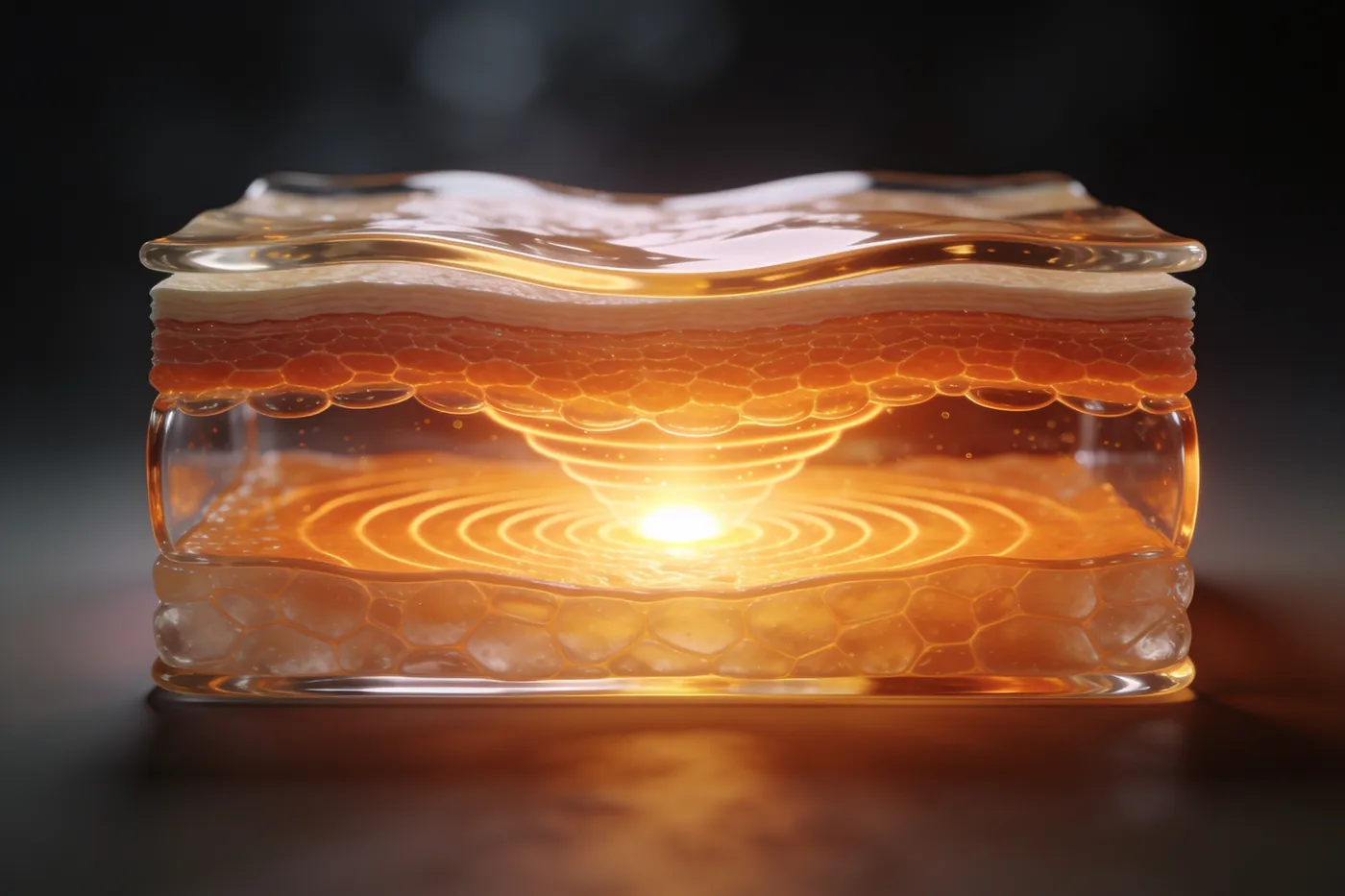
Laser toning treatment Singapore — low fluence 1064nm Nd:YAG, Dr Sin Yong
Laser Toning Singapore · 1064 nm Nd:YAG · Uneven Tone · Pigment · Dr Sin Yong

Laser Toning Singapore — a Protocol, Not a Machine

Dr Sin Yong · MBBS (NUS) · MRCS (Edin) · MSc Aesthetic Medicine (London) · MSc Practical Dermatology (Cardiff) · International KOL

Laser toning is low-fluence 1064 nm energy delivered in gentle, repeated passes — designed to nudge pigment and tone rather than blast them. Done well, it is conservative by definition. Done aggressively, it stops being toning. The honest version starts with a diagnosis of what is actually causing your uneven tone.

1064 nm
Nd:YAG Wavelength
Low Fluence
Sub-Ablative Energy
Deep Reach
Dermal Penetration
Diagnosis
Before the Device
The Problem

Uneven Tone Has More Than One Cause

Dull, patchy, uneven tone can come from sun-induced pigment, post-inflammatory marks left by old acne, melasma, fine redness, or simple dehydrated texture that scatters light. These look similar in the mirror and behave completely differently under a laser — which is why “toning” sold as a one-size answer disappoints so often.

The Approach

Conservative by Design

At 1064 nm and low fluence, energy reaches dermal pigment while the surface stays intact — no open wounds, and recovery that fits a working week for most people. The trade is honesty: change is gradual and staged. Anyone promising dramatic single-visit tone correction is describing a different, riskier treatment.

Mechanism

How Laser Toning Works

The 1064 nm wavelength penetrates deeper than most pigment lasers and is only modestly absorbed by epidermal melanin — the property that makes it workable across Singapore’s Fitzpatrick III to V skin. Delivered at low fluence in multiple gentle passes, it fragments dermal pigment gradually and stimulates a mild collagen response, evening tone over a staged series.

In melasma, this conservatism is not optional. Melasma is heat-sensitive: high energy triggers rebound pigmentation — the familiar story of pigment that got worse after laser. Toning protocols for melasma stay deliberately gentle and sit inside a broader plan of sun protection and topical management — see the dedicated melasma page for that condition in full.

What Laser Toning Addresses

Uneven, Patchy Tone

Diffuse sun-driven pigment and the general unevenness that make-up is hiding. Toning works gradually across the whole canvas rather than spot-by-spot.

Post-Inflammatory Marks

The brown marks acne leaves behind (PIH). These are inflammation-driven and often respond to staged low-fluence work — provided the acne itself is controlled first.

Melasma — Conservatively

Managed, never “removed”. Low-fluence settings within a melasma protocol, alongside strict sun protection. Aggressive settings are declined on principle.

Dull, Tired-Looking Skin

Where tone rather than texture is the driver. If dehydration or collagen loss is the real cause, skin boosters may matter more than any laser.

Pore-Shadow & Fine Redness

The mild collagen response can soften pore shadowing; prominent redness has its own dedicated options and is diagnosed separately.

What It Does Not Do

Deep discrete spots, tattoos and textured scarring want different tools — pico laser and resurfacing exist for a reason. You will be pointed to the right one.

“Melasma is managed, not removed. Anyone promising removal is describing a different condition.”Dr Sin Yong

Key Facts

Laser Toning Singapore — the Mechanism in Numbers

Wavelength
1064 nm Nd:YAG
Fluence
Deliberately low — sub-ablative, surface kept intact
Pulse domain
Nanoseconds (Q-switched)
Penetration
Deeper dermal reach than shorter pigment wavelengths
Epidermal uptake
Modest melanin absorption at 1064 nm — workable in Fitzpatrick III–V
Melasma rule
Heat-sensitive pigment; aggressive fluence risks rebound

Reference: Polnikorn N. Treatment of refractory dermal melasma with the MedLite C6 Q-switched Nd:YAG laser: two case reports. Journal of Cosmetic and Laser Therapy. 2008;10(3):167-173.

The Laser Toning Process

01
Pigment Diagnosis

Wood’s-lamp-style examination and history separate sun pigment, PIH, melasma and redness. The diagnosis — not the request — sets the protocol.

02
Protocol Setting

Fluence, passes and intervals are set conservatively for your skin type and diagnosis, with melasma given its own gentler rules.

03
Treatment

Comfortable, surface-intact sessions; warmth and light snapping sensations are typical. No open wounds by design.

04
Sun Protection & Review

Pigment work is won or lost in daylight. Sunscreen habits are set up properly and response reviewed, with settings adjusted rather than escalated by default.

Frequently Asked Questions — Laser Toning Singapore

A protocol: low-fluence 1064 nm Nd:YAG passes repeated over a staged series to gradually even tone and fragment dermal pigment, keeping the skin surface intact. It is defined by restraint — the opposite of maximum-energy treatment.

Only in its conservative form, inside a proper melasma plan. Melasma is heat-sensitive, and aggressive energy is a common cause of rebound pigmentation. If you have melasma, that diagnosis leads the plan — not the toning menu.

Pico lasers deliver ultra-short pulses that shatter pigment mechanically with less heat; toning uses longer nanosecond-domain pulses at low energy. They overlap on some concerns and differ on others — the choice is diagnostic, and some plans use both at different stages.

Usually rebound: too much heat in heat-sensitive pigment, most often undiagnosed melasma. The answer is to stop, reassess the diagnosis, and restart conservatively — not to add more energy.

Toning is cumulative by design; expecting a transformation from one gentle session misunderstands the mechanism. The realistic staging for your skin is set out at consultation.

The 1064 nm wavelength is one of the more appropriate choices for deeper skin tones because epidermal melanin absorbs it only modestly. Settings are still individualised — safe is a protocol, not a wavelength alone.

Laser Toning Consultation — Dr Sin Yong

Start with a message, not an appointment. Describe your concern on WhatsApp and you will get a straightforward reply about whether an assessment makes sense, before you commit to coming in.

WhatsApp +65 8023 7170

This page is general information, not a diagnosis. Suitability for any treatment is decided at an in-person medical assessment.

Skin & Lasers

Related Treatments

Follow Dr Sin Yong
InstagramTikTokYouTubeThreadsXLinkedInFacebook