What does perioral dermatitis look like?
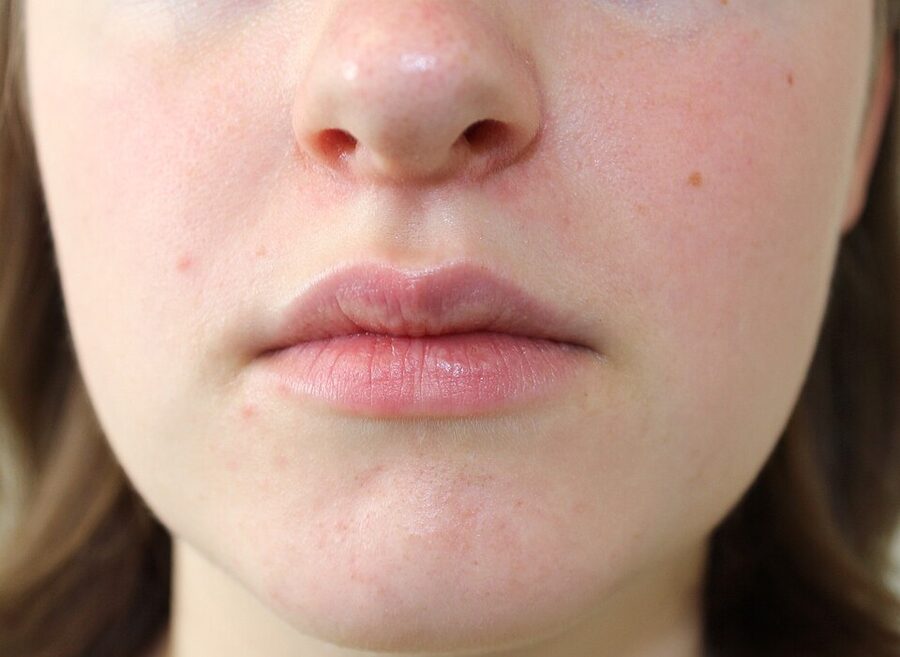
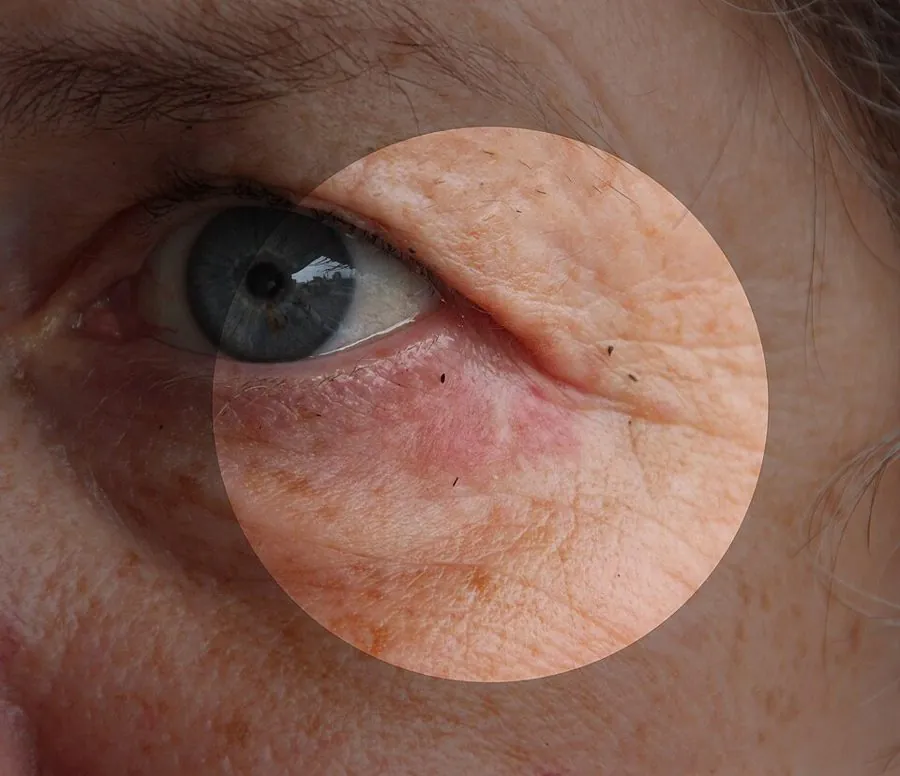
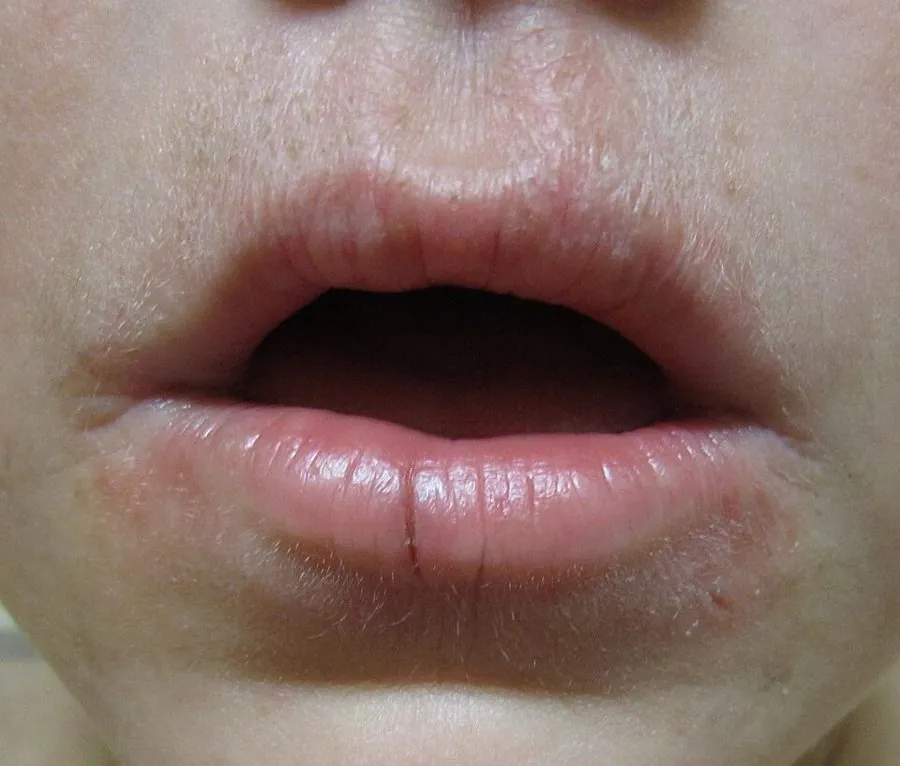
What it is and why it starts
Perioral dermatitis (more precisely, periorificial dermatitis) sits clinically between rosacea, eczema and acne, and reviews still describe its exact cause as multifactorial — a disturbed skin barrier, follicular flora and external triggers acting together [1,2]. What is firmly established is what sustains it: topical corticosteroid use precedes a large share of cases. A steroid cream borrowed for an itch calms the area, the rash rebounds on stopping, the cream goes back on — and the cycle can run for months. Cosmetic layering does its own damage: studies cited in the literature associate heavy, occlusive moisturiser routines with substantially higher risk [2].
Why does the steroid cream keep making it worse?
The cruelty of this condition is that the thing that soothes it is the thing that drives it. Each steroid application suppresses inflammation for a few days; each withdrawal rebounds harder. Escaping requires accepting a temporary flare — the literature calls the first step “zero therapy”: stop the steroid, stop the occlusive products, simplify to almost nothing [1,2]. Patients who understand the rebound in advance get through it; patients who don't go back to the cream at day four and reset the clock.
What actually works for perioral dermatitis?
After steroid withdrawal, evidence supports topical anti-inflammatory and antimicrobial agents, with oral tetracycline-class medication for stubborn or extensive disease — physician-supervised, since courses run weeks [1,2]. Routine simplification is not a footnote; it is half the treatment. Where redness and barrier damage persist after the eruption clears, calming laser protocols such as laser toning or the R2 Glow can be considered — after diagnosis, never instead of it. If what you actually have is adult acne or rosacea, the plan differs, which is why Dr Sin Yong examines before treating.
What doesn't work for perioral dermatitis?
Stronger steroids — the accelerant, not the cure. Scrubs and acids on inflamed, barrier-broken skin. Stacking new products to “fix” each flare — the condition feeds on layering. And waiting it out while still using the trigger: perioral dermatitis rarely resolves while the steroid or the ten-step routine continues.
“Perioral dermatitis is the rash the treatment maintains — the steroid that calms it this week is the reason it is still here this year.”
— Dr Sin Yong
Dr Sin Yong’s Viewpoint
Perioral dermatitis is the rash the treatment maintains, and my hardest job is convincing patients to stop the steroid that 'works'. It works for four days; it is also why the rash is still here after a year. Get through the withdrawal with support, simplify radically, and this condition ends.
Prefer Not to Use WhatsApp?
Use the short enquiry form instead →
Leave your name, mobile number and email and the clinic will contact you directly. No obligation.
Prefer a preliminary view first? You can also WhatsApp a photo of the area for Dr Sin Yong to review before you decide on a visit.