Conditions · Body · Veins & Vessels

Varicose & Spider Veins on the Legs

Leg veins fail on a spectrum: fine surface spider veins, blue reticular veins beneath them, and true varicose veins — rope-like, bulging vessels whose one-way valves have failed. The honest first fact: these are stages of one circulatory condition, not separate cosmetic quirks — and the bulging end of the spectrum belongs with a vascular specialist before anyone treats the surface.

WhatsApp Dr Sin Yong →
The Doctor Other Doctors Train With
International KOL & trainer for 14+ device brandsTrained 500+ doctors across AsiaMBBS (NUS) · MRCS (Edinburgh) · Dual UK Masters with DistinctionEvery assessment personally by Dr Sin Yong

Key Facts

The spectrum
Spider veins (telangiectasias) → reticular veins → varicose veins → skin changes — the standard CEAP staging of chronic venous disease
The mechanism
Failed one-way valves let blood reflux downward and pool, dilating the vessels below
Risk factors
Family history leads; pregnancy, prolonged standing, age and weight add load
Symptoms that matter
Aching, heaviness, night cramps, swelling by evening — a symptomatic leg is a medical leg
Who treats what
Truncal reflux and bulging varicosities: vascular specialist; isolated surface vessels: sclerotherapy/laser territory
The sequencing rule
Treating surface veins while deep reflux feeds them is repainting over a leak
Who assesses this
Depends on stage — bulging or symptomatic veins go to a vascular specialist
Typical first step
Sorting cosmetic surface vessels from reflux that needs an ultrasound

What do varicose and spider veins look like?
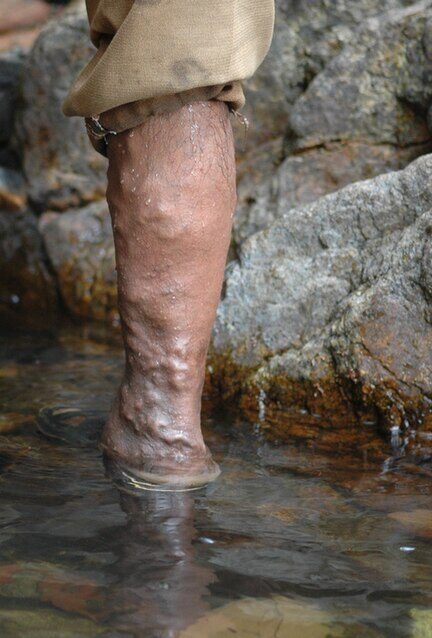

Severe varicose veins: rope-like, tortuous vessels of the calf
Severe varicose veins: rope-like, tortuous vessels of the calf. Image: Jackerhack at English Wikipedia, via Wikimedia Commons (CC BY-SA 2.5).

Are spider veins and varicose veins the same condition?

The internationally standard CEAP classification grades chronic venous disease from visible telangiectasias (C1) through varicose veins (C2) to swelling and skin changes at the advanced end [1,2]. The engine is valvular reflux: leg veins return blood uphill through one-way valves, and when valves fail, blood pools and pressure dilates everything downstream. Spider veins are often the visible smoke of that deeper story — which is why an assessment asks about heaviness, aching and swelling, and why bulging veins earn a duplex ultrasound before any cosmetic conversation.

When the right door is a vascular surgeon

This page is deliberately honest about scope. Rope-like bulging varicosities, symptomatic legs, swelling, skin darkening at the ankles or a history of clots point to truncal reflux — the territory of a vascular specialist, where duplex-guided interventions treat the failing vein itself [1]. Dr Sin Yong will say so at assessment and refer accordingly rather than sell surface treatment over a refluxing system. Treating the visible vessels while the pressure source runs untreated delivers the classic disappointment: cleared vessels that refill within months.

Where aesthetic treatment fits

Isolated spider and small reticular veins on legs without significant reflux are the legitimate cosmetic tier — addressed with sclerotherapy (the long-standing standard for leg telangiectasias) and vascular laser in selected fine vessels [2]. Expectations are part of the treatment: leg vessels respond more slowly than facial ones, sessions are staged, and new vessels can appear over the years in predisposed legs — maintenance honesty applies. Compression, movement breaks on standing days and weight management support every tier of the spectrum, treated or not.

What doesn't work for leg veins?

Creams for varicose veins — no topical rebuilds a failed valve. Essential-oil massage — pressure on a refluxing vein changes nothing structural. Supplements marketed at 'vein health' — evidence stops well short of the claims. Crossing-your-legs folklore — posture does not cause valve failure; genetics loads that gun. And ignoring a symptomatic leg because the veins are 'just cosmetic' — aching, swelling and skin changes are the disease announcing progression, and that announcement deserves an ultrasound.

“Spider veins are often the smoke, not the fire — treat the surface while the valve below refluxes and the vessels simply refill.”

— Dr Sin Yong

Dr Sin Yong’s Viewpoint

Not every vein on this page belongs in my clinic, and I say that early. Bulging, aching, symptomatic legs need a vascular surgeon and an ultrasound — treating the surface over untreated reflux just refills. The cosmetic tier is real and satisfying; my job is sorting which tier your legs are on and routing you honestly.

Prefer Not to Use WhatsApp?

Leave your name and mobile number and the clinic will contact you directly. No obligation.

Your details are delivered directly to Dr Sin Yong's clinic team.

Thank you — your enquiry has been received. The clinic will contact you during opening hours (Mon–Sat, 10.30am–8pm).

Prefer a preliminary view first? You can also WhatsApp a photo of the area for Dr Sin Yong to review before you decide on a visit.

Questions Patients Actually Ask

Are spider veins dangerous?+

Isolated spider veins are usually cosmetic. Their significance is as a possible marker of deeper reflux — which is why symptomatic or extensive cases get assessed, sometimes with ultrasound, before treatment.

How do I know if I need a vascular surgeon?+

Bulging rope-like veins, aching or heavy legs, evening swelling, ankle skin darkening or a clot history — any of these moves you from cosmetic territory to a vascular workup. An honest assessment routes you correctly.

Does sclerotherapy work?+

It remains the standard for leg spider and reticular veins — staged sessions, gradual fading over weeks, with compression aftercare. Fine facial-type vessels sometimes suit laser instead.

Will treated veins come back?+

Properly closed vessels are resorbed. Predisposed legs can grow new vessels over the years — and untreated underlying reflux accelerates that, which is why sequencing matters.

Did pregnancy cause my veins?+

Pregnancy is a classic accelerant — blood volume, hormones and pelvic pressure all load the leg veins. Some pregnancy veins regress postpartum; those persisting past several months tend to stay.

Can exercise fix varicose veins?+

Movement helps symptoms and slows progression — the calf muscle is the leg's second heart — but no exercise repairs a failed valve. Think management, not reversal.

References

  1. The 2020 Update of the CEAP Classification System and Reporting Standards — Journal of Vascular Surgery: Venous and Lymphatic Disorders.
  2. CEAP Classification of Venous Disorders — StatPearls, NCBI Bookshelf.
Follow Dr Sin Yong
InstagramTikTokYouTubeThreadsXLinkedInFacebook
Dr Sin Yong · Every assessment personally performed
WhatsApp Enquiry