Medically reviewed by Dr Sin Yong · Last reviewed · 6 min read
Published 6 October 2026 · Reviewed by Dr Sin Yong
Hyaluronidase is an enzyme that breaks down hyaluronic acid. In aesthetic medicine it is a prescription medicine, given by injection, used to dissolve hyaluronic acid filler: in a planned way to correct overfilling, migration or lumps, and urgently when a vascular occlusion from HA filler is suspected. It acts on hyaluronic acid only. It does not dissolve calcium hydroxylapatite (Radiesse), polycaprolactone (Ellansé) or poly-L-lactic acid (Sculptra), and it also acts on the hyaluronic acid naturally present in tissue.
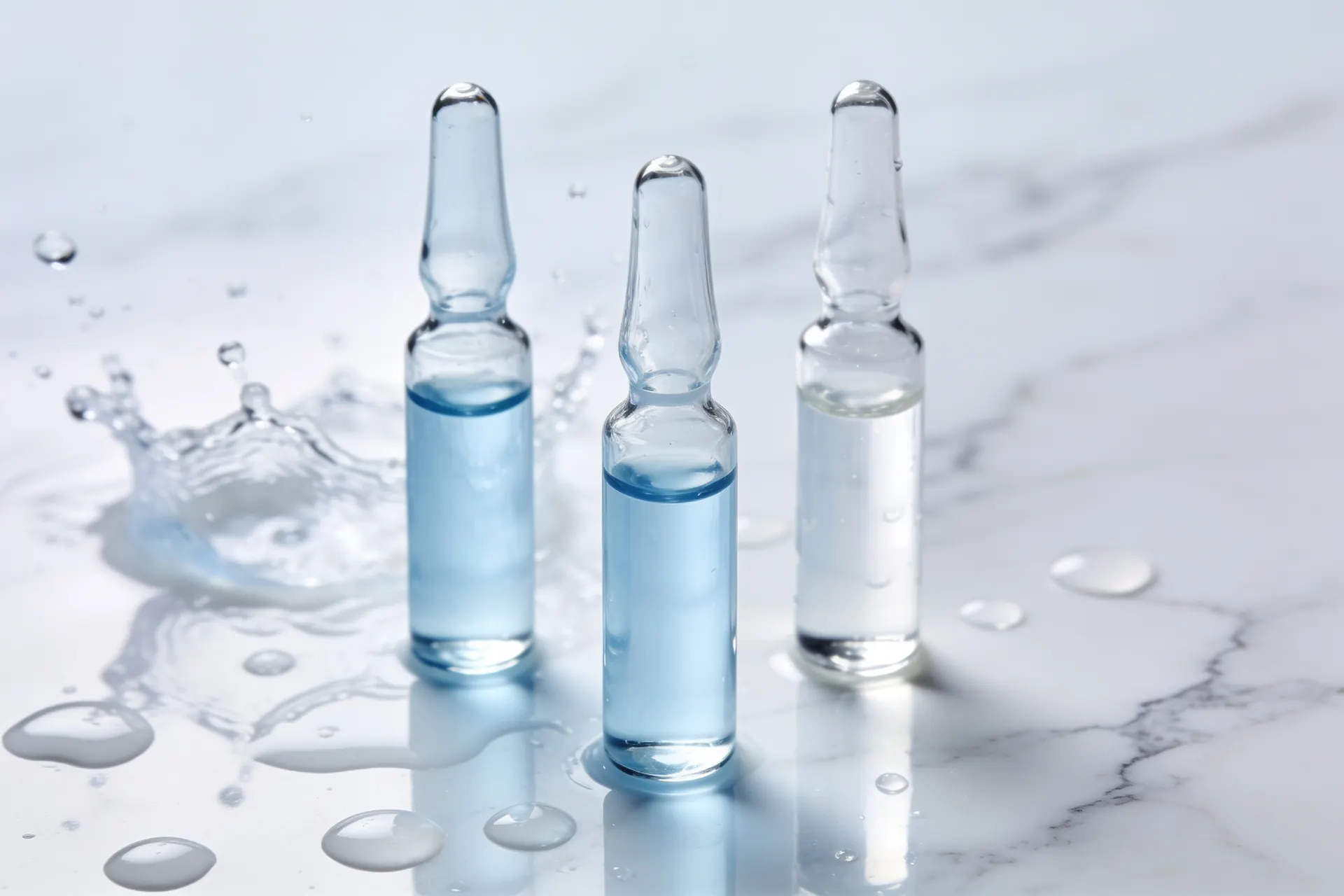
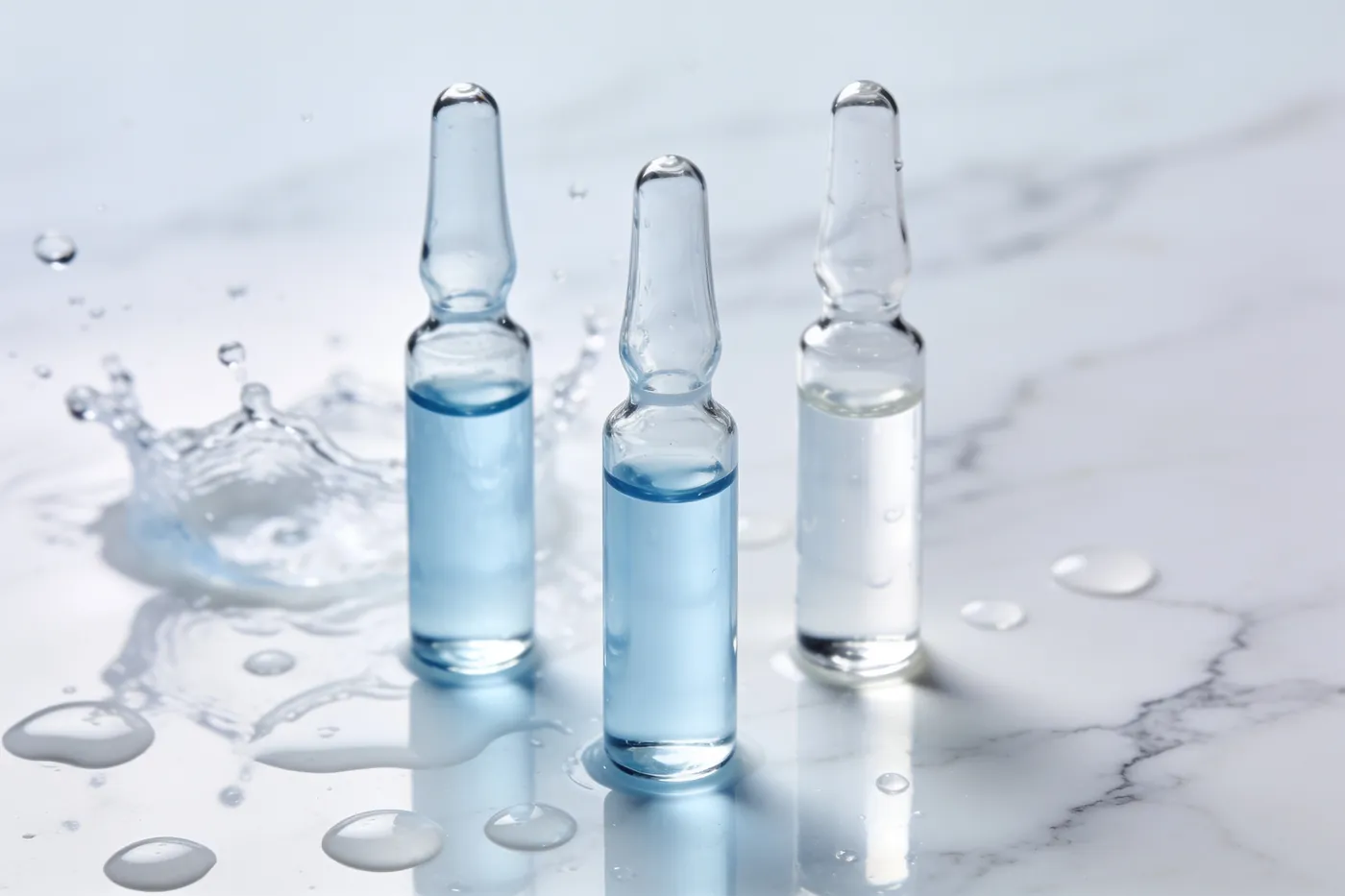
Illustrative image. Hyaluronidase is a prescription medicine given by injection after examination.
Key facts
What it is
An enzyme that cleaves the bonds within hyaluronic acid, breaking the gel into fragments the body clears
Acts on
Hyaluronic acid filler only; it also acts on the body's own hyaluronic acid
Planned use
Overfilling, migration, lumps and the Tyndall effect, often after ultrasound mapping and in stages
Urgent use
Suspected vascular occlusion after hyaluronic acid filler, treated as an emergency
Does not dissolve
Calcium hydroxylapatite, polycaprolactone, poly-L-lactic acid, fat or the patient's own tissue
What hyaluronidase is, and how it works
Hyaluronidase is an enzyme that cleaves the chemical bonds within hyaluronic acid, breaking the cross-linked filler gel into fragments that the body clears through its normal metabolic pathways. It begins working within minutes of placement, and the visible change settles over the following days. It is the reason hyaluronic acid fillers are described as reversible, and that reversibility is one of the strongest arguments for choosing HA in areas such as the tear trough and lips.
It is a prescription medicine, given by injection by a doctor. Two properties shape how it is used. Different HA fillers are cross-linked differently and resist the enzyme to different degrees, so the response to a given dose is assessed rather than assumed. And it does not distinguish injected product from the hyaluronic acid naturally present in tissue, which is why dose and placement are planned from an examination rather than applied by formula.
How hyaluronidase is used in aesthetic medicine
Its planned use is correction: filler that looks heavy or puffy, product that has migrated beyond the area it was placed in, a lump, or the bluish Tyndall tint of hyaluronic acid sitting too superficially under thin skin. Where useful, ultrasound shows where the product sits and at what depth, so the enzyme is directed at the misplaced portion rather than at the whole area. Dissolving is staged conservatively, reassessing between rounds, and published guidance advises waiting a minimum of two weeks after dissolving before any filler is placed again. This is the work described on the filler correction page.
Its urgent use is different in kind. If filler enters or compresses an artery, the skin it supplies loses its blood flow, and published guidelines describe high-dose hyaluronidase as the treatment when an HA vascular event is suspected. It is kept to hand wherever hyaluronic acid filler is injected, and this is one reason to know which product was used; the complication care page explains the warning signs.
“Hyaluronidase dissolves hyaluronic acid and nothing else. If someone offers to dissolve Ellanse or Sculptra, they are describing something that does not happen.”
Dr Sin YongOn what hyaluronidase can and cannot reverse
What hyaluronidase is often confused with
The commonest misunderstanding is that it is a universal undo button for filler. It is not. Hyaluronidase dissolves hyaluronic acid and nothing else: calcium hydroxylapatite, polycaprolactone and poly-L-lactic acid are not enzymatically reversible, and a clinic offering to dissolve Ellansé or Sculptra is describing something that does not happen. Concerns after those products are assessed and managed as the material resorbs, as set out in the comparison of Sculptra, Ellansé and HA filler.
It is also not a fat-dissolving injection, and it does not remove the patient's own tissue. Hyaluronidase can leave an area looking flatter than expected only because the filler was masking genuine volume loss or because it has acted on native hyaluronic acid, which recovers; it does not take away fat or skin.
When hyaluronidase is not the answer
It is not the answer when the fullness is not hyaluronic acid filler. Swelling in the first weeks after injection, fluid retention, weight change and the patient's own tissue can all read as too much filler, and dissolving cannot fix what is not product; recently injected filler often looks worse than it will settle to, so waiting can be the correct decision. Nor is it the answer for non-HA material, or for well-placed product next to a misplaced deposit, where stripping everything leaves a worse starting point.
As a medicine it has its own considerations. A known allergy to hyaluronidase, or a history of significant reactions to bee or wasp stings, raises the risk of an allergic reaction and is asked about beforehand; elective dissolving is usually deferred in pregnancy and breastfeeding and settled first if there is infection or inflamed skin over the area. Swelling, redness, tenderness and bruising at the injection points are common and settle; itching or local swelling can signal an allergic response, which is why patients are observed afterwards. A suspected vascular occlusion is the exception to all of this and is treated as an emergency.
Frequently Asked Questions
It is an enzyme that breaks down hyaluronic acid, so it dissolves hyaluronic acid filler. It is used in a planned way to correct overfilling, migration or lumps, and urgently when filler is suspected of blocking a blood vessel. It is a prescription medicine given by injection.
No. Hyaluronidase acts on hyaluronic acid only. Polycaprolactone (Ellansé), poly-L-lactic acid (Sculptra) and calcium hydroxylapatite (Radiesse) are not enzymatically reversible; lumps or excess after those products are assessed, often with ultrasound, and managed case by case as the material resorbs.
Dissolving removes filler, not your own tissue. If the filler was masking a real volume change, the face underneath will show it, which is why dissolving is staged conservatively and the area is mapped first. The enzyme also acts on native hyaluronic acid, which recovers.
It can be. If hyaluronic acid filler enters or compresses an artery, published guidelines describe high-dose hyaluronidase as the treatment, given the same day. Skin that blanches or turns dusky, worsening pain, or any change in vision after filler needs same-day medical assessment.
This month's guideline: The Use of Hyaluronidase in Aesthetic Practice (v2.4). Journal of Clinical and Aesthetic Dermatology (PubMed), 2018. source
Guideline for the Safe Use of Hyaluronidase in Aesthetic Medicine, Including Modified High-dose Protocol. Journal of Clinical and Aesthetic Dermatology (PubMed), 2021. source