Conditions · Skin A–Z · Ingredients

Cysteamine

A naturally occurring aminothiol used in short-contact creams to reduce excess pigment, mainly in melasma.

WhatsApp Dr Sin Yong →
Invited by Device Makers to Share His Expertise
International KOL for 14+ device brandsShared his clinical expertise with 500+ doctors across AsiaMBBS (NUS) · MRCS (Edinburgh) · Dual UK Masters with DistinctionEvery assessment personally by Dr Sin Yong

Key Facts

What it is
A naturally occurring aminothiol used in short-contact creams to reduce excess pigment, mainly in melasma.
Also called
Cysteamine hydrochloride; mercaptamine
Pairs with
Sunscreen with visible-light protection, gentle moisturiser, tranexamic acid, niacinamide
Who should take care
Cysteamine commonly causes redness, burning, dryness and itching, especially in the first weeks, so people with very sensitive skin, eczema or a damaged skin barrier may not tolerate it.
In Singapore
Topical cysteamine creams are marketed in several countries as cosmetic products, and availability in Singapore depends on the specific brand and how it has been notified.

What is cysteamine and what does it do?

Cysteamine is a small sulphur-containing molecule produced in the body during the breakdown of the amino acid cysteine. In skin, it interferes with melanin production at several steps, including tyrosinase and peroxidase activity, and shifts pigment synthesis away from dark eumelanin. Topical cysteamine creams are usually applied for a short contact time, often 15 minutes to a few hours, then washed off, because longer contact increases irritation. It is used mainly for melasma and other stubborn epidermal pigmentation, often as an alternative or follow-on to hydroquinone. It has a noticeable odour, which some users find off-putting. [1]
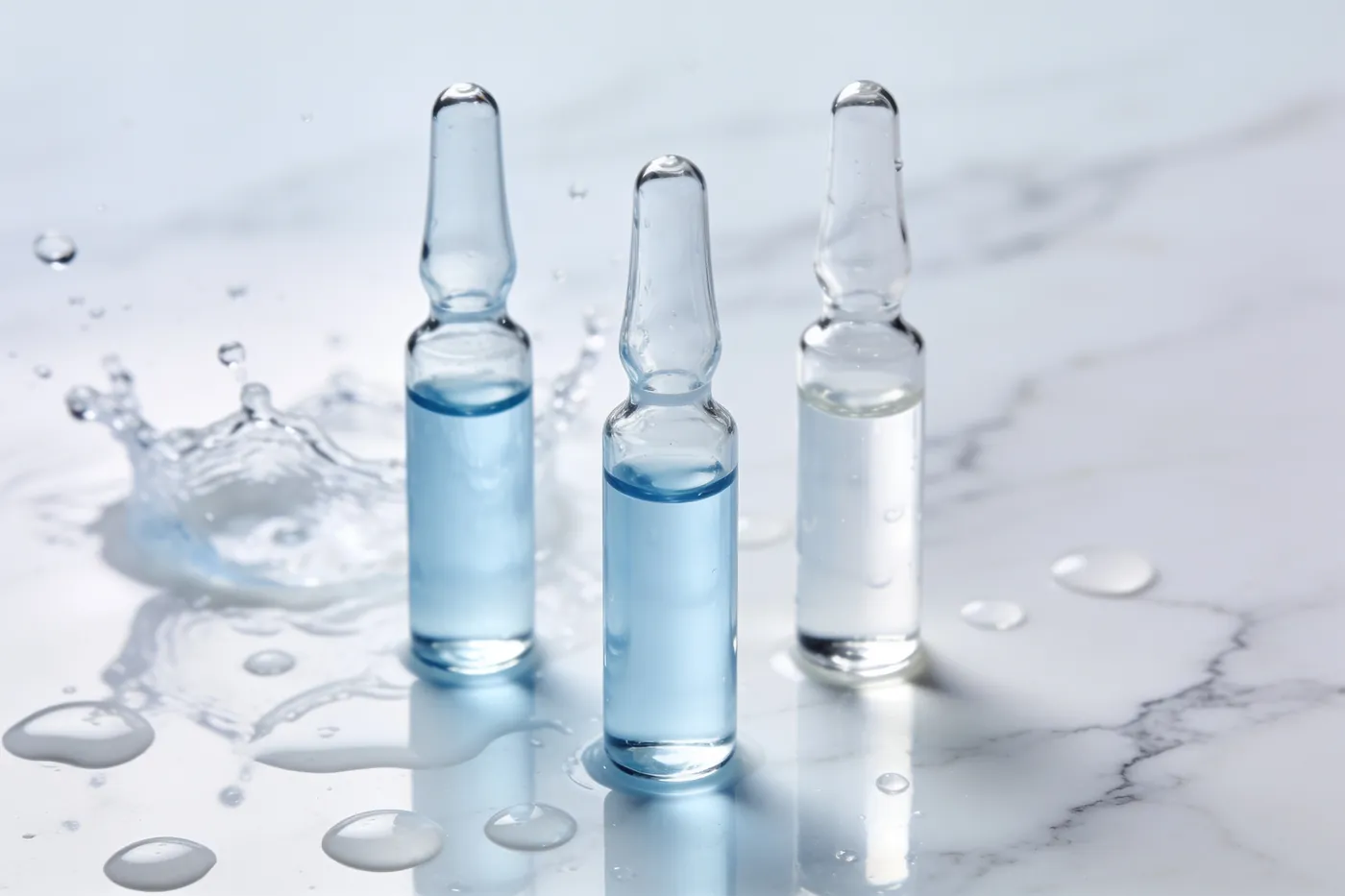
Three small glass ampoules of clear and pale-blue solution standing on white marble

What does the evidence show?

Randomised controlled trials, mostly small and of short duration, show 5% cysteamine cream reduces melasma severity compared with placebo. Systematic reviews and meta-analyses suggest it performs better than vehicle and broadly comparably to some hydroquinone-based regimens, but the studies are heterogeneous and several have small samples. Long-term data on relapse and maintenance are limited, so it is better seen as one evidence-supported option within a wider melasma plan.

Who should avoid cysteamine?

Cysteamine commonly causes redness, burning, dryness and itching, especially in the first weeks, so people with very sensitive skin, eczema or a damaged skin barrier may not tolerate it. It should not be applied to broken skin. Use in pregnancy and breastfeeding has not been well studied and should be discussed with a doctor first.

Is cysteamine available in Singapore?

Topical cysteamine creams are marketed in several countries as cosmetic products, and availability in Singapore depends on the specific brand and how it has been notified. Oral cysteamine is a separate prescription medicine for a rare metabolic condition. It depends on the product, so check with a doctor or pharmacist before buying online.

If a dark patch, breakout or irritation is not responding to what you are using, the next step is a diagnosis rather than another product. See the Skin A–Z library for related ingredients.

Prefer Not to Use WhatsApp?

Leave your name, mobile number and email and the clinic will contact you directly. No obligation.

Your details are delivered directly to Dr Sin Yong's clinic team.

Thank you — your enquiry has been received. The clinic will contact you during opening hours (Mon–Fri 10am–8pm, Sat 11am–3pm).

Prefer a preliminary view first? You can also WhatsApp a photo of the area for Dr Sin Yong to review before you decide on a visit.

Questions Patients Actually Ask

What is Cysteamine used for?+

A naturally occurring aminothiol used in short-contact creams to reduce excess pigment, mainly in melasma.

Who should avoid Cysteamine?+

Cysteamine commonly causes redness, burning, dryness and itching, especially in the first weeks, so people with very sensitive skin, eczema or a damaged skin barrier may not tolerate it. It should not be applied to broken skin. Use in pregnancy and breastfeeding has not been well studied and should be discussed with a doctor first.

Can Cysteamine be combined with other skincare?+

It is commonly paired with Sunscreen with visible-light protection, gentle moisturiser, tranexamic acid, niacinamide; introduce one new active at a time and stop if irritation develops.

References

  1. Is cysteamine use effective in the treatment of melasma? A systematic review and meta-analysis — Dermatologic Therapy, 2022.
  2. Efficacy and safety of cysteamine 5% cream for the management of melasma: a systematic review and meta-analysis of randomized controlled trials — Archives of Dermatological Research, 2024.
  3. Melasma (facial pigmentation) — DermNet.

Medically reviewed by Dr Sin Yong, MBBS (NUS), MRCS (Edinburgh) · Last updated 7 September 2026

Follow Dr Sin Yong
InstagramTikTokYouTubeThreadsXLinkedInFacebook
Dr Sin Yong · Every assessment personally performed
WhatsApp Enquiry