Fullness under the eye has four possible causes, and eye bag treatment in Singapore explains how each is told apart and treated.
How PN and PDRN differ, and what topical serums can and cannot do, is set out in the polynucleotide treatment guide.
Published 20 October 2026 · Reviewed by Dr Sin Yong
Rejuran I, often searched as Rejuran eye, is the low-viscosity polynucleotide preparation in the Rejuran range, formulated for the thin skin around the eyes. It is placed in the dermis under the eye to support skin repair where the skin has become crepey, finely lined or thin. It is not a filler: it does not fill a tear trough hollow, treat eye bags or remove pigment. The cause comes first.
The thinner preparation of the same salmon-DNA polynucleotide used in Rejuran Healer, made by PharmaResearch and registered with Singapore's HSA as an injectable medical device.
Directed at
Skin quality under the eye; crepey texture, fine lines at rest and thin skin through which vessels show.
Not for hollows
A hollow along the tear trough is a structural shadow and needs soft hyaluronic acid on the bone, not a polynucleotide; eye bags are herniated fat and are assessed separately.
Bruising
More likely around the eyes than elsewhere on the face because the skin is thin and the vessels superficial.
Assessment
Dr Sin Yong examines the under-eye under stretch and light, and images earlier filler with ultrasound, before deciding whether skin or structure is the problem.
Rejuran I (Rejuran eye) answers a skin question under the eye, not a structural one. Where the under-eye skin is crepey, finely lined or thin enough for vessels to show, a polynucleotide placed in the dermis may suit; where there is a hollow, soft hyaluronic acid on the bone is the tool, and eye bags are assessed separately. Bruising is likelier here than elsewhere on the face.
What is Rejuran I, and why is it different from Rejuran Healer?
Rejuran I is the periorbital preparation in the Rejuran range. The material is the same polynucleotide, long chains of nucleotides purified from salmon DNA, filtered and sterilised so that what is injected is the polymer and not genetic information. What differs is viscosity. The lower-eyelid skin is among the thinnest on the body, and a mid-viscosity gel placed there sits visibly for longer and is more likely to leave a lump; Rejuran I is formulated thinner so that it spreads in that fragile dermis.
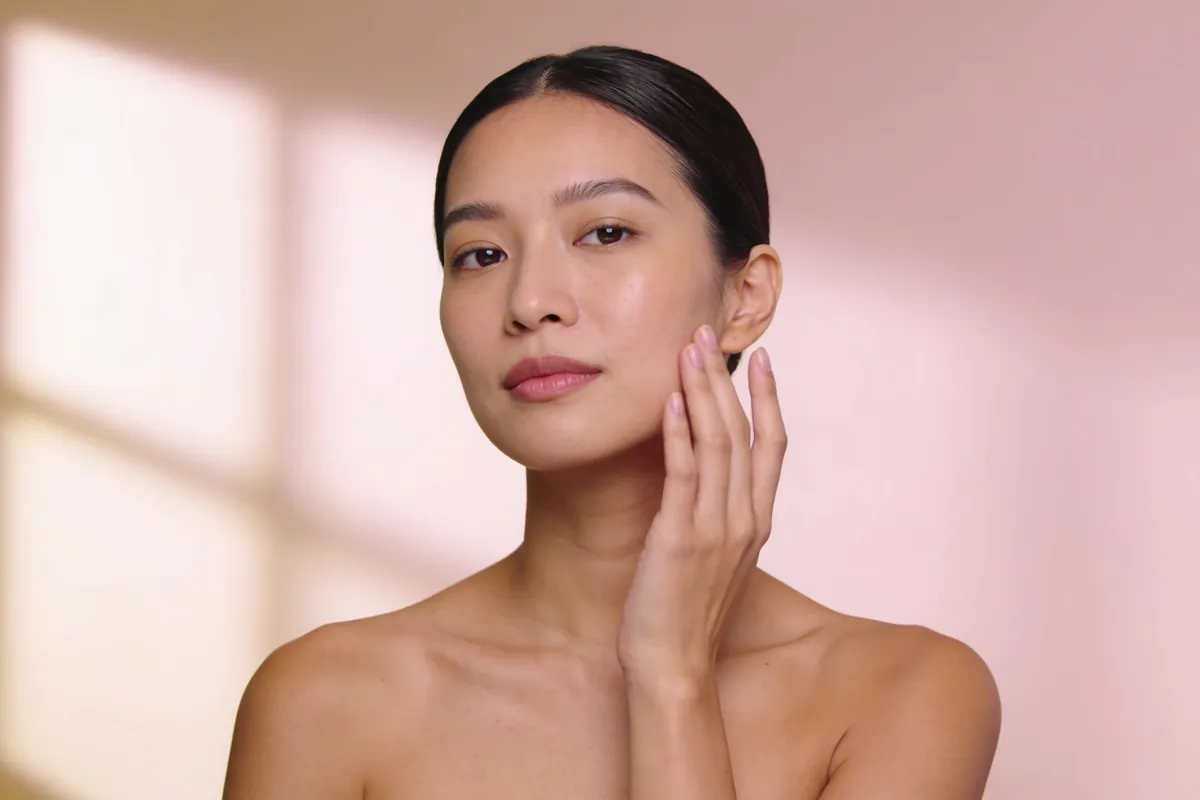
Illustrative image — not a patient.
The intention is the same as for Rejuran Healer on the rest of the face: a signal to the dermis to repair rather than a material that holds a shape. Polynucleotides influence fibroblast activity and matrix turnover and signal through adenosine A2A receptor pathways; recent prospective work on periorbital lines describes gradual change in fine lines and skin texture over the months after injection, and a 2026 review comparing hyaluronic acid fillers with polynucleotides for the under-eye frames them as answers to different problems rather than rivals.
Rejuran I vs tear trough filler: which under-eye problem does each address?
The under-eye is where the most money is wasted on the wrong treatment, because four different problems look alike in the mirror. Rejuran I addresses one of them.
Finding
What it is
Rejuran I
Tear trough filler
What helps
Crepey, finely lined, thin skin
A dermal-quality problem; worse with age and sun
Yes: this is what it is for
No: filler under crepey skin makes the creping more visible
Polynucleotide, skin-directed energy, retinoids and sun protection
Hollow with a shadow along the rim
A structural tear trough: loss of support between lid and cheek
No: adds no volume
Yes, where the hollow is real and the skin can cover it
No; can worsen the look by stretching pigmented skin
Sun protection, lightening topicals, cautious pigment laser
Blue-violet colour
Vessels showing through thin skin
Indirectly, by supporting the skin over the vessels
Sometimes, if a hollow is also present
Skin-quality approaches; the cause is confirmed first
A bulge below the lid
Eye bag: herniated orbital fat, or fluid (malar oedema)
No
No; filler beside a bag can enlarge the look of it
Assessed separately; may be referred for surgery
Tear trough filler is covered in the owner guide to under-eye filler in Singapore, and the three types of dark circle, with the stretch test and light test used to tell them apart, on the dark eye circle treatment page. Many under-eyes have two findings at once, and then the plan is two decisions, not one syringe.
“Under the eye I treat the finding, not the request. If the problem is a shadow from a hollow, a polynucleotide will not touch it; if the problem is crepey skin, more filler will make it worse. Telling the two apart is the whole consultation.”
Dr Sin YongOn Rejuran I polynucleotide injection for the under-eye
Who does Rejuran I suit?
The person Rejuran I is planned for has under-eye skin that creases finely when they smile and stays lined at rest, looks crepey in side-light, or has thinned enough that a blue-violet tint shows through, and whose rim is not markedly hollow. It is often the right first step in a younger face with early lines, in a face that has been told it needs filler but has little hollow on examination, and in skin that has already had tear trough filler and now needs the skin over it supported rather than more volume beneath.
Illustrative image — not a patient.
It is not a filler alternative for someone whose complaint is a shadow. And it is not for everyone:
Fish allergy is asked about directly, because the material is fish-derived.
Pregnancy and breastfeeding: treatment is deferred.
Active infection, eczema or dermatitis of the eyelid skin: settled first.
Blood-thinning medication and a bleeding tendency are discussed, since bruising is more likely here.
Anyone with a true bag or a marked hollow is told what will and will not change, and is referred where surgery is the honest answer.
What Rejuran I cannot do for eye bags and hollows
An eye bag is a bulge of orbital fat that has pushed forward past a weakened septum, or sometimes fluid pooled over the cheekbone. A polynucleotide signals the dermis above the bag to repair; it does nothing to the fat behind it, and the bag will look the same once the papules have settled. The causes of eye bags are set out on their own page, and eye bag removal describes when a surgical opinion is the right next step.
A hollow is the opposite problem: missing support between the lid and the cheek, casting a shadow that deepens under overhead light. Rejuran I adds no volume, so a hollow is unchanged by it. Where the hollow is real and the skin is thick enough to cover a small volume, soft hyaluronic acid placed deep on the bone is the treatment, and Dr Sin Yong images any earlier filler with ultrasound before adding any, because the tear trough is the least forgiving area on the face for over-filling. Where filler is already the cause of puffiness, the first step is dissolving, not adding, as explained under tear trough refinement.
What a Rejuran I visit involves
Examination comes first. Dr Sin Yong looks at the under-eye in frontal and overhead light, stretches the skin gently to see whether the colour moves with it, and checks for a bag by asking the person to look up. If filler has been placed before, it is imaged with ultrasound. The decision that follows is whether the problem is skin, structure, pigment or fat, and whether a polynucleotide has a part in it at all.
Topical anaesthetic is applied. The thinner preparation is then placed in the dermis of the lower lid and the upper cheek junction as a series of very small, closely spaced intradermal deposits by fine needle, staying superficial and away from the orbital rim vessels. Each point raises a tiny papule. Because the eyelid skin is thin, the papules and any bruising are more visible here than elsewhere on the face, and a cool compress is applied before leaving. Dr Sin Yong performs the injections personally after in-person assessment; the plan and any intervals are set at review.
Aftercare after Rejuran I
For the first evening, avoid make-up over the treated skin, rubbing the eyes, heat, alcohol and vigorous exercise; sleeping with the head slightly raised limits swelling. The papules flatten as the material is taken up and bruising, if it appears, fades on its own; concealer can be used once the skin is intact. Sun protection is resumed as soon as the skin allows, because the under-eye pigments readily after any inflammation. The general guidance for injected boosters is on the skin booster aftercare page.
Not for waiting: a change in vision or eye pain, call 995 now; pale, dusky or mottled skin, or pain that is getting worse, urgent assessment by the doctor who injected you, or at A&E, now; spreading redness or warmth, or swelling that does not subside, a doctor the same day (A&E if no doctor can see you today); a lump that persists once the papules are gone, have it scanned. Nodules are uncommon but more visible here than elsewhere, which is why the thinner preparation and a superficial, small-volume technique are used.
Your next step
1. MessageWhatsApp +65 8023 7170 with what is bothering you. A reply comes from the clinic, not a bot.
2. AssessmentDr Sin Yong examines you himself on Orchard Road, with ultrasound where earlier filler is involved.
3. A plan in writingWhat he would do, what he would not, the fee factors, and the option of no treatment.
Every treatment is performed by Dr Sin Yong personally. Singapore Medical Council registered · invited to share his clinical expertise internationally for CLASSYS, DEKA, Fotona, Hironic and Ilooda.
Every eye treatment option on this site, sorted by problem, is gathered on the eyes page.
Frequently Asked Questions
Rejuran eye may suit crepey, finely lined under-eye skin, but the evidence for polynucleotides here is still early. A 2026 review comparing polynucleotides with hyaluronic acid filler under the eye found polynucleotides improved skin-quality measures such as elasticity and fine lines, while filler remained the tool for hollows, and noted that study designs varied. Rejuran I does not treat eye bags or a tear trough hollow.
Rejuran eye injections are usually felt as a series of small pricks with some stinging as the material is placed. Topical anaesthetic is usually applied first, and the skin around the eyes tends to be more sensitive than the cheeks. Comfort is checked during treatment, and bruising is more likely under the eye than elsewhere on the face because the skin is thin.
Rejuran eye is avoided with a fish or salmon allergy, because the polynucleotide is purified from salmon DNA. It is also avoided during pregnancy and breastfeeding, and with active infection or inflammation at the site. Where the main problem is a hollow, eye bags or pigment, another treatment is the right fit, so the under-eye is examined first.
Rejuran I suits under-eye skin that has become crepey, finely lined at rest or thin enough for vessels to show through, where skin quality rather than structure is the problem. It does not fill a tear trough hollow, treat eye bags or remove pigment. Bruising is more likely than elsewhere on the face because the skin is thin, and a fish allergy rules it out. The under-eye is examined under stretch and light first.
No. Tear trough filler is soft hyaluronic acid placed deep on the bone to make a hollow shallower; Rejuran I is a thin polynucleotide placed in the dermis to support crepey, finely lined or thin under-eye skin. One adds volume to a structural shadow, the other sends a repair signal to the skin. Many under-eyes need the finding sorted before either is chosen.
No. An eye bag is herniated orbital fat or pooled fluid, and a polynucleotide signals the skin above it to repair without changing the fat behind it. The causes of eye bags are assessed separately, and where the bag is the main complaint a surgical opinion is discussed rather than an injectable.
It depends on the type. Brown pigment is unchanged by it; a shadow from a hollow is unchanged by it; a blue-violet tint from vessels showing through thin skin may be softened indirectly as the skin over the vessels is supported. Dr Sin Yong identifies which types are present with a stretch test and light test before any treatment is chosen.
Bruising is more likely under the eyes than elsewhere on the face because the skin is thin and the vessels superficial. Small papules at each injection point are expected and settle as the material is taken up. A cool compress, sleeping with the head raised and avoiding rubbing, heat and alcohol for the first evening limit it; concealer can be used once the skin is intact.
Yes, when the examination shows both crepey skin and a true hollow, but they are two separate decisions. Dr Sin Yong images any earlier filler with ultrasound first, and the order and spacing are set at assessment rather than in advance, because adding volume under skin that has not been supported can make the creping more visible.
References
Prospective observational study of polynucleotide injections for periorbital rhytides. Journal of Cosmetic Dermatology (Ziade G, Keyrouz E, El Maalouf J, et al.), 2026. source
Hyaluronic acid fillers versus polynucleotides for under-eye rejuvenation. Journal of Clinical Medicine (Khan RS, Hafeez K), 2026. source
What's new with under eye treatment: a multispecialty systematic review of recent under eye treatments. Dermatologic Surgery (Beer J, Boghosian T, Sherif R, et al.), 2026. source
Polynucleotides in aesthetic medicine: a review of current practices and perceived effectiveness. International Journal of Molecular Sciences (Lee KWA, Chan KWL, Lee A, et al.), 2024. source
About this page: written and medically reviewed by Dr Sin Yong, MBBS (NUS), MRCS (Edinburgh) · Last reviewed 6 November 2026 · Illustrative images only, not patients · Editorial policy