Key facts
- What it is
- An acquired hyperpigmentation disorder with symmetrical, irregularly bordered brown-to-grey patches on sun-exposed facial skin
- Pattern
- Centrofacial, malar or mandibular, as patches rather than discrete spots
- Depth
- Epidermal, dermal or mixed, established at assessment
- Triggers
- Ultraviolet, visible light and heat; hormonal influence from pregnancy and hormonal contraception
- Course
- Chronic and relapsing; managed over time, with photoprotection as the foundation
What melasma is, and why it behaves differently
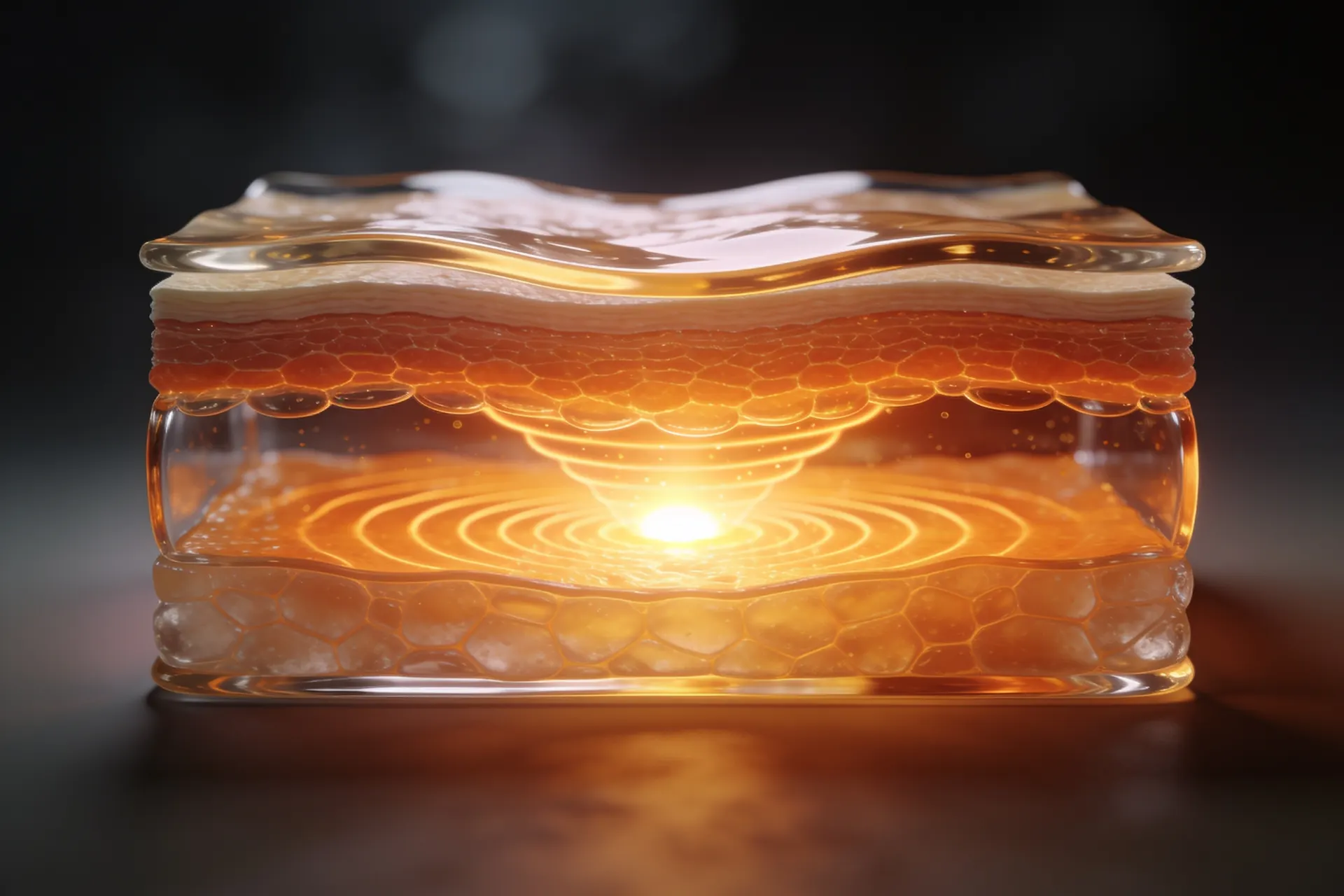
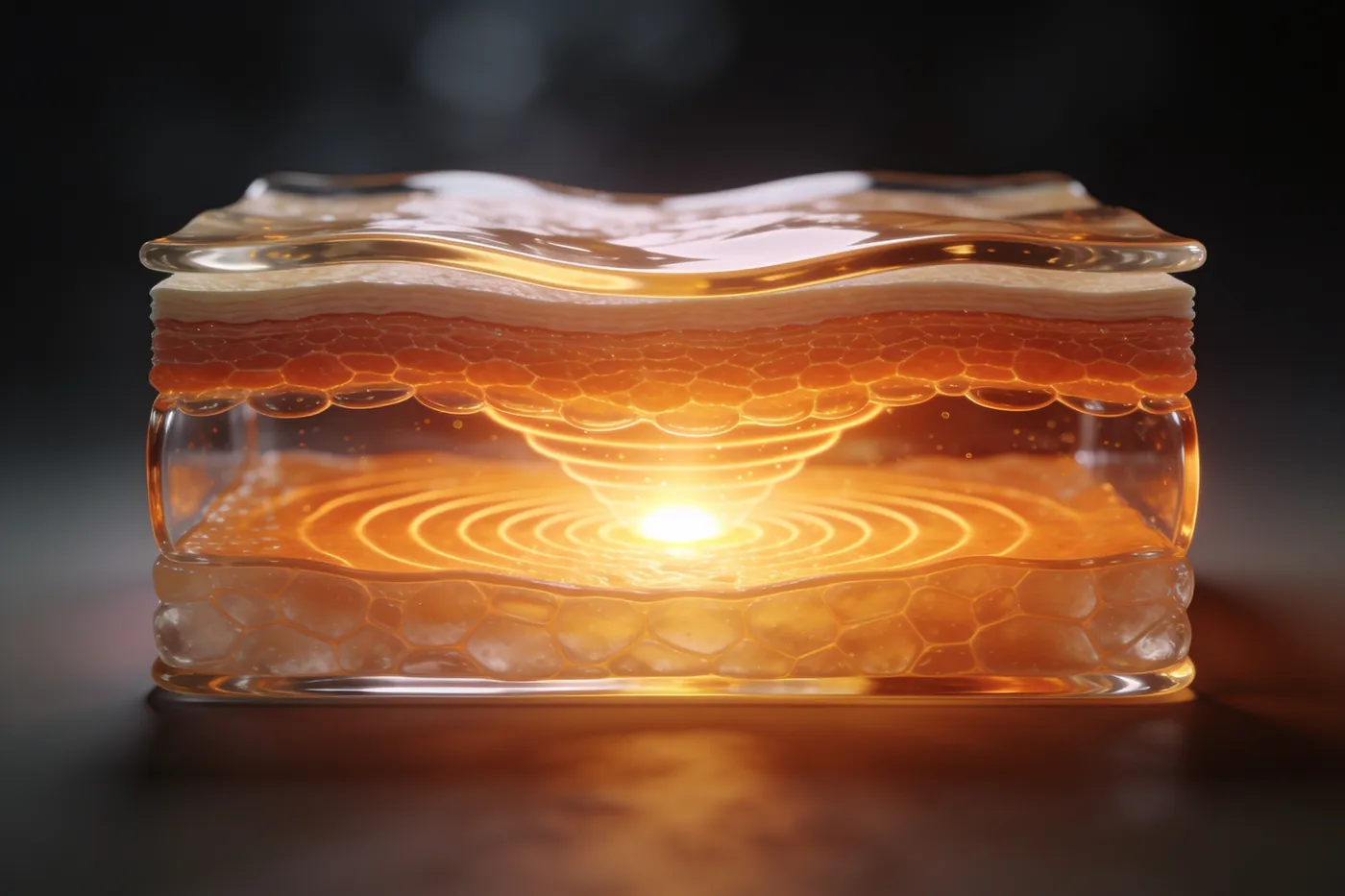
Melasma is an acquired pigment disorder in which the melanocytes in affected skin become hyperactive and produce too much melanin. The patches are symmetrical, soft-edged and brown to grey-brown, in centrofacial, malar or mandibular patterns. Current reviews describe it as more than a melanin problem: the basement membrane is altered, blood vessels in the area increase and there is low-grade inflammation in the dermis, which is why it relapses after treatments that would clear a sun spot.
Hormones layer on that susceptibility, which is why melasma so often begins in a woman's thirties, in pregnancy or with hormonal contraception. Light is the other driver, and not only ultraviolet: visible light measurably worsens melasma, indoors and through glass. Heat is a trigger in its own right, so a steamy commute, a hot kitchen and a heat-generating device all count. Singapore's year-round ultraviolet, with no seasonal low, means there is no off-season. The condition guide covers the biology in more depth.
How melasma is managed in aesthetic medicine
Management begins with diagnosis, because melasma frequently coexists with other pigmentation on the same face and the depth, epidermal, dermal or mixed, changes what is appropriate. The foundation is daily photoprotection, usually a tinted sunscreen containing iron oxides to cover visible light, together with control of heat exposure.
Evidence-based topicals come next. Prescription agents such as hydroquinone, tretinoin and oral tranexamic acid are used in supervised courses after a doctor's assessment, since each has its own risks, including irritation, a bluish-grey darkening with prolonged unsupervised hydroquinone use and, for oral tranexamic acid, an effect on clotting that is screened for. In-clinic work, such as conservative low-fluence laser toning, is an adjunct chosen for Fitzpatrick III–V skin and staged, with maintenance planned from the start. The approach is set out on the melasma treatment page.
“Melasma is managed, not cured. A clinic promising a cure is promising a relapse.”
Dr Sin YongOn pigmentation assessment
What melasma is often confused with
Sun spots, or solar lentigines, are the usual confusion. They are deposits of pigment with defined borders where ultraviolet has accumulated over years, and they behave relatively predictably under laser. Melasma is hormonal, chronic and heat-sensitive, and the settings that clear a sun spot can leave it darker. The two often share a face, which is why melasma vs sun spots is separated at assessment before any device is chosen.
Post-inflammatory hyperpigmentation is the other look-alike: a flat brown or grey mark left exactly where a pimple, rash or over-aggressive treatment used to be, which fades on its own timeline once the inflammation stops. Melasma has no such single insult behind it. The page on brown patches on the face sets the three side by side.
When a laser is not the answer
Thermal injury is itself a melasma trigger. A device chosen for the wrong diagnosis, or settings pushed too hard, commonly produces rebound: the patch returns darker than it started and harder to manage, and the risk is highest in the Fitzpatrick III–V skin that describes most patients in Singapore. Frequent repeated low-energy toning of the same area has also been linked to pale, mottled spots that are slow to recover. If pigmentation worsened after a session, the sensible step is reassessment rather than another session of the same thing.
Melasma that appears in pregnancy or while breastfeeding is usually left to photoprotection, since elective laser and the prescription agents are generally deferred and some post-pregnancy melasma fades on its own. A patch that is changing, raised or unlike the rest is examined first and referred for dermatological assessment where needed. Any clinic promising a cure is describing a condition that does not exist.