Main guidePico laser — what it treats, who it suits, sessions, downtime and what decides the cost, by Dr Sin Yong.
Published 29 October 2026 · Reviewed by Dr Sin Yong
PicoWay vs PicoSure vs DEKA TORO for tattoo removal compares three laser platforms by wavelength and pulse. PicoWay, from Candela, is picosecond at 1064, 532, 785 and 730 nm. PicoSure, from Cynosure, is built around a 755 nm picosecond alexandrite, with optional 532 and 1064 nm. The DEKA TORO pairs 785 nm picosecond with 532 and 1064 nm nanosecond, and Dr Sin Yong uses it in place of PicoWay or PicoSure.
Short answerNone of the three clears every colour or promises a number of visits. Each ink still needs a wavelength it absorbs, and skin type still sets the energy. Dr Sin Yong uses T2 Laser Tattoo Removal on the DEKA TORO rather than PicoWay laser tattoo removal or PicoSure, and chooses by ink colour and skin rather than by brand.
PicoWay vs PicoSure vs DEKA TORO: the comparison table
PicoWay vs PicoSure vs DEKA TORO is first a question of wavelength, then of pulse. The table uses each maker's published material and the US FDA 510(k) summaries; ink colours are those the clearance or the maker names for each wavelength.
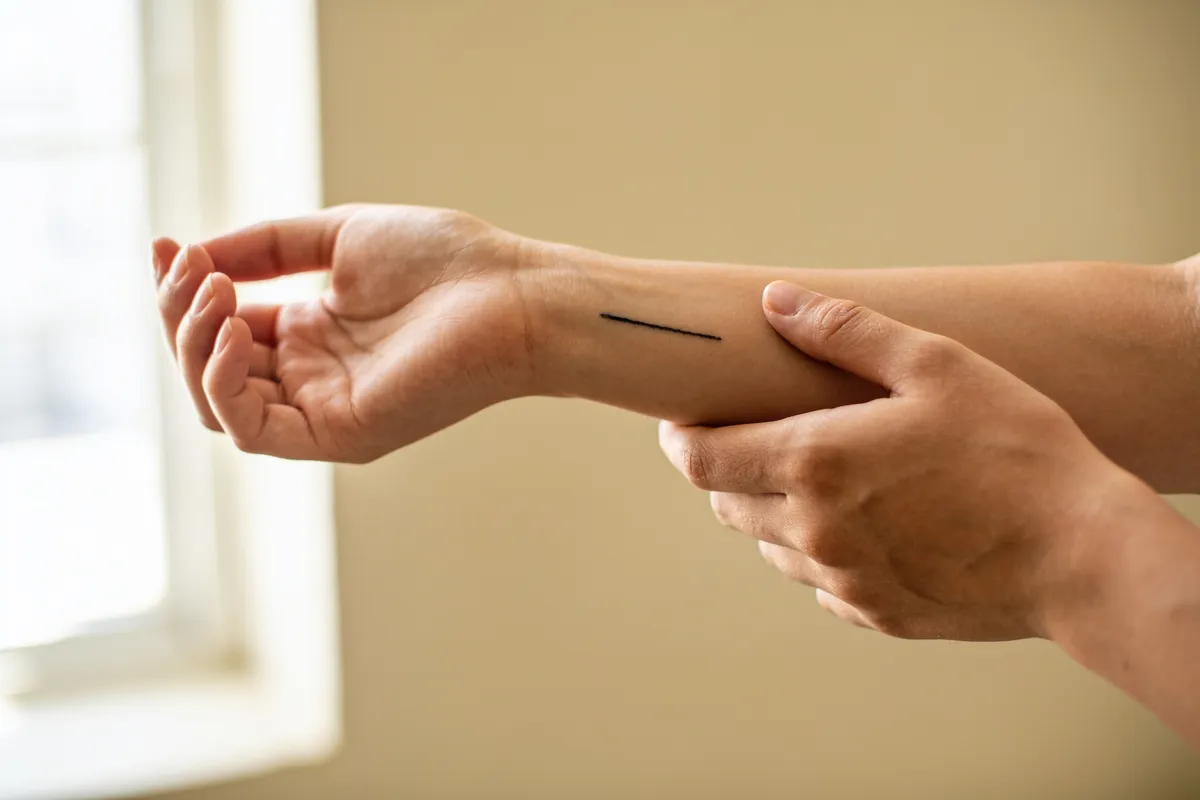
A small dark-ink tattoo on the forearm. Illustrative image, not a patient.
Device
Maker
Wavelengths
Pulse regime
Inks typically targeted
Offered here?
PicoWay
Candela
1064, 532, 785 and 730 nm
Picosecond on every wavelength (FDA summary: 240 to 500 ps)
1064 nm: black, brown, green, blue, purple. 532 nm: red, yellow, orange. 785 and 730 nm: green and blue
No; described for comparison
PicoSure / PicoSure Pro
Cynosure
755 nm core; optional 532 and 1064 nm
Picosecond
755 nm: black, blue, green. 532 nm: red, yellow, orange. 1064 nm: black ink in darker skin
No; described for comparison
DEKA TORO
DEKA (El.En. group)
785, 532 and 1064 nm
Picosecond at 785 nm; Q-switched nanosecond at 532 and 1064 nm
Skin-type limits differ by wavelength. In the FDA summaries, PicoWay's 532 nm tattoo indication covers Fitzpatrick I to III and its 785 and 730 nm cover II to IV; PicoSure's 532 nm covers skin types I to III; the TORO's 785 nm covers II to IV.
PicoWay laser tattoo removal: what the platform is
PicoWay laser tattoo removal uses a picosecond Nd:YAG platform from Candela. Its core wavelengths are 1064 nm and the frequency-doubled 532 nm, and separate handpieces add 785 nm and 730 nm. The FDA 510(k) summary K220853, cleared on 13 October 2022, lists pulses of 240 to 500 picoseconds and sets out tattoo indications by wavelength: 1064 nm for black, brown, green, blue and purple ink across Fitzpatrick I to VI; 532 nm for red, yellow and orange ink in I to III; and 785 nm and 730 nm for green and blue ink in II to IV. Resolve handpieces split the beam for fractional work on acne scars and wrinkles.
A mole is examined before removal is considered. Illustrative image, not a patient.
Every PicoWay wavelength is picosecond, so the choice on the platform is wavelength rather than pulse regime. PicoWay is used by other clinics in Singapore; it is described because people compare it, and the DEKA TORO is used here instead.
“Patients ask me which machine. I ask which colours are in the tattoo and what skin they sit in, because the answer to my question decides theirs.”
Dr Sin YongOn choosing a tattoo removal laser
PicoSure and PicoSure Pro for tattoo removal
PicoSure tattoo removal uses a 755 nm alexandrite picosecond laser from Cynosure. Cynosure states that 755 nm targets black, blue and green ink. Optional delivery systems add 532 nm, which Cynosure describes for red, yellow and orange ink and 1064 nm, which it describes for black ink in darker skin types. Both delivery systems appear in the FDA 510(k) summary K160480 (2016), and the PicoSure Workstation indications were restated under K210226 in 2021, with the 532 nm tattoo indication set at skin types I to III.
An older tattoo that has faded with time. Illustrative image, not a patient.
PicoSure Pro is the newer version. Cynosure Lutronic presents it with 755 nm as the core wavelength and 532 nm and 1064 nm as optional add-ons for tattoo removal, plus a Focus lens for fractional-style skin work. A PicoSure without the add-ons therefore has one tattoo wavelength. PicoSure is described for comparison; the DEKA TORO is used here instead.
Where the DEKA TORO differs
The DEKA TORO mixes pulse regimes on one platform. Its 785 nm titanium-sapphire source is picosecond, with an FDA tattoo indication for green and blue ink in Fitzpatrick II to IV. Its 532 nm and 1064 nm emissions are Q-switched nanosecond, cleared for light inks and for dark inks respectively. It was cleared under 510(k) K240752 on 16 May 2024. Square-spot handpieces, which DEKA suggests for tattoo removal, let passes tile without gaps or overlap.
A mole is examined before removal is considered. Illustrative image, not a patient.
So the TORO does not use a picosecond pulse for every colour. Black ink is treated with nanosecond 1064 nm pulses and red with nanosecond 532 nm pulses, which remain established for those colours, and the picosecond emission is kept for green and blue. Its longer-pulsed 1064 nm thermal mode is for skin work and is not part of a tattoo pass. The pico vs Q-switched laser page explains what the two pulse regimes do.
What each cannot do
Skin and hair colour decide the laser settings. Illustrative image, not a patient.
PicoWay cannot change how poorly yellow and white absorb light; it lists yellow among its 532 nm inks, but yellow remains among the hardest colours for any laser, and that 532 nm indication stops at Fitzpatrick III.
PicoSure cannot cover red, orange and yellow ink from its 755 nm core; Cynosure describes the optional 532 nm add-on for those colours, and that add-on is cleared for skin types I to III.
The DEKA TORO cannot offer a picosecond pulse at 532 or 1064 nm; those wavelengths are nanosecond on this platform. Its 785 nm tattoo indication stops at Fitzpatrick IV.
None of them can fix the number of visits in advance, remove the need for healing between treatments, undo scarring from the original tattooing, or promise complete clearance.
Each platform also leaves the same risks in place: blistering and scabbing after treatment, darkening or lightening in medium and darker skin, and cosmetic iron oxide or titanium dioxide pigment that can darken under any of them. These are set out on tattoo removal.
How Dr Sin Yong chooses: by ink colour and skin, not by device brand
Dr Sin Yong chooses by ink colour and skin, not by device brand. A question about which machine is really a question about which wavelength each colour needs and how much energy the skin around it can take. In T2 Laser Tattoo Removal on the TORO that becomes:
A small dark-ink tattoo on the forearm. Illustrative image, not a patient.
Black and dark ink: 1064 nm nanosecond, which epidermal melanin absorbs less, favoured in darker skin.
Red, orange and purple: 532 nm nanosecond, with attention to red-ink reactions; see colour tattoo removal.
Green and blue: 785 nm picosecond, approached with particular care in darker skin, often with a test area.
Yellow, white and cosmetic pigment: assessed cautiously; a test area comes first for brow, liner and lip pigment, as eyebrow embroidery removal explains.
Skin type, density, layering and any scarring then set the energy and the pace, and healing is reviewed before each next visit. The tattoo removal suitability page covers what is examined, and laser for dark skin explains the skin-type limits. When comparing quotes from clinics using other platforms, ask which wavelength will be aimed at each colour and who reviews the skin between visits.
Your next step
1. MessageWhatsApp +65 8023 7170 with what is bothering you. A reply comes from the clinic, not a bot.
2. AssessmentDr Sin Yong examines you himself on Orchard Road, with ultrasound where earlier filler is involved.
3. A plan in writingWhat he would do, what he would not, the fee factors, and the option of no treatment.
Every treatment is performed by Dr Sin Yong personally. Singapore Medical Council registered · invited to share his clinical expertise internationally for CLASSYS, DEKA, Fotona, Hironic and Ilooda.
Bring a photo of the tattoo and, if it has been lasered before, the name of the device and how the skin reacted. How consultations work.
Tattoo ink fades in stages over several sessions. Illustrative video, not a patient.
Frequently Asked Questions
DEKA TORO T2 with 1064, 532 and 785 nm, and pico laser, chosen by ink colour.
Yes. Pico lasers break ink into very fine particles that the body clears over weeks. Different wavelengths are needed for different ink colours.
Several sessions are still needed, some colours such as light blue, green and yellow are harder to clear, and there is a risk of skin colour change or texture change if settings are not matched to the skin.
The tattoo fades in steps over the six to eight weeks after each session. Many tattoos need six to ten sessions, and some colours leave a faint shadow.
The ink turns white for a few minutes, then the area becomes red and swollen. Blisters or scabs can form over the next days and heal in one to two weeks.
Very short pulses shatter ink particles into fragments small enough for the immune system to clear over the following weeks. Different wavelengths are needed for different ink colours.
PicoWay laser tattoo removal uses a picosecond laser with several wavelengths, which lets it target dark inks and some colours. This page compares it with PicoSure and DEKA TORO by wavelength and pulse length. No device can promise complete clearance.
In place of PicoWay, tattoos at this clinic are treated with T2 Laser Tattoo Removal on the DEKA TORO, where 1064 nm is used for black and dark inks, 532 nm for red, orange and purple, and 785 nm picosecond for green and blue.
Neither is a ranking. PicoSure is built around 755 nm, which Cynosure describes for black, blue and green ink, with optional 532 and 1064 nm add-ons. PicoWay is built on 1064 and 532 nm, with 785 and 730 nm handpieces for green and blue. Which suits depends on the colours in the tattoo, your skin type and the settings chosen, not on the brand.
Both, depending on the colour. The TORO's 785 nm emission is picosecond and is used for green and blue ink. Its 532 nm and 1064 nm emissions are Q-switched nanosecond pulses, used for red, orange and purple, and for black and dark inks. The pulse is chosen for each colour at the evaluation and reviewed as treatment goes on.
Green and blue ink absorb red light, so wavelengths between about 730 and 785 nm are used for them. PicoWay offers 730 and 785 nm handpieces, PicoSure uses its 755 nm core, and the DEKA TORO uses its 785 nm picosecond emission. The FDA tattoo indications for PicoWay's 730 and 785 nm and the TORO's 785 nm stop at Fitzpatrick IV, so darker skin is approached with care.
No. Wavelength decides whether an ink colour absorbs the light at all, so it comes first. Pulse width changes how the absorbed energy breaks the particle: picosecond pulses work more by pressure, nanosecond pulses with more heat. A difference of a few hundred picoseconds between brands matters less than whether the wavelength suits the colour and the energy suits the skin.
For black and dark ink, 1064 nm is generally favoured on darker skin, because epidermal melanin absorbs it less. PicoWay, PicoSure with its add-on, and the DEKA TORO all carry 1064 nm. Colours that need shorter wavelengths carry more risk of darkening or lightening, so they are approached cautiously, often with a test area, and sun protection continues between visits.
There is no single fastest laser. Speed depends on matching the wavelength to each ink colour, the pulse length, the ink density and your immune clearance between sessions.
Shorter pulses deliver less heat to surrounding skin, which can lower the risk, but settings and aftercare matter more than the device name.
Shorter pulses deliver less heat, which may reduce risk, but settings matter most.
Very short laser pulses shatter pigment by pressure rather than heat.
Green, blue and yellow inks are more stubborn than black.
He uses T2 tattoo removal on the DEKA TORO, combining picosecond, Q-switched and fractional modes.
Usually several to many, depending on ink, depth and colour.
It stings; numbing and cooling help.
References
510(k) Premarket Notification K220853: PicoWay Laser System (Candela Corporation), cleared 13 October 2022. US Food and Drug Administration (via Innolitics 510(k) database), 2022. source
510(k) Premarket Notification K210226: PicoSure Workstation (Cynosure, LLC), cleared 30 March 2021. US Food and Drug Administration (via Innolitics 510(k) database), 2021. source
510(k) Summary K160480: PicoSure Workstation with 532 nm and 1064 nm Laser Delivery Systems. US Food and Drug Administration, 2016. source
PicoSure: picosecond laser at 532, 755 and 1064 nm. Cynosure, manufacturer product page, 2026. source
About this page: written and medically reviewed by Dr Sin Yong, MBBS (NUS), MRCS (Edinburgh) · Last reviewed 6 November 2026 · Illustrative images only, not patients · Editorial policy