Acne scar resurfacing treatment in Singapore: depth, not device
Medically reviewed by Dr Sin Yong · Last reviewed · 9 min read
Published 13 October 2026 · Reviewed by Dr Sin Yong
Acne scar resurfacing treatment means renewing the surface and upper dermis around a scar so that its edges soften and the skin reads smoother under normal light. There are three ways to do it: ablative fractional CO2, which Dr Sin Yong delivers as the S3 Resurfacing Lift; surface-directed non-ablative laser, his FSX Laser; and chemical resurfacing with a peel. The depth of the scar decides which, and no form of acne scar resurfacing releases a tether or reaches an ice-pick floor.
Short answerDepth decides between the two lasers: FSX Laser for superficial scars, with a shorter recovery than S3, and the S3 Resurfacing Lift for deep ice-pick and boxcar scars. Chemical peels renew the surface to a depth set by the acid and its strength and suit dullness and superficial pigment more than scar depth. Resurfacing is the third stage of a scar plan, after release and support, which is why it is one chapter of the acne scar treatment Singapore guide.
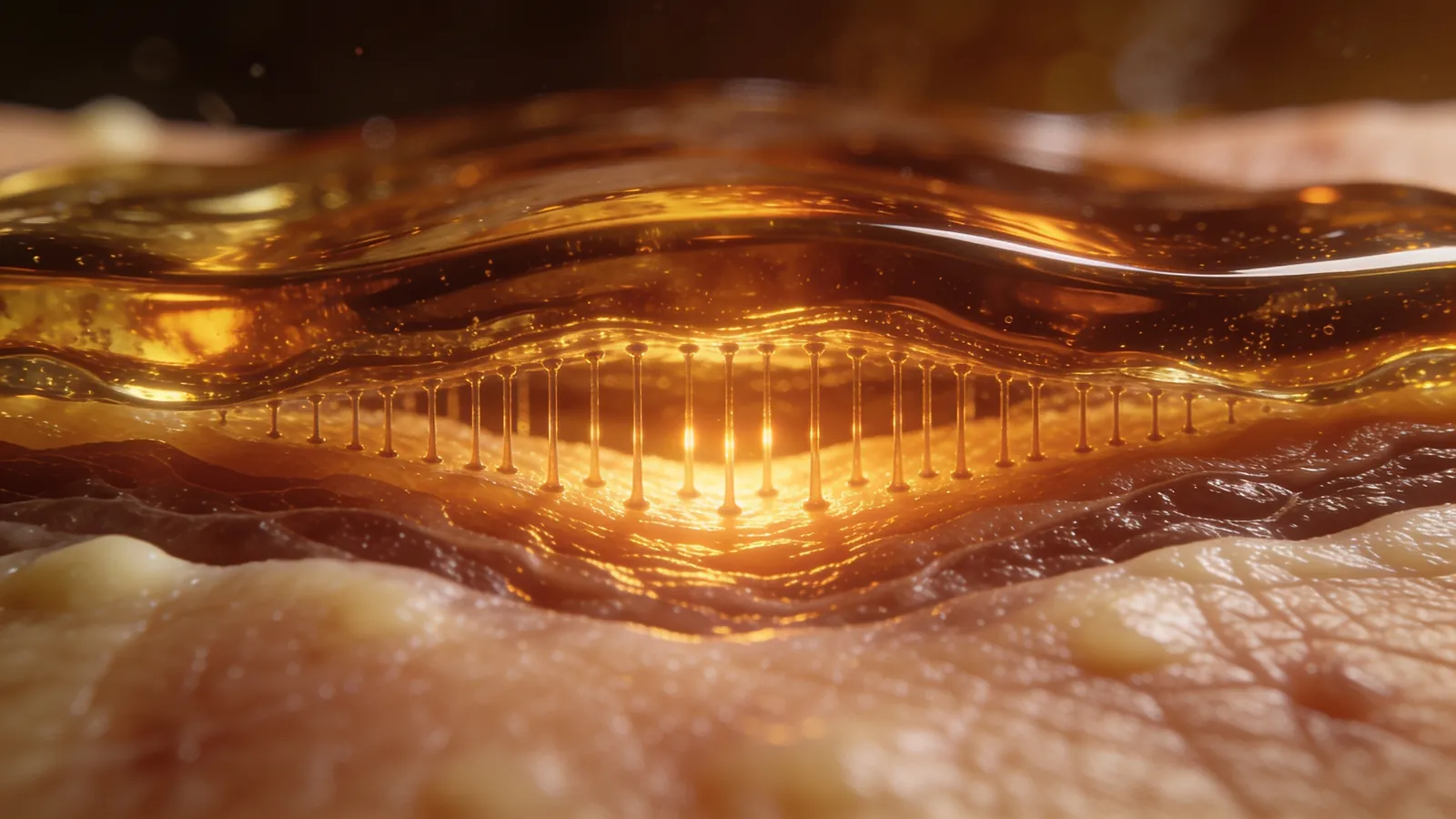
S3 Resurfacing Lift on the DEKA Tetra Pro, 10,600 nm: columns of tissue vaporised, intact bridges between them; point shots into pits, then fractional passes
Surface-directed laser
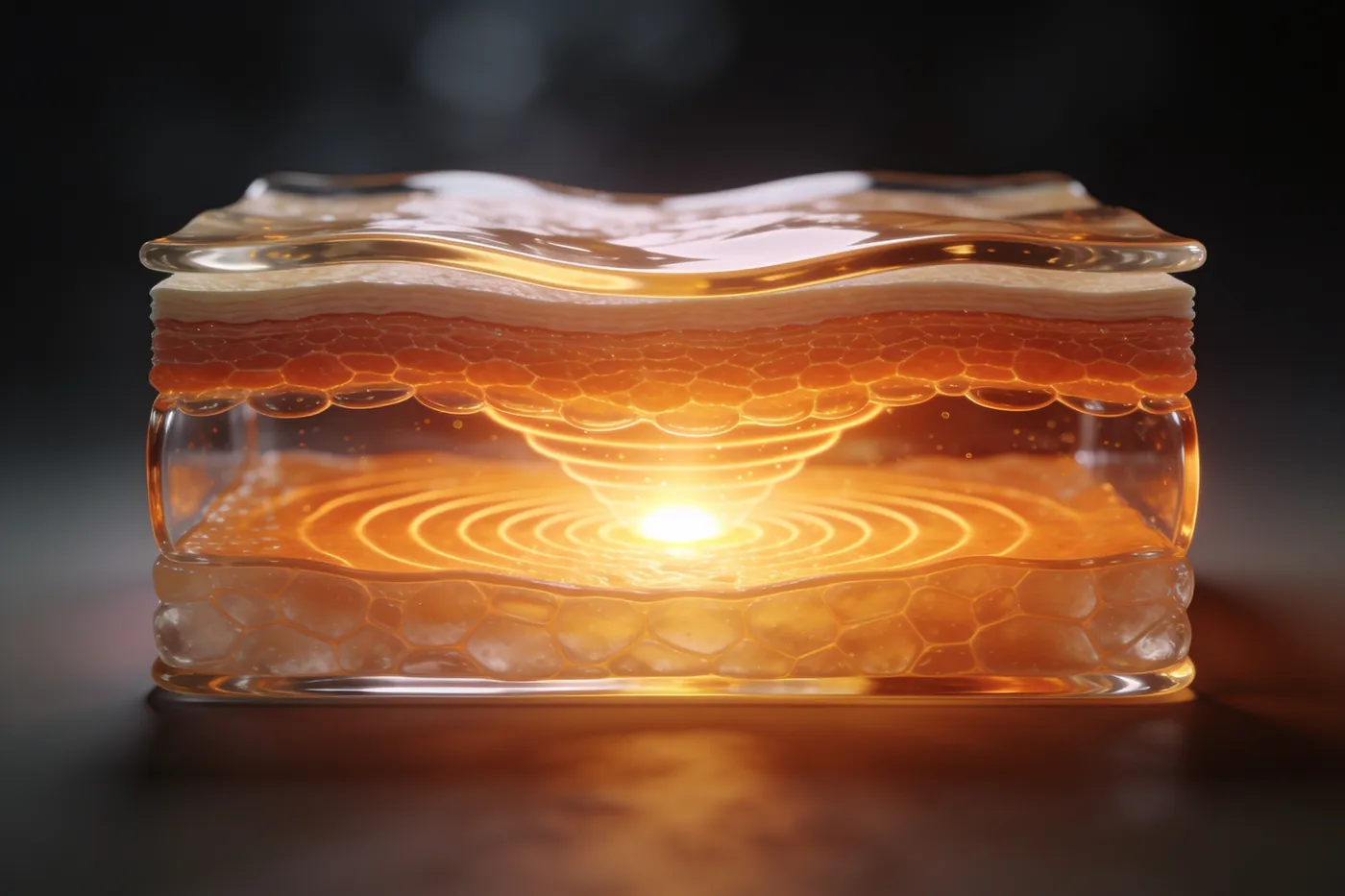
FSX Laser: 1540 nm erbium glass into the dermis, 1927 nm thulium at the surface; nothing removed, shorter recovery than S3
Chemical resurfacing
A peel removes surface layers to a depth set by the acid and its strength; deeper peels carry more pigment risk in darker skin. TCA CROSS is focal and is not a peel
Depth logic
Superficial scars, shallow boxcar and fine texture: FSX Laser. Deep ice-pick and boxcar scars: S3 Resurfacing Lift
What resurfacing does
Softens scar edges, refines texture, rebuilds collagen in the upper dermis
What it does not do
Release a tether, reach an ice-pick floor, replace lost volume or treat a raised scar
Acne scar resurfacing treatment: what the word covers
Resurfacing is any controlled injury to the skin surface and upper dermis that makes it heal smoother. The spectrum runs from non-ablative, which heats without removing anything, through fractional, which removes microscopic columns and leaves intact skin between them, to fully ablative, which removes the whole surface across an area (Alexiades-Armenakas 2008). Chemical resurfacing does the same job with acid instead of light. For acne scars the aim is specific: soften the step at a scar’s edge, refine the texture around it and prompt the dermis to lay down new collagen so the scar reads shallower. Fully ablative resurfacing is a more extensive wound with a longer recovery and a greater pigment risk in Fitzpatrick III to V skin; Dr Sin Yong’s two resurfacing protocols for acne scars are both fractional. The acne scar treatment Singapore guide sets out where resurfacing sits in the whole sequence; this page is about the resurfacing step itself.
Ablative fractional CO2: the S3 Resurfacing Lift
The S3 Resurfacing Lift is Dr Sin Yong’s protocol on the DEKA Tetra Pro, a fractional CO2 laser at 10,600 nm, absorbed by water in tissue. It vaporises a grid of microscopic columns and leaves bridges of untouched skin between them, so the wound is a scatter of tiny channels rather than one raw area and the surface heals from the bridges. What distinguishes the protocol is its sequence: precision point-shot ablations are placed into individual scar pits first, then fractional passes are applied across the surrounding skin, so the pits are treated at depth before the field is resurfaced. Density and depth are set separately, dense and deep where scars sit, lighter between. It is the resurfacing choice for deep ice-pick and boxcar scars, for steep boxcar walls, and for scars that plateaued after earlier CO2 laser or RF microneedling. Local anaesthetic is applied beforehand. Recovery is an open healing phase: redness, swelling and warmth, then fine scabbing and peeling as the channels close, with strict sun protection afterwards.
Surface-directed resurfacing: FSX Laser
FSX Laser is Dr Sin Yong’s combination protocol using 1540 nm erbium glass and 1927 nm thulium wavelengths. It is non-ablative: the 1540 nm wavelength heats narrow columns of dermis to prompt collagen remodelling while the surface stays intact, and the 1927 nm wavelength acts superficially on pigment and surface texture. For acne scars it is directed at superficial scars, shallow boxcar scars, fine textural scarring and the post-acne marks between scars, and its advantage is a shorter recovery than S3: redness that settles, occasionally fine scabbing in treated zones that is left to shed. Settings are adjusted for darker skin types, including Fitzpatrick V and VI. It cannot reach a deep scar floor, so a scar that needs S3 is not given FSX in the hope of an easier recovery. Depth decides between the two lasers: FSX Laser for superficial scars, with a shorter recovery than S3, and the S3 Resurfacing Lift for deep ice-pick and boxcar scars.
Resurfacing works on the surface and upper dermis. A tether sits below that, in the subcutaneous plane, which is why release comes first.
Chemical resurfacing: peels, and why TCA CROSS is not one
A chemical peel applies an acid that loosens and removes surface cells to a depth set by the acid and its strength, from a light exfoliation to a deeper resurfacing. A light peel brightens and smooths the surface but does little for dermal collagen; a deeper peel reaches further at the cost of more peeling and, in Fitzpatrick III to V skin, a greater risk of post-inflammatory hyperpigmentation that can take months to fade. For dullness, comedonal acne and superficial pigment a light peel may be enough; for scar depth it is rarely the tool. TCA CROSS is often confused with a peel because it uses the same acid, but it is the opposite geometry: a microdroplet of 70 to 100% trichloroacetic acid placed only into the floor of each ice-pick pit, sparing the skin around it (Lee 2002). It is a focal reconstruction, not a resurfacing, and the two are planned in sequence rather than as alternatives.
Redness, swelling, crusting and peeling while channels close
Redness that settles; occasional fine scabbing; shorter than S3
Mild flaking to days of peeling, by depth
PIH risk, Fitzpatrick III to V
Higher; planned for with density, depth and spacing
Lower; settings adjusted to V and VI
Rises steeply with depth
Cannot do
Release a tether; replace volume
Reach a deep floor; release a tether
Change scar depth; release a tether
What resurfacing does, and what it does not
Resurfacing changes the surface and upper dermis. It softens the defined edge of a boxcar, refines the texture between scars, evens the surface around a treated ice-pick pit and prompts collagen in the upper dermis so a shallow scar reads flatter. It does not do three things. It does not release a tether: a rolling scar is held down by a fibrous band in the subcutaneous plane, below the depth resurfacing acts, so lasering it polishes a dimple that is still being pulled down (Orentreich 1995). It does not reach an ice-pick floor, which is why TCA CROSS goes into the pit first. It does not replace volume, which is why Radiesse is placed beneath a released scar before the surface is treated. It also should not be used on raised scars, which are over-healed and go the other way. This is why resurfacing is the third stage of 4D Scar Reconstruction, after release and support, and why the order matters: reversed, each step undoes the next. Where the surface needs remodelling with less surface injury, RF microneedling on the Secret DUO is staged instead; it heats the dermis through insulated needles with the surface spared (Chandra 2024).
Skin type, timing and risks
Most skin treated in Singapore is Fitzpatrick III to V, and fractional CO2 produces more textural change per session than non-ablative laser at the cost of longer recovery and higher pigment risk in that skin (Alexiades-Armenakas 2008). The S3 protocol is calibrated to limit thermal spread; point shots are kept to the pits, fractional passes set less densely and intervals set by healing. Active acne is controlled first, a fresh tan or recent isotretinoin defers treatment, a history of cold sores calls for antiviral cover, and a keloid tendency changes the plan. Expected effects after S3 are redness, swelling and crusting; after FSX, redness and occasional fine scabbing. Less often: prolonged redness, pigment change, infection, a cold sore flare or new scarring. Sun protection afterwards is part of the treatment. What each recovery looks like is on the acne scar treatment downtime page, which laser suits which scar on the acne scar laser treatment page, and every acne and scar guide on this site is indexed in one place.
“Resurfacing fixes the skin where it finds it. Release the tether and support the floor first, or you are polishing a dimple that is still being pulled down.”
Dr Sin YongOn the order of scar treatment
Dr Sin Yong explains
Resurfacing is the part of scar work people picture, and I understand why: it is the laser, the visible step. But I do it last. By the time I resurface a cheek the tethered scars have been released, the deficits supported and the ice-pick pits treated at the floor, so the laser is working on skin that is free to heal flat. Then depth decides which laser. If the scars are shallow I use FSX Laser, because it leaves the surface intact and the recovery is shorter than S3. If they are deep I use the S3 Resurfacing Lift, point shots into each pit and then the field, and I plan the recovery and the pigment risk with you before we start. The wrong laser for the depth is the commonest reason resurfacing disappoints.
Your next step
1. MessageWhatsApp +65 8023 7170 with what is bothering you. A reply comes from the clinic, not a bot.
2. AssessmentDr Sin Yong examines you himself on Orchard Road, with ultrasound where earlier filler is involved.
3. A plan in writingWhat he would do, what he would not, the fee factors, and the option of no treatment.
Every treatment is performed by Dr Sin Yong personally. Singapore Medical Council registered · invited to share his clinical expertise internationally as a Key Opinion Leader for CLASSYS, DEKA, Fotona, HIRONIC and ILOODA · HSA-registered devices · ultrasound-guided correction
A controlled injury to the skin surface and upper dermis so it heals smoother: softening scar edges, refining texture and prompting new collagen. It can be ablative fractional CO2 (the S3 Resurfacing Lift), non-ablative laser (FSX Laser) or chemical (a peel). It does not release a tethered scar, reach an ice-pick floor or replace lost volume.
Depth decides. Superficial scars, shallow boxcars and textural marks suit FSX Laser, which keeps the surface intact and has a shorter recovery than S3. Deep ice-pick and boxcar scars need the S3 Resurfacing Lift, multi-depth fractional CO2 that reaches the scar floor. Many faces need both, on different scars, and Dr Sin Yong grades each scar at assessment.
A light peel brightens and smooths the surface and can help superficial pigment and dullness, but it does little for scar depth, and deeper peels carry a higher pigment risk in Fitzpatrick III to V skin. TCA CROSS, which places high-strength acid only into ice-pick pits, is a focal technique and not a peel. For scar depth, fractional laser is usually the resurfacing tool.
Because resurfacing remodels skin in whatever position it finds it. A tethered scar is released by subcision first, a volume deficit is supported with Radiesse and ice-pick pits are treated with TCA CROSS; then the S3 Resurfacing Lift or FSX Laser works on a surface that is free to heal flat. Reversed, each step undoes the next.
After the S3 Resurfacing Lift expect redness, swelling and warmth, then fine scabbing and peeling as the channels close, with strict sun protection. After FSX Laser expect redness that settles and occasionally fine scabbing that is left to shed, a shorter recovery than S3. How long each phase takes varies with settings, area and the person.
It is performed routinely in Fitzpatrick III to V skin, but ablative resurfacing carries a higher risk of post-inflammatory hyperpigmentation there, so settings are not copied from lighter-skin protocols. Dr Sin Yong keeps point shots to the pits, sets passes less densely, spaces stages by healing and favours FSX Laser or RF microneedling where the scars are shallow enough.
References
Alexiades-Armenakas MR, Dover JS, Arndt KA. The spectrum of laser skin resurfacing: nonablative, fractional, and ablative laser resurfacing. J Am Acad Dermatol. 2008;58(5):719-737. doi:10.1016/j.jaad.2008.01.003. source
Orentreich DS, Orentreich N. Subcutaneous incisionless (subcision) surgery for the correction of depressed scars and wrinkles. Dermatol Surg. 1995;21(6):543-549. doi:10.1111/j.1524-4725.1995.tb00259.x. source
Lee JB, Chung WG, Kwahck H, Lee KH. Focal treatment of acne scars with trichloroacetic acid: chemical reconstruction of skin scars method. Dermatol Surg. 2002;28(11):1017-1021. doi:10.1046/j.1524-4725.2002.02095.x. source
Chandra S, et al. Physics of fractional microneedle radiofrequency. J Cutan Aesthet Surg. 2024;17:177. doi:10.25259/jcas_98_23 (PMID 39483649). source
US FDA 510(k) summary K202043 — Secret DUO (ILOODA Co., Ltd.), 2021. source