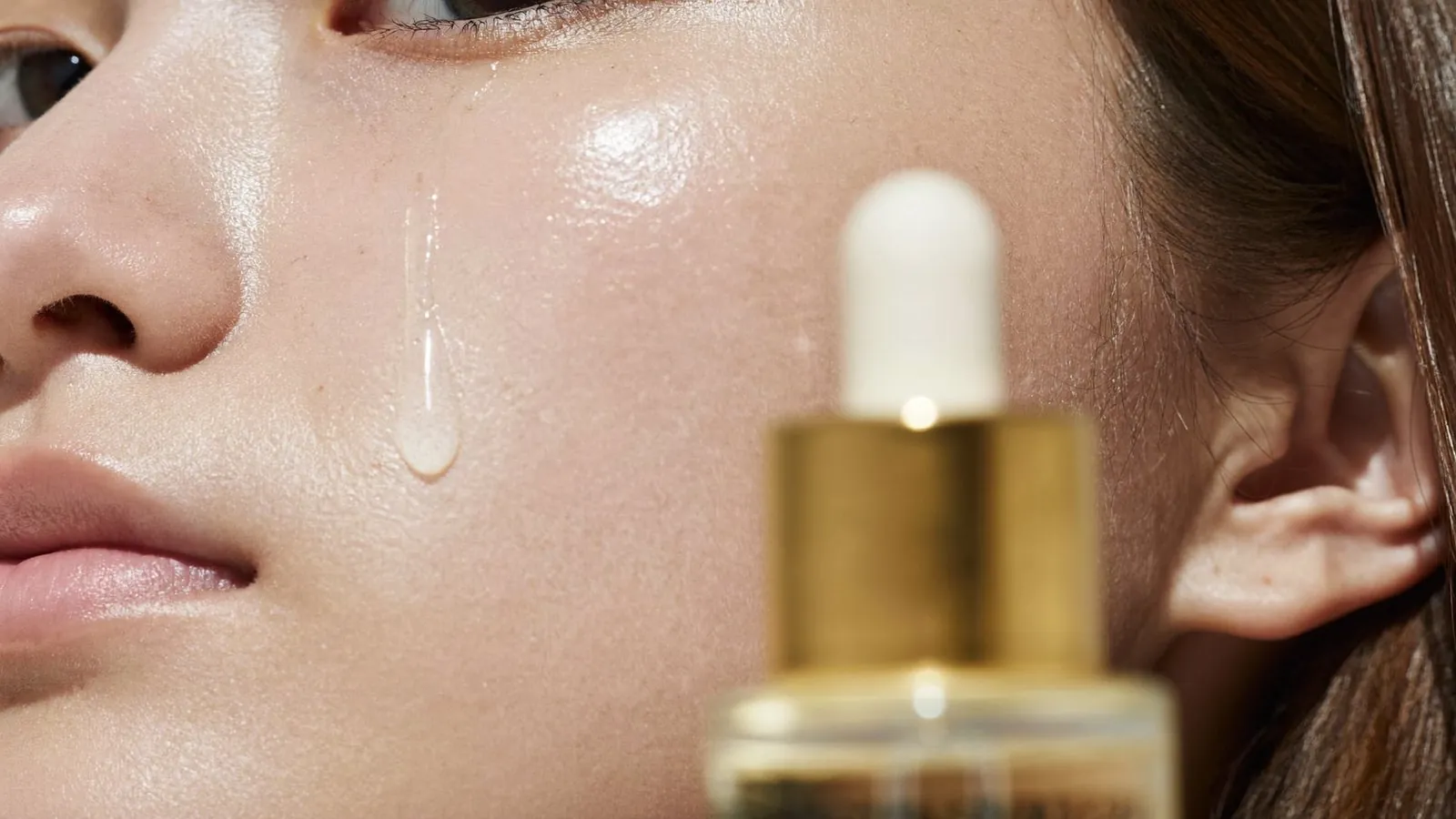
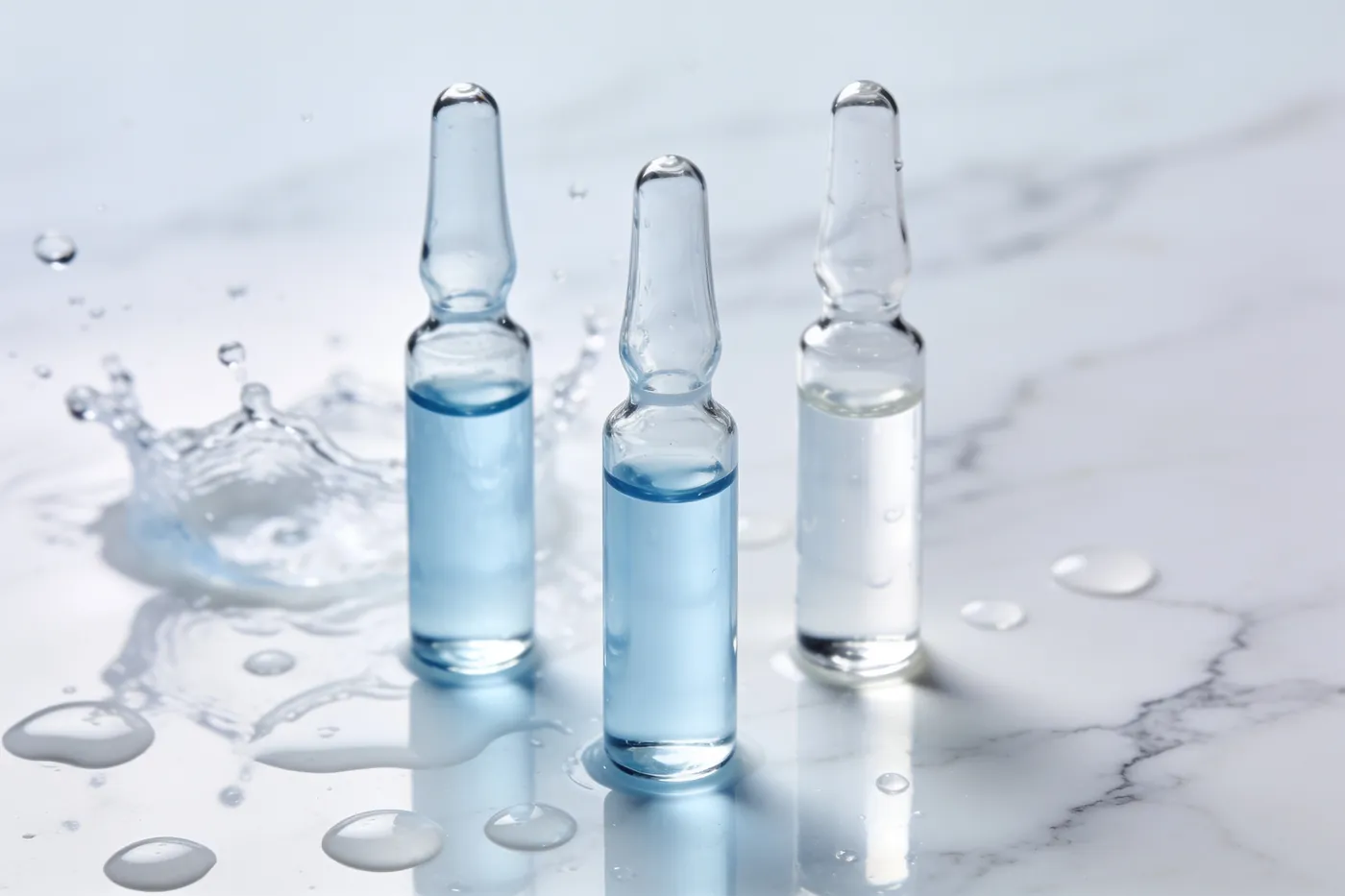
Skin booster benefits differ from skincare benefits because the two work in different layers: topicals act at the surface and within the epidermis, where the barrier keeps large molecules out, while injectable boosters such as Profhilo or Rejuran are placed into the dermis. Neither replaces the other; cleansing, moisturising and daily sunscreen remain necessary.
Key facts
- Stratum corneum
- The outermost barrier layer, roughly 10–20 µm thick — where a moisturiser does its work
- Topicals
- Act at the surface and within the epidermis; the intact barrier exists precisely to keep large molecules out
- Injectable HA
- Hyaluronic acid delivered directly into the dermis — for example 64 mg of hybrid HA stabilised by thermal NAHYCO cross-linking (Profhilo), with no BDDE chemical cross-linker
- Polynucleotides
- DNA-derived fragments at 20 mg/ml (Rejuran), placed in the dermis to support repair-oriented cell activity
- Placement
- Boosters are injected into the dermal layer itself, below the barrier a cream cannot cross
- Hydration vs stimulation
- Some boosters mainly bind water within the dermis; others are directed at fibroblast and repair activity — different products, different intents
- Barrier care
- Cleansing, moisturising and daily photoprotection remain necessary regardless of any injectable plan
The question is really about depth
Most discussions of skin booster benefits start with product names. The more useful starting point is a cross-section of the skin. At the top sits the stratum corneum — a barrier roughly 10 to 20 µm thick whose entire biological purpose is to keep water in and foreign molecules out. Beneath it lies the living epidermis, and beneath that the dermis: the layer of collagen, elastin and ground substance that gives skin its firmness, bounce and light-reflecting quality.
A moisturiser works at the top of that stack. It reduces water loss through the barrier, smooths the surface, and can meaningfully improve how skin feels and behaves day to day. What it cannot do, by design of the skin itself, is deliver large structural molecules into the dermis — the barrier that makes skin survivable also makes it selective. Hyaluronic acid in a cream hydrates the surface it sits on; it does not become dermal hyaluronic acid.
An injectable skin booster simply bypasses the barrier altogether. The material is placed into the dermis with a needle or cannula, which is the entire point of the category: not a stronger cream, but a different route to a layer creams were never going to reach.
“A moisturiser sits on your skin. A skin booster is a different conversation, at a different depth.”
Dr Sin YongOn what the category actually means
Skincare vs injectable skin boosters at a glance| Feature | Skincare (topicals) | Injectable skin booster |
|---|
| Layer it works in | Surface and epidermis; the barrier keeps large molecules out | Dermis, placed by needle or cannula |
| Mechanism | Reduces water loss, smooths surface; retinoids and antioxidants act over time | Hyaluronic acid, polynucleotides or PDLLA placed into the dermis |
| What only it can do | Barrier repair and daily photoprotection | Deliver structural material past the barrier |
| Who it suits | Everyone; cleansing, moisturising and sunscreen remain necessary | Genuinely dermal complaints a reasonable routine has not shifted |
| Not the answer for | Dermal fatigue, fine crepiness, dull dehydrated quality | Disrupted barrier, pigmentation, laxity or volume loss |
| Topical vs injected HA | Hydrates the surface it sits on | Binds water within the dermis itself |
| Relationship | Maintains the barrier and protects against ongoing damage | Addresses the layer topicals cannot reach; neither replaces the other |
What a skin booster actually is
“Skin booster” is a category label covering several distinct materials, and the differences between them matter more than the shared name.
Hyaluronic acid boosters place HA directly into the dermis, where it binds water and integrates with the extracellular matrix. Profhilo, for example, carries 64 mg of hybrid hyaluronic acid stabilised thermally through the NAHYCO process rather than with the BDDE chemical cross-linker used in conventional fillers — a formulation choice that makes it behave as a spreading, hydrating and bio-remodelling material rather than a volumising one. There is also laboratory evidence that hyaluronic acid in the dermis does more than hold water: fibroblasts respond to changes in their extracellular matrix environment, which is the scientific basis for describing some boosters as stimulatory rather than purely hydrating.
Polynucleotide boosters are a different material with a different intent. Rejuran delivers DNA-derived polynucleotide fragments at a concentration of 20 mg/ml into the dermis, directed at repair-oriented cellular activity rather than water-binding as its primary mechanism. PDLLA-based formulations sit in a further category again, oriented toward collagen stimulation. Which of these — if any — is appropriate is an assessment finding, not a menu choice.
What skincare still does that no injectable replaces
It would be convenient for a doctor who performs injectable treatments to tell you skincare is obsolete. It is not, and saying so would be wrong on the mechanism.
Barrier care is the job topicals do that nothing injected can. A disrupted barrier loses water, admits irritants and stays low-grade inflamed — and no dermal treatment compensates for that, because the problem sits in a layer above where the booster went. Daily broad-spectrum photoprotection matters even more: ultraviolet exposure drives the collagen degradation and pigment activity that people then seek treatment for, and Singapore's UV is high year-round. Evidence-based topicals — retinoids, antioxidants — genuinely influence the epidermis and upper dermis over time through their own pathways.
So the honest relationship is not competition but division of labour. Topicals maintain the barrier and protect against ongoing damage; boosters address the dermal layer topicals cannot reach. A patient who has injectable treatment and abandons sunscreen has spent money on one layer while conceding another. Neither replaces the other, and anyone framing it as either-or is selling rather than explaining.
Who actually benefits — and who is better served by something else
The person who tends to benefit from a dermal booster is one whose complaint is genuinely dermal: skin that looks tired despite a reasonable routine, fine crepiness, a dull or dehydrated quality that good topicals have not shifted, early textural change. In that person, the problem sits in a layer their products cannot reach, and delivering material into that layer is a rational step.
Plenty of people asking for boosters are better served by something else first. If the barrier is disrupted — over-exfoliated, reactive, stripped by an aggressive routine — repairing that comes before injecting anything. If the real complaint is pigmentation, laxity or volume loss, a booster is the wrong category altogether, and each of those has its own assessment. The full range of injectable skin-quality options and how they are chosen is set out on the skin boosters page; response varies between individuals, and suitability is established by examining the skin rather than by the popularity of a product name.
It is also worth saying that a booster is rarely a plan on its own. Where the skin shows dermal fatigue alongside photodamage or textural change, the sequencing question — what to repair first, what to protect, what to stimulate, and in which order — matters more than any single product decision. That sequencing is exactly what the assessment exists to work out, and it differs face to face.
Why this page has no before-and-after images
People search for these, so the absence deserves a direct answer.
Under Singapore's Healthcare Services Act, before-and-after imagery in advertising for licensable healthcare services is prohibited. There is no consent form or disclaimer that permits it, and after-only images fall under the same rule. This applies identically to every licensed clinic in Singapore — a site displaying such images is not demonstrating better results, only weaker compliance.
What can be offered instead is an examination of your own skin in person, where the question of whether your complaint is a surface problem or a dermal one can actually be answered.
What determines the cost
Prices for licensable healthcare services cannot be advertised in Singapore, including as ranges or “from” figures. What can be set out is what the cost depends on.
The factors are the area being treated, what the assessment finds the skin actually needs, which material category is indicated, whether a booster is used alone or alongside other modalities, and how the plan is staged over time. Skin-quality work on one region of the face and a combined plan addressing barrier, dermis and photodamage together are not comparable pieces of work. Fees are set out in full at consultation, once there is something specific to cost.
The part worth saying first
A moisturiser and a skin booster are not rivals. One maintains the barrier at the surface; the other places material into the dermis, a layer the barrier exists to protect. Both have jobs, and the common mistake is expecting either to do the other's.
The useful consultation establishes which layer your complaint lives in before it establishes which product to reach for. Dr Sin Yong — MBBS (NUS), MRCS (Edinburgh), MSc Aesthetic Medicine with Distinction (Queen Mary, London), MSc Practical Dermatology (Cardiff) — examines the skin personally on Orchard Road, and will say plainly when what you need is a better routine rather than a needle.