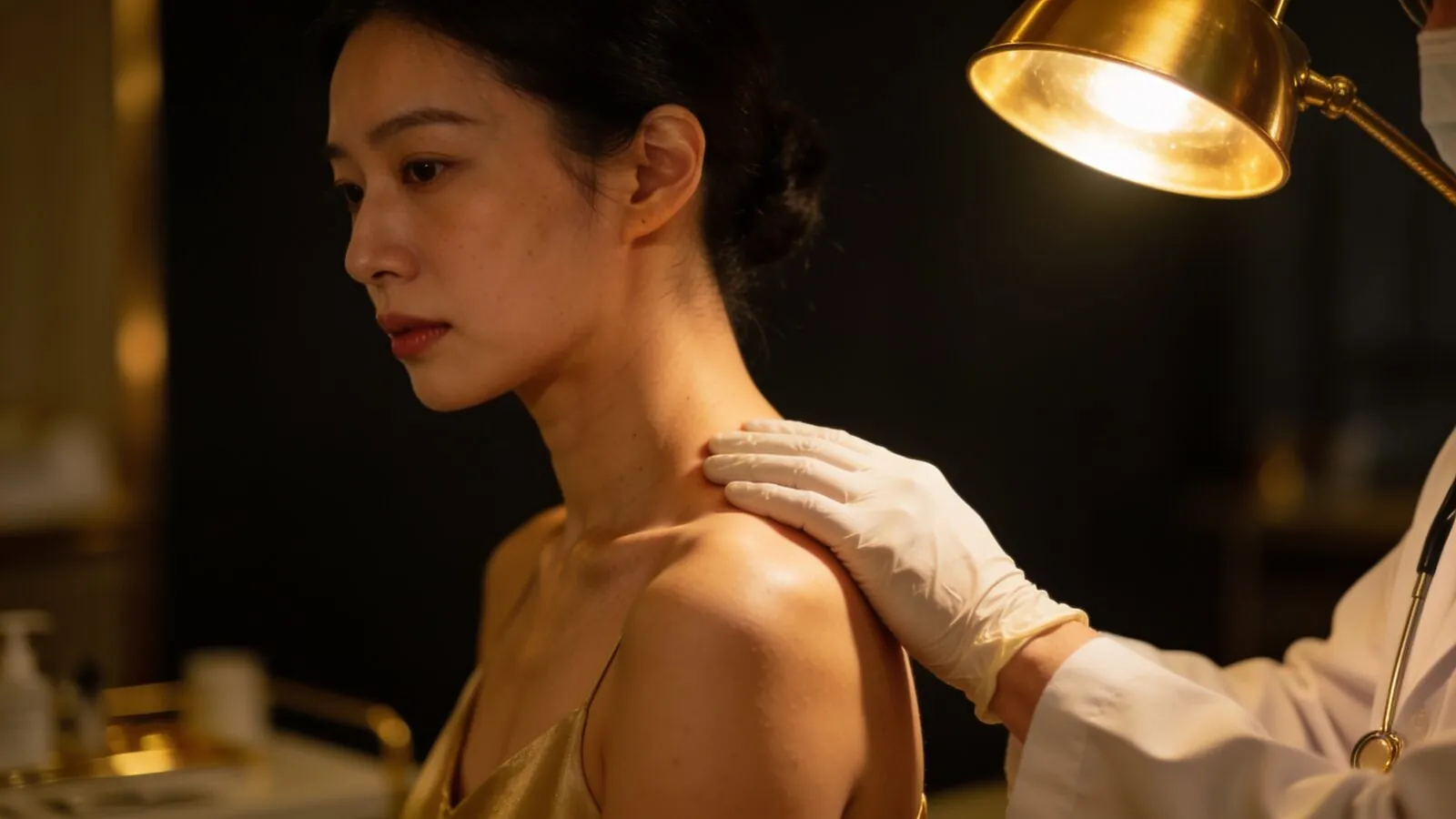
Two raised scars can look alike and behave like different diseases. A hypertrophic scar is an overenthusiastic repair that stays within the original wound and usually calms with time and treatment. A keloid is repair that never received the stop signal — it grows beyond the wound's borders, invades normal skin, and punishes careless treatment with regrowth. Telling them apart is the single most consequential step in scar management, because what works for one can inflame the other.
The question asked of every raised scar: has it stayed inside the wound, or claimed new territory?
Keloid vs hypertrophic scar comes down to the border of the original wound: a hypertrophic scar is raised but stays within the wound and tends to settle with time and treatment, while a keloid grows beyond the wound into normal skin and can regrow after excision alone. Telling them apart comes first, because management differs.
Key facts
Hypertrophic scar
Raised scar confined within the original wound boundary; tends to appear early and improve over 1–2 years
Keloid
Scar tissue extending beyond the original wound into normal skin; can start months late and keep growing
Chronic inflammation
Keloids behave as ongoing inflammation in the deep (reticular) dermis, not a finished scar
High-tension sites
Chest, shoulders, jawline, earlobes — skin tension and site strongly influence keloid risk
Genetics
Keloid tendency runs in families and is more common in Asian and African skin types
Intralesional therapy
Medication delivered directly into the scar — the backbone of keloid flattening
Recurrence risk
Excision alone can provoke a larger keloid; combination protocols exist to prevent exactly this
Draw the original wound in your mind — the cut, the piercing, the acne cyst, the BCG site. A hypertrophic scar is raised but honours that boundary. A keloid crosses it, spreading into skin that was never injured, often with a firm, sometimes itchy or tender advancing edge. Timing differs too: hypertrophic scars rise early and tend to soften over one to two years; keloids can begin months after the injury looked healed, and do not retire on their own. Ogawa's work frames keloids as chronic inflammation of the deep dermis — not a scar that finished badly, but a repair process that never stops.
“A keloid is not a scar that healed badly. It is a repair that never received the order to stop.”
Dr Sin YongOn why keloids need control, not just removal
Hypertrophic scar vs keloid at a glance
Feature
Hypertrophic scar
Keloid
Relation to the wound border
Raised but stays within the original wound
Grows beyond the wound into skin that was never injured
Timing
Rises early and tends to soften with time
Can begin months after healing; does not retire on its own
Advancing edge
Honours the wound boundary
Firm, often itchy or tender
Underlying biology
Over-enthusiastic repair that eventually stops
Chronic inflammation of the deep dermis; repair that never stops
Response to treatment
Responds to the same tools, faster
Controlled rather than erased; recurrence prevention built in
Excision alone
Usually settles with time and treatment instead
Frequently regrows, often larger; surgery only inside a combination protocol
Realistic aim
Settled, flatter scar
Flat, pale, quiet and comfortable; not gone without a trace
Why you, and why there
Keloid risk is written partly in your genes — family history is common, and Asian and African skin types are over-represented — and partly in mechanics. Skin under constant tension scars hardest, which is why the chest, shoulders, upper back and jawline dominate keloid clinics, and why earlobes after piercing are the classic exception that proves the rule: low tension, but a confined inflammatory nidus. Acne along the jaw and chest deserves respect in keloid-prone patients, because every inflamed cyst is a potential keloid seed, and treating the acne is genuinely preventive scar medicine.
Why 'just cut it out' backfires
Excising a keloid and walking away hands the tissue a fresh wound plus the same genetics and the same tension that built the first one — and the recurrence is frequently larger than the original. This is the best-documented trap in scar surgery. Surgery still has a place, particularly for pedunculated earlobe keloids, but only inside a combination protocol where the fresh wound is defended: intralesional medication, pressure where applicable, and scheduled review. A keloid plan without a recurrence-prevention arm is not a plan.
What treatment honestly looks like
For most keloids the backbone is intralesional therapy — medication injected into the scar tissue itself in a series of sessions, softening and flattening it while the itch and tenderness settle. Silicone sheeting and pressure add slow, steady help. Vascular and fractional lasers address redness and texture as the bulk responds, and resistant or bulky keloids are managed with combination approaches tailored at assessment. Hypertrophic scars respond to the same tools faster and more gratefully. The honest framing for keloids is control rather than erasure: flat, pale, quiet and comfortable is an achievable outcome; 'gone without a trace' is not a promise anyone should make.
Living with the tendency
A keloid-former's future skin decisions should account for it: piercings and tattoos in high-risk zones deserve genuine hesitation, elective procedures should be planned with prophylaxis, and any new surgical wound in a risk site benefits from early scar management rather than a wait-and-see year. Tell every doctor who treats you that you form keloids. It changes technique, suture choice and follow-up — quietly preventing the scars that never form is the least visible, most valuable work in this field.
Related The acne scar treatment Singapore guide sets out which scar gets subcision, TCA CROSS, FSX Laser or S3, and in what order.
Keloids — Frequently Asked Questions
The border decides. A raised scar confined to the original wound is hypertrophic; scar tissue spreading beyond the wound into normal skin is a keloid. Keloids also tend to start later, keep growing, and itch or ache at the advancing edge. Assessment settles ambiguous cases.
Keloids are controlled rather than erased. Combination treatment can flatten, soften, fade and de-symptom a keloid to the point it no longer draws the eye — but the underlying tendency remains, and honest management includes a recurrence-prevention plan, not a one-off procedure.
Excision alone gives keloid-prone tissue a fresh wound with the same genetics and tension that created the first keloid — regrowth, often larger, is the well-documented result. Surgery for keloids belongs inside a combination protocol that actively defends the new wound.
Injections into firm scar tissue are briefly uncomfortable; fine technique and topical numbing keep it very tolerable. Treatment is a series — response is assessed over successive sessions, with intervals and endpoints set by how the scar responds rather than a fixed package.
Skin tension. The chest and shoulder skin is under constant directional stretch, which keeps mechanical stress on any healing wound — and mechanical stress is a keloid trigger in prone individuals. These sites deserve the most caution with piercings, tattoos and elective skin trauma.
Yes — earlobe keloids respond well to combination management, and pedunculated ones are among the few where surgical removal (within a protection protocol) plays a routine role. Untreated, they tend to enlarge slowly, so earlier is easier.
Inflamed acne cysts along the jawline, chest and back are classic keloid seeds in prone skin. Treating active acne properly is genuine keloid prevention — the kindest scar treatment is the scar that never forms.
The tendency is partly hereditary, so children of keloid-formers carry a higher risk without any certainty. It is worth their knowing before elective piercings in high-risk sites — the same practical caution, one generation early.
Acne Scar Types: Icepick, Boxcar, Rolling — Icepick, boxcar, rolling and tethered acne scars respond to different methods. Why a scar map comes first, and how combi…
Assessment comes before any device or injectable is chosen.
Speak With Dr Sin Yong
Raised scars are typed before they are treated. Consultations on Orchard Road, Singapore.