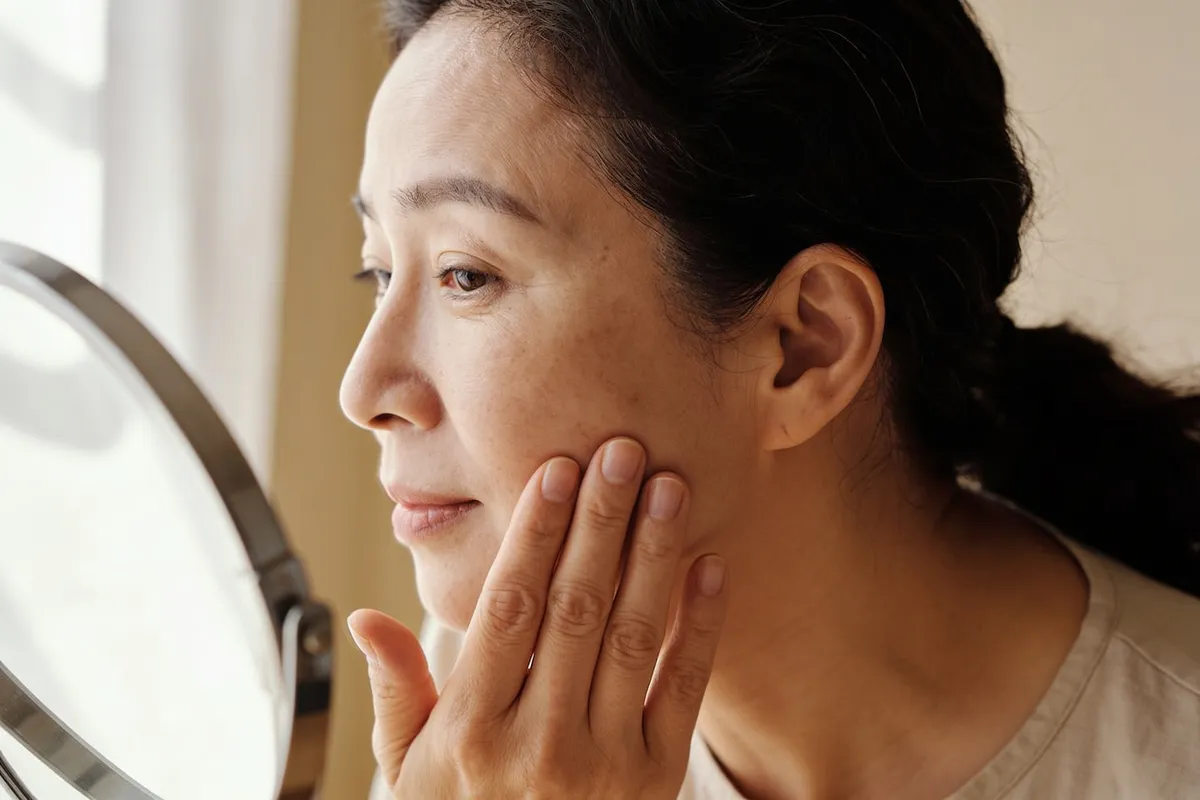
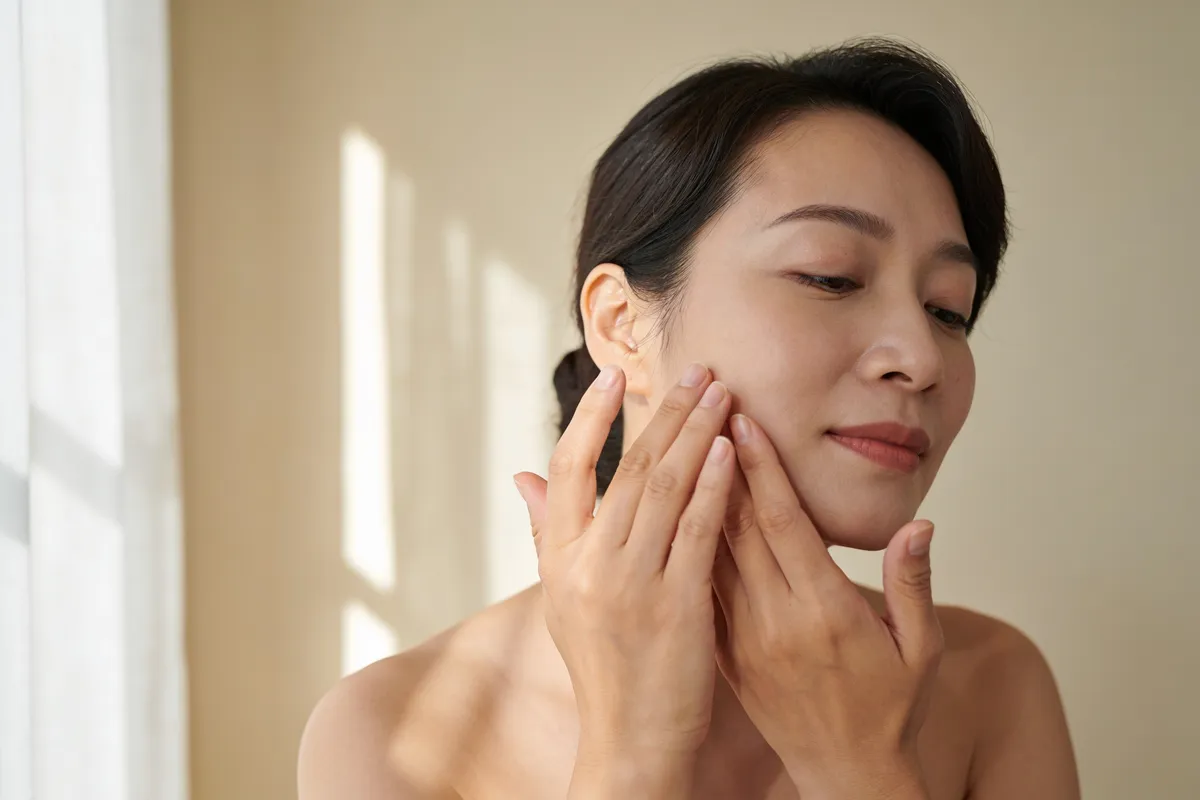
Lifting facials suit people wanting a short-term firmer, less puffy look before an event. Lasting lifting with HIFU, Thermage FLX or the VF Lift suits mild to moderate sagging with reasonable skin quality, while heavy sagging or excess skin may need surgery, which is referred.
Main guideNon surgical facelift Singapore — what it treats, who it suits, sessions, downtime and what decides the cost, by Dr Sin Yong.
Published 28 October 2026 · Reviewed by Dr Sin Yong
Time Freeze Laser LCLR®
I want to see the Time Freeze before and after
Singapore's advertising rules do not allow before-and-after photos on a clinic website, so they are not shown here. Tap the button and a WhatsApp message to the clinic opens with the request already written; send it and the team will reply with the Time Freeze Laser LCLR® before-and-after PDF.
WhatsApp +65 8023 7170 · replies within clinic hours · results vary and are assessed in person
A lifting facial works on the skin: cleansing, hydration, massage and surface devices can leave the face looking fresher, less puffy and brighter. What a facial cannot do is lift tissue that has dropped, because sagging comes from deeper layers: the SMAS, the ligaments and the fat pads. Lifting those needs energy placed at depth, or support beneath. Both have a place, for different jobs.
Short answerFacial lifting with a facial can make the face look firmer for a while by reducing puffiness and hydrating the skin, but it does not lift tissue that has dropped. Sagging needs energy at the deeper layers, or support beneath. Dr Sin Yong separates skin quality from position at assessment; for position, see face lifting treatment.
A lifting facial is a name used for many different treatments, and it does not describe one technology. In Singapore the term covers at least four kinds of facial:
Side light shows the depth and shape of acne scars. Illustrative image, not a patient.Hydration from within and skin hydration are different things. Illustrative image, not a patient.
Massage facials, including sculpting, lymphatic and bojin-style techniques, which use firm strokes to move fluid and relax tension.
Device facials, using low-level radiofrequency, microcurrent, LED or ultrasound handpieces passed over the skin.
Product facials, built around peptide serums, firming masks or cooling treatments that tighten the surface feel.
Booster modes on lifting devices, sometimes sold as a HIFU facial, which use a shallow handpiece to work in the skin rather than the deeper layers.
What they share is the layer they reach. Facials work on the epidermis and the upper part of the skin. They can change how skin looks and feels on the day: smoother, plumper, less puffy, with better colour. Those effects are real, and for a dull or dehydrated face they are the right tool.
The word lifting is where expectations go wrong. A face looks lifted after a facial mainly because fluid has been moved, the skin is hydrated and the surface reflects light better. As the skin settles back to its usual state, so does that look. Tissue that has descended has not moved, because nothing reached the layers that hold it up. How a manual facial compares is set out on bojin facial: what it can and cannot change.
What a facial can change
A facial can change the quality of the skin's surface, and that is worth doing in its own right. Two facials used here show what this looks like in practice.
LDM facial
An LDM facial uses therapeutic ultrasound that alternates rapidly between two megahertz frequencies, creating a micro-massage within the skin rather than sustained heat. It is directed at hydration, barrier support and calming reactive skin, and it is often used to help the skin settle around laser or injectable treatment. It is unfocused, low-intensity ultrasound, which makes it the opposite of HIFU: it does not heat the deeper layers and does not lift.
Hydrafacial
A Hydrafacial cleanses, exfoliates, extracts and hydrates in one visit, using a spiral-tip handpiece that loosens debris and delivers serum in the same pass. It works in the epidermis, the outermost layer of the skin, and does not create a wound or place product in the dermis.
What changes, in plain terms
Skin that looks clearer, smoother and more hydrated.
Less puffiness, for a while, where fluid has been moved.
Calmer, less reactive skin after treatment or in a sensitive phase.
A better surface for other treatments, such as lasers or skin boosters, to work on.
These are skin-quality changes. They make a face look well cared for. They do not change the position of the cheek, the jowl or the jawline.
“A facial looks after the skin. Lifting moves what sits beneath it. Both are useful, but they are not the same job, and neither can stand in for the other.”
Dr Sin YongOn lifting facials
What a facial cannot lift, and why
A facial cannot lift a sagging face because sagging does not start in the layer a facial reaches. The face is built in layers, and each ages in its own way:
Scar type is identified before a method is chosen. Illustrative image, not a patient.
The skin thins and loses collagen and elasticity, which shows as crepey texture and fine laxity.
The fat compartments beneath it deflate and slide downward. A 2007 dissection study of 30 cadaver hemifaces showed that this fat is divided into distinct, independent compartments, including separate nasolabial and jowl fat.
The SMAS and the retaining ligaments, the fibrous layer and the tethers that hold the face up, slacken.
The bone beneath remodels and offers less support. A review of the ageing facial skeleton, republished in 2020, described predictable resorption at the midface, the orbital rim and the prejowl area of the jaw.
Jowls, a softer jawline, deeper smile lines and sagging cheeks come mostly from the deeper three. To change them, a treatment has to deliver measured energy to the deep dermis or the SMAS so tissue contracts and remodels, or place support beneath the skin, or reposition tissue with threads. A facial does none of these. Massage moves fluid. Surface devices at facial settings warm the skin or stimulate it, but they are not designed to reach the depth or temperature needed for collagen remodelling in the deeper layers.
A facial also cannot remove skin, reduce a fat pad or replace lost volume. If a facial is described as an alternative to lifting, ask which layer it reaches, with what energy, and what evidence supports it. A genuine lifting device is a registered medical device, and its use is a medical decision.
Lifting facial or face lifting treatment: what each one reaches
The difference between a lifting facial and a face lifting treatment is the depth the energy reaches. The table sets the facials used here beside the lifting treatments, including one booster mode that is often confused with lifting.
Skin quality is assessed in natural light. Illustrative image, not a patient.Illustrative image — not a patient.
Treatment
Layer reached
What it changes
What it cannot do
LDM facial
The skin, by non-thermal micro-massage
Hydration, barrier, calm
Lift or tighten
Hydrafacial
The epidermis
Cleansing, extraction, hydration
Reach the dermis or change structure
Bojin or massage facial (medical facials used here instead)
Controlled dermal heating with two laser wavelengths
Dermal laxity and compact fat
Add volume to a hollow face
The booster row matters because the same device can do both jobs. In booster mode the Ultraformer MPT runs a shallow cartridge with a booster ampoule for skin quality; a booster pass does not lift sagging skin, and a lifting cartridge does not hydrate it. Asking which mode you are having avoids paying for one while expecting the other.
Which do you need: a facial, a lifting treatment or both?
Whether you need a facial or a lifting treatment depends on whether your concern is the skin's quality or its position.
Fine lines on the neck and chest reflect skin quality. Illustrative image, not a patient.
A facial tends to suit
Dull, dehydrated or congested skin.
Sensitive or reactive skin that needs calming.
Skin recovering around laser or injectable treatment.
Puffiness that comes and goes with sleep, salt or travel.
A lifting assessment tends to suit
A jawline that has softened in photographs.
Jowls forming beside the chin, or a heavier lower face.
Deeper smile lines with a cheek that sits lower than it did.
Loose skin under the chin or on the neck.
A simple check helps. Place your fingertips on your cheekbones and lift gently back towards the ears. If the face looks the way you want in that position, something has descended, and a facial will not put it back. If what bothers you is texture, tone or dryness, a facial is a reasonable place to start.
Many people benefit from both, for different reasons. A lifting treatment works on position; a facial keeps the skin in good condition around it. The order and spacing are decided by the doctor, because some facials are timed around energy treatment rather than done on the same visit. Lifting plans by layer are set out on sagging face treatment, and the energies compared on skin tightening treatment.
Lifting facial: what it can and cannot do
What a lifting facial does
Massage, microcurrent, radiofrequency or LED facials can make skin look firmer and less puffy for a short time by improving circulation and fluid drainage.
What it cannot do
A facial does not reposition sagging tissue or build much collagen. Lasting lifting needs medical treatment such as radiofrequency, focused ultrasound or threads.
Combining facials with medical lifting
Facials such as the HydraFacial or LDM facial can maintain skin quality between medical lifting treatments.
Stop asking for more fillers. If your face is looking heavy, filler isn't the fix; it might be the reason. Ageing is descent. The support layer loosens and everything drifts downwards. Adding volume to something that's already falling adds weight to the fall. We train other doctors on placement, and this is the first thing that we teach. The question isn't how much. It's what's actually sagging. Get assessed before anyone injects into your face.
Transcript of Dr Sin Yong's video, lightly edited for reading.
When to see a doctor rather than have a facial
A face that droops suddenly or on one side only, with or without slurred speech or weakness in an arm, is a medical emergency and not a cosmetic concern; call an ambulance.
A facial does not treat structural sagging, a changing mole, active infection or a rash; these are examined by a doctor first.
Facial lifting is used in Singapore for two different things: a facial that makes the skin look firmer, and a medical lifting treatment that reaches the layers beneath. These answers keep the two apart.
Which facial is best for sagging skin?
No facial lifts sagging skin, because sagging starts below the layer a facial reaches. A facial can help the skin itself: an LDM facial for hydration and calm, or a Hydrafacial for cleansing and hydration. Where the cheek, jowl or jawline has dropped, the question becomes which lifting treatment suits the layer that has changed, and Dr Sin Yong assesses that in person.
How often should I have a lifting facial?
That depends on your skin and what the facial is for, rather than on a set schedule. Because a facial works on the surface, having more of them does not change the position of tissue that has descended. If the firmer look keeps fading back, the concern is probably position rather than skin quality, and an assessment for lifting is the more useful next step.
Can gua sha or facial massage lift the face?
Massage and gua sha move fluid, so the face can look less puffy for a while. They do not reposition fat pads or tighten ligaments. Facial exercise has a little evidence: in a small, uncontrolled 2018 study, blinded raters scored the cheeks of 16 women as fuller after a daily exercise programme. None of these shortens loose skin.
At what age should I start facial lifting treatments?
There is no starting age. A facial suits skin of any age that is dull, dehydrated or reactive. A lifting treatment is considered when the face shows laxity or descent, which as a guide often begins with early skin laxity in the thirties. The deciding question is which layer has changed, and an assessment can end with a facial, a lifting plan or no treatment.
How Dr Sin Yong approaches a request for a lifting facial
When someone asks Dr Sin Yong for a lifting facial, he first asks what they want to change. He examines the face himself on Orchard Road, separates skin quality from laxity, volume loss and fat, and says plainly when a facial will not reach the concern.
The plan follows what the skin shows on the day. Illustrative image, not a patient.
Where the skin itself is the issue, an LDM facial or a Hydrafacial may be all that is needed. Where the face has descended, he discusses focused ultrasound, monopolar radiofrequency, laser or threads, chosen for the layer that has changed, and sometimes a facial alongside to support the skin. He performs HIFU, Ultherapy Prime, Thermage FLX and the VF Lift – Vertical Facelift himself, so the recommendation follows the anatomy rather than the device in the room.
Questions worth asking anywhere
Which layer of the face does this treatment reach?
Is the device registered with the Health Sciences Authority as a medical device?
Who examines the face, and who holds the handpiece?
What will it not do for my concern?
Fees are not published; a written quote follows the assessment, as how fees are quoted explains, and the assessment can end with no treatment advised.
Your next step
1. MessageWhatsApp +65 8023 7170 with what is bothering you. A reply comes from the clinic, not a bot.
2. AssessmentDr Sin Yong examines you himself on Orchard Road, with ultrasound where earlier filler is involved.
3. A plan in writingWhat he would do, what he would not, the fee factors, and the option of no treatment.
Every treatment is performed by Dr Sin Yong personally. Singapore Medical Council registered · invited to share his clinical expertise internationally for CLASSYS, DEKA, Fotona, Hironic and Ilooda.
Book an assessment with Dr Sin Yong on Orchard Road to find out whether your concern is the skin's quality or its position. How consultations work.
Time Freeze Laser LCLR®, in one line. Dr Sin Yong uses it to lift every zone of the face and neck, to take away excess filler in the same session, and to reduce loose fat in sagging areas while the skin tightens. The three uses, explained · Sculpting mode for excess filler.
A device is only a device. Ultherapy Prime, Thermage or a filler syringe is a tool, like a suture; technique, experience and customisation to the face decide the result. Why technique, not the device, decides the result.
Ask about Lifting facial
Leave your name, mobile number and email and the clinic will contact you directly.
Thank you — your enquiry has been received. The clinic will contact you during opening hours (Mon–Fri 10am–8pm, Sat 11am–3pm).
Facial lifting: what to expect during treatment, recovery, and cost
Facial lifting that changes the support of the face needs energy that reaches the deeper layers, which a facial cannot do; here, HIFU is from $1,500 per session.
What to expect during a lifting treatment
The face is mapped, numbing is used where needed, and the energy is delivered zone by zone; most treatments take 30 to 90 minutes, with warmth or brief aches.
Recovery
Redness and mild swelling settle within hours to a few days; most people return to work the same day, and the lift builds over two to three months.
What decides the cost
The method, the areas treated and the number of sessions; facials cost less per visit but do not lift, so they are planned for skin quality rather than lifting.
Frequently Asked Questions
Every 2 to 4 weeks for maintenance, as effects are short-lived.
Radiofrequency, focused ultrasound, threads and collagen stimulators can lift mild to moderate sagging. Dr Sin Yong uses the VF Lift – Vertical Facelift, a radiofrequency protocol, and Time Freeze Laser LCLR® for loose fat.
A surgical facelift costs much more than non-surgical lifting. At this practice, HIFU starts from $1,500 per session; other lifting plans are priced after assessment.
A lifting facial gives a short-lived glow and tightness of days. Non-surgical lifting with RF or HIFU usually lasts around a year and needs maintenance.
A lifting facial works on the skin surface with cleansing, hydration, massage and surface devices, so it can leave the face looking fresher but does not move tissue. A facelift is surgery, in which a plastic surgery specialist repositions the deeper layers and removes excess skin. Between them sit non-surgical lifting treatments, which deliver energy to deeper layers or add support, chosen by which layer has changed.
Not in the sense of moving tissue that has dropped. A facial can make the face look firmer and fresher for a while by reducing puffiness, hydrating the skin and improving how it reflects light. Sagging comes from the fat pads, ligaments and SMAS beneath the skin, which a facial does not reach. Lifting those needs energy at depth, support or threads.
A facial can make the skin feel tighter on the surface, especially with cooling, firming masks or massage, but it does not remodel the collagen in the deep dermis or contract the SMAS. Mild crepey laxity of the skin envelope is treated with devices such as Thermage FLX or the VF Lift – Vertical Facelift, which heat the deep dermis under medical settings.
No. An LDM facial uses unfocused, low-intensity ultrasound that alternates between frequencies to create a micro-massage in the skin, aimed at hydration and calm. HIFU focuses ultrasound to small points at set depths to heat the dermis and SMAS so lax tissue remodels. Both are called ultrasound, but they reach different layers and do different jobs.
A HIFU facial usually means a shallow booster mode that works in the skin, sometimes with an ampoule, for skin quality. HIFU lifting uses deeper cartridges, such as 3.0 mm and 4.5 mm, to place heat in the deep dermis and SMAS for laxity. A booster pass does not lift sagging skin. Ask which cartridge and depth will be used.
Microcurrent facials stimulate the skin and muscles with a low electrical current, and people often notice a temporary firming. The evidence that they lift descended tissue in a lasting way is limited, so Dr Sin Yong uses lifting treatments instead. If the concern is sagging, an assessment separates laxity from volume loss and fat so a treatment that reaches the right layer can be chosen.
Usually, yes, and a facial can help keep the skin in good condition around lifting. The timing matters: some facials are spaced around energy treatment rather than done on the same visit, and pressure on the face is avoided while it is tender. The doctor plans the order so each treatment supports the other.
A face lifting treatment for a lean face should lift without taking away fat, which rules out focused ultrasound for many thin faces. Dr Sin Yong uses the VF Lift – Vertical Facelift, which lifts and supports volume with the patient's own tissue, and reserves HIFU for faces with fat to spare.
A facial lifting treatment at a spa improves hydration and temporarily tones the skin, but it does not reposition fat pads or tighten the deeper layers. Lasting facial lifting comes from energy devices and, for lean faces, the VF Lift – Vertical Facelift, which Dr Sin Yong plans after an assessment.
Facial lifting is a broad term. In a salon it usually means a lifting facial: massage, masks, microcurrent or low-energy devices that work on the skin and can leave it fresher and less puffy for a while. In a medical clinic it means treatment that heats or repositions deeper tissue, such as the VF Lift – Vertical Facelift, Time Freeze Laser LCLR®, focused ultrasound or threads, chosen after an examination. Where skin hangs in folds, surgery is the option.
It should be. A lifting facial is usually performed by a therapist and is not a medical procedure. Facial lifting with energy devices or threads is, and it should be planned and performed by a doctor at an MOH-licensed clinic, on a device registered with the Health Sciences Authority. Here the assessment and every lifting treatment are carried out by Dr Sin Yong on Orchard Road, Singapore.
Treatments that tighten skin and deeper tissue with energy such as radiofrequency, focused ultrasound or laser, or with threads, without surgery.
Adults with mild to moderate laxity who want a natural change with little downtime.
Usually around a year, with maintenance.
Usually little: redness or mild swelling for hours to a day or two.
Yes, with the right method; Dr Sin Yong uses VF Lift for lean faces rather than HIFU.
For many people, lifting gives a more natural result without volume or overfilling.
Lifting facials are comfortable. Energy-based lifting such as HIFU or the VF Lift causes warmth or brief deep prickling at some points, and numbing cream or adjusted settings keep it tolerable; most people return to normal activities the same day.
Yes. A gentle facial such as HydraFacial or an LDM facial can prepare and refresh the skin, while lifting is done with HIFU, the VF Lift or Time Freeze Laser LCLR®.
References
A Systematic Review of the Efficacy of Microfocused Ultrasound for Facial Skin Tightening. International Journal of Environmental Research and Public Health, 2023. source
The fat compartments of the face: anatomy and clinical implications for cosmetic surgery (Rohrich RJ, Pessa JE). Plastic and Reconstructive Surgery, 2007. pubmed.ncbi.nlm.nih.gov
Changes in the facial skeleton with aging: implications and clinical applications in facial rejuvenation (Mendelson B, Wong CH). Aesthetic Plastic Surgery, 2020. pubmed.ncbi.nlm.nih.gov
Association of Facial Exercise With the Appearance of Aging (Alam M, Walter AJ, Geisler A, et al.). JAMA Dermatology, 2018. jamanetwork.com
About this page: written and medically reviewed by Dr Sin Yong, MBBS (NUS), MRCS (Edinburgh) · Last reviewed 7 November 2026 · Illustrative images only, not patients · Editorial policy