Published 10 October 2026 · Reviewed by Dr Sin Yong
An insulated microneedle is an RF microneedling needle whose shaft is coated with an insulating layer, so the radiofrequency energy is released only from the uncoated tip. The surface of the skin is largely spared while heat is placed at the chosen depth. A non-insulated needle releases energy along its whole length, including at the surface.
Key facts
What is coated
The needle shaft; the tip is left bare
Effect
Heat at the tip depth, with less heating of the epidermis
Non-insulated
Energy along the whole shaft, including the surface layers
Examples in FDA filings
Potenza insulated and semi-insulated tips (K231216); Scarlet Pro insulated and non-insulated tips (K253859)
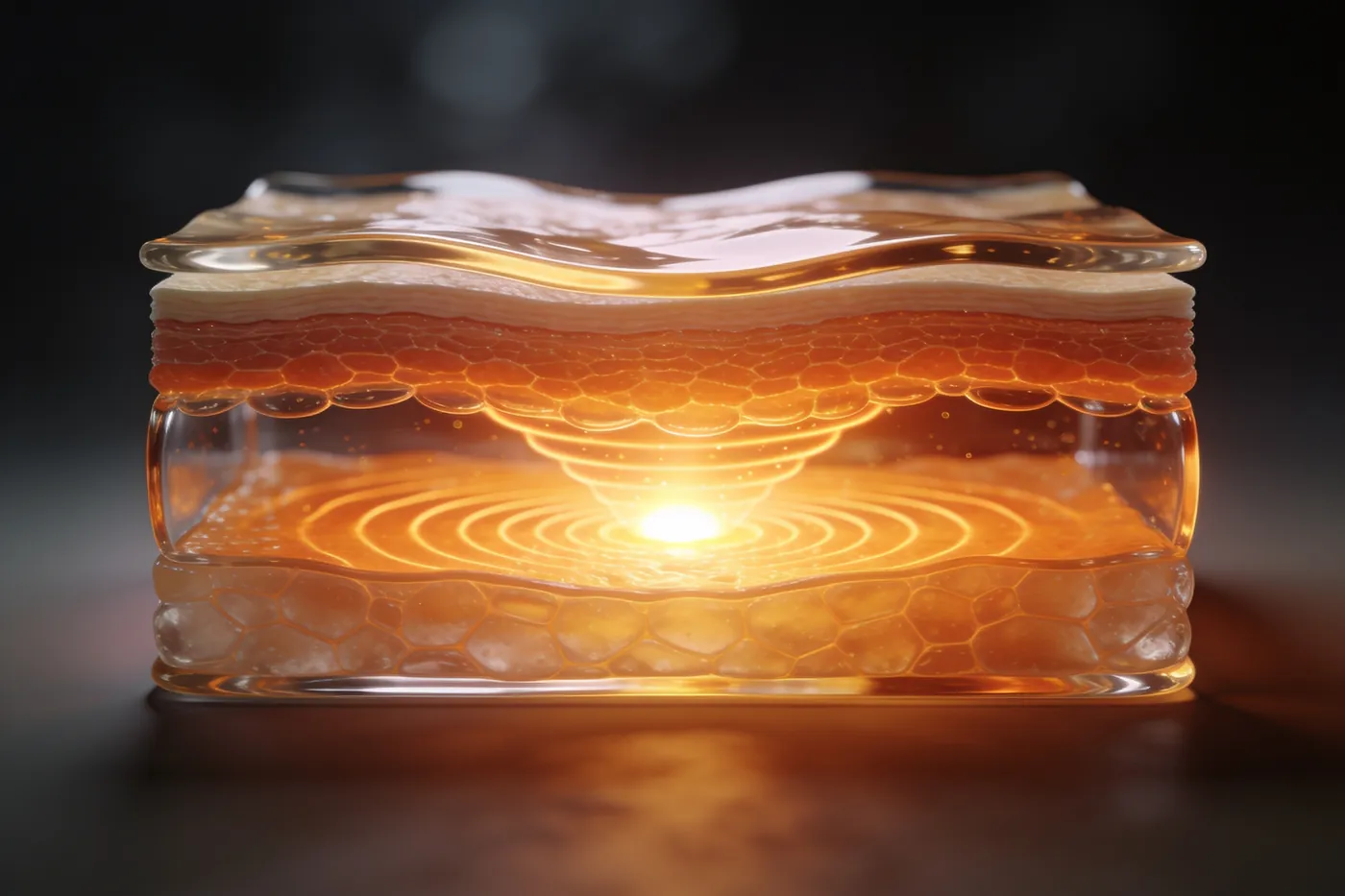
Insulated needles release energy at the tip; non-insulated needles along the whole shaft. Schematic, not to scale.
Where insulated microneedles matter on this site
Needle insulation comes up on this site wherever RF microneedling is planned for Asian skin, because it decides whether the epidermis is heated on the way down. The pages below are where that choice is explained and compared.
RF microneedling in Asian skin: why insulated needles matter in Fitzpatrick III to V skin, and what else in the settings protects the surface.
Secret RF: the Secret DUO platform Dr Sin Yong uses, with needle type set per treatment by cartridge.
RF microneedling: the treatment page, by concern, with what it is combined with.
On each page the needle is treated as a setting chosen for the skin and the target, not as a feature of the brand.
Not to be confused with
Several needle and energy terms sound alike and describe different things.
Plain microneedling. Needles with no energy at all; the injury itself is the stimulus. The microneedling vs RF microneedling page sets out what each changes.
Semi-insulated needles. Partly coated, so energy is released from a longer exposed section than an insulated tip. Some FDA filings list insulated and semi-insulated tips on the same platform.
Bipolar radiofrequency. Describes how current flows between electrodes, not whether the needle is coated. Most RF microneedling is bipolar; insulation is a separate choice.
Fractional laser. Light, not current, creating columns of heat from the surface down; there is no needle to insulate.
Pulsed-wave RF. A way of delivering energy over time, discussed on the Sylfirm X page. It is not the same as insulation.
When comparing offers, ask which needle type and which depth are planned for your skin, rather than which device is used.
What decides whether needle insulation matters for you
Insulation matters more for some skin and some targets than others. These are the questions that decide it.
Your Fitzpatrick type. In types III to V, heat in the epidermis is a signal for pigment, so sparing the surface carries more weight; the grade is explained under Fitzpatrick skin type.
The target depth. Deep scars and laxity sit in the mid and deep dermis. Surface texture sometimes calls for heat in the upper layers too, which is when a non-insulated needle may be chosen on purpose.
A history of post-inflammatory darkening. Skin that has darkened after earlier procedures is planned more conservatively; see post-inflammatory hyperpigmentation.
Active acne, melasma or a tan. Needling through any of these raises the inflammatory load, whatever the needle.
The rest of the settings. Energy, passes and spacing between sessions shape the risk as much as the coating does.
Why the needle type is worth asking about
In skin of colour, heat in the epidermis is one of the factors linked to post-inflammatory hyperpigmentation. A review of usage, safety and efficacy of RF microneedling in skin of colour discussed needle insulation alongside energy, depth and passes as settings that shape that risk (Syder, Dermatol Surg 2023). Non-insulated needles are not wrong: some protocols use them on purpose to treat the upper layers as well.
Many devices now offer both types. Which one is right depends on the problem being treated and the skin, so it is a question for the consultation rather than a feature to choose from a brochure. Related: post-inflammatory hyperpigmentation and bipolar radiofrequency.
“An insulated needle lets me heat the dermis and leave the surface alone, which is the whole point on darker skin.”
Dr Sin Yongon insulated microneedle
Frequently Asked Questions
A needle that is coated along part of its shaft, leaving a longer exposed section than an insulated tip. Energy is therefore released over a greater length of the track, which places some heat higher in the dermis while still sparing the very surface more than a non-insulated needle. Some platforms offer insulated, semi-insulated and non-insulated tips, and the choice is made per treatment for the skin and the target.
RF microneedling is used for acne scars whose problem is lost dermal collagen with nothing holding the floor down: untethered rolling scars and shallow boxcar scars. Insulated needles place that heat beneath the scar while sparing the surface. Ice-pick scars and tethered scars usually need other steps first, such as TCA CROSS or subcision. The scar type is confirmed at assessment before needle type, depth and energy are chosen, and the plan often combines more than one approach.
Not in every case. They spare the skin surface, which can matter in darker skin types; non-insulated needles are sometimes chosen deliberately to treat the surface too.
Ask about the specific cartridge. Needle type varies by tip on most platforms, so it is set per treatment.
References
Syder NC, Chen A, Elbuluk N. Radiofrequency and radiofrequency microneedling in skin of color: a review of usage, safety, and efficacy. Dermatol Surg. 2023;49:489. doi:10.1097/DSS.0000000000003733 (PMID 36826381). source
Chandra S, et al. Physics of fractional microneedle radiofrequency. J Cutan Aesthet Surg. 2024;17:177. doi:10.25259/jcas_98_23 (PMID 39483649). source
US FDA 510(k) summary K231216 — Potenza tips (Jeisys Medical Inc.), 2024: insulated and semi-insulated tips; depth 0.5–4.0 mm in 0.25 mm steps. source
US FDA 510(k) summary K253859 — Scarlet Pro (Viol Co., Ltd.), 2026: insulated and non-insulated 25- and 49-pin tips; depth 0.5–3.5 mm in 0.1 mm steps. source
Comparative Efficacy and Safety of Fractional CO2 Laser and Microneedling Radiofrequency for Atrophic Acne Scars: A Systematic Review. PMC. pmc.ncbi.nlm.nih.gov
Postinflammatory Hyperpigmentation: A Review of the Epidemiology, Clinical Features, and Treatment Options in Skin of Color. Journal of Clinical and Aesthetic Dermatology (PMC), 2010. pmc.ncbi.nlm.nih.gov