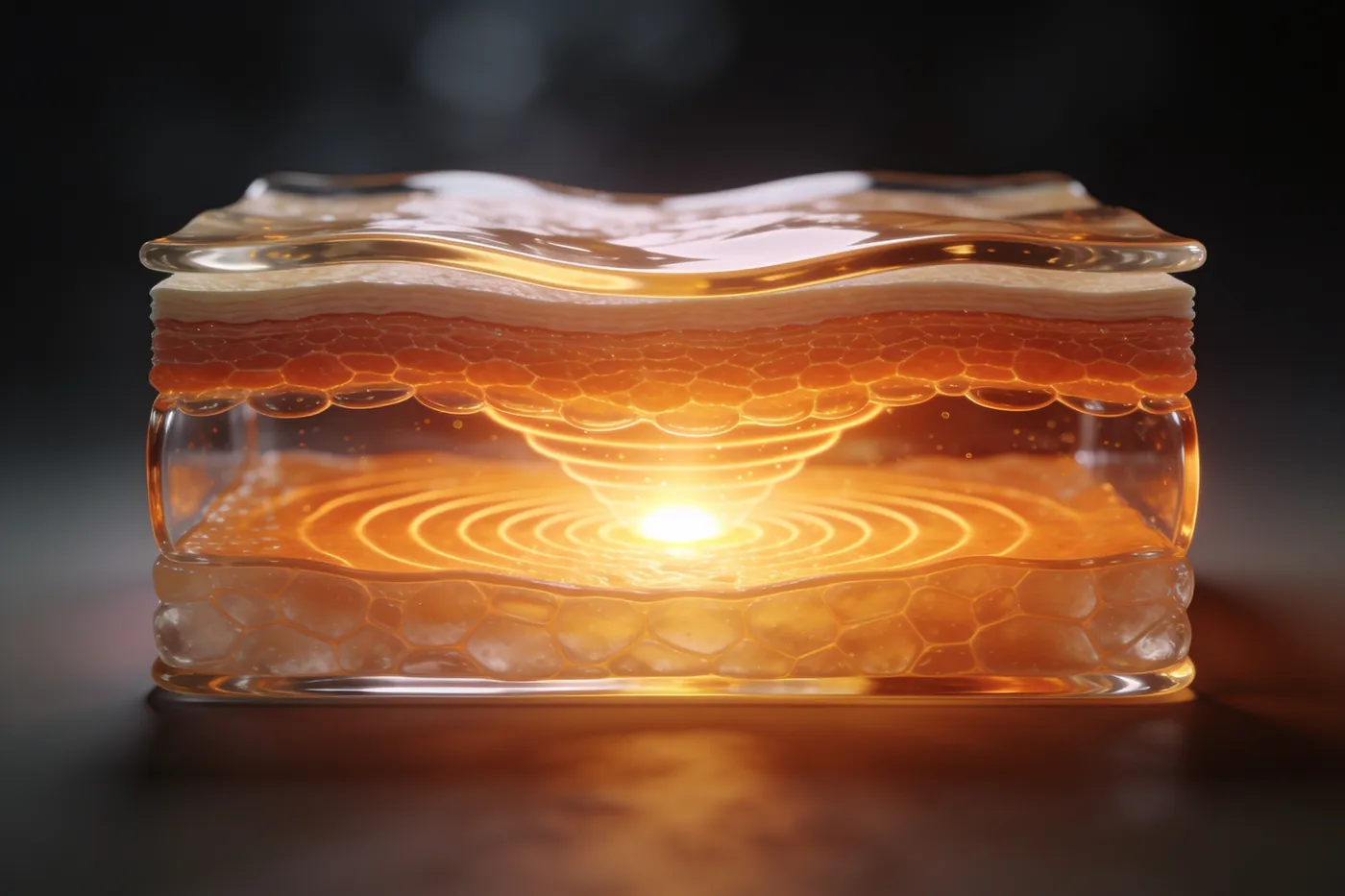
Home HIFU devices are consumer gadgets sold for skin tightening, and their labels rarely state the depth or energy delivered. Some use low-energy focused ultrasound; others sold under similar wording use radiofrequency, microcurrent or light. Clinic HIFU is set by a doctor after assessment, and pregnancy, implants, recent filler and eye-area use call for caution.
Key facts
- What HIFU means
- High-intensity focused ultrasound, converged to small points of heat at a set depth beneath intact skin
- Clinic platforms
- Face cartridges at defined depths, down to the SMAS at 4.5 mm, with energy set by a doctor after assessment
- Home devices
- Vary widely; one home-use device studied worked at a single 3.0 mm depth, tested in an animal model
- Singapore regulation
- Medical devices must be registered with HSA before supply, except low-risk Class A devices
- Not medical devices
- Products for general well-being without specific medical claims, as HSA states
- Reported HIFU risks
- Nerve irritation with numbness, fat loss with over-treatment, burns or welts, and eye injury near the eyelids
- Who should not
- Pregnancy, implants or threads in the area, recent filler, active skin infection, use near the eyes
What is a home HIFU device, and is it really HIFU?
A home HIFU device is a handheld gadget sold for use without a clinician, usually marketed for tightening, lifting or firming. The name borrows from clinic high-intensity focused ultrasound, in which a transducer converges ultrasound energy to small points at a set depth so that the tissue there is heated while the surface is spared. Whether a given home gadget does that, at what depth and with how much energy, is not something the box or the online listing reliably tells you.
Some home units do deliver focused ultrasound. A preclinical study of one home-use micro-focused ultrasound device described it working at 7 MHz at a single depth of 3.0 mm in the dermis, at energy settings its authors chose with side effects in mind, and tested it in an animal model. Other gadgets sold for lifting under similar wording use different technologies altogether, such as radiofrequency, microcurrent, LED light or ultrasound that is not focused.
The four letters, in other words, describe a category rather than a specification. The first question about any device is what it actually delivers, to which layer, and on what evidence. Many listings also carry labels such as 4D or 7D; these are marketing terms rather than medical classifications, and a higher number does not mean deeper or better treatment.
How does clinic HIFU differ from a home device?
Depth is the first difference. Clinic platforms such as the Ultraformer MPT used at this practice carry face cartridges built to defined depths of 1.5, 2.0, 3.0 and 4.5 mm, with the 4.5 mm cartridge reaching the SMAS, the fascial layer addressed in a surgical facelift. Which depth goes where is decided by palpating tissue thickness zone by zone, and the deepest cartridge is kept to areas with enough tissue above bone.
Assessment is the second. Before any energy is delivered, a doctor decides whether the problem is laxity at all, rather than volume loss or a full fat pad, maps where the marginal mandibular nerve, the thyroid and the orbital rim lie, and keeps energy away from them. Energy and sequence are adjusted during treatment in response to how the tissue and the patient respond, rather than run from a preset. The full approach is set out on the HIFU Singapore page.
Responsibility is the third. In a clinic, a side effect such as a welt, persistent numbness or a burn is assessed and managed by the doctor who treated you. At home, the user is operator, assessor and first responder at once, often without knowing what depth the device works at.
“HIFU is an umbrella term. The devices differ in transducer design, imaging and clearance; they are not interchangeable.”
Dr Sin YongOn what HIFU actually denotes
How does HSA regulate HIFU and other beauty devices?
In Singapore, the Health Sciences Authority regulates medical devices: products with a physical or mechanical effect that are used to diagnose, alleviate or treat conditions, or to monitor bodily functions. Medical devices must be registered with HSA before they can be supplied in Singapore, except low-risk Class A devices, and registration requirements depend on the device's risk classification. HSA publishes a searchable Singapore Medical Device Register.
HSA also states that products used to maintain or support general well-being without specific medical claims, such as body toning equipment and massagers, are not medical devices. Whether a particular beauty gadget falls under medical-device rules therefore depends on how it is classified and what it is intended and claimed to do, and a device sold online as a beauty or wellness product may not have been assessed by HSA as a medical device at all. Advertising of medical devices is also regulated, and HSA places the responsibility for complying with the relevant legislation and guidelines on the advertiser.
The practical steps are straightforward: note the exact brand and model, check whether it appears on the Singapore Medical Device Register, and be cautious of listings that make medical claims for a product that is not registered. Physician clinics use registered medical devices with cartridges built to defined depths and frequencies. For comparison, the United States FDA classifies focused ultrasound systems for aesthetic use as Class II devices subject to special controls.
What risks have been reported with focused ultrasound?
HIFU is a thermal treatment, and its reported risks follow from heat placed at depth. A 2025 review of complications in aesthetic HIFU, drawn from treatments given by professionals, describes common transient effects such as redness, swelling and discomfort, and less common but more significant events: temporary numbness along the jaw from nerve irritation, fat loss with repeated applications at short intervals, and eye injuries when energy was delivered close to the eyelids. The review advises that the probe should not be placed on the eyebrow arch or the eyelid.
The same review links complications to improper device settings, inadequate practitioner expertise and insufficient patient assessment. Each of those is harder to control at home, where the user may not know the device's focal depth, cannot see the nerve courses beneath the skin, and is working on their own face in a mirror.
Burns, linear welts and, rarely, scarring can follow poor coupling of the transducer to the skin, energy fired over bone, or settings that ignore skin thickness. Those are matters of device, depth and judgement rather than chance, which is why clinic treatment is planned individually after examination.
Who should not use a home HIFU device?
Some people should not use any focused ultrasound device without medical advice: anyone who is pregnant; anyone with metal implants, plates, an implanted device or threads in or near the area; anyone with recent filler in the treatment plane; anyone with active infection, open wounds or inflamed acne in the area; and anyone with a history of keloid scarring.
A lean or volume-depleted face is another caution. Where there is little fat between skin and bone, heat at depth can contribute to further fat loss and a more hollow look, the opposite of what most people buying a tightening device want. Sagging that is really volume loss, or heavy redundant skin, is not something any energy device addresses.
The eye area deserves particular caution. Thin skin over the orbit, and reported eye injuries with professional devices used near the eyelids, make it a zone to avoid with any home gadget.
What should you do before you buy, or if you already own one?
Start with what the complaint actually is. Laxity of the SMAS, thinning of the dermis, volume loss and surface texture each call for different tools, and tightening the wrong layer, at home or in a clinic, does not help. The comparison of focused ultrasound and radiofrequency explains why those two technologies do different jobs, and the HIFU treatment guide sets the main platforms side by side by mechanism. A doctor can also tell you whether your concern is one that an energy-based treatment addresses at all, which is often the more useful answer before anything is bought.
If you already own a device, check its make and model against the register, read what depth and energy it claims, and follow the manufacturer's contraindications. Stop and have the skin reviewed by a doctor if you notice blistering, a welt that does not flatten, numbness that persists, pain that increases, or any change in facial movement. Bring the device details with you.
Clinic HIFU fees are not published on this site; cost depends on the area, the cartridge depths used, the number of lines the plan requires and whether HIFU is combined with other treatment. Dr Sin Yong, MBBS (NUS), MRCS (Edinburgh), MSc Aesthetic Medicine with Distinction (Queen Mary, London), MSc Practical Dermatology (Cardiff), assesses laxity personally at Orchard Road, and will say plainly when a lifting device, at home or in a clinic, is the wrong tool for the face in front of him.