Price. Price here: vaginal laser from $1,500 per session
Sessions. In Singapore, clinics usually run Emsella as a short course: the manufacturer protocol is six sessions of about half an hour, two a week, with some clinics suggesting occasional maintenance.
Quick answers
Emsella in Singapore: what it does, and what is offered here
Emsella is a BTL chair that uses high-intensity focused electromagnetic (HIFEM) energy to contract the pelvic floor muscles while you sit clothed, mainly for urinary leakage. It is explained here for comparison: Dr Sin Yong performs the GF Lift, which uses radiofrequency on the vaginal tissue for laxity and dryness, and refers to a women's health physiotherapist where the pelvic floor needs training.
For tissue laxity rather than pelvic floor muscle, laser vaginal tightening is explained separately.
How the type of leakage is assessed, and why pelvic floor training comes first, is set out under stress incontinence.
Emsella and the GF Lift – Girl’s Friend Lift are often mentioned together, but they work on different things. Emsella is a chair that makes the pelvic floor muscles contract; the GF Lift uses radiofrequency heat on the vaginal wall, the opening and the outer labia. Which suits depends on what the examination finds.
Short answerEmsella uses high-intensity focused electromagnetic energy, delivered while you sit clothed on a chair, to make the pelvic floor muscles contract strongly; it is aimed at muscle strength and urinary leakage. The GF Lift uses monopolar radiofrequency on the tissue of the vaginal wall and outer labia; it is aimed at laxity. Muscle weakness and tissue laxity often coexist, which is why examination comes first.
Vaginal “looseness” has two separate parts. One is the pelvic floor, the sling of muscle that supports the bladder, uterus and bowel and squeezes around the vagina. The other is the tissue of the vaginal wall and opening, whose collagen can be stretched by childbirth and thinned by falling oestrogen. Emsella is aimed at the first; the GF Lift at the second.
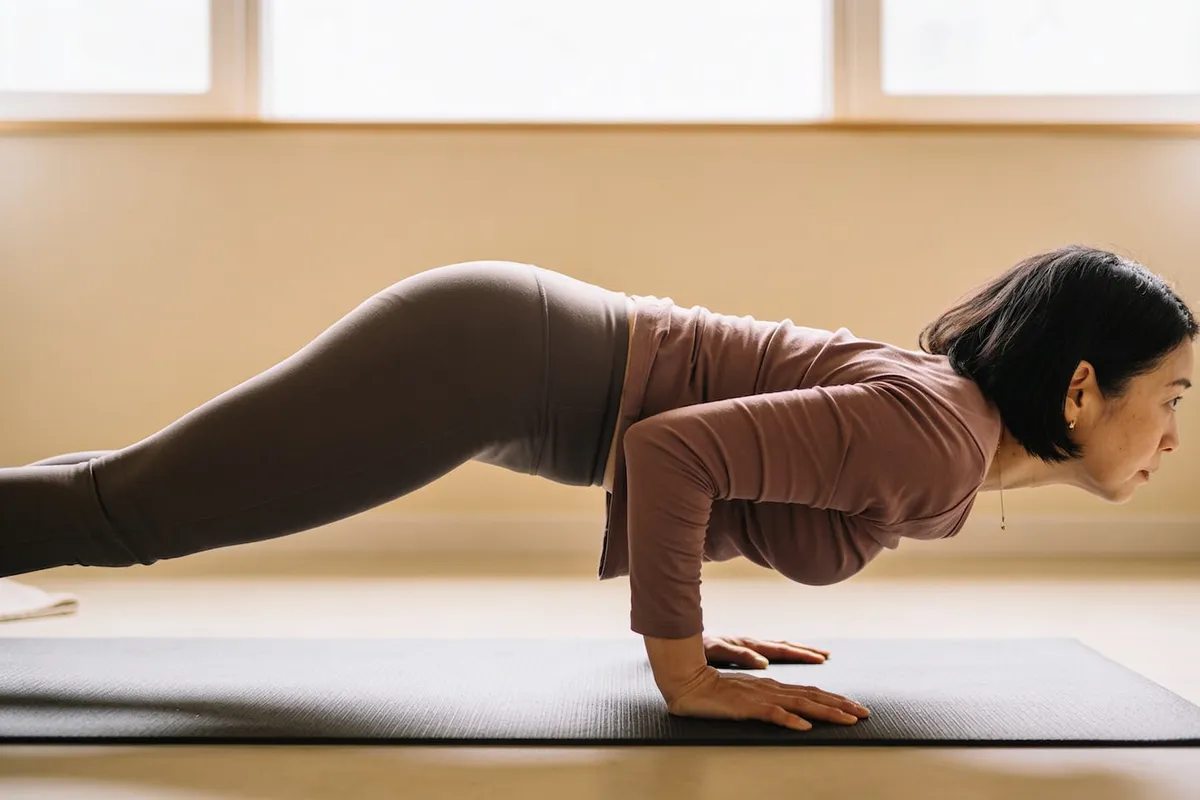
Many women raise these concerns only at a private consultation. Illustrative image, not a patient.Illustrative image — not a patient.
What Emsella is
Emsella is made by BTL. You sit fully clothed on a chair while high-intensity focused electromagnetic energy causes strong, repeated contractions of the pelvic floor muscles, many more than you could do voluntarily. It is marketed for urinary leakage and pelvic floor strength. It does not heat the vaginal wall and does not change the outer labia.
What the GF Lift is
The GF Lift – Girl’s Friend Lift is Dr Sin Yong’s radiofrequency protocol on Volnewmer, the same platform as his VF Lift. A sterile, single-use tip warms the vaginal wall and opening, and the outer labia are treated externally, with the heat directed at collagen. Where darkening is a concern, R2T2 brightening is added. It does not strengthen the pelvic floor muscles.
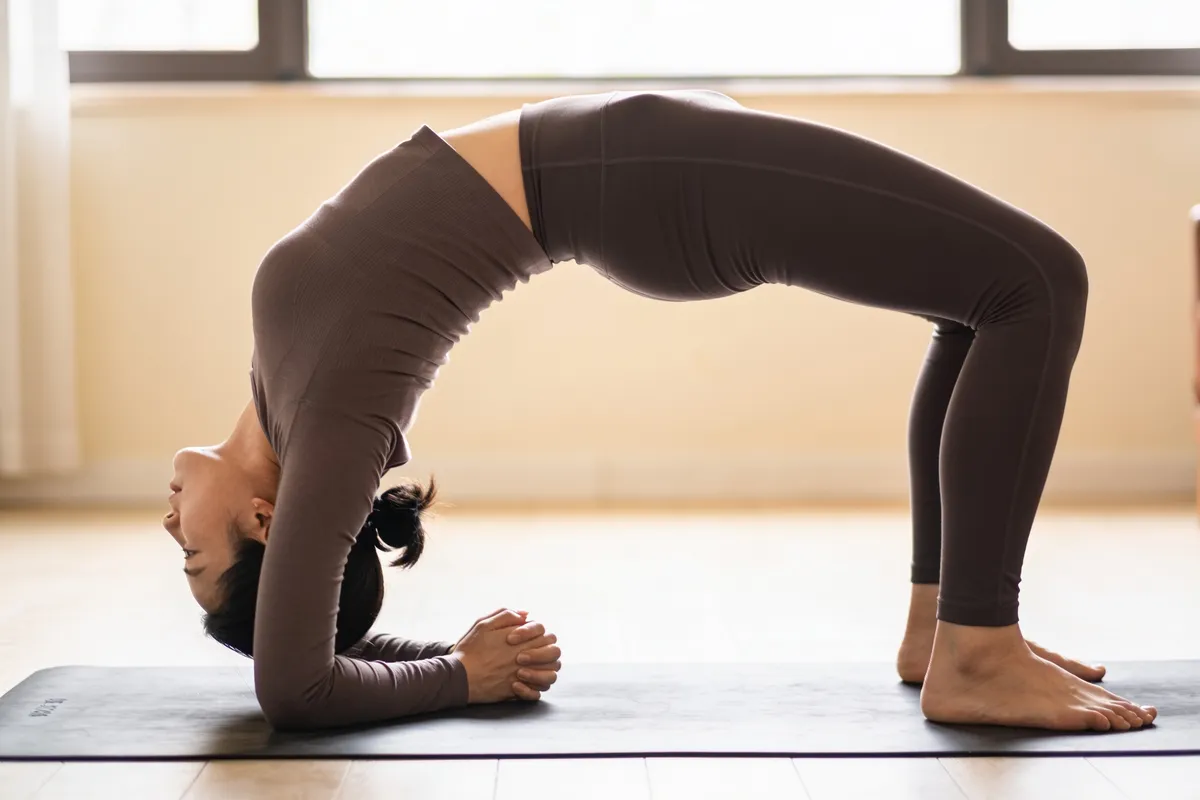
Exercise, including pelvic floor training, is usually discussed alongside any treatment. Illustrative image, not a patient.Intimate concerns are common and are discussed privately. Illustrative image, not a patient.
“A weak pelvic floor and a stretched vaginal wall feel alike, but one is muscle and one is tissue. I examine first, so the treatment matches the problem.”
Dr Sin YongOn Emsella and the GF Lift
Side by side
Many women raise these concerns only at a private consultation. Illustrative image, not a patient.
Table: Side by side
Emsella
GF Lift
Energy
High-intensity focused electromagnetic
Monopolar radiofrequency
Works on
Pelvic floor muscles
Vaginal wall, opening, outer labia
Undressing
No, seated clothed
Yes, private room, female chaperone
Often considered for
Leakage on coughing or exercise; weak pelvic floor
Laxity after childbirth; loose outer labia
Brightening
No
Can be paired with R2T2
Video
Supervised pelvic floor muscle training is the first step for stress incontinence. Illustrative video, not a patient.
Emsella in Singapore: the evidence, how it feels and who should not use it
Emsella is offered at a number of clinics in Singapore. Here the GF Lift is used instead; Emsella is explained so that you can compare it fairly with the GF Lift and with pelvic floor training.
Does Emsella work for stress incontinence?
The evidence is early. In an uncontrolled study of 75 women with stress, urge or mixed incontinence, symptom scores and pad use improved after a course of HIFEM treatment (Samuels 2019), but there was no sham group to compare against. Pelvic floor muscle training supervised by a physiotherapist has stronger evidence from randomised trials (Dumoulin 2018). Emsella is therefore one possible adjunct to training, considered after the type of leakage has been assessed, not a replacement for it.
What does an Emsella session feel like?
You sit fully clothed on the chair while the electromagnetic field makes the pelvic floor muscles contract strongly and repeatedly, usually felt as tingling and tightening around the pelvic floor and buttocks. Nothing is inserted and the skin is not heated. Because it works the muscles only, it does not change the vaginal wall, the opening or the outer labia, which is where radiofrequency such as the GF Lift is directed.
Who should not use Emsella?
Magnetic muscle stimulation is generally avoided in pregnancy, with a pacemaker, defibrillator or other electronic implant, with metal implants in or near the pelvis, including a copper intrauterine device, and with an active pelvic infection, unexplained bleeding or significant prolapse, which should be assessed first. Bleeding disorders, epilepsy and recent pelvic surgery are also reasons to ask a doctor first. A private examination tells laxity, pelvic floor weakness and prolapse apart before any device is chosen.
Emsella Singapore: a typical course, and what to bring to the assessment
In Singapore, clinics usually run Emsella as a short course: the manufacturer protocol is six sessions of about half an hour, two a week, with some clinics suggesting occasional maintenance. You stay fully clothed, remove metal and phones from your pockets, and go back to normal activities straight after. Muscle soreness for a day is the common reaction.
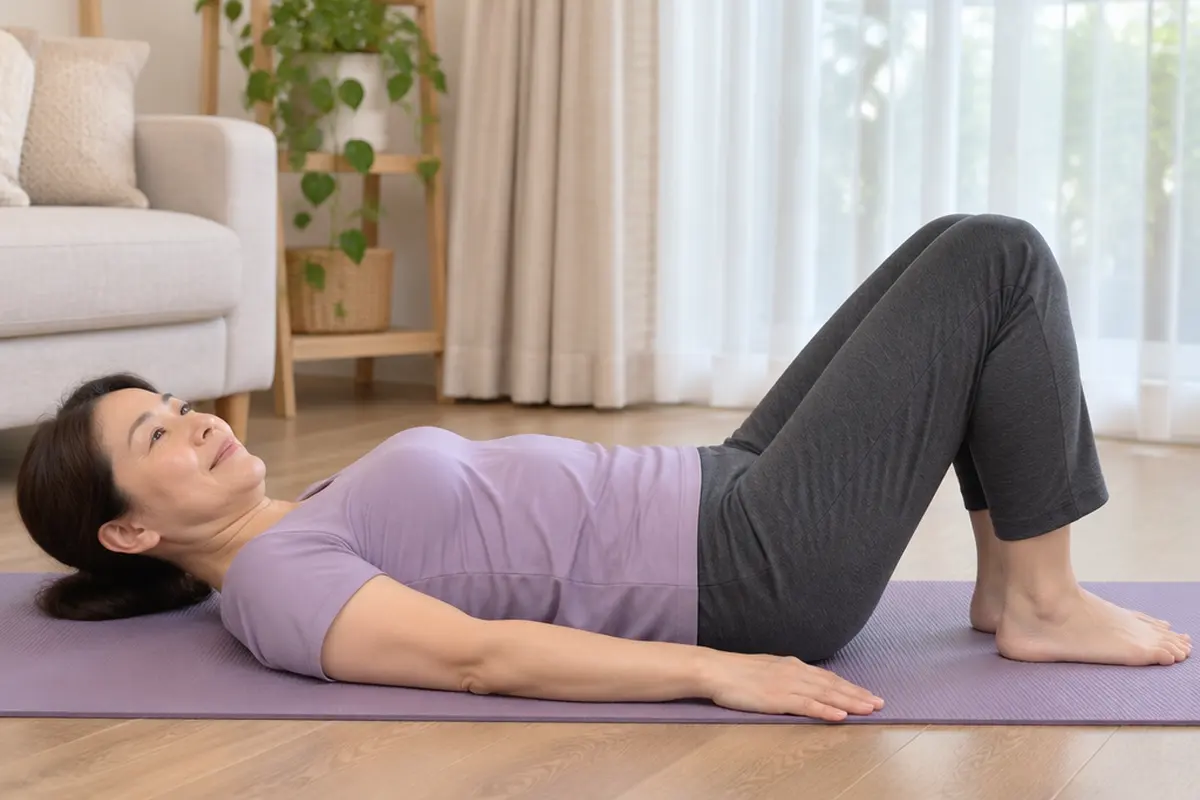
Pelvic floor training is the first step for many concerns after childbirth. Illustrative image, not a patient.
Whichever route you choose, the assessment is more useful if you bring a short bladder diary, a list of medicines, the number and type of births, and any history of pelvic surgery or prolapse. Here, Dr Sin Yong uses the GF Lift – Girl’s Friend Lift for vaginal laxity and mild leakage after examination, alongside pelvic floor training, and refers when a urogynaecology assessment is the better first step.
Which suits you
If the main problem is leakage when you cough, sneeze or exercise, the pelvic floor is the first target: a women’s health physiotherapist and pelvic floor training come first, and devices such as Emsella are one adjunct. If the main problem is a looser feeling, a wider opening or loose outer labia with a reasonable pelvic floor, the tissue is the target, and the GF Lift or the G Lift laser may suit. Prolapse is referred to a gynaecology specialist. Dr Sin Yong’s postgraduate training in obstetrics and gynaecology with the Royal College of Physicians of Ireland underpins that examination.
Exercise, including pelvic floor training, is usually discussed alongside any treatment. Illustrative image, not a patient.
Your next step
1. Message privatelyWhatsApp +65 8023 7170. A reply comes from the clinic, not a bot.
2. Private consultationDr Sin Yong takes your history and examines with a female chaperone on Orchard Road.
3. A plan in writingWhat he would do, what he would not, when a specialist is the better route, and the option of no treatment.
Every treatment is performed by Dr Sin Yong personally. Singapore Medical Council registered.
No needles are used. It feels like strong tingling and muscle contractions.
In Singapore, Emsella is usually sold as a course of six sessions, and prices vary by clinic. For comparison, the GF Lift vaginal laser at this practice starts from $1,500 per session.
Studies show improvements in pelvic floor strength and stress leakage for some women, though results vary and maintenance may be needed. It works the muscles, not the vaginal tissue itself.
It needs several sessions, the effect can fade without maintenance, and it does not treat vaginal laxity, dryness or tissue thinning. It is not suitable with some metal implants or during pregnancy.
A pelvic floor stimulation course is usually about six sessions over three weeks, and energy-based tightening about three sessions a month apart. Improvement is gradual and varies.
With a pelvic floor stimulation chair: muscle soreness for a day. With internal radiofrequency or laser: temporary warmth, discharge or spotting. Both are avoided in pregnancy and with certain implants.
Not quite. Emsella strengthens the pelvic floor muscles with electromagnetic energy while you sit clothed. Vaginal tightening treatments such as the GF Lift or the G Lift laser work on the tissue of the vaginal wall. Many women have some of both, which is why examination comes first.
Emsella is explained here so you can compare options. Dr Sin Yong performs the GF Lift – Girl’s Friend Lift and the G Lift himself, and refers to a women’s health physiotherapist where the pelvic floor needs training.
Emsella is a chair that uses focused electromagnetic energy to make the pelvic floor muscles contract repeatedly while the person sits clothed.
About this page: written and medically reviewed by Dr Sin Yong, MBBS (NUS), MRCS (Edinburgh) · Last reviewed 6 November 2026 · Illustrative images only, not patients · Editorial policy
Wherever you are treated, these seven questions should have clear answers before you pay for anything.
What exactly is my diagnosis, and is this the right treatment for it?
Which device or product will be used, at what setting, and why that one for me?
How many sessions do you expect, and how far apart?
What will the treated area look like in the days after, and what should I avoid?
Who performs the treatment from start to finish?
What are the risks for my skin type, and what is done if one happens?
What can this treatment not change, and what would be used for that instead?
About the author
This page was written and medically reviewed by Dr Sin Yong, MBBS (Singapore), MRCS (Edinburgh), MSc Practical Dermatology (Cardiff), MSc Aesthetic Medicine (London). He has more than 15 years of clinical practice, is a global key opinion leader for device makers and is invited to share his clinical expertise with other doctors. He assesses and treats every patient himself at his practice on Orchard Road, Singapore.
References
Safety and Efficacy of a Non-Invasive High-Intensity Focused Electromagnetic Field (HIFEM) Device for Treatment of Urinary Incontinence and Enhancement of Quality of Life. Samuels JB, Pezzella A, Berenholz J, Alinsod R. 51(9):760-766. Lasers in Surgery and Medicine, 2019. pubmed.ncbi.nlm.nih.gov
Pelvic floor muscle training versus no treatment, or inactive control treatments, for urinary incontinence in women. Dumoulin C, Cacciari LP, Hay-Smith EJC. Cochrane Database of Systematic Reviews (CD005654), 2018. pubmed.ncbi.nlm.nih.gov
Treatment of women with vaginal laxity: systematic review with meta-analysis. Pereira GMV, Cartwright R, Juliato CRT et al. Journal of Sexual Medicine, 2024. doi.org
Kohan J, Vyas K, Erotocritou M, et al. High-Intensity Focused Electromagnetic (HIFEM) Energy With and Without Radiofrequency for Noninvasive Body Contouring: A Systematic Review. Aesthetic Plast Surg. 2024;48(6):1156-1165. PubMed 37957393 · DOI
Juhász MLW, Korta DZ, Mesinkovska NA. Vaginal Rejuvenation: A Retrospective Review of Lasers and Radiofrequency Devices. Dermatol Surg. 2021;47(4):489-494. PubMed 33165070 · DOI
Alizadeh Z, Halabchi F, Bodaghabadi Z, et al. Non-invasive Body Contouring Technologies: An Updated Narrative Review. Aesthetic Plast Surg. 2024;48(4):659-679. PubMed 37749418 · DOI