What are PDRN / polynucleotides and what do they do?
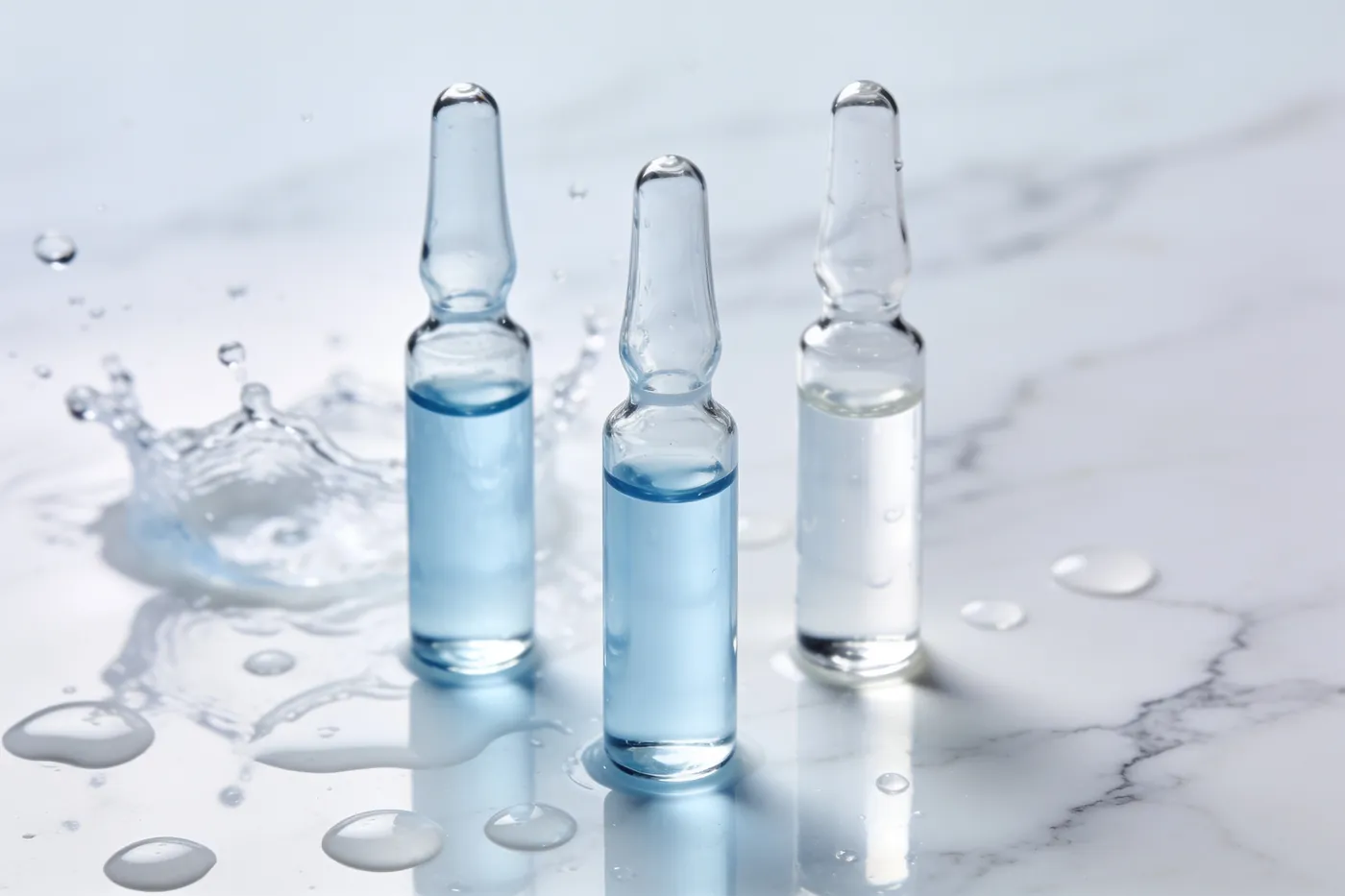
PDRN and polynucleotides are chains of DNA fragments extracted and purified, usually from salmon or trout. PDRN consists of shorter fragments; polynucleotides are longer chains that form a viscous gel. They are thought to work in two ways: by activating adenosine A2A receptors, which reduces inflammation and supports tissue repair, and by supplying nucleotides that cells can reuse for renewal. The long chains also bind water, adding hydration. In aesthetic medicine they are mainly injected into the skin as skin boosters for texture, fine lines, thin skin under the eyes and acne scars. Topical products exist, but penetration of large molecules through intact skin is limited. [1]
What does the evidence show?
Reviews describe consistent laboratory and animal evidence for anti-inflammatory and repair effects, and wound-healing studies support PDRN in tissue repair. A systematic review of polynucleotides in aesthetic medicine found improvements in skin quality, scars and periorbital rejuvenation, but noted small sample sizes, short follow-up and few controlled trials. Evidence for topical PDRN is weaker than for injectable use, and results reported with one brand may not apply to another.
Who should avoid PDRN / polynucleotides?
People with fish or salmon allergy should avoid these products. Injectable polynucleotides are not used over active infection, inflammation or in pregnancy, and anyone with an autoimmune condition or bleeding tendency should discuss it with the doctor first. Injection causes temporary bumps, redness and possible bruising. Topical products occasionally cause irritation.
Are PDRN / polynucleotides available in Singapore?
Topical PDRN and polynucleotide skincare is sold in Singapore as cosmetic products. Injectable polynucleotide products are regulated health products that should be administered by doctors in a clinical setting. Status depends on the product, so check with a doctor before choosing any injectable treatment.
If a dark patch, breakout or irritation is not responding to what you are using, the next step is a diagnosis rather than another product. See the Skin A–Z library for related ingredients.
Prefer Not to Use WhatsApp?
Leave your name, mobile number and email and the clinic will contact you directly. No obligation.
Prefer a preliminary view first? You can also WhatsApp a photo of the area for Dr Sin Yong to review before you decide on a visit.